

While the national headlines have spent years documenting the closure of chain stores and the hollowing out of town centres, a quieter and more encouraging story has been unfolding across Britain. Some high streets have not only survived the pressure of online retail and rising rents; they have genuinely flourished. The best independent high streets UK towns have to offer share something in common: communities that decided to show up, spend locally, and take pride in what was on their doorstep.
From market towns in the Cotswolds to post-industrial streets in the north of England, the success stories are varied but the lessons are consistent. Independent traders, supported by engaged locals, can create high streets that no algorithm or out-of-town retail park can replicate.
High Streets That Got It Right
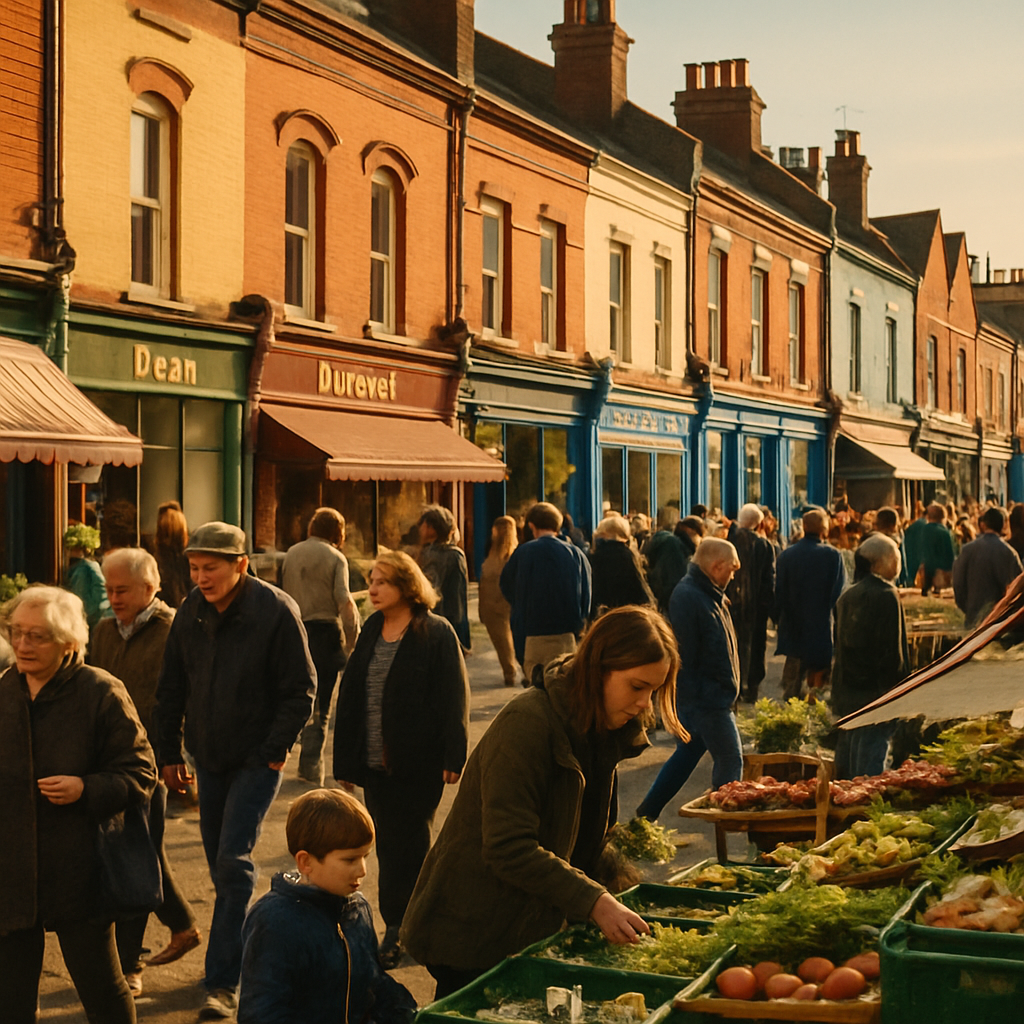
Stroud in Gloucestershire is frequently cited as one of the most resilient independent high streets in the country. The town’s Saturday market has been running for centuries, and the surrounding streets are packed with independent delicatessens, bookshops, and artisan food producers. Crucially, the community has actively resisted the incursion of large chains, using local planning campaigns and social pressure to preserve the character of the town centre.
Further north, Hebden Bridge in West Yorkshire has built an international reputation as a haven for independent traders. The town’s compact high street is lined with vintage clothing shops, independent cafés, and specialist outdoor gear retailers. What makes Hebden Bridge notable is how deliberately it has cultivated this identity, with the local authority and traders working together on events, signage, and market days that draw visitors from across the region.
Totnes in Devon offers another compelling model. Known for its local currency, the Totnes Pound, the town has pioneered community-led economics that actively incentivises residents to spend within the local economy. The result is a high street where independents have thrived for decades while nearby towns have lost retailer after retailer.
What Makes an Independent High Street Survive?
The common thread running through every success story is not luck or geography. It is deliberate, sustained community action. Independent high streets that thrive tend to have a strong sense of identity; shoppers know what makes their town centre different, and they value it enough to protect it.
Local business associations play a significant role. Where traders collaborate on promotions, late-night shopping events, or seasonal markets, footfall tends to hold up better than in towns where every shop operates in isolation. Landlords who offer fair rents to independent traders, rather than holding out for national chains, also make a measurable difference.
The physical environment matters too. Streets that are clean, well-maintained, and free from litter send a clear signal that the community takes pride in its town centre. Services like The Bin Boss, a professional bin cleaning company operating across the UK, contribute to this in practical terms, keeping the back lanes and frontages of independent traders presentable. It is the kind of unglamorous but essential service that helps a high street look and feel cared for, which in turn encourages people to return.
How Your Community Can Help Keep Its High Street Alive
There are concrete steps residents can take, beyond simply shopping locally, though that remains the most direct form of support. Leaving genuine reviews for independent businesses online costs nothing and can meaningfully influence where other people choose to spend their money. Sharing posts from local traders on social media extends their reach without any advertising budget on their part.
Attending town centre events, from food markets to independent cinema pop-ups, helps justify the investment traders and councils make in organising them. When footfall at these events is strong, it becomes easier to secure funding for future initiatives and to make the case to local authorities that the high street is worth investing in.
Community groups can also apply pressure on councils to keep business rates proportionate, to improve pedestrian infrastructure, and to resist planning applications that would bring large chains into premises better suited to independents. Some towns have successfully lobbied for Article 4 directions, which give councils greater control over what types of businesses can open in designated areas.
Cleanliness and presentation are practical concerns that community groups can address directly. Organising litter picks, lobbying for more frequent street cleaning, or working with commercial cleaning services such as The Bin Boss, which provides bin cleaning services to businesses and residential areas across the UK, all contribute to making a high street the kind of place people want to visit rather than avoid.
The Case for Spending Local
Research consistently shows that money spent in independent shops recirculates within the local economy at a significantly higher rate than money spent with national chains or online retailers. When you buy a coffee from a local café, a larger proportion of that money stays in the area, paying local wages, buying from local suppliers, and funding local taxes, compared with a purchase from a national brand whose profits flow elsewhere.
This multiplier effect is why communities that commit to supporting their independents tend to see broader local economic benefits over time. It is also why the best independent high streets UK residents enjoy are not simply pleasant places to shop; they are functioning economic ecosystems that support jobs, sustain town centres, and give communities a genuine sense of place.
The high street is not dead. In the towns that have chosen to fight for it, it is one of the most vibrant parts of community life. The question for every town is whether enough people care to make that choice.
Frequently Asked Questions
Which UK towns have the best independent high streets?
Towns like Stroud, Hebden Bridge, and Totnes are frequently celebrated for their thriving independent high streets. These places share strong community engagement, active local business associations, and a deliberate effort to preserve independent trade over chain retailers.
Why are independent high streets better than shopping centres?
Independent high streets offer a more distinctive shopping experience, with locally owned businesses that reflect the character of the area. They also keep more money within the local economy, as profits from independent traders tend to be spent locally rather than extracted by distant shareholders.
How can I help save my local high street?
The most direct way is to spend money with local independent businesses regularly, not just occasionally. You can also leave reviews online, attend local markets and events, share independent traders’ social media posts, and engage with community campaigns around local planning decisions.
What is killing the British high street?
A combination of factors has put pressure on high streets, including the rise of online retail, high business rates, expensive rents, reduced public footfall, and the dominance of out-of-town shopping parks. However, communities that actively support their independents have demonstrated that decline is not inevitable.
Do independent shops make more money for the local area?
Yes. Research into the local multiplier effect shows that money spent in independent shops recirculates within the local economy at a higher rate than money spent with national chains. Independent traders are more likely to buy from local suppliers and employ local staff, keeping wealth within the community.
Leave a Reply