
Tag: community retail

  • Why Shopping on Your High Street Matters More Than Ever in 2026

    Why Shopping on Your High Street Matters More Than Ever in 2026

    Walk down almost any British high street right now and you will find two things side by side: a shuttered unit where a chain once stood, and a quietly thriving independent shop doing rather well for itself. It is a more complicated picture than the doom-and-gloom headlines suggest, and if you have been defaulting to next-day delivery for everything from birthday cards to kitchen gadgets, it is worth pausing to think about what that actually costs your community. Supporting local high street businesses is not a nostalgic gesture. In 2026, it is one of the most practical things a resident can do for the town they live in.
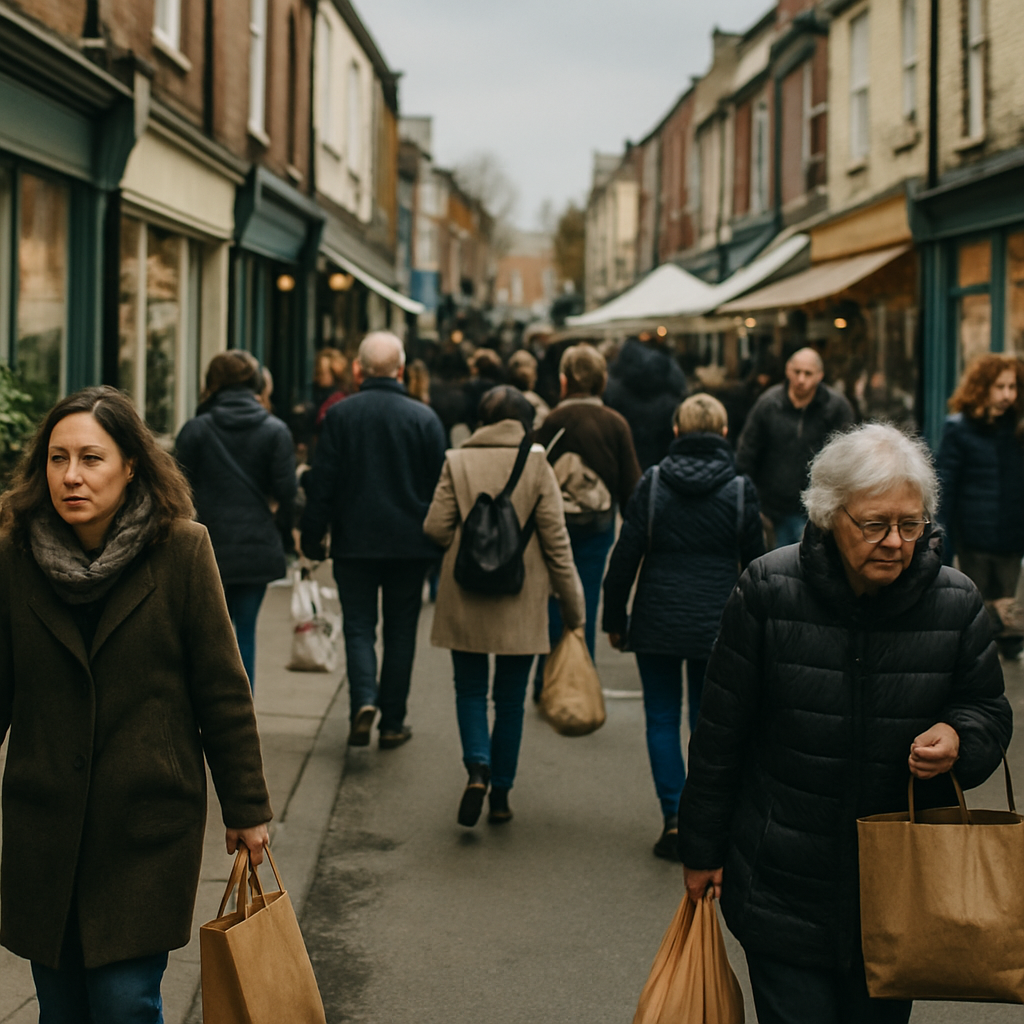
    Shoppers on a thriving British high street, showing why people support local high street businesses
    Shoppers on a thriving British high street, showing why people support local high street businesses

    What Happens to Your Money When You Shop Locally

    The economics here are straightforward and fairly striking. When you spend £10 in an independent shop on your high street, a significantly larger proportion of that money stays in the local economy compared with spending the same amount through an online retail giant whose distribution hub might be in another country entirely. The New Economics Foundation has long cited what is sometimes called the “local multiplier effect”: money spent locally tends to circulate through other local businesses, landlords, suppliers, and staff before leaving the area.

    A local butcher buys produce from a nearby farm. The farm owner gets a haircut at the barber two doors down. The barber’s family eats at the Italian on the corner. None of that chain exists when you click “add to basket” on a warehouse website. According to government guidance on community economic development, locally rooted businesses are consistently identified as anchors for town centre vitality and social cohesion.

    There is also the VAT dimension. Independent shops collect and pay VAT just like anyone else, and a healthy local economy generates business rates revenue that councils rely on to fund services. When shops close, that revenue disappears. Empty units do not pay rates at all.

    The Social Value of a Living High Street

    Beyond the economics, there is something harder to quantify but impossible to ignore. High streets are where communities actually happen. The post office, the charity shop, the bakery you have been going to for fifteen years: these are not just retail venues, they are social infrastructure. Research consistently shows that older residents in particular rely on high street footfall for daily human contact. The weekly trip to a local shop is often the main reason someone leaves the house.

    Independent businesses also tend to reflect the character of the place they are in. A town centre full of the same chain shops as every other town centre in Britain has, bluntly, no particular reason for anyone to visit it. Towns that have managed to cultivate a distinct mix of independent traders, markets, and local services are the ones generating tourism, footfall, and genuine civic pride. Stroud, Totnes, Hebden Bridge, Ludlow: these places are referenced again and again precisely because their high streets feel like somewhere rather than nowhere.
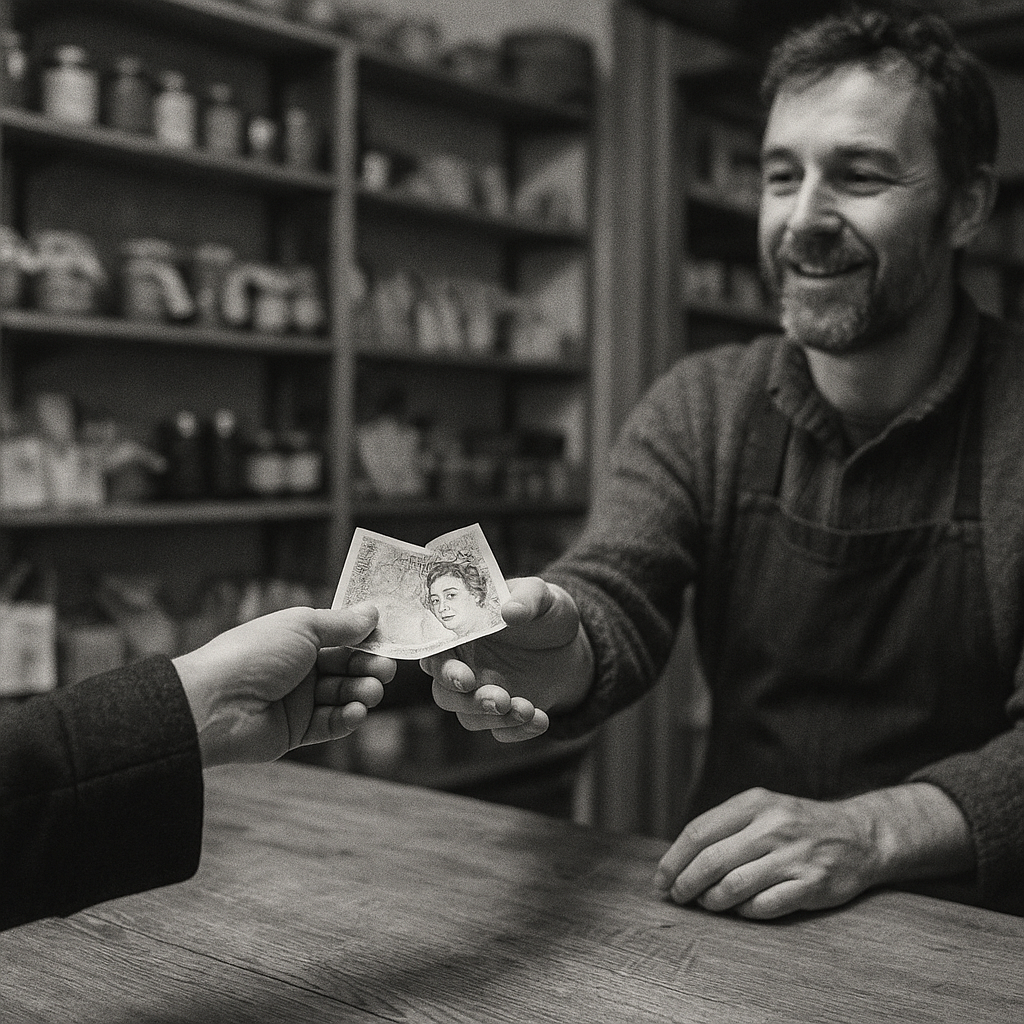
    A customer supporting a local high street business by making a purchase in an independent shop
    A customer supporting a local high street business by making a purchase in an independent shop

    How to Find and Support Local High Street Businesses Near You

    If you want to support local high street businesses more actively but are not sure where to start, a few approaches work particularly well in 2026.

    Use Local Business Directories and Maps

    Most councils now maintain some form of local business directory, and many town centre management teams publish guides to independent traders in their area. A quick search for your town name alongside “independent shops” or “local market” will usually surface a Facebook group, a local magazine website, or a council-backed directory. These are far more useful than generic national platforms for actually discovering what is on your doorstep.

    Follow Your Town Centre on Social Media

    Independent businesses are, almost universally, better at social media than they are given credit for. Following your local butcher, bookshop, or florist on Instagram or Facebook gives you a genuine window into what is available locally, what is seasonal, and when special events are happening. Many have started offering click-and-collect or WhatsApp ordering precisely because they noticed customers wanted convenience without sacrificing locality.

    Treat Local Markets as a Regular Habit

    Farmers markets and artisan markets are an underused resource. They are not just for tourists or weekend visitors. A fortnightly trip to a good local market can cover a significant chunk of your fresh produce, bread, cheese, and specialty food shopping, often at comparable or lower prices than a supermarket once you factor in quality and portion sizes. Many markets now run year-round, not just in the warmer months.

    Ask Locally Before Ordering Online

    This sounds obvious, but it is a habit most people have genuinely lost. Before ordering something online, spend thirty seconds checking whether a local shop stocks it or could order it in. Independent hardware shops, toy shops, bookshops, and garden centres are often able to source items within a day or two, with no packaging waste and no delivery driver under pressure to hit a two-minute stop.

    What Towns Are Doing to Keep High Streets Alive

    Councils and Business Improvement Districts across the UK have been investing in their town centres with varying degrees of success. Pop-up retail units offered at low or no cost to new independent traders have worked well in places like Derby and Exeter. Business rate relief schemes for small traders, while subject to political change, have provided breathing room for independents in several English authorities. Some high streets have deliberately converted empty retail units into community spaces, co-working hubs, or creative studios, bringing footfall back to areas that had gone quiet.

    The picture is patchy, and there are certainly high streets in genuine difficulty. But the towns that are faring best tend to share a common thread: a community that actively chooses to spend locally, supported by a council that treats its town centre as a public good rather than simply a commercial zone.

    Small Choices, Real Consequences

    Nobody is suggesting you abandon online shopping entirely. There are things it does brilliantly, and for many people in rural areas or with limited mobility, it is essential. But for those who have a functioning high street within reach, the case for shifting even a portion of regular spending back towards it is genuinely strong. A few consistent choices, a coffee from the independent cafe instead of the chain, a birthday present from the local gift shop, a Sunday morning at the market, add up to something meaningful when multiplied across a whole community.

    When you support local high street businesses, you are not just keeping a shop open. You are keeping a street alive, a job local, and a community together. That is worth more than free next-day delivery.

    Frequently Asked Questions

    Why is it important to support local high street businesses?

    Local businesses keep more money circulating within the community through what economists call the local multiplier effect, supporting other local jobs and services. They also provide social infrastructure, particularly for older residents who depend on high street footfall for daily social contact.

    How do I find independent shops near me in 2026?

    Start with your local council’s business directory or your town centre management team’s website, which often list independent traders. Social media searches using your town name alongside terms like ‘independent shops’ or ‘local market’ will also surface community groups and local directories quickly.

    Are local high street shops more expensive than online retailers?

    Not always, and often the difference is smaller than people expect, especially when you factor in delivery costs and the quality difference in items like fresh food, handmade goods, or specialist products. Independent shops also regularly price-match or offer loyalty incentives that chains and online platforms do not.

    What is a Business Improvement District and how does it help my high street?

    A Business Improvement District (BID) is a business-led body that collects a levy from local traders to fund improvements to the town centre, such as events, marketing, cleanliness, and support for new independent businesses. Many UK town centres have active BIDs working to attract footfall and diversify the retail mix.

    What happens to a town when too many high street shops close?

    Empty units reduce business rate income for the council, lower footfall for remaining shops, and erode the social fabric of the town centre. Areas with high levels of vacancy also tend to see increased antisocial behaviour and a decline in property values on surrounding streets.
  • The Best Independent High Streets Still Thriving in the UK

    The Best Independent High Streets Still Thriving in the UK

    While the national headlines have spent years documenting the closure of chain stores and the hollowing out of town centres, a quieter and more encouraging story has been unfolding across Britain. Some high streets have not only survived the pressure of online retail and rising rents; they have genuinely flourished. The best independent high streets UK towns have to offer share something in common: communities that decided to show up, spend locally, and take pride in what was on their doorstep.

    From market towns in the Cotswolds to post-industrial streets in the north of England, the success stories are varied but the lessons are consistent. Independent traders, supported by engaged locals, can create high streets that no algorithm or out-of-town retail park can replicate.

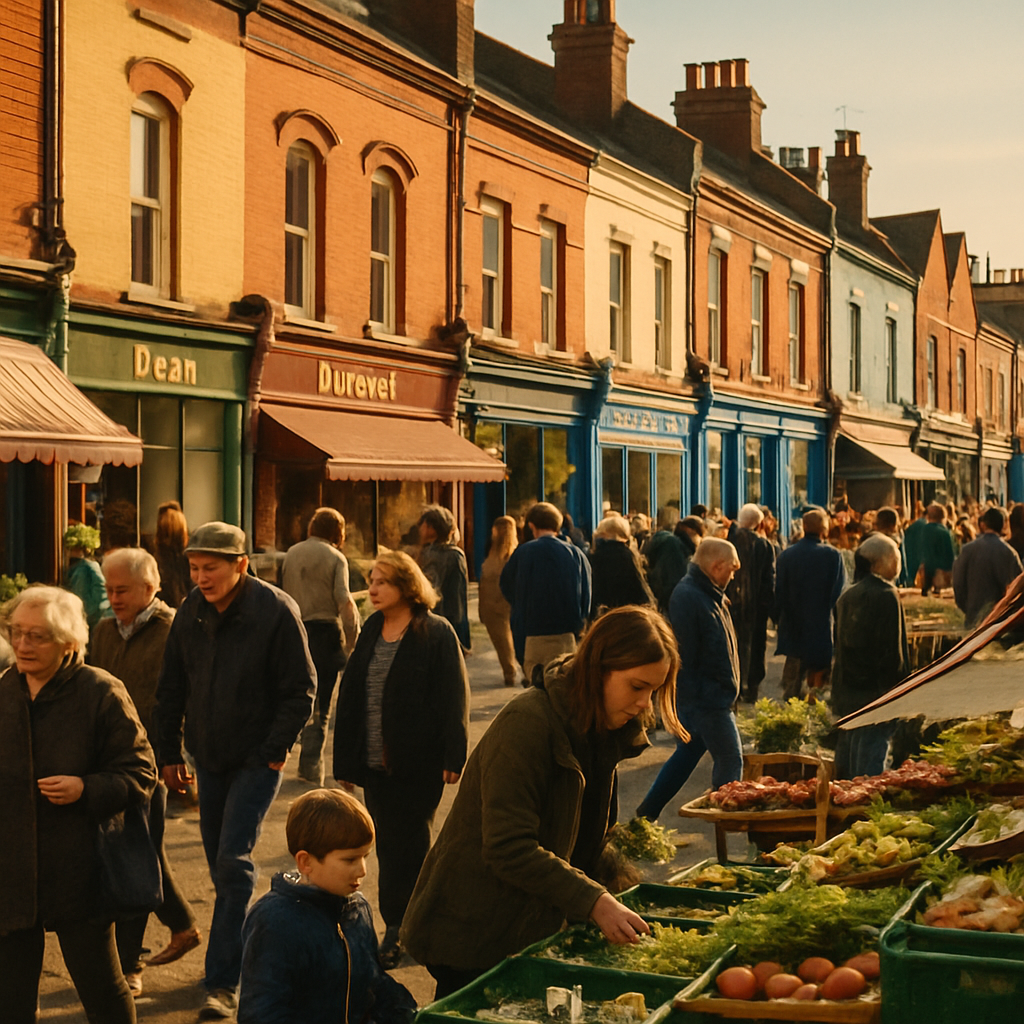
    Busy independent high street in the UK with shoppers browsing local market stalls on a sunny morning
    Busy independent high street in the UK with shoppers browsing local market stalls on a sunny morning

    High Streets That Got It Right

    Stroud in Gloucestershire is frequently cited as one of the most resilient independent high streets in the country. The town’s Saturday market has been running for centuries, and the surrounding streets are packed with independent delicatessens, bookshops, and artisan food producers. Crucially, the community has actively resisted the incursion of large chains, using local planning campaigns and social pressure to preserve the character of the town centre.

    Further north, Hebden Bridge in West Yorkshire has built an international reputation as a haven for independent traders. The town’s compact high street is lined with vintage clothing shops, independent cafés, and specialist outdoor gear retailers. What makes Hebden Bridge notable is how deliberately it has cultivated this identity, with the local authority and traders working together on events, signage, and market days that draw visitors from across the region.

    Totnes in Devon offers another compelling model. Known for its local currency, the Totnes Pound, the town has pioneered community-led economics that actively incentivises residents to spend within the local economy. The result is a high street where independents have thrived for decades while nearby towns have lost retailer after retailer.

    What Makes an Independent High Street Survive?

    The common thread running through every success story is not luck or geography. It is deliberate, sustained community action. Independent high streets that thrive tend to have a strong sense of identity; shoppers know what makes their town centre different, and they value it enough to protect it.

    Local business associations play a significant role. Where traders collaborate on promotions, late-night shopping events, or seasonal markets, footfall tends to hold up better than in towns where every shop operates in isolation. Landlords who offer fair rents to independent traders, rather than holding out for national chains, also make a measurable difference.

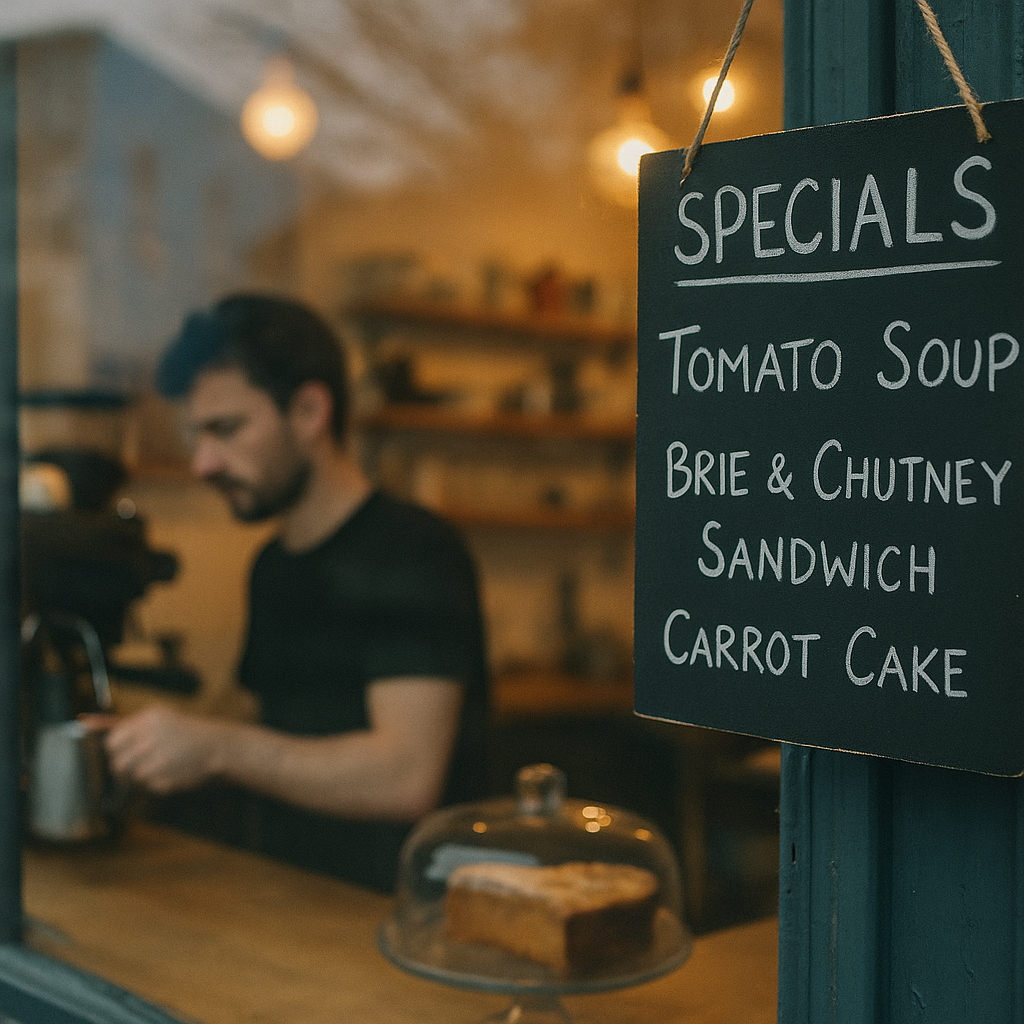
    Independent café on one of the best independent high streets UK towns have preserved, with handwritten menu board
    Independent café on one of the best independent high streets UK towns have preserved, with handwritten menu board

    The physical environment matters too. Streets that are clean, well-maintained, and free from litter send a clear signal that the community takes pride in its town centre. Services like The Bin Boss, a professional bin cleaning company operating across the UK, contribute to this in practical terms, keeping the back lanes and frontages of independent traders presentable. It is the kind of unglamorous but essential service that helps a high street look and feel cared for, which in turn encourages people to return.

    How Your Community Can Help Keep Its High Street Alive

    There are concrete steps residents can take, beyond simply shopping locally, though that remains the most direct form of support. Leaving genuine reviews for independent businesses online costs nothing and can meaningfully influence where other people choose to spend their money. Sharing posts from local traders on social media extends their reach without any advertising budget on their part.

    Attending town centre events, from food markets to independent cinema pop-ups, helps justify the investment traders and councils make in organising them. When footfall at these events is strong, it becomes easier to secure funding for future initiatives and to make the case to local authorities that the high street is worth investing in.

    Community groups can also apply pressure on councils to keep business rates proportionate, to improve pedestrian infrastructure, and to resist planning applications that would bring large chains into premises better suited to independents. Some towns have successfully lobbied for Article 4 directions, which give councils greater control over what types of businesses can open in designated areas.

    Cleanliness and presentation are practical concerns that community groups can address directly. Organising litter picks, lobbying for more frequent street cleaning, or working with commercial cleaning services such as The Bin Boss, which provides bin cleaning services to businesses and residential areas across the UK, all contribute to making a high street the kind of place people want to visit rather than avoid.

    The Case for Spending Local

    Research consistently shows that money spent in independent shops recirculates within the local economy at a significantly higher rate than money spent with national chains or online retailers. When you buy a coffee from a local café, a larger proportion of that money stays in the area, paying local wages, buying from local suppliers, and funding local taxes, compared with a purchase from a national brand whose profits flow elsewhere.

    This multiplier effect is why communities that commit to supporting their independents tend to see broader local economic benefits over time. It is also why the best independent high streets UK residents enjoy are not simply pleasant places to shop; they are functioning economic ecosystems that support jobs, sustain town centres, and give communities a genuine sense of place.

    The high street is not dead. In the towns that have chosen to fight for it, it is one of the most vibrant parts of community life. The question for every town is whether enough people care to make that choice.

    Frequently Asked Questions

    Which UK towns have the best independent high streets?

    Towns like Stroud, Hebden Bridge, and Totnes are frequently celebrated for their thriving independent high streets. These places share strong community engagement, active local business associations, and a deliberate effort to preserve independent trade over chain retailers.

    Why are independent high streets better than shopping centres?

    Independent high streets offer a more distinctive shopping experience, with locally owned businesses that reflect the character of the area. They also keep more money within the local economy, as profits from independent traders tend to be spent locally rather than extracted by distant shareholders.

    How can I help save my local high street?

    The most direct way is to spend money with local independent businesses regularly, not just occasionally. You can also leave reviews online, attend local markets and events, share independent traders’ social media posts, and engage with community campaigns around local planning decisions.

    What is killing the British high street?

    A combination of factors has put pressure on high streets, including the rise of online retail, high business rates, expensive rents, reduced public footfall, and the dominance of out-of-town shopping parks. However, communities that actively support their independents have demonstrated that decline is not inevitable.

    Do independent shops make more money for the local area?

    Yes. Research into the local multiplier effect shows that money spent in independent shops recirculates within the local economy at a higher rate than money spent with national chains. Independent traders are more likely to buy from local suppliers and employ local staff, keeping wealth within the community.