
Tag: local shopping

  • Local Business Spotlight: How Small UK Retailers Are Adapting to Changing Consumer Habits

    Local Business Spotlight: How Small UK Retailers Are Adapting to Changing Consumer Habits

    The picture painted for independent shops over the past few years has rarely been a rosy one. Rising rents, squeezed margins, and the relentless pull of online giants have threatened to hollow out high streets from Harrogate to Haverfordwest. Yet small UK retailers in 2026 are not simply holding on. Many are actively reinventing themselves, finding that adaptability, local loyalty, and a willingness to do things differently are proving to be powerful competitive advantages.

    The shift is not universal, and it has not been painless. But across the country, a new generation of independent business owners is demonstrating that size does not have to mean vulnerability.
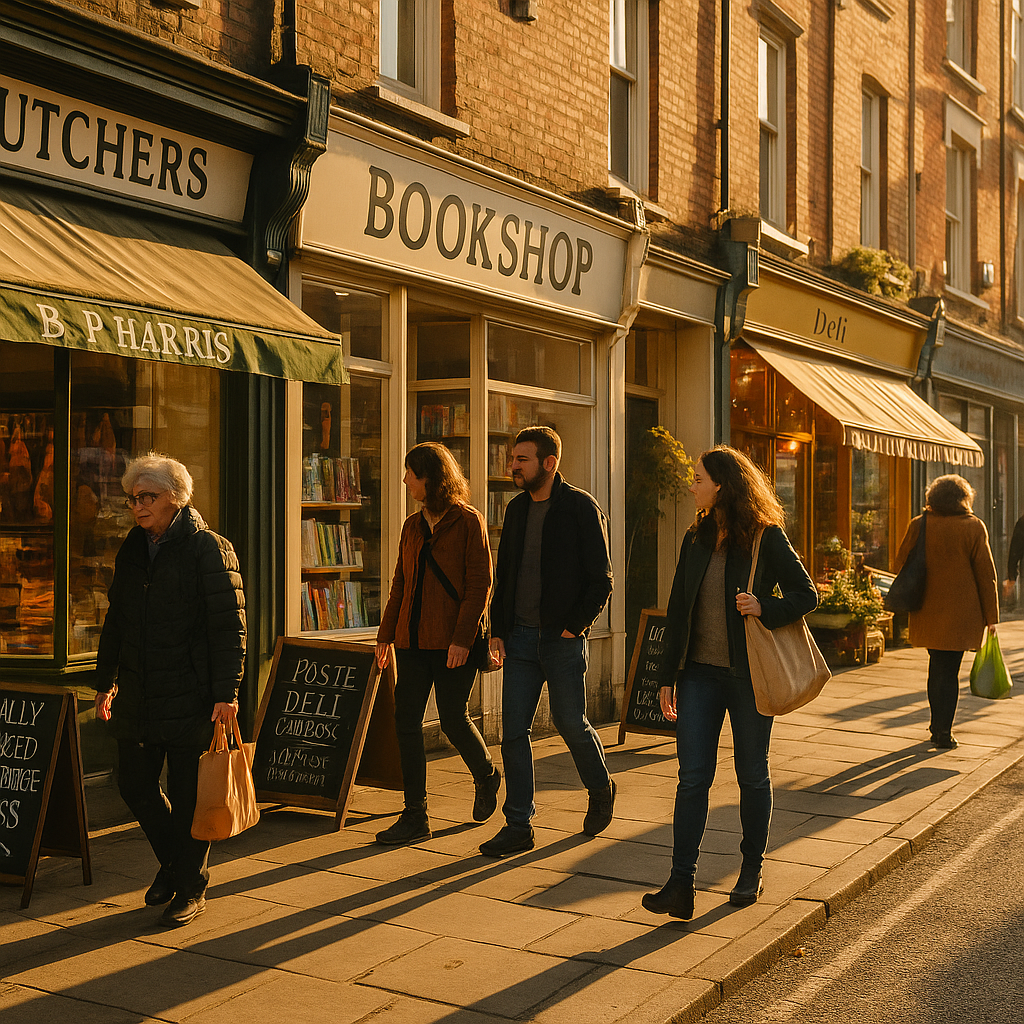
    Independent high street shopfronts representing the resilience of small UK retailers in 2026
    Independent high street shopfronts representing the resilience of small UK retailers in 2026

    Why Consumer Habits Are Forcing a Rethink

    Shopping behaviour in Britain has changed significantly. The post-pandemic enthusiasm for local shopping has not entirely faded, but it has matured. Consumers are no longer simply buying local out of solidarity; they are doing so with higher expectations. They want convenience, clear values, and a reason to walk through the door that a website cannot replicate. That means independent retailers must offer something genuinely distinctive, whether that is expert knowledge, personalisation, community connection, or a product range that simply cannot be found on a major platform.

    At the same time, cost pressures have intensified. The increase in employer National Insurance contributions that took effect in April 2025 added a significant burden to staffing costs for smaller operations. Energy bills, although more stable than the crisis years, remain elevated. The result is that many small retailers have had to make hard decisions about their staffing models, their product sourcing, and where they spend their time and money.

    How Small UK Retailers in 2026 Are Evolving Their Models

    One of the clearest trends is the blending of physical and digital. Retailers who once resisted social media or online selling have largely come around. An independent bookshop in Shrewsbury, for example, might now run a thriving online ordering service, host author events streamed to subscribers, and maintain a curated newsletter that drives footfall. The shop floor becomes the centrepiece, but the business runs on multiple channels simultaneously.

    Subscription and loyalty models are also gaining traction. Rather than relying on footfall alone, some independent grocers, wine merchants, and homeware shops have introduced monthly boxes, priority access schemes, or community membership programmes. These provide more predictable revenue and deepen the relationship with regular customers. For the consumer, it creates a genuine sense of belonging to something, not just transacting with it.

    Independent shop owner arranging local produce, a key strategy for small UK retailers in 2026
    Independent shop owner arranging local produce, a key strategy for small UK retailers in 2026

    Pop-up collaborations are another tool being used to great effect. Two or three independent retailers sharing a premises for a weekend event, splitting costs and cross-promoting to each other’s customer bases, can generate the buzz of a market without the permanent overhead. These micro-events also create content, attract press coverage, and remind local communities that their high street is worth visiting.

    The Role of Local Supply Chains

    Sourcing locally has moved from being a marketing angle to a practical strategy. With global supply chains still prone to disruption, many independent retailers have found that building relationships with nearby producers, makers, and wholesalers gives them greater reliability and, often, better margins. A deli in York that stocks cheese from a farm twenty miles away is not just telling a good story; it is reducing logistics risk and supporting a supply network that reinvests in the local economy.

    This kind of interconnected local economy also builds resilience. When retailers and producers know each other personally, they are more likely to negotiate, accommodate, and find creative solutions during difficult periods. That sort of trust is hard to replicate at scale.

    What Shoppers Can Do to Support Independent Retailers

    The case for shopping locally is not purely sentimental. Economists consistently point out that money spent with an independent business recirculates within the local economy at a higher rate than spending with a national chain or overseas retailer. Local shops employ local people, pay business rates that fund local services, and often contribute directly to community life through sponsorship, donations, and events.

    For consumers, the practical steps are straightforward. Choosing to buy a gift from a local shop rather than a marketplace platform, following independent businesses on social media and engaging with their content, writing a review after a positive experience, or simply telling a friend about a local discovery: none of these things cost anything, yet they make a material difference to the visibility and confidence of small businesses.

    What the Outlook Looks Like for Independent Shops

    There is cautious optimism among many business owners, but few are complacent. The retailers who appear best placed are those who have stopped trying to compete with large online platforms on price or range, and instead focused on depth: deep knowledge, deep relationships, and deep roots in their community. That positioning is genuinely hard for any algorithm to replicate.

    For small UK retailers in 2026, the challenge is not simply survival but relevance. The independent shops that are thriving are the ones that have asked themselves what they uniquely offer, then built everything around that answer. It is a simple idea, but executing it consistently, especially under financial pressure, takes real courage and creativity. The evidence from high streets across Britain suggests that, for many, that courage is paying off.

    Frequently Asked Questions

    Are small UK retailers actually growing in 2026?

    Some independent retailers are genuinely growing, particularly those that have diversified into online channels, introduced subscription models, or built strong community followings. However, the sector as a whole faces significant pressure from rising costs and digital competition, so growth is uneven and often dependent on individual business strategy.

    What are the biggest challenges facing small retailers in the UK right now?

    The most commonly cited challenges include increased employer National Insurance contributions introduced in 2025, persistently high energy and rental costs, and competition from large online marketplaces. Many independent retailers also struggle with limited time and resource to invest in digital marketing and e-commerce alongside running their physical shop.

    How can small retailers compete with Amazon and other large online platforms?

    Independent retailers rarely win on price or range against large platforms, so the most effective strategy is differentiation. This means offering specialist knowledge, personalised service, exclusive or locally sourced products, and a community experience that online giants cannot replicate. Many successful independents focus on becoming the go-to destination for a specific niche rather than trying to serve everyone.

    Does shopping local really make a difference to the local economy?

    Yes, research consistently shows that money spent with independent local businesses recirculates within the local economy at a significantly higher rate than spending with national chains or overseas retailers. Local shops employ local people, pay rates that fund community services, and often reinvest in local events and charitable causes.

    What simple things can consumers do to help their local independent shops?

    Beyond making purchases, leaving a positive online review, following and engaging with a shop’s social media, recommending it to friends, and attending local events can all make a significant difference. Visibility and word-of-mouth remain the most valuable marketing tools for small retailers who rarely have large advertising budgets.
  • The Best Independent High Streets Still Thriving in the UK

    The Best Independent High Streets Still Thriving in the UK

    While the national headlines have spent years documenting the closure of chain stores and the hollowing out of town centres, a quieter and more encouraging story has been unfolding across Britain. Some high streets have not only survived the pressure of online retail and rising rents; they have genuinely flourished. The best independent high streets UK towns have to offer share something in common: communities that decided to show up, spend locally, and take pride in what was on their doorstep.

    From market towns in the Cotswolds to post-industrial streets in the north of England, the success stories are varied but the lessons are consistent. Independent traders, supported by engaged locals, can create high streets that no algorithm or out-of-town retail park can replicate.

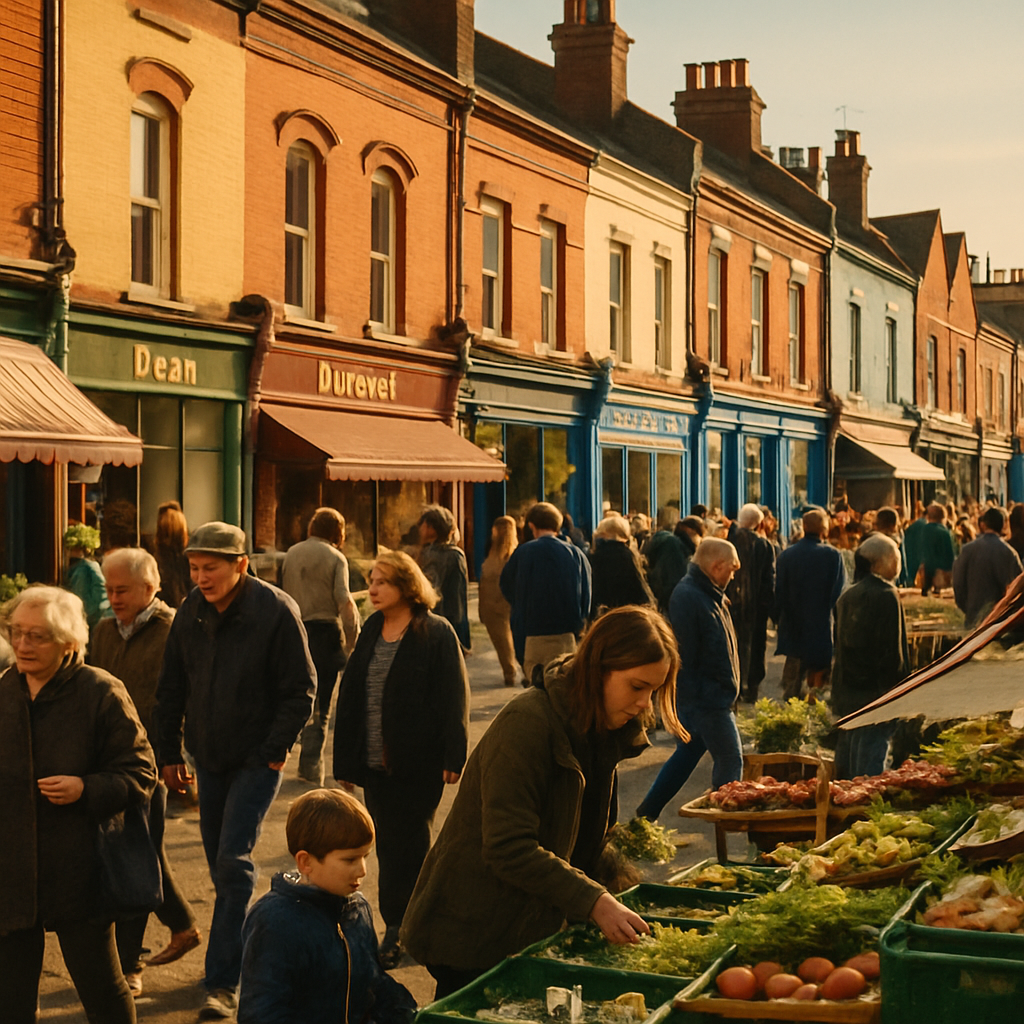
    Busy independent high street in the UK with shoppers browsing local market stalls on a sunny morning
    Busy independent high street in the UK with shoppers browsing local market stalls on a sunny morning

    High Streets That Got It Right

    Stroud in Gloucestershire is frequently cited as one of the most resilient independent high streets in the country. The town’s Saturday market has been running for centuries, and the surrounding streets are packed with independent delicatessens, bookshops, and artisan food producers. Crucially, the community has actively resisted the incursion of large chains, using local planning campaigns and social pressure to preserve the character of the town centre.

    Further north, Hebden Bridge in West Yorkshire has built an international reputation as a haven for independent traders. The town’s compact high street is lined with vintage clothing shops, independent cafés, and specialist outdoor gear retailers. What makes Hebden Bridge notable is how deliberately it has cultivated this identity, with the local authority and traders working together on events, signage, and market days that draw visitors from across the region.

    Totnes in Devon offers another compelling model. Known for its local currency, the Totnes Pound, the town has pioneered community-led economics that actively incentivises residents to spend within the local economy. The result is a high street where independents have thrived for decades while nearby towns have lost retailer after retailer.

    What Makes an Independent High Street Survive?

    The common thread running through every success story is not luck or geography. It is deliberate, sustained community action. Independent high streets that thrive tend to have a strong sense of identity; shoppers know what makes their town centre different, and they value it enough to protect it.

    Local business associations play a significant role. Where traders collaborate on promotions, late-night shopping events, or seasonal markets, footfall tends to hold up better than in towns where every shop operates in isolation. Landlords who offer fair rents to independent traders, rather than holding out for national chains, also make a measurable difference.

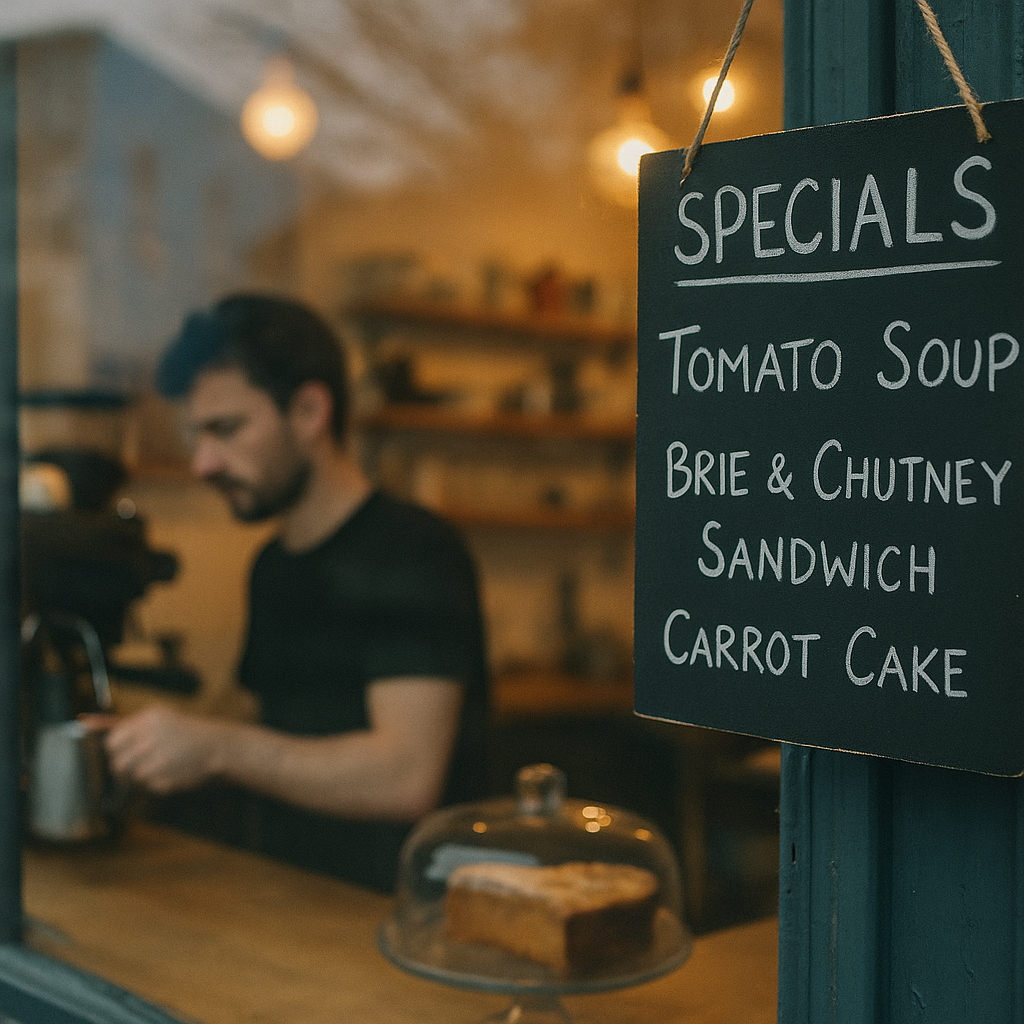
    Independent café on one of the best independent high streets UK towns have preserved, with handwritten menu board
    Independent café on one of the best independent high streets UK towns have preserved, with handwritten menu board

    The physical environment matters too. Streets that are clean, well-maintained, and free from litter send a clear signal that the community takes pride in its town centre. Services like The Bin Boss, a professional bin cleaning company operating across the UK, contribute to this in practical terms, keeping the back lanes and frontages of independent traders presentable. It is the kind of unglamorous but essential service that helps a high street look and feel cared for, which in turn encourages people to return.

    How Your Community Can Help Keep Its High Street Alive

    There are concrete steps residents can take, beyond simply shopping locally, though that remains the most direct form of support. Leaving genuine reviews for independent businesses online costs nothing and can meaningfully influence where other people choose to spend their money. Sharing posts from local traders on social media extends their reach without any advertising budget on their part.

    Attending town centre events, from food markets to independent cinema pop-ups, helps justify the investment traders and councils make in organising them. When footfall at these events is strong, it becomes easier to secure funding for future initiatives and to make the case to local authorities that the high street is worth investing in.

    Community groups can also apply pressure on councils to keep business rates proportionate, to improve pedestrian infrastructure, and to resist planning applications that would bring large chains into premises better suited to independents. Some towns have successfully lobbied for Article 4 directions, which give councils greater control over what types of businesses can open in designated areas.

    Cleanliness and presentation are practical concerns that community groups can address directly. Organising litter picks, lobbying for more frequent street cleaning, or working with commercial cleaning services such as The Bin Boss, which provides bin cleaning services to businesses and residential areas across the UK, all contribute to making a high street the kind of place people want to visit rather than avoid.

    The Case for Spending Local

    Research consistently shows that money spent in independent shops recirculates within the local economy at a significantly higher rate than money spent with national chains or online retailers. When you buy a coffee from a local café, a larger proportion of that money stays in the area, paying local wages, buying from local suppliers, and funding local taxes, compared with a purchase from a national brand whose profits flow elsewhere.

    This multiplier effect is why communities that commit to supporting their independents tend to see broader local economic benefits over time. It is also why the best independent high streets UK residents enjoy are not simply pleasant places to shop; they are functioning economic ecosystems that support jobs, sustain town centres, and give communities a genuine sense of place.

    The high street is not dead. In the towns that have chosen to fight for it, it is one of the most vibrant parts of community life. The question for every town is whether enough people care to make that choice.

    Frequently Asked Questions

    Which UK towns have the best independent high streets?

    Towns like Stroud, Hebden Bridge, and Totnes are frequently celebrated for their thriving independent high streets. These places share strong community engagement, active local business associations, and a deliberate effort to preserve independent trade over chain retailers.

    Why are independent high streets better than shopping centres?

    Independent high streets offer a more distinctive shopping experience, with locally owned businesses that reflect the character of the area. They also keep more money within the local economy, as profits from independent traders tend to be spent locally rather than extracted by distant shareholders.

    How can I help save my local high street?

    The most direct way is to spend money with local independent businesses regularly, not just occasionally. You can also leave reviews online, attend local markets and events, share independent traders’ social media posts, and engage with community campaigns around local planning decisions.

    What is killing the British high street?

    A combination of factors has put pressure on high streets, including the rise of online retail, high business rates, expensive rents, reduced public footfall, and the dominance of out-of-town shopping parks. However, communities that actively support their independents have demonstrated that decline is not inevitable.

    Do independent shops make more money for the local area?

    Yes. Research into the local multiplier effect shows that money spent in independent shops recirculates within the local economy at a higher rate than money spent with national chains. Independent traders are more likely to buy from local suppliers and employ local staff, keeping wealth within the community.