

The 2026 local elections are fast approaching, and for millions of residents across England, Wales, and beyond, they represent one of the most direct opportunities to shape the place they call home. Yet local elections consistently attract lower turnout than general elections, despite the fact that councils make decisions that affect daily life far more immediately than most Westminster votes ever do.
Whether it is the state of your roads, the opening hours of your local leisure centre, or the planning application going up on the green space at the end of your street, the people elected in May will have a genuine say over all of it. Understanding what is at stake this year has never been more important.
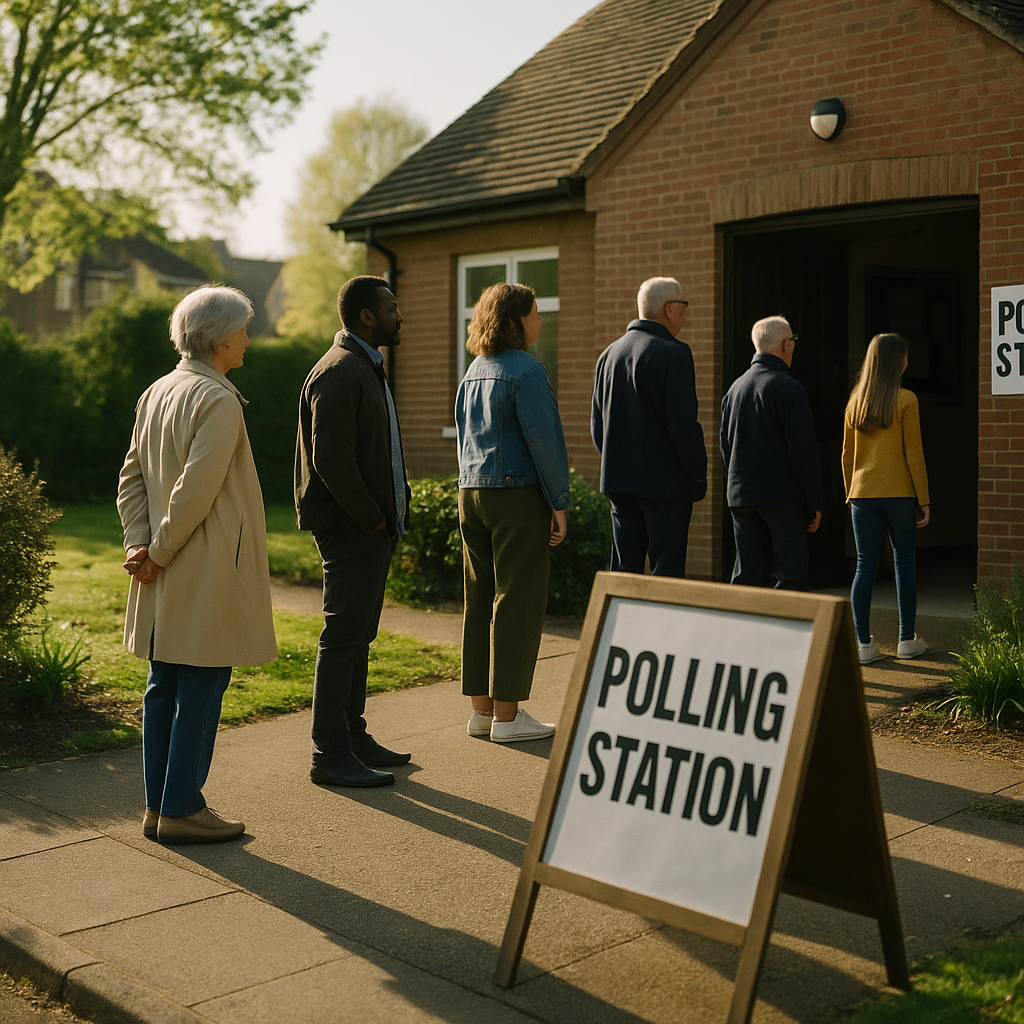
Which Areas Are Holding Local Elections in 2026?
Not every part of the country votes at the same time. In England, council elections follow a rolling cycle, meaning some areas elect all their councillors at once while others elect by thirds, returning a portion of seats each year. This year sees a significant number of metropolitan boroughs, district councils, and unitary authorities going to the polls, with several mayoral contests also on the ballot in combined authority regions.
Scotland and Wales hold their local government elections on separate cycles, so residents there should check with their local council to confirm whether they are voting this year. Northern Ireland operates under its own distinct local government framework as well. The easiest way to confirm your position is to visit your council’s official website or use the Electoral Commission’s postcode checker, which is straightforward and takes less than a minute.
Who Is Standing and What Do the Parties Actually Offer?
Across the country, candidates from all major parties, including Labour, the Conservatives, the Liberal Democrats, Reform UK, and the Green Party, are fielding representatives in council wards. In many areas, independent candidates with strong local roots are also standing, and in some communities they have historically outperformed the national parties.
It is worth taking time to look at the specific candidates standing in your ward rather than simply voting along national party lines. Local manifestos and candidate leaflets often reveal very different priorities from national policy positions. A Conservative candidate in a rural shire district may be campaigning on very different issues to one standing in an inner-city ward, and the same is true across all parties. Attend a hustings if one is organised locally, and look out for candidates’ social media activity, which often gives a clearer picture of their priorities than a printed leaflet.
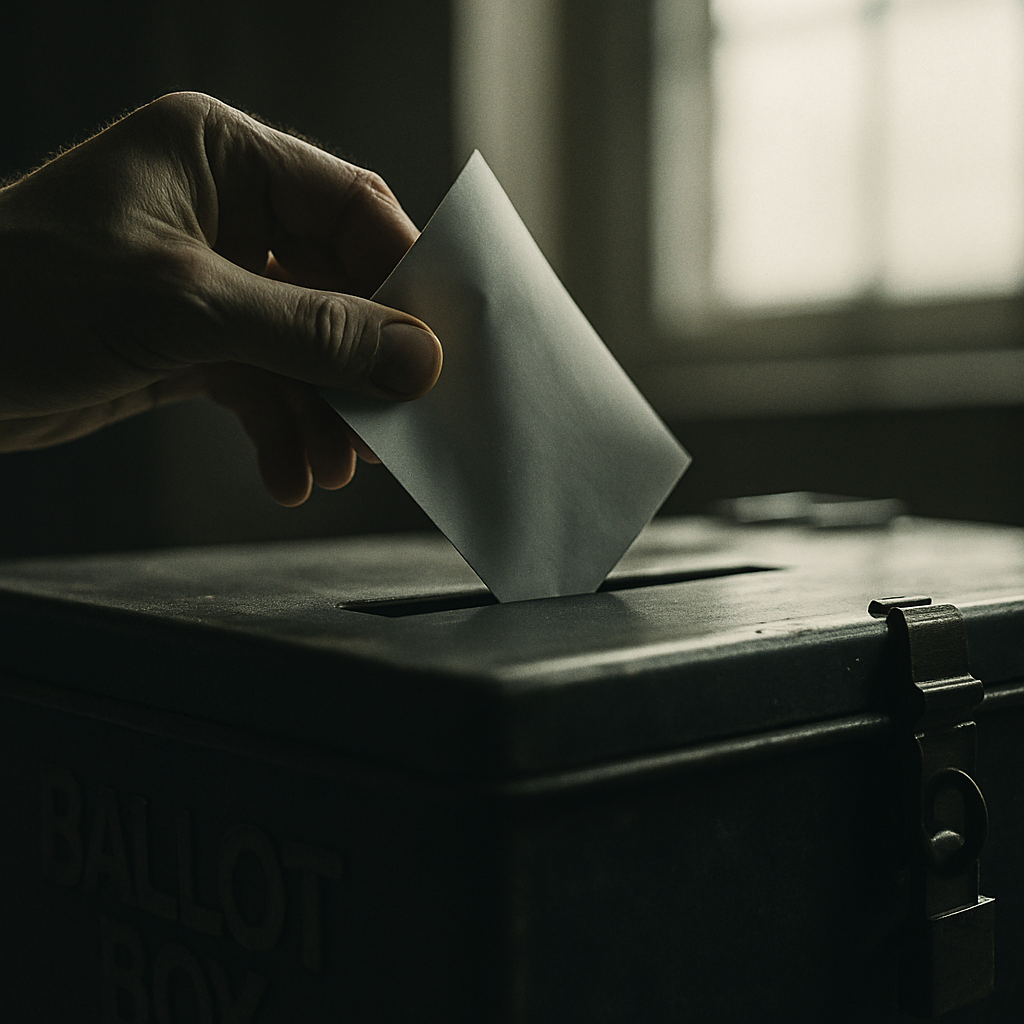
What Do Local Councils Actually Control?
This is where many residents are genuinely surprised. Local councils hold considerable power over a broad range of services that touch everyday life. Highways maintenance, refuse collection, local planning decisions, housing allocation, social care for adults and children, libraries, parks, environmental health, and licensing are all within the remit of your local authority. The exact services depend on whether your area is covered by a district and county two-tier system or a single unitary authority, but the principle remains the same: councils are not simply administrators. They are decision-makers with real budgets and real consequences.
Council budgets have come under sustained pressure over recent years, and many authorities are making difficult choices about which services to prioritise. Electing councillors who are genuinely engaged with local needs, rather than those following a party whip with little connection to the ward, can make a tangible difference to how those decisions land.
It is also worth noting that councils oversee local licensing decisions. If you have ever wondered why a new takeaway opened on your high street or why a late-night venue was granted extended hours, those decisions passed through a council licensing committee. Similarly, if your street has seen a rise in antisocial behaviour, local councillors can push for greater police community support officer presence through their community safety partnerships. For residents thinking about broader neighbourhood safety, from Car Security to street lighting improvements, local councillors are often the first point of contact for escalating community concerns to the right bodies.
Why Turnout in Local Elections Is So Low, and Why That Needs to Change
Turnout in English local elections typically hovers between 30 and 40 per cent, which means councillors are often elected by a relatively small slice of the electorate. In closely contested wards, margins of victory can come down to dozens of votes. This is not a theoretical point. In several seats across the country in recent cycles, recounts have determined the winner. Every vote genuinely counts in a way that rarely applies to safer parliamentary constituencies.
Low turnout also skews representation. Older residents and homeowners tend to vote in local elections at higher rates than younger people and renters, which can influence which issues councils prioritise. If you have strong feelings about housing affordability, the local bus network, or the quality of youth services in your area, voting is the most direct way to make those priorities visible to the people making decisions.
How to Make Sure Your Vote Counts
Voter ID requirements introduced in recent years remain in place for the 2026 local elections. You will need to bring an accepted form of photo identification to your polling station. Accepted documents include a UK passport, a driving licence, a Blue Badge, and several others. If you do not have any of the accepted forms of ID, you can apply for a free Voter Authority Certificate through your local council before the deadline, which typically falls around two weeks before polling day.
Postal votes remain available for those who prefer them, and the application process can be completed online in most areas. Polling stations are open from 7am to 10pm on election day, giving most working residents a reasonable window to cast their ballot before or after work.
The 2026 local elections offer every resident a genuine chance to influence the decisions that shape their street, their neighbourhood, and their services. Treating it as an inconvenience or assuming your vote does not matter misses the point entirely. The councils being elected this year will be making decisions with real consequences for the next four years. The candidates who stand before you in your ward leaflet are not distant politicians. They are, in many cases, your neighbours. Holding them to account starts at the ballot box.
Frequently Asked Questions
When are the 2026 local elections taking place?
Most 2026 local elections in England are scheduled for May, in line with the traditional first Thursday in May polling date. Exact dates can vary slightly by region, so it is best to confirm with your local council or the Electoral Commission website for your specific area.
Do I need ID to vote in the 2026 local elections?
Yes, voter ID requirements are in place for the 2026 local elections. You must bring an accepted form of photo identification to your polling station, such as a UK passport or driving licence. If you do not have a qualifying document, you can apply for a free Voter Authority Certificate through your local council before the registration deadline.
What decisions do local councils actually make?
Local councils make decisions covering a wide range of everyday services including roads and highways, rubbish collection, local planning applications, housing allocation, social care, libraries, parks, and licensing. The exact powers depend on whether your area has a district and county structure or a unitary authority, but in either case councillors have a direct say over significant budgets and services.
How do I find out who is standing in my ward?
Your local council’s website will publish the full list of candidates once nominations have closed, usually several weeks before polling day. You can also use the Electoral Commission’s postcode tool to find your ward and check who is standing. Local newspapers and community social media groups are also useful sources of candidate information.
Does my vote really make a difference in a local election?
Yes, significantly so. Local election results are frequently decided by very small margins, sometimes just a few dozen votes in a ward. Turnout in local elections is consistently lower than in general elections, which means each individual vote carries proportionally more weight. Voting in local elections is one of the most direct ways residents can influence decisions that affect their day-to-day life.
Leave a Reply