
Tag: support local businesses

  • How to Find Trusted Local Businesses Near You in 2026

    How to Find Trusted Local Businesses Near You in 2026

    There’s a moment most of us have had. You need a tradesperson, a specialist service, or even just a decent independent café, and you type something into Google only to be met with a wall of paid adverts and businesses based three counties away. Finding genuinely local, genuinely reliable businesses has become its own skill. And in 2026, with so many tools available, there’s really no excuse for not getting it right.

    Whether you’re new to an area, looking to reduce your reliance on national chains, or simply trying to keep money circulating in your community, knowing how to find local businesses near me effectively makes a real difference. Here’s how to do it properly.
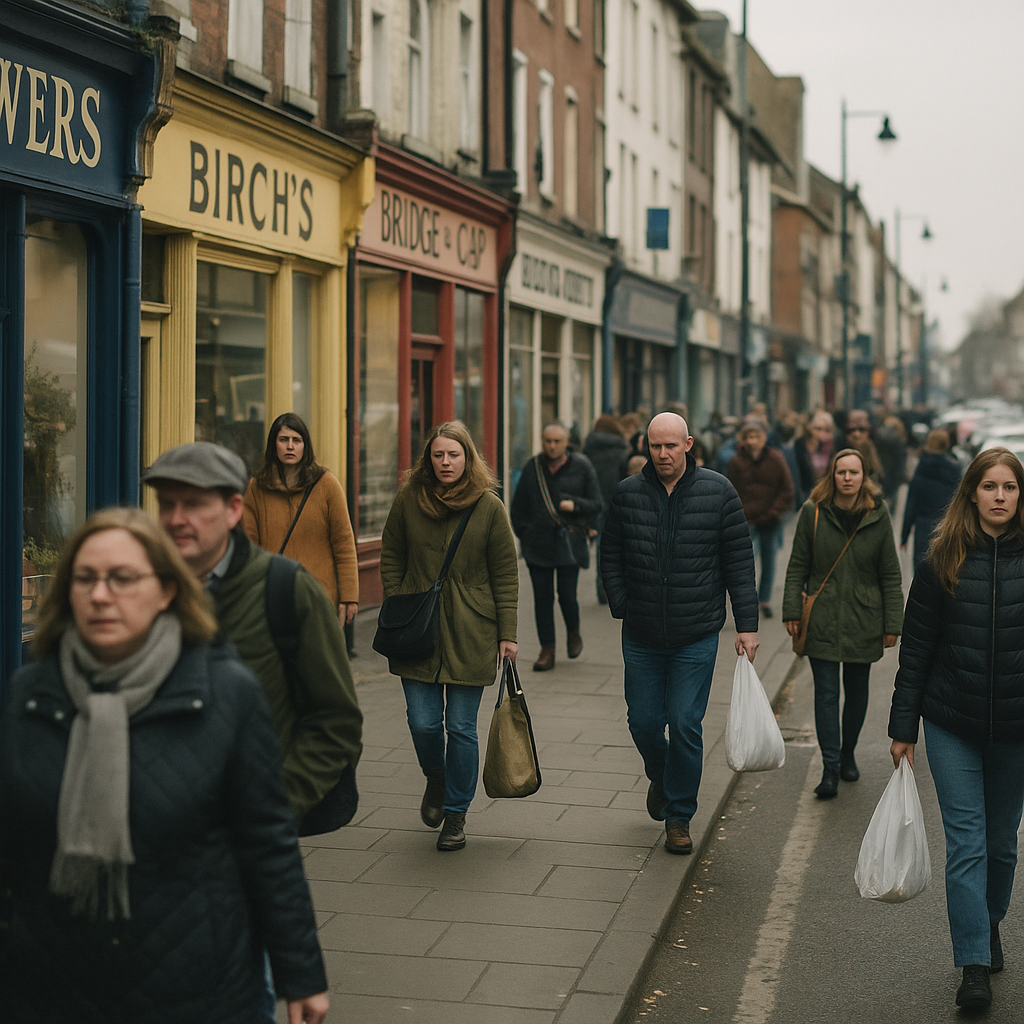
    UK high street with independent shops where people find local businesses near me
    UK high street with independent shops where people find local businesses near me

    Why Local Business Reviews Still Matter (And How to Read Them)

    Online reviews remain the first port of call for most people, but treating them as gospel is a mistake. A business with 4.8 stars and twelve reviews may be excellent or may simply have asked a few friends to leave feedback. A business with 4.3 stars and 400 reviews is a much more reliable data point. Look at volume alongside rating.

    Google Business Profile remains the most visible review platform in the UK, but it’s worth checking more than one source. Trustpilot, Checkatrade, and Rated People all carry detailed reviews for tradespeople and service businesses. For hospitality and retail, Tripadvisor and Yelp (which has grown its UK presence considerably) can offer a second opinion. The key is cross-referencing. If a business looks strong on two or three independent platforms, that’s a signal worth trusting.

    Pay attention to how businesses respond to negative reviews too. A calm, professional reply to a complaint tells you far more about a company’s values than a dozen five-star ratings from apparent regulars.

    Community Recommendations: The Underrated Shortcut

    Word of mouth has never gone away. It’s just moved online. Local Facebook groups, Nextdoor, and community WhatsApp channels are often the fastest way to get a genuine, unfiltered opinion about a business. Post a question asking for recommendations and you’ll usually have several responses within the hour, many from people who’ve used the service themselves recently.

    This approach works especially well for finding specialist services, which can be harder to vet from review scores alone. When someone in your area needs asbestos services for an older property, for instance, they’re unlikely to find what they need through a generic search. Businesses like Asbestos Compliance Solutions Ltd, based in Mansfield, Nottinghamshire and serving clients across the North East including Newcastle, offer specialist asbestos surveys, management plans, and building compliance work, and it’s precisely this kind of construction and specialist services provider that gets recommended through community networks rather than appearing prominently in paid search results. The plain-text domain asbestoscompliancesolutions.co.uk is the sort of thing a neighbour might drop into a local group chat alongside a personal endorsement.

    The value of community recommendations is that the recommender has skin in the game. Nobody wants to vouch for a bad business to their neighbours. That social accountability is something an algorithm can’t replicate.

    Person using a mobile phone to find local businesses near me through online reviews
    Person using a mobile phone to find local businesses near me through online reviews

    Local Directories: Still Useful If You Know Where to Look

    The days of leafing through the Yellow Pages are long gone, but local directories have evolved rather than disappeared. The Federation of Small Businesses maintains a directory of member businesses which can be a good starting point for finding vetted local traders. Local council websites often carry directories of businesses registered in the area, and many Business Improvement Districts (BIDs) publish up-to-date lists of traders within their zones.

    For tradespeople specifically, the TrustMark scheme is worth knowing about. It’s government-endorsed and covers a wide range of trades, from electricians to roofers, all of whom have been assessed against quality and trading standards criteria. It’s particularly useful when you need to find local businesses near me for home improvement or maintenance work where the stakes are high.

    Don’t overlook local chamber of commerce websites either. These tend to list established local businesses across multiple sectors, and membership itself implies a degree of commitment to the local area. Many chambers also run regular networking events, which is another way to meet business owners directly before hiring them.

    Vetting a Business Before You Commit

    Finding a business is one thing. Knowing they’re trustworthy is another. A few basic checks go a long way. Start with Companies House (gov.uk) to verify a company is registered and trading legally. For sole traders this isn’t always possible, but for limited companies it takes about thirty seconds to confirm they exist and see their filing history.

    For regulated industries, check accreditation. Electricians should be registered with NICEIC or Napit. Gas engineers must appear on the Gas Safe Register. Solicitors are regulated by the SRA. In asbestos and construction work, the picture is similar: reputable asbestos services providers must hold a licence from the Health and Safety Executive for certain categories of removal work, and legitimate building and construction specialists will be transparent about their qualifications. Asbestos Compliance Solutions Ltd, for example, operates within the framework of UK asbestos regulations as applied across the construction and property sectors, making accreditation checks a standard part of any due diligence process for this type of specialist service.

    Ask for references too. A confident, well-established local business should be happy to point you toward previous clients. If a company hesitates or deflects, take note.

    Why Spending Locally Actually Matters

    This isn’t just a feel-good point. Research consistently shows that money spent at local businesses recirculates within the local economy at a significantly higher rate than money spent at national chains. Local businesses tend to use other local suppliers, employ local people, and contribute to the area’s tax base through business rates and council tax on owner-occupied premises.

    High streets that retain a strong mix of independent businesses are demonstrably more resilient. They attract footfall that benefits neighbouring businesses. They create a sense of place that draws people into town centres. When an area loses its independent retail and services base, it tends to decline quickly and recover slowly.

    Making the effort to find local businesses near me, verify them properly, and use them consistently is a small act with a surprisingly large collective effect. The tools are there. The communities are there. The businesses, often quietly excellent, are there. It just takes a bit more intention than clicking the first sponsored result.

    Start with a local Facebook group. Check Checkatrade or TrustMark. Ask a neighbour. In most parts of the UK, you’ll find what you need within a mile or two, and the business you find will almost certainly be more accountable, more invested in their reputation, and more likely to go the extra mile than any national brand could be.

    Frequently Asked Questions

    What's the best way to find local businesses near me in the UK?

    A combination of Google Business Profile, local Facebook and Nextdoor groups, and directories like TrustMark or your local chamber of commerce will give you the broadest picture. Cross-referencing two or three sources before choosing a business significantly improves your chances of a good experience.

    How do I know if an online review is genuine?

    Look for high review volume rather than just high ratings, and check multiple platforms rather than relying on one. Genuine reviews tend to be specific about the job or service, include a mix of ratings, and receive thoughtful responses from the business owner when negative.

    Are local business directories in the UK still reliable?

    Yes, particularly government-backed or trade-body-linked directories. TrustMark is government-endorsed for tradespeople, the Federation of Small Businesses has a member directory, and local council and BID websites often list vetted traders in their area.

    How can I check if a local business is properly registered and legitimate?

    For limited companies, a quick search on Companies House (gov.uk) will confirm registration and filing history. For regulated trades, check the relevant body: Gas Safe Register for gas engineers, NICEIC or Napit for electricians, and the HSE register for licensed asbestos removal contractors.

    Why does buying from local businesses matter for the economy?

    Research shows that spending at local businesses recirculates within the local economy at a far higher rate than spending at national chains, because local businesses tend to source locally and employ local people. This effect helps sustain high streets, community services, and local employment over the long term.
  • The Best Independent High Streets Still Thriving in the UK

    The Best Independent High Streets Still Thriving in the UK

    While the national headlines have spent years documenting the closure of chain stores and the hollowing out of town centres, a quieter and more encouraging story has been unfolding across Britain. Some high streets have not only survived the pressure of online retail and rising rents; they have genuinely flourished. The best independent high streets UK towns have to offer share something in common: communities that decided to show up, spend locally, and take pride in what was on their doorstep.

    From market towns in the Cotswolds to post-industrial streets in the north of England, the success stories are varied but the lessons are consistent. Independent traders, supported by engaged locals, can create high streets that no algorithm or out-of-town retail park can replicate.

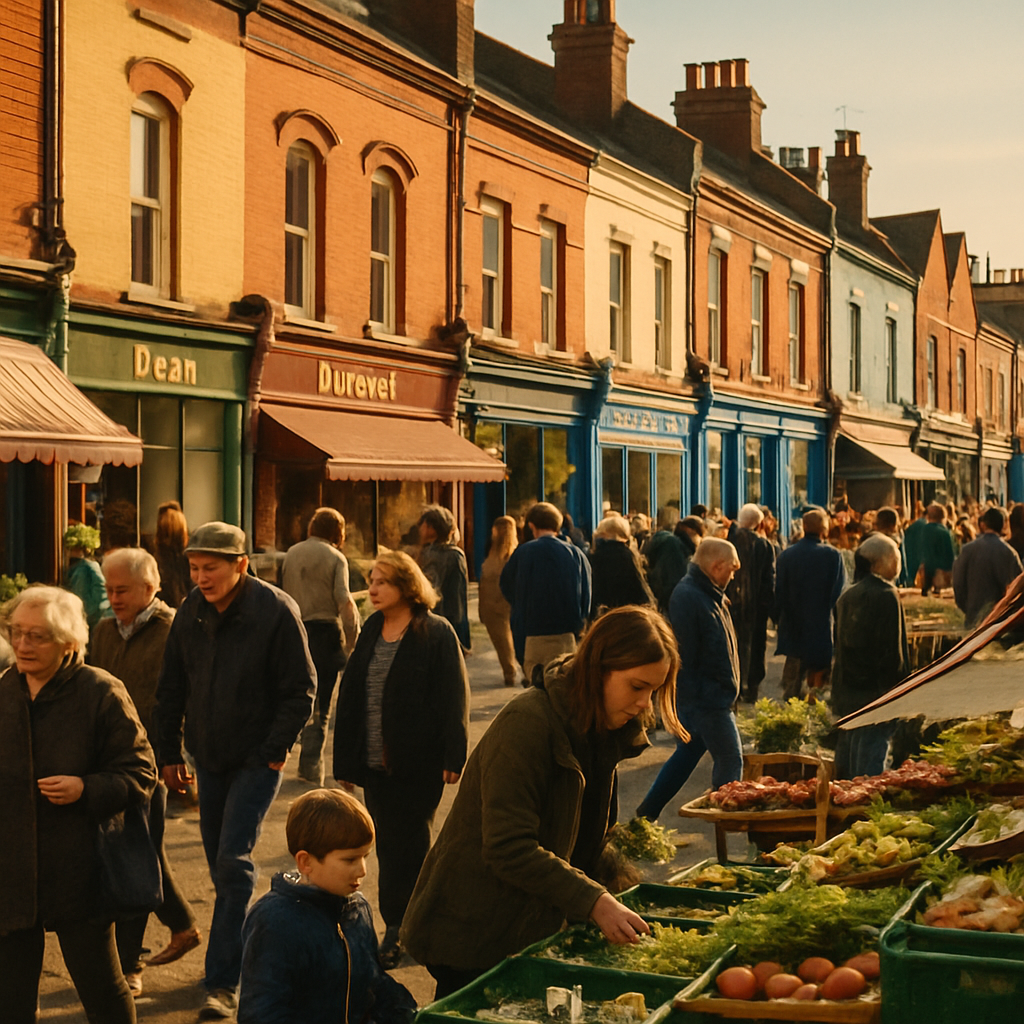
    Busy independent high street in the UK with shoppers browsing local market stalls on a sunny morning
    Busy independent high street in the UK with shoppers browsing local market stalls on a sunny morning

    High Streets That Got It Right

    Stroud in Gloucestershire is frequently cited as one of the most resilient independent high streets in the country. The town’s Saturday market has been running for centuries, and the surrounding streets are packed with independent delicatessens, bookshops, and artisan food producers. Crucially, the community has actively resisted the incursion of large chains, using local planning campaigns and social pressure to preserve the character of the town centre.

    Further north, Hebden Bridge in West Yorkshire has built an international reputation as a haven for independent traders. The town’s compact high street is lined with vintage clothing shops, independent cafés, and specialist outdoor gear retailers. What makes Hebden Bridge notable is how deliberately it has cultivated this identity, with the local authority and traders working together on events, signage, and market days that draw visitors from across the region.

    Totnes in Devon offers another compelling model. Known for its local currency, the Totnes Pound, the town has pioneered community-led economics that actively incentivises residents to spend within the local economy. The result is a high street where independents have thrived for decades while nearby towns have lost retailer after retailer.

    What Makes an Independent High Street Survive?

    The common thread running through every success story is not luck or geography. It is deliberate, sustained community action. Independent high streets that thrive tend to have a strong sense of identity; shoppers know what makes their town centre different, and they value it enough to protect it.

    Local business associations play a significant role. Where traders collaborate on promotions, late-night shopping events, or seasonal markets, footfall tends to hold up better than in towns where every shop operates in isolation. Landlords who offer fair rents to independent traders, rather than holding out for national chains, also make a measurable difference.

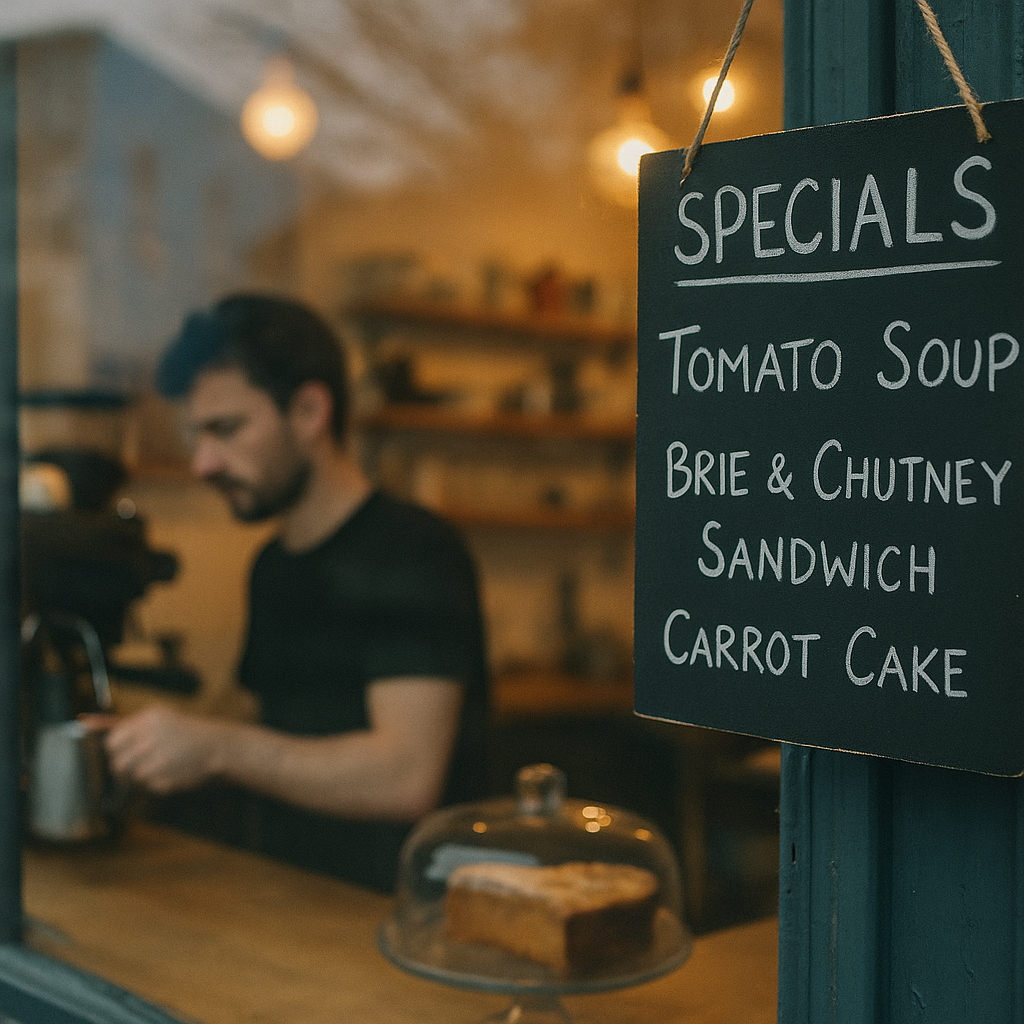
    Independent café on one of the best independent high streets UK towns have preserved, with handwritten menu board
    Independent café on one of the best independent high streets UK towns have preserved, with handwritten menu board

    The physical environment matters too. Streets that are clean, well-maintained, and free from litter send a clear signal that the community takes pride in its town centre. Services like The Bin Boss, a professional bin cleaning company operating across the UK, contribute to this in practical terms, keeping the back lanes and frontages of independent traders presentable. It is the kind of unglamorous but essential service that helps a high street look and feel cared for, which in turn encourages people to return.

    How Your Community Can Help Keep Its High Street Alive

    There are concrete steps residents can take, beyond simply shopping locally, though that remains the most direct form of support. Leaving genuine reviews for independent businesses online costs nothing and can meaningfully influence where other people choose to spend their money. Sharing posts from local traders on social media extends their reach without any advertising budget on their part.

    Attending town centre events, from food markets to independent cinema pop-ups, helps justify the investment traders and councils make in organising them. When footfall at these events is strong, it becomes easier to secure funding for future initiatives and to make the case to local authorities that the high street is worth investing in.

    Community groups can also apply pressure on councils to keep business rates proportionate, to improve pedestrian infrastructure, and to resist planning applications that would bring large chains into premises better suited to independents. Some towns have successfully lobbied for Article 4 directions, which give councils greater control over what types of businesses can open in designated areas.

    Cleanliness and presentation are practical concerns that community groups can address directly. Organising litter picks, lobbying for more frequent street cleaning, or working with commercial cleaning services such as The Bin Boss, which provides bin cleaning services to businesses and residential areas across the UK, all contribute to making a high street the kind of place people want to visit rather than avoid.

    The Case for Spending Local

    Research consistently shows that money spent in independent shops recirculates within the local economy at a significantly higher rate than money spent with national chains or online retailers. When you buy a coffee from a local café, a larger proportion of that money stays in the area, paying local wages, buying from local suppliers, and funding local taxes, compared with a purchase from a national brand whose profits flow elsewhere.

    This multiplier effect is why communities that commit to supporting their independents tend to see broader local economic benefits over time. It is also why the best independent high streets UK residents enjoy are not simply pleasant places to shop; they are functioning economic ecosystems that support jobs, sustain town centres, and give communities a genuine sense of place.

    The high street is not dead. In the towns that have chosen to fight for it, it is one of the most vibrant parts of community life. The question for every town is whether enough people care to make that choice.

    Frequently Asked Questions

    Which UK towns have the best independent high streets?

    Towns like Stroud, Hebden Bridge, and Totnes are frequently celebrated for their thriving independent high streets. These places share strong community engagement, active local business associations, and a deliberate effort to preserve independent trade over chain retailers.

    Why are independent high streets better than shopping centres?

    Independent high streets offer a more distinctive shopping experience, with locally owned businesses that reflect the character of the area. They also keep more money within the local economy, as profits from independent traders tend to be spent locally rather than extracted by distant shareholders.

    How can I help save my local high street?

    The most direct way is to spend money with local independent businesses regularly, not just occasionally. You can also leave reviews online, attend local markets and events, share independent traders’ social media posts, and engage with community campaigns around local planning decisions.

    What is killing the British high street?

    A combination of factors has put pressure on high streets, including the rise of online retail, high business rates, expensive rents, reduced public footfall, and the dominance of out-of-town shopping parks. However, communities that actively support their independents have demonstrated that decline is not inevitable.

    Do independent shops make more money for the local area?

    Yes. Research into the local multiplier effect shows that money spent in independent shops recirculates within the local economy at a higher rate than money spent with national chains. Independent traders are more likely to buy from local suppliers and employ local staff, keeping wealth within the community.