

A new craft night market is not a replacement for a weekly street market, and councils that treat it as one are fooling themselves. Market town decline in the UK is not just about fewer stalls. It is about losing a cheap, regular, everyday place to trade and to shop, and what is arriving in its place is often aimed at a different customer altogether.
The trade body for the sector, the National Association of British Market Authorities (NABMA), has spent years documenting the pressure on traditional markets. Its own figures and reports are the place to look for current numbers on market numbers, stall occupancy and trader ages, and I would rather send you there than quote a figure that may have moved. The direction of travel, though, is not in dispute: fewer traditional general markets, thinner stall lines, and more gaps on days that were once packed.
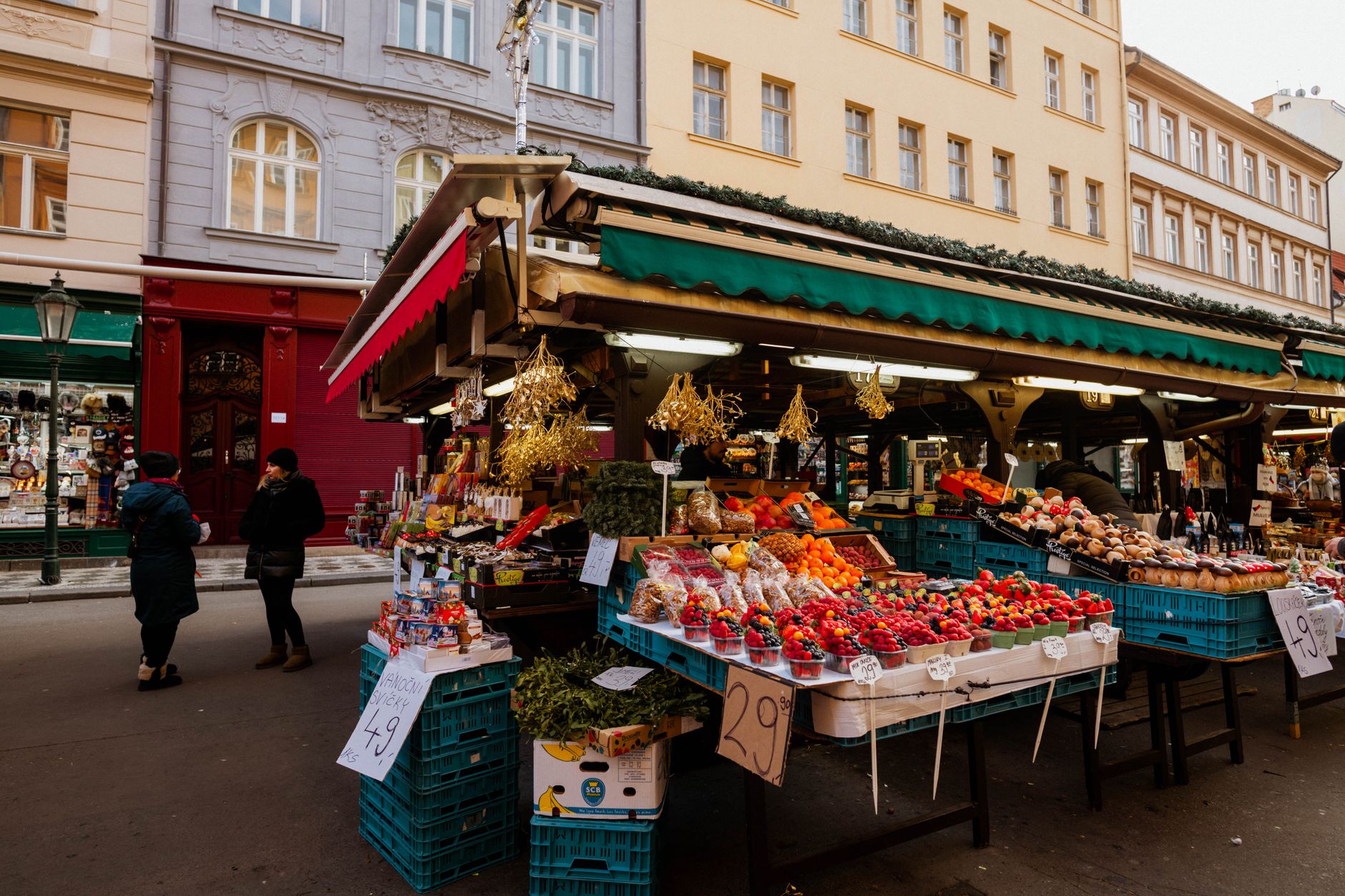
Why are UK traditional markets closing?
Traditional markets close because the people who run stalls cannot make a living and the people who run the markets cannot afford to subsidise them. Several pressures arrive together.
- Ageing traders. Many stallholders are close to retirement, and few younger people want early starts, heavy lifting and weather exposure for uncertain takings.
- Changing shopping habits. Supermarkets, online delivery and out-of-town retail parks have taken the weekly shop and much of the household goods trade.
- Council budgets. A market is a service that councils in England, Scotland and Wales are generally not required to provide. When budgets tighten, cleansing, staffing and pitch maintenance are easy lines to question.
- Costs for traders. Pitch fees, van costs, insurance and stock prices all bite, and a few quiet weeks in winter can finish a small operation.
- Footfall. When nearby shops close, fewer people come into town, which hurts the market as well.
Once a market drops below a certain number of stalls, it enters a spiral. Shoppers see gaps, go elsewhere, and the remaining traders lose takings. A market that has operated for centuries under a royal charter or ancient custom can fade within a few years.
What do towns lose when the market disappears?
A town that loses its weekly market loses a low-cost route into business, a source of cheap goods and a reason for people to meet. Each of those matters in a different way.
For traders, a market stall is one of the cheapest ways to start selling. There is no long lease, no shop fit-out and no business rates bill on a premises. Take away the pitch and a would-be fruit-and-veg seller, a haberdasher or a phone-case dealer has nowhere to test a business at all.
For shoppers, the loss falls hardest on those with the fewest options: older people without a car, households watching every pound, and anyone who buys loose produce or small quantities. A market offers goods you can see, touch and haggle over, in a town centre you can reach on a bus.
There is a social cost too. Markets are where regulars chat to traders and to each other. That sort of contact is hard to measure and easy to overlook until it has gone. If you want to understand how empty units compound the problem, our guide to reading high street vacancy rates explains what the local figures signal.
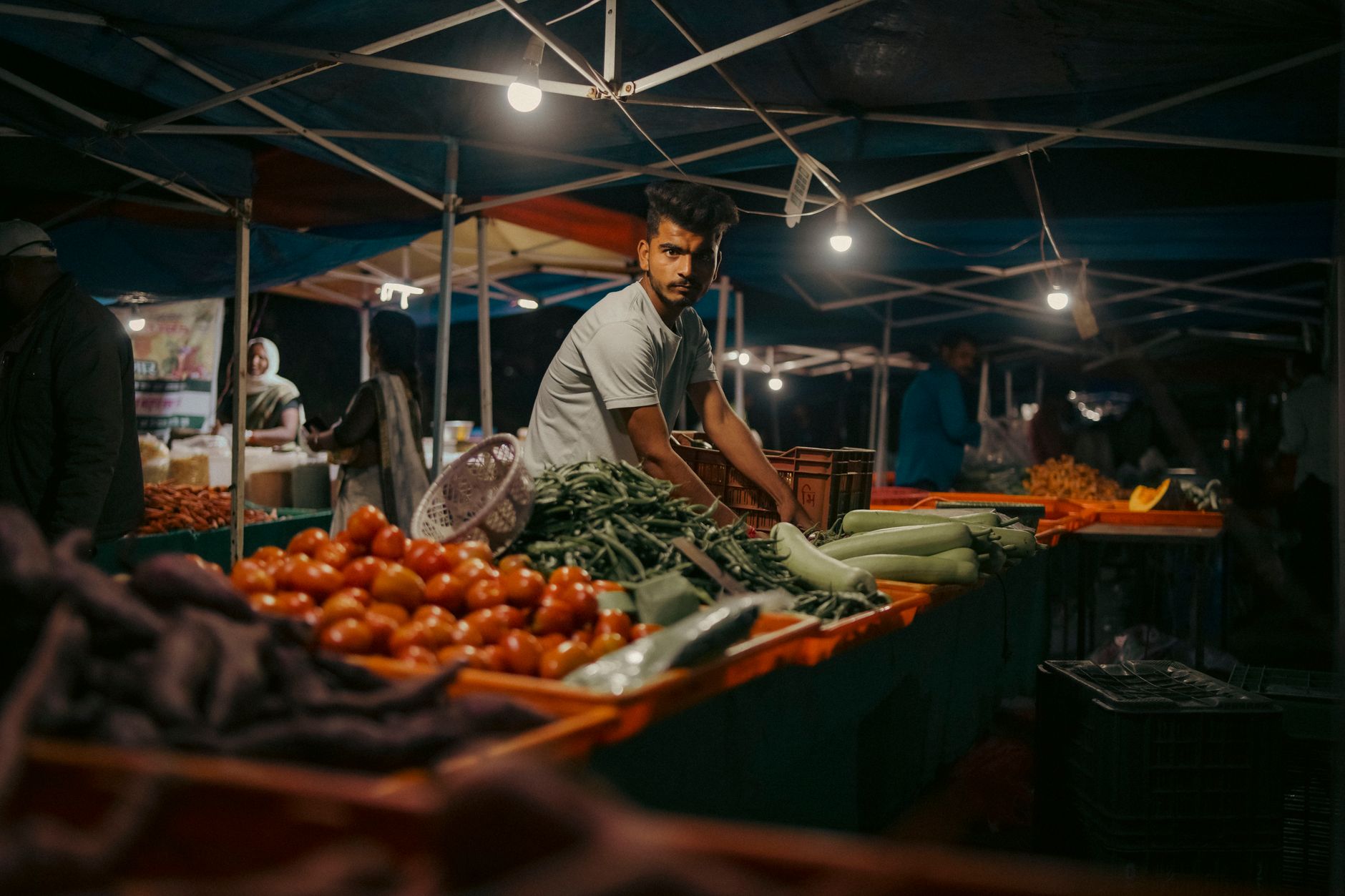
Are artisan and night markets a genuine replacement?
Artisan and night markets are a genuine addition to a town, but only a partial replacement for a traditional market. They work well for what they are. They rarely do the job the old market did.
The model is familiar: a monthly or seasonal event, often in the evening, with street food, craft stalls, small-batch drinks and music. They draw crowds, bring people into town after the shops have shut and give young makers a stage. Councils like them because they look good in photographs and support the night-time economy. If you live near one, it is worth knowing how council licensing for the night-time economy affects noise, hours and what you can object to.
The difference lies in who they serve. A £5 street-food box and a £30 handmade candle are not what someone needs on a Tuesday when buying socks, potatoes and a kettle element. Pitch fees at curated events are also often higher, and organisers choose traders for look and fit, which can shut out the long-standing stallholder selling everyday goods. Frequency matters as well: one night a month cannot replace a market that trades one, two or six days a week.
So the accusation that these events are a middle-class substitute has some force. It is not fair to every organiser, and many run affordable, inclusive events. But where a town swaps a weekly general market for an occasional upmarket one, it has changed who the town centre is for.
What would keep a market going?
The markets that survive tend to be those that adapt without dropping their core purpose. Several approaches are being tried across the country.
- Keep the everyday trade. Protect stalls selling food, household goods and clothing, and add specialist traders alongside them rather than instead of them.
- Lower the barrier. Offer trial pitches, reduced first-month fees and shared stalls so new traders can start cheaply.
- Use empty space. Some towns are moving markets into vacant units or covered halls. Our report on pop-up markets and meanwhile spaces looks at how that works.
- Run it for the town. Align market days with bus timetables, free parking periods and other events, so the market is part of a day out and not a separate trip.
- Handle licensing and management well. Whether council-run, run by a trust or outsourced, a market needs a manager with the time to recruit traders and promote the day.
What can you do as a shopper or resident?
The simplest thing is to spend money at the market, regularly, on things you would otherwise buy elsewhere. Traders judge a pitch by takings, and councils judge a market by the same measure. A town with a market that looks busy is a town that keeps it.
Beyond that, you can ask your council what its market strategy is, whether the market is subsidised and when its pitch fees were last reviewed. Local councillors respond to specific questions. If you want to see how markets and other community projects are filling empty buildings, our feature on empty shops turned community hubs shows some of the options.
For current national data on market numbers and trader trends, go to NABMA, and check your own council’s website for the market’s charter, pitch rules and trading days.
Frequently Asked Questions
What is NABMA?
NABMA is the National Association of British Market Authorities, the trade body for market operators and local authorities running markets in the UK. It publishes research, offers training and lobbies on behalf of the sector. Its reports are a good source for current figures on market numbers.
Do councils have to run a market?
No. In general, councils in England, Scotland and Wales have powers to hold markets but are not legally required to provide one. That makes markets vulnerable when budgets are cut, as they compete with statutory services for funding.
What is a market charter?
A market charter is a historic right, granted by the Crown or established by long custom, to hold a market in a particular place. Many market towns still hold these rights, which can limit rival markets nearby. They do not guarantee that a market will keep trading.
How do I become a market trader?
Contact the market manager at your local council or market operator and ask about pitch availability, fees and trial periods. You will usually need public liability insurance and, for food, registration with your local authority. Many markets let new traders start with a casual pitch.

Leave a Reply