

The most common mistake people make about shopping local is assuming it means spending more. It leads households watching their bills to write off independent shops before they have set foot in one, and it leaves high street traders short in the six weeks that can decide their year. You can shop local Christmas UK style and stay within budget. It takes a little planning, and it does not mean buying everything from the independents.
The aim here is practical: set a spending limit first, then decide which parts of it can go to local businesses.

Does shopping local at Christmas cost more?
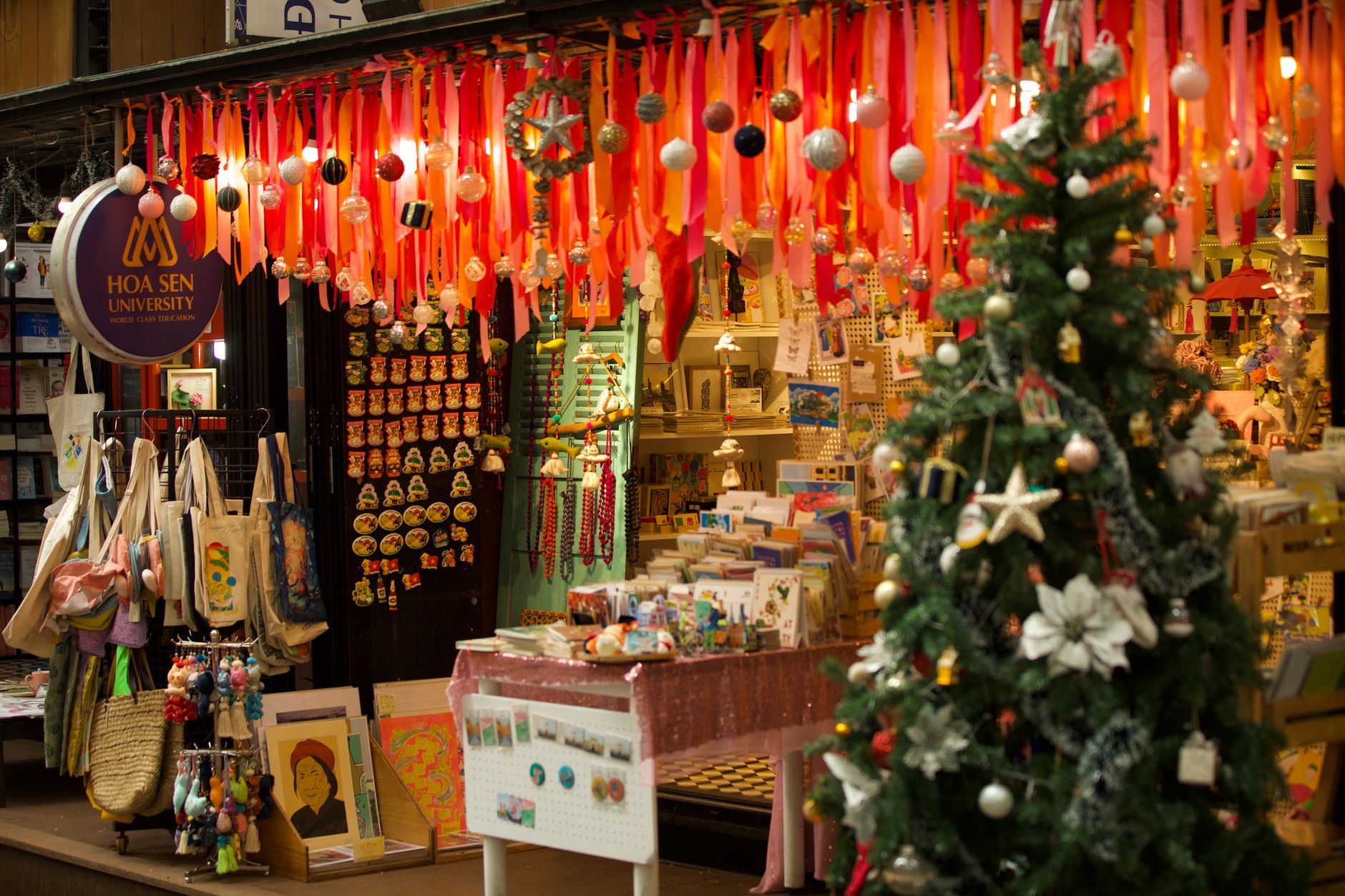
Not necessarily. Independent shops often cannot match supermarket or online prices on branded goods, but they tend to compete well on gifts where there is no like-for-like comparison: handmade items, local food, plants, books, cards and small homeware. A sensible approach is to buy local where you are choosing something personal, and keep big-brand purchases for wherever they are cheapest.
Set a ceiling per person before you go out. A £10 or £15 limit goes a long way in a farm shop, a bookshop or on a craft stall, and it stops browsing turning into overspending.
What is the cheapest way to shop local at Christmas?
The cheapest way is to swap a few gifts rather than your whole list. Pick the three or four people you find hardest to buy for and buy those gifts locally. A few options that tend to suit tight budgets:
- Consumables: chutney, chocolate, coffee, honey or a bottle from a local producer, often under £10.
- Second-hand books and records from independent sellers, which cost far less than new.
- Plants, bulbs and seeds from a local nursery or garden centre.
- Greetings cards and wrapping from independent card shops rather than multipacks.
- Homemade gifts using ingredients bought from the butcher, baker or greengrocer.
Our look at why independent record shops are thriving shows how much a specialist shop can offer in the way of low-cost, personal gifts.
Are Christmas markets and craft fairs good value?
They can be, if you treat them as a place to buy gifts rather than a day out. Many town centre and church hall markets are free to enter, and stallholders are often the makers themselves, so there is no retail mark-up chain. Go with cash or a set amount on your card, and walk the whole market before you buy anything.
Food and drink at the busiest markets can push up the cost of the trip, so eat beforehand and keep your spending for the stalls. Check your council or town centre pages for dates, as many markets run only on set weekends in December.
What is Small Business Saturday and does it save money?
Small Business Saturday is a UK campaign, held on the first Saturday of December, that encourages people to spend with small and independent businesses. Many shops and market organisers run offers or events around it, though the discounts vary by trader and it is not a guaranteed sale day. Check local social media pages and shop windows for what is on near you.
Even if you miss the day itself, it works as a prompt. Spend an hour on the high street that weekend and you can finish a good part of your list in one trip, which also saves on travel costs.
Are local gift cards worth buying?
Gift cards and vouchers from independents are worth buying for the right recipient, such as a café, restaurant, hairdresser or bookshop they already use. They give the business cash now, during a quiet trading period, and let the recipient choose. The risk is that a card goes unused or the business closes, so it is safer to choose a long-established trader and ask whether the voucher has an expiry date.
For restaurants and cafés, see our guide on how to support local dining.
How do you find local shops worth visiting?
Finding independent traders is easier than it was, but it still takes some digging. Walk your high street rather than relying on search results, as many small shops have little online presence. Local Facebook groups, noticeboards and council market pages are also useful.
For businesses that do have a website, directories help. Free Link Directory (freelinkdirectory.co.uk), a United Kingdom directory where small businesses can list their websites for free, is one example of a place to look when you want to find a local business online rather than default to a big retailer. Shoppers who would rather search by what they need than wander round town can find it a handy starting point.
Is it worth shopping local if you can only spend a little?
Yes, because small amounts add up across a town. Independent traders rely heavily on December sales, and money spent in local shops tends to stay closer to the community than money spent online. Our piece on independent high streets and online shopping sets out why that matters.
You do not need to give up bargains. Keep the big purchases where they are cheapest, and use the local spend for the things where a personal touch counts.
Other ways to support local without spending
If money is very tight, you can still help traders. Leave a good review, follow and share their social media posts, tell friends about a shop you like, and return in January, when trade is often at its weakest. Those actions cost nothing and carry real weight for a small business.
Many town centres are also using empty units for pop-up shops and markets, covered in our report on meanwhile spaces, so look out for temporary traders near you before December ends.
A workable plan is simple: set your budget this weekend, choose three or four gifts to buy locally, and note the dates of your nearest market. For wider help with winter bills, you can check what support is available at GOV.UK.




Leave a Reply