Category: Home Improvements

  • Understanding Local Planning Permission: A Plain-English Guide for UK Homeowners

    Understanding Local Planning Permission: A Plain-English Guide for UK Homeowners

    If you’ve ever looked at your back garden and thought about adding a kitchen extension, converting your loft, or even building a modest outbuilding, you’ve probably asked yourself the same question pretty quickly: do I need planning permission for this? For many local planning permission UK homeowners face is one of the most confusing parts of any building project. The rules aren’t always obvious, the jargon is considerable, and the consequences of getting it wrong can be costly.

    This guide cuts through the bureaucratic fog. Whether you’re eyeing a single-storey rear extension in a terraced house in Salford or planning a full loft conversion in a semi-detached in Exeter, here’s what you actually need to know.

    Scaffolding on a UK terraced house during an extension project, illustrating local planning permission for UK homeowners
    Scaffolding on a UK terraced house during an extension project, illustrating local planning permission for UK homeowners

    What Is Planning Permission and When Do You Need It?

    Planning permission is formal approval from your local planning authority (LPA), typically your district or borough council, to carry out certain types of building work. Not every project needs it. England, Scotland, Wales, and Northern Ireland each operate slightly different systems, so if you’re outside England, always check the devolved rules first.

    In England, a significant amount of common home improvement work falls under what’s known as permitted development rights. These are pre-approved categories of work that don’t require a full application, provided your project stays within set limits. A single-storey rear extension, for example, can extend up to 4 metres on a detached house (or 3 metres on any other) under permitted development, as long as it doesn’t exceed the original roof height or cover more than half the garden area.

    However, permitted development rights can be removed. If you live in a conservation area, a National Park, an Area of Outstanding Natural Beauty, or in a property covered by an Article 4 Direction, your permitted development rights may be restricted or removed entirely. Listed buildings require listed building consent for almost any structural work, full stop.

    Common Projects and Whether They Typically Need Permission

    Let’s be direct about the most common scenarios:

    • Single-storey rear extensions: Often permitted development within size limits. Check the specific measurements for your property type.
    • Loft conversions: Usually permitted development if you’re adding less than 40 cubic metres on a terraced house (50 cubic metres on a detached or semi-detached), and the roof doesn’t extend beyond the existing ridge line.
    • Garage conversions: Generally do not require planning permission if the work is internal, though building regulations will still apply.
    • New builds and self-builds: Almost always require full planning permission. This is non-negotiable.
    • Outbuildings and sheds: Permitted development for buildings under a certain height and footprint, but not if they sit forward of the principal elevation or in a conservation area.
    • Side extensions and two-storey extensions: Far more likely to require full planning permission, particularly if they extend beyond the side elevation of the original house.
    Architectural plans for a home extension showing the local planning permission application process for UK homeowners
    Architectural plans for a home extension showing the local planning permission application process for UK homeowners

    How to Apply for Local Planning Permission

    If your project does require permission, the process runs through the Planning Portal (planningportal.co.uk), which is the government-backed gateway for submitting applications in England and Wales. Most LPAs now require digital submissions, though some still accept paper forms for minor applications.

    Here’s the basic sequence:

    1. Check your local plan. Your council’s local development plan sets out what types of development are encouraged or restricted in your area. It’s publicly available on your council’s website.
    2. Consider a pre-application consultation. Many councils offer a paid pre-application advice service. It costs money (typically £50 to £200 for a householder enquiry) but can save considerable time and stress by flagging problems before a formal application.
    3. Prepare your documents. A standard householder application requires existing and proposed floor plans, site plans, elevation drawings, and a completed application form. Complex projects may need a design and access statement.
    4. Pay the fee. As of 2026, a householder application in England costs £258. New build applications are calculated per dwelling.
    5. Wait for a decision. The statutory target is eight weeks for householder applications, thirteen weeks for larger projects. Many LPAs are currently under significant pressure on staffing, so delays are common.

    You can track application progress through your council’s public planning register. Neighbours are notified and can submit comments, as can local parish councils and statutory consultees such as Highways England or Natural England depending on the nature of the work.

    What Happens If You Build Without Permission?

    Building without the necessary permission is a serious risk. Your local authority can issue an enforcement notice requiring you to undo the work at your own expense. There’s a four-year time limit for enforcement action on most operational development (meaning if the building has stood for four years without challenge, the council’s enforcement powers lapse), but this is not a loophole worth gambling on. Mortgage lenders and conveyancers will spot missing permissions when you come to sell, and retrospective applications are not guaranteed to succeed.

    For full guidance on enforcement and appeals, the Planning Inspectorate’s official guidance is available at gov.uk/guidance/appeals.

    Where Timber, Joinery, and Construction Materials Fit In

    Once permission is granted, the real work begins, and that’s where the quality of your materials and craftsmanship becomes central. Extensions, new builds, and loft conversions all involve substantial timber framing, joinery work, and bespoke fitting. Carpenters and joiners working on house building projects need reliable, high-quality machinery to produce the structural timbers, staircases, window frames, and fitted furniture that modern construction demands. Based in Newark, Nottinghamshire, International Woodworking Machinery Ltd supplies professional woodworking machinery to carpenters, joiners, and construction firms across the UK, with over 50 years of experience in the trade. Their catalogue at iwmachines.co.uk covers everything from panel saws to spindle moulders, the kind of equipment that sits at the heart of serious joinery workshops supporting the house building sector.

    It’s worth noting that the surge in home improvement projects and new builds in recent years has created real pressure on the supply chain for quality joinery work. Tradespeople involved in loft conversions and extensions increasingly rely on well-maintained, professional-grade woodworking machinery to turn around complex carpentry jobs efficiently. International Woodworking Machinery Ltd has built its reputation precisely by supplying that kind of dependable equipment to construction professionals who can’t afford downtime on a live build site.

    Tips for Getting Your Application Right First Time

    A rejected application costs you time and money, and goes on the public record. A few practical steps improve your chances considerably:

    • Use a planning consultant or architect for anything beyond a straightforward rear extension. Their fee pays for itself if it prevents a rejection.
    • Talk to your neighbours before submitting. Objections from neighbours carry weight. A simple conversation often prevents formal complaints.
    • Check the National Planning Policy Framework (NPPF). This is the overarching document that councils must follow when making decisions. Understanding its language helps you frame your application positively.
    • Be honest about your drawings. Inaccurate plans are the single most common reason for delay or rejection.
    • Consider a Certificate of Lawful Development if you believe your project is permitted development. This isn’t planning permission, but it’s formal confirmation that you don’t need it, which protects you at sale.

    Local planning permission for UK homeowners doesn’t have to be the headache it’s often made out to be. The system has its quirks and its slow patches, but it exists for good reason: to maintain the character of neighbourhoods and protect the interests of everyone living in them. Get the foundations right, and the rest of your project stands a far better chance of going to plan.

    Frequently Asked Questions

    How do I know if my extension needs planning permission in the UK?

    Check whether your project falls within permitted development rights, which allow certain extensions and conversions without a full application. Use the Planning Portal’s interactive guidance tool at planningportal.co.uk to check size limits and restrictions for your specific property type and location.

    How much does a planning permission application cost in England?

    A standard householder application in England costs £258 as of 2026. Larger projects, such as new builds, are priced per dwelling. Some councils also charge for pre-application advice, typically between £50 and £200 for a householder enquiry.

    How long does the local planning permission process take?

    The statutory target for a householder application decision is eight weeks. More complex applications involving larger developments have a thirteen-week target. In practice, many councils are currently experiencing delays due to staffing pressures, so build extra time into your project timeline.

    What is a Certificate of Lawful Development and do I need one?

    A Certificate of Lawful Development (CLD) is formal confirmation from your council that your proposed project is lawful under permitted development rules and doesn’t require planning permission. It’s not compulsory, but it’s strongly advisable to obtain one before selling your home, as conveyancers and mortgage lenders routinely ask for it.

    Can a neighbour stop my planning permission application?

    Neighbours can submit formal objections during the consultation period, and these are considered by the planning officer. However, an objection alone cannot veto a decision. The council must weigh objections against planning policy, and personal disputes or concerns about property value are not considered material planning considerations.

  • Why More Homeowners Are Turning to Local Service Businesses for Home Repairs

    Why More Homeowners Are Turning to Local Service Businesses for Home Repairs

    Across the UK, a quiet but significant shift is taking place in how people approach home maintenance and repair. Rather than reaching for a national call centre or scrolling through anonymous online marketplaces, a growing number of homeowners are choosing local service businesses to handle everything from boiler servicing to joinery work. The reasons are practical, financial, and in many cases deeply personal.

    The Case for Going Local with Home Repairs

    The appeal of local service businesses has always existed, but it has sharpened considerably in recent years. Homeowners who once defaulted to large national contractors have found themselves frustrated by delayed response times, generic customer service, and tradespeople who travel hours to reach them. A local provider, by contrast, can often be on-site the same day. They know the area, they understand common issues with local housing stock, and they have a reputation to protect within their own community.

    There is also the matter of accountability. When a business operates locally, its name is genuinely on the line in a way that a faceless national brand’s simply is not. Word travels fast in any community, and a tradesperson who cuts corners or fails to show up will feel the consequences quickly. That social contract – implicit but powerful – is a strong motivator for quality work.

    What Types of Work Are Homeowners Prioritising?

    Surveys of UK homeowners consistently show that the most commonly outsourced tasks include plumbing, electrical work, roofing, and general building maintenance. These are jobs where the consequences of a poor result can be costly or even dangerous, which makes the trust dimension particularly important.

    Decorating, landscaping, and smaller carpentry jobs also feature heavily – work that benefits from a tradesperson who takes pride in their craft rather than simply hitting a daily quota of jobs. Lister Group, a UK business that provides a range of local service business solutions, represents exactly the kind of operation homeowners are increasingly seeking out – grounded in local knowledge and oriented around practical results rather than corporate process.

    The demand for maintenance work, as opposed to full renovation, has grown noticeably too. Many homeowners are choosing to maintain and extend the life of existing fittings rather than undertaking wholesale replacements – a more cost-effective and sustainable approach that suits the current economic climate.

    How to Find a Reliable Local Tradesperson

    Finding trustworthy local service businesses still requires some diligence. Here are the steps most experienced homeowners recommend:

    • Ask neighbours and local community groups first. Personal recommendations carry far more weight than online reviews, which can be manipulated. Facebook community groups and Nextdoor are genuinely useful here.
    • Check for relevant trade memberships. Bodies such as Gas Safe, NICEIC, or the Federation of Master Builders provide a baseline of assurance for specific trades.
    • Get at least two quotes. Not necessarily to find the cheapest option, but to understand what a fair price looks like and to assess how each tradesperson communicates.
    • Ask about their local work history. A business that has operated in your area for several years and can point to completed jobs nearby is a strong sign of stability and trustworthiness.

    The Economic Argument for Supporting Local

    Beyond the practical benefits, there is a compelling economic case for choosing local service businesses. Research has consistently found that money spent with local firms circulates within the community at a higher rate than money spent with national or multinational businesses. Local tradespeople tend to source materials from nearby suppliers, eat at local cafes between jobs, and reinvest their earnings locally. The ripple effect is real and measurable.

    This matters in communities where high street decline and the loss of local employers have created a gap. A healthy ecosystem of local service businesses – plumbers, electricians, builders, joiners, and more – provides stable employment, keeps skills alive, and offers a form of economic resilience that online platforms and national contractors simply cannot replicate.

    Craftsmanship and the Long-Term Value Argument

    There is a craftsmanship dimension to this conversation that often goes underappreciated. The best local tradespeople bring genuine skill and experience to their work – the kind of knowledge that only comes from years of hands-on practice. A locally rooted operation like Lister Group, working as a local service business across the UK, understands that quality workmanship is not just about aesthetics but about longevity. A job done properly means fewer call-backs, lower long-term costs, and a home that holds its value.

    Homeowners who invest in quality work from the outset consistently report higher satisfaction and fewer headaches down the line. The upfront cost of hiring a skilled local tradesperson is almost always justified when measured against the expense of fixing poor workmanship later.

    What the Shift Tells Us About Consumer Priorities

    The move towards local service businesses reflects something broader about how people are thinking about trust, value, and community in their everyday decisions. After years of relying on centralised platforms and impersonal services, many homeowners are actively choosing to rebuild direct relationships with local providers.

    That is not nostalgia – it is a rational response to experience. And for the local tradespeople, builders, and service providers who have kept their standards high and their communities at the centre of what they do, the renewed interest from homeowners represents a well-deserved moment of recognition.

    Close-up of skilled carpentry work inside a home, highlighting the craftsmanship offered by local service businesses
    Homeowner discussing a repair job with a local service businesses tradesperson on a UK residential street

    Local service businesses FAQs

    Why are local service businesses better than national contractors for home repairs?

    Local service businesses typically offer faster response times, greater accountability, and a more personalised service than large national contractors. Because their reputation depends on the local community, they have a stronger incentive to deliver high-quality work and to resolve any issues quickly.

    How do I find a trustworthy local tradesperson in my area?

    The most reliable method is to ask neighbours, friends, or local community groups for personal recommendations. You can also check trade membership bodies relevant to the job – Gas Safe for gas engineers, NICEIC for electricians, and the Federation of Master Builders for general builders – and always request at least two quotes before committing.

    Is it cheaper to use a local tradesperson or a national company?

    It varies by trade and location, but local tradespeople often provide more competitive pricing because they have lower overheads than national firms. More importantly, quality local work tends to cost less in the long run because it reduces the likelihood of needing expensive remedial work later.

    What types of home repairs are best suited to local service businesses?

    Most home repair and maintenance tasks are well suited to local providers, including plumbing, electrical work, roofing, plastering, carpentry, and general building maintenance. Jobs that require local knowledge – such as understanding typical issues with housing stock in a specific area – are particularly well matched to locally based tradespeople.

    Does using local service businesses benefit the wider community?

    Yes, significantly. Money spent with local businesses tends to stay within the local economy at a higher rate than money spent with national or online platforms. Local tradespeople typically source materials from nearby suppliers and reinvest their earnings locally, which supports jobs and broader economic resilience in the community.

  • Rising Demand For Local Flooring As Households Refresh Their Homes

    Rising Demand For Local Flooring As Households Refresh Their Homes

    Across towns and cities in the UK, local flooring trends are shifting as households look to refresh tired interiors without committing to full-scale renovations. With more people working from home and spending longer indoors, floors are under closer scrutiny than ever, and local suppliers report a noticeable rise in enquiries.

    Local flooring trends driven by changing lifestyles

    Independent retailers say the biggest driver of change is how people now use their homes. Spare bedrooms have become offices, dining rooms double as play spaces and living rooms are expected to cope with everything from pets to home workouts. This has pushed durability and easy cleaning to the top of many wish lists.

    Hard-wearing vinyl and laminate remain popular, particularly in busy hallways and kitchens, but residents are also asking more questions about comfort and sound. Thicker underlays, cushioned vinyl and carpet tiles are increasingly requested in flats and terraced homes where noise can travel between rooms and neighbours.

    Retailers note that while budgets remain tight for many, there is a clear appetite for small, high-impact upgrades. Replacing flooring in one or two key rooms is seen as a manageable way to freshen up a property, especially ahead of hosting family gatherings or putting a home on the market.

    How local flooring trends are reshaping style choices

    In terms of appearance, natural and understated looks dominate. Wood-effect finishes continue to lead the way, with residents favouring warm oak tones over the cooler greys that were fashionable a few years ago. Herringbone and chevron patterns are also gaining ground, offering a more traditional, characterful feel without the price tag of solid wood.

    For bedrooms and living rooms, soft, textured carpets remain a firm favourite, particularly in neutral shades that work with a range of paint colours and furnishings. Retailers say many customers arrive with photos on their phones, keen to recreate looks they have seen in show homes or online, but often adapt those ideas once they see and feel samples in person.

    In smaller properties, there is a move towards using the same floor finish across open-plan areas to create a sense of space. Families with young children, meanwhile, tend to mix surfaces: easy-wipe flooring in play areas and kitchens, paired with carpet on stairs and in bedrooms for comfort and safety.

    Local businesses responding to demand

    As local flooring trends evolve, independent traders are adjusting their stock and services. Many now carry a wider range of mid-priced options, reflecting demand for value without sacrificing appearance. Home visit services, where staff bring samples to residents, have also become more common, helping customers judge colours and textures in their own light.

    Fitters report fuller diaries, particularly at weekends and during school holidays when households can better manage the disruption of work being carried out. Some businesses have introduced staged fitting – tackling one room at a time – to help families stay in their homes while floors are replaced.

    Local firm Macfloor is among those to note increased interest in practical, low-maintenance materials for rental properties and student lets, where landlords want robust surfaces that can cope with frequent turnover of occupants.

    Practical tips for residents planning new flooring

    Residents considering a change are being urged to plan carefully before committing. Measuring rooms accurately, checking subfloors for damp or uneven patches and thinking about how spaces are used day to day can all help avoid costly mistakes.

    Experts recommend collecting a small set of samples and living with them for a few days, moving them around the room at different times of day to see how they look in natural and artificial light. It is also worth testing how easily marks wipe away and how surfaces feel underfoot, especially in rooms where children play.

    When comparing quotes, householders are advised to look beyond the cost of the materials alone. Underlay, preparation work and fitting can significantly affect the final price, so written estimates that break down each element are useful. Checking lead times is equally important, as popular ranges can sell out quickly during busy periods.

    Residents comparing samples in a showroom reflecting local flooring trends
    Refurbished UK hallway showcasing wood-effect floors in line with local flooring trends

    Local flooring trends FAQs

    What are the most popular local flooring trends for living rooms?

    Warm wood-effect finishes and soft, neutral carpets are currently the most popular choices for living rooms. Residents favour options that balance comfort with durability, often choosing textured carpets for a cosy feel or herringbone-style laminates for a more traditional look.

    How can I choose flooring that suits a busy family home?

    For busy family homes, it helps to mix surfaces according to how each room is used. Hard-wearing vinyl or laminate works well in kitchens and hallways, while cushioned carpets are ideal for bedrooms and living areas. When following local flooring trends, always prioritise easy cleaning, stain resistance and slip resistance on stairs.

    Do I need a professional fitter for new flooring?

    Many residents choose professional fitters, especially for stairs, large rooms and patterned designs. While some products are marketed as suitable for DIY, poor fitting can shorten the life of the floor and affect its appearance. Getting a written quote that covers preparation, underlay and fitting can help you compare options with confidence.

  • Future-Proof Office Flooring Design: What Businesses Need Next

    Future-Proof Office Flooring Design: What Businesses Need Next

    As workplaces continue to evolve, future-proof office flooring design is becoming a strategic decision rather than a finishing touch. The right surface can quietly support hybrid working, wellbeing, acoustics and maintenance budgets for years to come. The wrong choice can date quickly, wear badly and disrupt business with constant repairs.

    Whether you are refitting a single office or planning a full workplace relocation, thinking ahead about how your floors will perform over time is essential. Below is a practical guide to help you shape long term decisions instead of short term fixes.

    Understanding future-proof office flooring design

    Future-proofing is about flexibility and resilience. Rather than choosing a single product in isolation, consider how your flooring will cope with changing team sizes, technology layouts and new ways of working. Modular systems, tiles and planks are often easier to replace in small sections, keeping disruption and waste to a minimum.

    Think about the whole lifecycle of the floor: how it is manufactured, installed, cleaned, repaired and eventually recycled. Products with robust warranties, proven wear layers and clear end-of-life options can deliver better value over the long term than cheaper, short lived alternatives.

    Designing for hybrid and flexible working

    Hybrid working has changed how offices are used. Desks are often quieter, while collaboration zones, project rooms and social spaces are busier than ever. Future-proof office flooring design should respond to these shifting patterns.

    Use different materials, colours or patterns to zone spaces without building walls. For example, a soft, acoustic carpet tile in focus areas can sit alongside a more durable, easy to clean surface in circulation routes and cafés. This approach helps staff intuitively understand how spaces are meant to be used, while giving you the flexibility to reconfigure layouts later.

    Prioritising comfort, wellbeing and acoustics

    Flooring has a direct impact on how people feel at work. Hard, echoing surfaces can increase noise levels and fatigue, while softer, cushioned options can improve concentration and comfort. Look for products with acoustic backing or underlay, especially in open plan spaces, call centres and meeting rooms.

    Slip resistance and underfoot comfort are equally important. Consider how far people will walk in a typical day, and whether they are likely to stand for long periods. High quality underlays and resilient surfaces can reduce strain on joints and help to create a more supportive environment.

    Balancing style, durability and maintenance

    Every business wants a smart, professional finish, but style alone is not enough. Future-proof office flooring design balances aesthetics with durability and ease of maintenance. Neutral, timeless tones tend to outlast bold trends, while textured finishes can help to disguise minor marks between cleans.

    Before making a final decision, talk to your cleaning team or provider. Ask how each option will be maintained, how often deep cleans are required and what equipment or products are needed. A surface that looks affordable at first can become expensive if it needs specialist cleaning or frequent replacement.

    Planning for sustainability and regulations

    Environmental performance is now a key consideration in workplace projects. Many companies are working towards carbon reduction targets and need materials that support those goals. Look for credible certifications, recycled content and take-back schemes that allow old flooring to be reused or recycled rather than sent to landfill.

    Regulatory compliance also matters. Fire performance, slip resistance and accessibility requirements vary by building type and usage, so it is important to check that your chosen systems are correctly rated for each area. Entrances, stairwells and escape routes may need specific products or installation details.

    Working with specialist partners

    Because flooring interacts with so many other elements – from furniture and lighting to heating and acoustics – early collaboration with specialists can save time and cost. A professional contractor can advise on subfloor preparation, phasing works around business operations and selecting products that match your performance brief.

    If you are planning a larger workplace project, it can be helpful to involve your supplier at the design stage rather than waiting until finishes are being specified. Experienced teams who work with commercial flooring every day can highlight potential issues before they become expensive problems on site.

    Design team planning a refurbishment focused on future-proof office flooring design with material samples and layout drawings.
    Contemporary reception area demonstrating future-proof office flooring design with durable surfaces and welcoming décor.

    Future-proof office flooring design FAQs

    How long should office flooring typically last?

    The lifespan of office flooring depends on the material, footfall and maintenance regime, but many quality products are designed to last 10 to 15 years in standard office environments. In very high traffic areas such as corridors, receptions and café spaces, you may need to refresh surfaces more often or choose particularly robust options. Regular cleaning, prompt repair of damage and using entrance matting to capture dirt can significantly extend the usable life of any floor.

    What flooring is best for open plan offices?

    Open plan offices benefit from surfaces that manage noise, wear and comfort. Acoustic carpet tiles or resilient materials with sound reducing underlays are popular because they help to control reverberation while remaining practical to clean. Many organisations combine two or more finishes, using softer products in work areas and tougher, easily cleaned surfaces in walkways and refreshment zones. The right choice depends on how your team uses the space and what maintenance support you have.

    How can I make my workplace flooring more sustainable?

    To make workplace flooring more sustainable, start by asking suppliers about recycled content, low emission adhesives and credible environmental certifications. Consider modular products that allow damaged sections to be swapped out without replacing the entire area, reducing waste. Plan for the end of life too, by choosing systems with established recycling or take-back schemes. Finally, good maintenance and preventative measures like entrance matting will help floors last longer, which is often the most sustainable choice of all.

  • How Build to Rent Is Changing the UK Rental Market

    How Build to Rent Is Changing the UK Rental Market

    The rise of Build to Rent UK developments is reshaping what it means to be a renter, particularly in cities where demand for quality homes far outstrips supply. Instead of traditional buy-to-let landlords, these schemes are designed, built and operated specifically for long term renting, often by large professional operators.

    What is driving the growth of Build to Rent?

    Several pressures are pushing investors and developers towards Build to Rent. Chronic housing shortages in major cities, changing lifestyles and tighter regulations on smaller landlords have all played a part. Many young professionals are delaying home ownership, but still want stable, well managed homes with a sense of community.

    For institutional investors, these schemes offer predictable long term income from professionally managed blocks, rather than relying on fragmented individual landlords. Local authorities are also increasingly supportive, as these developments can deliver large numbers of new homes at scale with high management standards.

    How Build to Rent UK is changing tenant expectations

    Purpose built rental buildings are raising the bar on what tenants expect from their homes. On site gyms, lounges, co working spaces, roof terraces and parcel rooms are becoming standard in many new schemes. Professional management teams, responsive maintenance and digital portals for reporting issues are now seen as basic requirements rather than nice to have extras.

    Flexible tenancies, transparent fees and pet friendly policies are also more common in Build to Rent than in traditional private renting. As more tenants experience this model, expectations filter across the wider market, putting pressure on smaller landlords and agents to improve their own service levels.

    The impact on local communities and high streets

    These developments are not just changing buildings, they are influencing the feel of neighbourhoods. Ground floor spaces are often used for cafes, co working hubs or small independent retailers, bringing new footfall to local high streets. Many schemes run resident events, from yoga classes to local business pop ups, which can help knit new arrivals into existing communities.

    However, there are concerns about affordability and the risk of creating self contained enclaves. If rents are pitched too high, local workers may be priced out, and developments can feel disconnected from surrounding streets. Councils are increasingly looking at how to secure a mix of price points and ensure public spaces remain genuinely open and welcoming.

    What this means for traditional landlords and agents

    As Build to Rent expands, traditional landlords and agents are having to adapt. Tenants who have experienced hotel style service and amenity rich buildings are less tolerant of slow repairs, unclear communication or outdated processes. Smaller operators are responding with better digital systems, clearer communication and a stronger focus on customer experience.

    Some independent landlords are choosing to outsource day to day operations to specialist agencies that can deliver a more professional service. Working with a company that understands compliance, tenant relations and lettings management in depth can help them stay competitive against larger schemes.

    Future trends to watch in Build to Rent

    As the sector matures, new variations are emerging. Suburban Build to Rent is growing, targeting families and older renters who want space, gardens and parking but still value professional management. Co living style schemes are also appearing, aimed at younger renters who prioritise community and shared facilities over large private spaces.

    Sustainability is another key trend. Many new buildings are being designed with energy efficiency, low carbon heating and high quality insulation from the outset. This can reduce running costs for tenants and help developments meet tightening environmental standards.

    Finally, regulation and resident voices are likely to shape the next phase. As Build to Rent becomes a more visible part of the housing mix, expectations around transparency, security of tenure and genuine affordability will only increase. Operators that listen closely to residents and local communities will be best placed to thrive in this changing landscape.

    Residents using shared lounge and coworking space inside a Build to Rent UK development
    Suburban housing community and green spaces representing the spread of Build to Rent UK beyond city centres

    Build to Rent UK FAQs

    Are Build to Rent homes usually more expensive than traditional rentals?

    Monthly rents in purpose built schemes can be higher than in older properties nearby, particularly in city centres, because they often include amenities such as gyms, co working areas and concierge services. However, when you factor in savings on things like gym memberships, utility efficiency and included services, overall living costs can be similar. The key is to compare total monthly outgoings, not just the rent headline.

    Can families and older renters live in Build to Rent developments?

    Yes. While early schemes focused heavily on young professionals, newer developments increasingly cater for a wider mix of residents. Many now offer larger flats or townhouses, outdoor play areas, quieter communal spaces and parking, which appeal to families and older renters. Suburban schemes in particular are designed with longer term, settled residents in mind.

    How secure is my tenancy in a professionally managed rental block?

    One of the benefits of large professionally managed blocks is that they are designed for long term renting rather than quick resale. Operators typically want stable, long term residents, so you may find longer tenancy options, predictable rent review structures and clear renewal processes. As always, it is important to read your tenancy agreement carefully so you understand notice periods and your rights if ownership of the building changes.

  • How Smart Blinds for Windows Are Transforming Modern UK Homes

    How Smart Blinds for Windows Are Transforming Modern UK Homes

    Smart blinds for windows are rapidly moving from luxury gadget to everyday essential in modern UK homes. As energy prices fluctuate and more of us work remotely, people are looking for simple ways to stay comfortable, protect privacy and reduce bills without major renovations. Connected window coverings are quietly becoming one of the most effective upgrades you can make.

    Why smart blinds for windows are suddenly everywhere

    There are three powerful trends driving the rise of connected blinds and shades in British homes. First, the cost of smart home technology has fallen sharply, putting once premium features within reach of regular households. Second, people are much more conscious of how sunlight and heat affect their mood, sleep and productivity. And third, there is a growing focus on reducing wasted energy without sacrificing comfort.

    Modern motorised blinds tap into all three. They allow you to automate how much light and warmth enters a room throughout the day, responding to your routine rather than forcing you to constantly adjust cords and slats by hand. For households juggling work, children and busy schedules, this kind of quiet automation is particularly appealing.

    Key benefits of smart blinds for windows in everyday life

    While the technology behind connected blinds is impressive, what really matters is how they change daily living. The most noticeable benefits tend to fall into four areas: comfort, privacy, energy use and accessibility.

    1. Comfort and natural light control

    Good quality blinds can transform how a room feels at different times of day. With smart control, you can go further by setting scenes: a gentle rise in the bedroom to ease you awake, a midday tilt in the home office to cut glare on your screen, or an evening close in the living room for a cosy cinema feel.

    Some systems allow you to schedule positions based on sunrise and sunset, so your home automatically adjusts with the seasons. This is especially useful in rooms that overheat in summer or feel gloomy in winter, as you can fine tune how much daylight you invite in without thinking about it.

    2. Privacy at the tap of a button

    Many UK homes are on busy streets or overlooked by neighbouring properties. Smart blinds make it easy to protect your privacy without living in permanent darkness. With a quick tap on your phone or a voice command, you can close front-facing windows in the evening or tilt slats so you can see out while passers-by cannot see in.

    For upper floors and hard-to-reach windows, motorisation is particularly helpful. Instead of stretching across furniture or balancing on a step stool, you can adjust everything safely from ground level.

    3. Subtle help with energy bills

    While blinds are not a substitute for proper insulation, they can play a meaningful supporting role in keeping homes comfortable. In winter, closing them at dusk helps trap warmth that would otherwise escape through the glass. In summer, tilting slats or lowering shades before the sun hits a window can cut down on overheating, reducing the need for fans or portable air conditioning.

    Some advanced systems integrate with temperature sensors or weather data, automatically adjusting positions when rooms get too hot or too cold. Even simple schedules, such as closing south-facing blinds during the hottest part of the day, can make a noticeable difference.

    4. Accessibility and inclusive design

    For people with limited mobility, arthritis or visual impairments, traditional cords and wands can be awkward or even unsafe to use. Smart controls, whether via an app, remote or voice assistant, turn window coverings into something that can be managed independently with minimal physical effort.

    Parents also appreciate the safety benefits of cordless designs, removing the strangulation risk associated with traditional corded blinds, while still enjoying precise control.

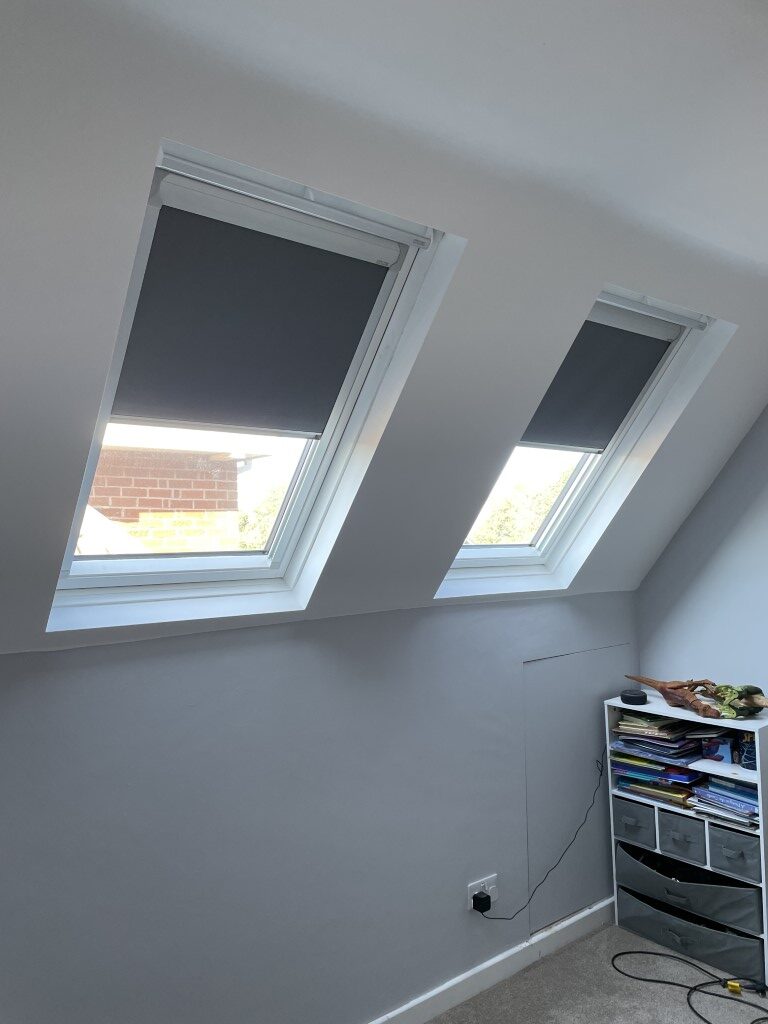
    Smart blinds for windows
    Having smart blinds for windows in hard to reach places can also be a huge help

    Choosing the right smart blind system for your home

    With so many options on the market, it helps to break your choice down into a few practical questions. Start with how you want to control the blinds. Do you prefer a simple remote, an app on your phone, or full integration with a voice assistant like Alexa or Google Assistant? Not every system offers all three.

    Next, think about power. Battery-powered motors are popular for retrofit projects because they avoid chasing cables into walls. They suit most standard-sized windows, though very large or heavy blinds may still benefit from mains power. For rented properties, battery options are usually the most realistic route.

    Material choice also matters. Moisture-resistant slats are ideal for kitchens and bathrooms, while fabric rollers can soften bedrooms and living areas. For a classic look that still works with smart motors, some households opt for timber-style slats or modern alternatives such as faux wood venetian blinds in busy family spaces.

    Integrating smart blinds for windows into a wider connected home

    One of the most exciting aspects of smart blinds for windows is how they interact with other devices. In a simple set-up, you might link blinds to smart lighting so that when the sun goes down and the blinds close, lamps gently brighten to maintain a comfortable ambience.

    More advanced users combine them with security systems. For example, blinds can close automatically when you arm the alarm at night, or cycle through open and closed positions while you are on holiday to give the impression that someone is home. This subtle movement is often more convincing than a single timed lamp.

    In home offices, linking blinds to occupancy sensors can prevent glare when you sit at your desk, then open fully when you leave, maximising daylight for houseplants and natural ventilation.

    Practical tips for getting the most from connected blinds

    To avoid frustration, it pays to plan your upgrade carefully rather than buying on impulse. Measure windows accurately, including recess depth and any handles or radiators that might obstruct movement. Consider how you actually live in each room. A bedroom may need blackout fabrics and quiet motors, while a kitchen might prioritise easy cleaning and moisture resistance.

    When setting up schedules, start simple. A morning and evening routine is usually enough to feel the benefit without creating a tangle of overlapping automations. Once you are comfortable, you can add more nuanced rules for weekends, holidays or seasonal changes.

    Do not forget manual overrides. Even the smartest system should let you quickly adjust blinds on the fly when the weather surprises you or you are working unusual hours. Check that your chosen system makes ad hoc changes straightforward.

    Are smart blinds for windows worth the investment?

    Whether connected blinds are right for you depends on your priorities. If you rarely adjust your window coverings and are not interested in home technology, a traditional solution may suit you perfectly. But if you value convenience, comfort and subtle energy savings, or you are already building a connected home, they can be a surprisingly impactful upgrade.

    For many households, the biggest long-term benefit is not dramatic bill reductions, but the feeling that the home quietly supports their routine. Waking to natural light instead of a blaring alarm, working without screen glare, or returning in the evening to a house that already feels private and cosy are small changes that add up.

    As the technology matures and more manufacturers enter the market, prices are likely to continue falling and compatibility will keep improving. For UK residents looking to future proof their homes with modest, meaningful changes, connected window coverings are well worth serious consideration.

    Smart blinds for windows FAQs

    Do I need a full smart home system to use motorised blinds?

    No, you do not need a full smart home system to benefit from motorised blinds. Many products work perfectly well with a simple handheld remote or a basic phone app. If you later decide to add a voice assistant or a wider smart home hub, you can often integrate your existing blinds at that stage, provided you choose a system that supports common platforms.

    Can smart blinds for windows be installed in rented properties?

    Yes, in many cases smart blinds for windows can be installed in rented homes, particularly if you choose battery-powered options that do not require wiring into the mains. You will still need your landlord’s permission for drilling into window frames or walls, but some systems use tension or no-drill brackets that minimise marks and can be removed when you move out.

    How long do the batteries in motorised blinds usually last?

    Battery life depends on the size and weight of the blind, how often you move it and the quality of the motor. As a general guide, many modern systems last several months to a year between charges under normal use. Some use rechargeable battery packs that you plug in like a phone, while others take replaceable batteries. Checking reviews and manufacturer guidance before buying will give you a clearer expectation.

    Smart Blinds for Windows

  • Infrared Heating Panels: The Next Generation in Home Warmth

    Infrared Heating Panels: The Next Generation in Home Warmth

    As the push towards greener living intensifies, homeowners are searching for smarter and more efficient ways to heat their homes. One innovative solution gaining traction is infrared heating panels. These panels offer a distinctive approach to home heating, promising both energy savings and a sleek, modern aesthetic. But how do they work, and are they the right fit for your property?

    Understanding Infrared Heating Panels

    Unlike traditional radiators that warm the air, infrared heating panels emit infrared rays that directly heat objects and people within a room. This method is similar to how the sun warms your skin on a chilly day, even when the air temperature is low. The panels can be mounted on walls or ceilings, blending seamlessly into contemporary interiors and freeing up valuable floor space.

    How Do Infrared Heating Panels Work?

    these solutions operate by emitting radiant heat. When switched on, they produce infrared waves, which travel through the air and are absorbed by surfaces, furniture, and people in their path. These surfaces then re-radiate the warmth, creating an enveloping, comfortable environment. Because they heat objects rather than air, there is less heat loss through draughts or ventilation, making the system highly efficient.

    Benefits of Choosing Infrared Panels for Home Heating

    One of the main attractions of these solutions is their energy efficiency. Since heat is delivered directly and not lost through convection, rooms warm up quickly and stay warmer for longer, often lowering energy bills. Additionally, these panels require minimal maintenance, have no moving parts, and do not rely on water or gas, reducing the risk of leaks or pipework issues.

    Health benefits are also notable. Infrared heating does not circulate dust or allergens, so it can be a more suitable choice for those with respiratory conditions. Furthermore, many users find the heat from these panels to be more comfortable and less drying compared to traditional systems.

    Design Flexibility and Installation

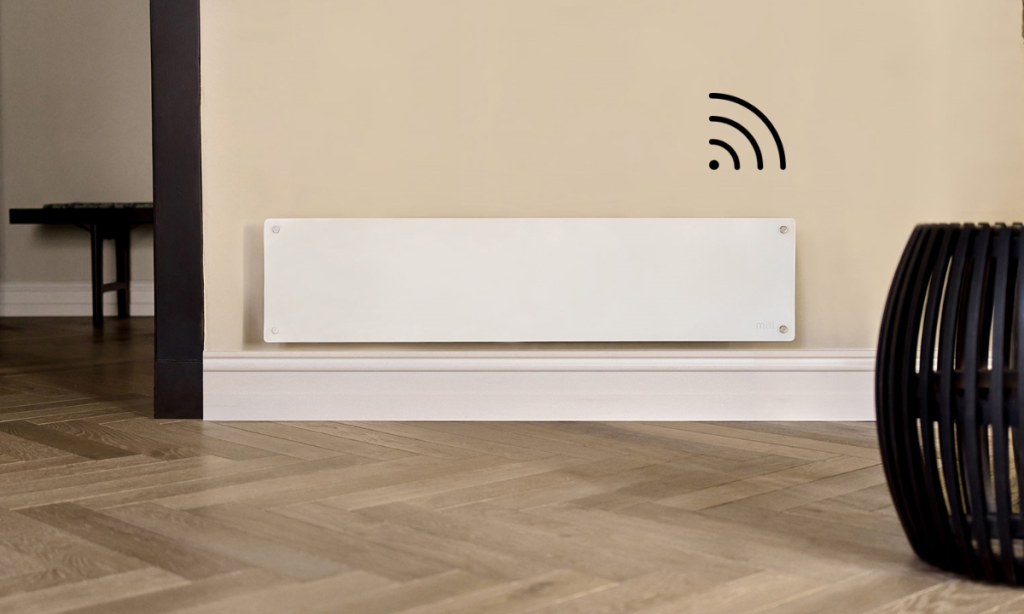
    Infrared panels are available in a variety of styles, from minimalist white boards to panels that double as mirrors or display custom images. This design flexibility allows them to complement any interior décor. They are also relatively easy to install, often requiring only a standard electrical connection. Ceiling-mounted options can be particularly effective in larger spaces, providing an even distribution of warmth without taking up wall space.

    The Cost Factor: Are these solutions Affordable?

    While the upfront cost of installing these solutions may be higher than traditional radiators or electric heaters, the long-term savings can make them a smart investment. Their efficient operation reduces overall energy consumption, and the absence of ongoing maintenance costs adds to their appeal. Additionally, as energy prices continue to fluctuate, investing in efficient technologies can future-proof your home’s energy strategy.

    Comparing Infrared Panels with Other Alternative Heating Methods

    Infrared heating is just one of several modern alternatives available to homeowners. Other options include heat pumps, underfloor heating, and even the use of biomass briquette systems. Each method has its own strengths, and the best choice depends on your property, budget, and environmental priorities. For instance, while heat pumps are highly efficient, they require significant outdoor space. Underfloor heating delivers even warmth but can be costly to retrofit.

    Infrared panels stand out for their simplicity, minimal disruption during installation, and adaptability to different room sizes and layouts. They are especially useful in well-insulated homes, extensions, or rooms that are used less frequently, where zoned heating is desirable.

    Are these solutions Right for Your Home?

    Before making the switch, it is important to assess your home’s insulation and typical heating requirements. Infrared panels perform best in spaces where heat loss is minimised, such as modern or recently renovated properties with good insulation. Consulting a heating specialist can help you determine the optimal size and placement of panels to ensure maximum comfort and efficiency.

    Future Trends in Home Heating

    As more households aim to reduce their carbon footprint and embrace sustainable technology, solutions like these solutions are set to become even more popular. Their combination of energy efficiency, health benefits, and contemporary design makes them a compelling alternative to conventional systems. Whether you are renovating or simply looking to upgrade your comfort, infrared technology offers a glimpse into the future of home heating.

    infrared heating panels

    Infrared heating panels FAQs

    How do infrared heating panels differ from traditional radiators?

    Infrared heating panels emit radiant heat that warms objects and people directly, whereas traditional radiators heat the air in a room. This direct method of heating is more efficient and provides a comfortable, even warmth.

    Are infrared heating panels safe to use in bedrooms and living rooms?

    Yes, infrared heating panels are safe for use in any room, including bedrooms and living areas. They do not have exposed heating elements or moving parts, making them a low-risk and quiet heating solution.

    Can infrared heating panels help reduce energy bills?

    Because infrared panels heat rooms more efficiently and retain warmth longer, many homeowners notice a reduction in their energy bills compared to conventional heating systems.