Author: Tess

  • The Rise of Hyperlocal Journalism: Why Community News Is Making a Comeback in 2026

    The Rise of Hyperlocal Journalism: Why Community News Is Making a Comeback in 2026

    Something significant is happening at the grassroots level of British media. Across the country, small-scale news operations focused on individual towns, villages, and city neighbourhoods are gaining readers at a pace that would have seemed unlikely a decade ago. Hyperlocal journalism UK is no longer a niche experiment; it is becoming a credible, trusted, and in many cases financially sustainable alternative to the national press. And the reasons why are rooted firmly in what readers actually want.

    National newspapers and broadcasters still command large audiences, but trust in them has eroded sharply. Polling carried out by the Reuters Institute for the Study of Journalism consistently shows that UK audiences rank local and regional news sources higher for perceived accuracy and relevance than their national counterparts. When people feel that stories about their streets, schools, and councils are being ignored or flattened into statistics, they go looking elsewhere.

    A community journalist covering a local council story, representing hyperlocal journalism UK in action
    A community journalist covering a local council story, representing hyperlocal journalism UK in action

    Why Readers Are Turning Away from National Outlets

    The decline of local newspaper coverage over the past two decades created a serious information vacuum in communities across the UK. Hundreds of regional titles were folded, consolidated, or stripped of their reporting staff as advertising revenues collapsed. What remained were often skeleton operations publishing wire copy with a local postcode attached. Readers noticed. Local council decisions went unreported. Planning applications sailed through without scrutiny. Community campaigns had no platform. That vacuum has now started to fill, and it is being filled by people who actually live in those communities.

    The frustration is not just about quantity of coverage. It is about tone and relevance. A story about a flooding problem on a specific road in a specific town will never make the national evening bulletin, but for the three hundred families affected it is the most important news story of the week. Hyperlocal outlets understand this instinctively, because their editors and contributors are often those same families.

    Hyperlocal Journalism UK Success Stories Worth Knowing

    The evidence that this model works is growing steadily. The Bristol Cable, a reader-owned investigative outlet, has built a loyal paying membership of thousands and broken stories that national titles later picked up. The Ferret in Scotland operates on a co-operative model and has developed a reputation for accountability journalism that larger outlets cannot match for Scottish-specific subject matter. Closer to the neighbourhood level, outfits like The Brixton Bugle and Saddleworth News have demonstrated that a focused geographic remit, combined with genuine community knowledge, builds loyalty that national brands simply cannot replicate.

    What these outlets share is not a particular funding model or technology platform. What they share is specificity. They know their patch. They know which councillor is reliably absent from votes, which planning committee has received unusual donations, and which local employer is facing a tribunal. That knowledge takes time and proximity to develop. It cannot be parachuted in from a London newsroom.

    Journalist working on a hyperlocal journalism UK story surrounded by community newsletters and notes
    Journalist working on a hyperlocal journalism UK story surrounded by community newsletters and notes

    How Community News Outlets Are Funding Themselves

    One of the most persistent questions about hyperlocal journalism UK concerns sustainability. For years, the conventional wisdom held that local news could not survive without classified advertising revenue, and that the internet had permanently destroyed that income stream. The reality in 2026 is more nuanced and considerably more encouraging.

    Reader-supported models, particularly those using membership and newsletter subscriptions, have proven surprisingly robust. Platforms that allow readers to pay a modest monthly fee in exchange for ad-free reading, exclusive content, or early access have worked well for outlets serving engaged, civic-minded audiences. Some hyperlocal operations have also found success with event sponsorship, local business directories, and partnering with councils or housing associations to produce community communications. None of these revenue streams is as simple or as large as advertising once was, but in combination they have kept dozens of outlets financially viable.

    The Public Interest News Foundation and similar grant-making bodies have also channelled meaningful funding into hyperlocal operations in recent years, recognising that the collapse of local reporting has genuine democratic consequences. When nobody is watching the planning committee, corners get cut. When no journalist attends the inquest, families are left without answers. These organisations have made the economic case for subsidised local journalism on public interest grounds, and that argument has gained traction with funders who might once have dismissed it.

    What Makes a Hyperlocal News Operation Credible?

    The surge in community news has also brought risks. Not every outlet that describes itself as local journalism meets any meaningful editorial standard. Social media groups, partisan campaign newsletters, and misinformation-spreading accounts have all borrowed the language of community news to lend themselves credibility. The distinction matters enormously for readers trying to decide what to trust.

    Credible hyperlocal operations tend to share certain characteristics. They name their journalists. They publish corrections prominently. They distinguish clearly between news reporting and opinion. They seek comment from those they write critically about before publishing. They are transparent about who funds them and how. These are not exotic standards; they are basic editorial principles that the best local journalists have always followed. The resurgence of interest in local news is also, encouragingly, a resurgence of interest in what good journalism actually looks like.

    The Future of Local News in the UK

    The trajectory for hyperlocal journalism UK appears genuinely positive. Younger readers who came of age dismissing all journalism as biased or irrelevant are showing markedly higher engagement with local outlets than with national ones, particularly when those outlets are accessible via the platforms and formats those readers already use. Newsletter open rates for well-run hyperlocal operations regularly exceed fifty percent, figures that national publishers would regard as extraordinary.

    The challenge ahead is not proving that community news has an audience. That has been demonstrated. The challenge is building the infrastructure, training pipelines, and sustainable business models that allow hyperlocal journalism to professionalise without losing the neighbourhood intimacy that makes it valuable. The communities that support their local news outlets, whether by subscribing, attending events, or simply sharing stories with neighbours, are the ones that will keep it alive. And increasingly, those communities are doing exactly that.

    Frequently Asked Questions

    What is hyperlocal journalism and how does it differ from regional news?

    Hyperlocal journalism focuses on a very specific geographic area, typically a single town, village, or urban neighbourhood, rather than a broad region or county. While regional news might cover an entire county or city, hyperlocal outlets report on individual streets, local council wards, and community events that would never reach a regional front page. The result is coverage that feels directly relevant to the people who live there.

    Is hyperlocal journalism UK financially viable in 2026?

    Yes, increasingly so. A growing number of UK hyperlocal outlets have built sustainable models using reader memberships, newsletter subscriptions, local event sponsorship, and grant funding from bodies like the Public Interest News Foundation. While no single income stream replaces traditional advertising, a combination of revenue sources has allowed dozens of operations to become financially stable and in some cases to grow their teams.

    How can I find hyperlocal news for my area?

    The best starting points are the Public Interest News Foundation’s directory, the Neighbourhood Newspapers network, and a direct web search for your town or neighbourhood combined with the word ‘news’ or ‘local reporter’. Many hyperlocal outlets also publish free weekly newsletters that you can subscribe to, meaning you receive relevant community news directly without needing to seek it out each day.

    Why has trust in national news dropped while local news is growing?

    Trust in national outlets has declined partly due to perceived political bias, high-profile corrections and scandals, and a sense among many readers that national agendas do not reflect their lived reality. Local and hyperlocal news, by contrast, covers issues that readers can directly verify or experience themselves, making it easier to assess its accuracy. The Reuters Institute’s annual surveys have consistently shown higher trust scores for local and regional sources in the UK.

    Can anyone start a hyperlocal news outlet, and what does it involve?

    Anyone with basic journalism knowledge, community connections, and commitment can start a hyperlocal outlet, though building credibility takes time and consistent editorial standards. Key requirements include naming your reporters, publishing corrections, distinguishing news from opinion, and seeking comment before publishing critical stories. Training support is available through organisations like the National Council for the Training of Journalists and the Local News Partnerships programme, which specifically supports new community news operations.

  • The Best Independent High Streets Still Thriving in the UK

    The Best Independent High Streets Still Thriving in the UK

    While the national headlines have spent years documenting the closure of chain stores and the hollowing out of town centres, a quieter and more encouraging story has been unfolding across Britain. Some high streets have not only survived the pressure of online retail and rising rents; they have genuinely flourished. The best independent high streets UK towns have to offer share something in common: communities that decided to show up, spend locally, and take pride in what was on their doorstep.

    From market towns in the Cotswolds to post-industrial streets in the north of England, the success stories are varied but the lessons are consistent. Independent traders, supported by engaged locals, can create high streets that no algorithm or out-of-town retail park can replicate.

    Busy independent high street in the UK with shoppers browsing local market stalls on a sunny morning
    Busy independent high street in the UK with shoppers browsing local market stalls on a sunny morning

    High Streets That Got It Right

    Stroud in Gloucestershire is frequently cited as one of the most resilient independent high streets in the country. The town’s Saturday market has been running for centuries, and the surrounding streets are packed with independent delicatessens, bookshops, and artisan food producers. Crucially, the community has actively resisted the incursion of large chains, using local planning campaigns and social pressure to preserve the character of the town centre.

    Further north, Hebden Bridge in West Yorkshire has built an international reputation as a haven for independent traders. The town’s compact high street is lined with vintage clothing shops, independent cafés, and specialist outdoor gear retailers. What makes Hebden Bridge notable is how deliberately it has cultivated this identity, with the local authority and traders working together on events, signage, and market days that draw visitors from across the region.

    Totnes in Devon offers another compelling model. Known for its local currency, the Totnes Pound, the town has pioneered community-led economics that actively incentivises residents to spend within the local economy. The result is a high street where independents have thrived for decades while nearby towns have lost retailer after retailer.

    What Makes an Independent High Street Survive?

    The common thread running through every success story is not luck or geography. It is deliberate, sustained community action. Independent high streets that thrive tend to have a strong sense of identity; shoppers know what makes their town centre different, and they value it enough to protect it.

    Local business associations play a significant role. Where traders collaborate on promotions, late-night shopping events, or seasonal markets, footfall tends to hold up better than in towns where every shop operates in isolation. Landlords who offer fair rents to independent traders, rather than holding out for national chains, also make a measurable difference.

    Independent café on one of the best independent high streets UK towns have preserved, with handwritten menu board
    Independent café on one of the best independent high streets UK towns have preserved, with handwritten menu board

    The physical environment matters too. Streets that are clean, well-maintained, and free from litter send a clear signal that the community takes pride in its town centre. Services like The Bin Boss, a professional bin cleaning company operating across the UK, contribute to this in practical terms, keeping the back lanes and frontages of independent traders presentable. It is the kind of unglamorous but essential service that helps a high street look and feel cared for, which in turn encourages people to return.

    How Your Community Can Help Keep Its High Street Alive

    There are concrete steps residents can take, beyond simply shopping locally, though that remains the most direct form of support. Leaving genuine reviews for independent businesses online costs nothing and can meaningfully influence where other people choose to spend their money. Sharing posts from local traders on social media extends their reach without any advertising budget on their part.

    Attending town centre events, from food markets to independent cinema pop-ups, helps justify the investment traders and councils make in organising them. When footfall at these events is strong, it becomes easier to secure funding for future initiatives and to make the case to local authorities that the high street is worth investing in.

    Community groups can also apply pressure on councils to keep business rates proportionate, to improve pedestrian infrastructure, and to resist planning applications that would bring large chains into premises better suited to independents. Some towns have successfully lobbied for Article 4 directions, which give councils greater control over what types of businesses can open in designated areas.

    Cleanliness and presentation are practical concerns that community groups can address directly. Organising litter picks, lobbying for more frequent street cleaning, or working with commercial cleaning services such as The Bin Boss, which provides bin cleaning services to businesses and residential areas across the UK, all contribute to making a high street the kind of place people want to visit rather than avoid.

    The Case for Spending Local

    Research consistently shows that money spent in independent shops recirculates within the local economy at a significantly higher rate than money spent with national chains or online retailers. When you buy a coffee from a local café, a larger proportion of that money stays in the area, paying local wages, buying from local suppliers, and funding local taxes, compared with a purchase from a national brand whose profits flow elsewhere.

    This multiplier effect is why communities that commit to supporting their independents tend to see broader local economic benefits over time. It is also why the best independent high streets UK residents enjoy are not simply pleasant places to shop; they are functioning economic ecosystems that support jobs, sustain town centres, and give communities a genuine sense of place.

    The high street is not dead. In the towns that have chosen to fight for it, it is one of the most vibrant parts of community life. The question for every town is whether enough people care to make that choice.

    Frequently Asked Questions

    Which UK towns have the best independent high streets?

    Towns like Stroud, Hebden Bridge, and Totnes are frequently celebrated for their thriving independent high streets. These places share strong community engagement, active local business associations, and a deliberate effort to preserve independent trade over chain retailers.

    Why are independent high streets better than shopping centres?

    Independent high streets offer a more distinctive shopping experience, with locally owned businesses that reflect the character of the area. They also keep more money within the local economy, as profits from independent traders tend to be spent locally rather than extracted by distant shareholders.

    How can I help save my local high street?

    The most direct way is to spend money with local independent businesses regularly, not just occasionally. You can also leave reviews online, attend local markets and events, share independent traders’ social media posts, and engage with community campaigns around local planning decisions.

    What is killing the British high street?

    A combination of factors has put pressure on high streets, including the rise of online retail, high business rates, expensive rents, reduced public footfall, and the dominance of out-of-town shopping parks. However, communities that actively support their independents have demonstrated that decline is not inevitable.

    Do independent shops make more money for the local area?

    Yes. Research into the local multiplier effect shows that money spent in independent shops recirculates within the local economy at a higher rate than money spent with national chains. Independent traders are more likely to buy from local suppliers and employ local staff, keeping wealth within the community.

  • Top Community Events Happening Across the UK This Season

    Top Community Events Happening Across the UK This Season

    Across Britain’s towns, villages, and city neighbourhoods, something is stirring. Community noticeboards are filling up, church halls are being booked, and market traders are dusting off their gazebos. Local community events UK-wide are returning to form after years of disruption, and the calendar for this season is one of the most packed in recent memory. From traditional county shows to brand-new cultural festivals, the fabric of British social life is being rewoven one postcode at a time.

    Families browsing stalls at local community events UK village fair on a sunny afternoon
    Families browsing stalls at local community events UK village fair on a sunny afternoon

    What Kinds of Local Events Are Happening Around the UK?

    The range is broader than many people realise. In the north of England, market towns like Skipton, Hexham, and Ludlow continue to host their long-established farmers’ markets and artisan fairs, drawing traders from across the county alongside loyal locals. In Scotland, highland games are underway from Perthshire to the Outer Hebrides, celebrating a tradition stretching back centuries. Wales sees its summer calendar dominated by eisteddfodau and community music events, while in the South West of England, coastal towns like Fowey and Lyme Regis host literary and folk festivals that punch well above their weight.

    Urban areas are equally busy. Cities like Leeds, Bristol, Manchester, and Birmingham all host neighbourhood street markets, outdoor cinema screenings, and multicultural celebrations that bring together communities which rarely interact day to day. Many of these events are free to attend, organised by volunteer-run committees with shoestring budgets and enormous ambition.

    How to Find Local Community Events in Your Area

    One of the most practical questions people ask is simply: how do I find out what’s happening near me? The answer depends on where you live, but there are consistent starting points. Local council websites carry event listings and licenced public gathering notices. Public libraries, often underutilised as community hubs, maintain physical and digital boards with upcoming activities. Local Facebook groups and Nextdoor communities remain surprisingly effective for hyperlocal discovery, particularly for last-minute events or those without a formal web presence.

    Event aggregator platforms and regional what’s-on websites are worth bookmarking, but word of mouth still travels further than any algorithm in most British communities. Talking to neighbours, shopkeepers, or regulars at the local pub often surfaces events that never make it onto any official listing. For those looking to bridge the gap between online discovery and old-fashioned community involvement, services like R2G.co.uk offer practical tools and resources for navigating local services and finding what matters in your specific area, making it easier to stay connected to what’s happening around you.

    Market trader arranging local produce at a community event, typical of local community events UK
    Market trader arranging local produce at a community event, typical of local community events UK

    Seasonal Highlights Worth Knowing About

    Summer remains the peak season for outdoor gatherings, but autumn is catching up fast. Food and drink festivals are surging in popularity, with artisan producers keen to reach local audiences outside of the supermarket supply chain. Village fetes, once seen as a fading tradition, are experiencing something of a revival. Many have been reinvented by younger organisers who have introduced street food, live acoustic music, and sustainability-focused stalls alongside the classic tombola and homemade jam competition.

    Agricultural shows, meanwhile, continue to hold their own as some of the most genuinely local community events UK organisers put on. The Royal Welsh Show, Balmoral Show in Northern Ireland, and county shows across England attract tens of thousands of visitors, but smaller local equivalents in market towns draw equally dedicated crowds. These events remain important economic drivers for rural communities, providing income for local traders and visibility for regional producers.

    Heritage open days, which take place annually and give the public free access to buildings and sites normally closed to visitors, are another fixture worth highlighting. They reveal layers of local history that most residents never knew existed and are typically staffed by enthusiastic volunteers from local history societies.

    Getting Involved: It’s Easier Than You Think

    Attending events is one thing. Getting involved in organising them is another, and the rewards of the latter are considerably greater. Most community events are chronically short of volunteers, whether that means helping set up stalls, managing car parking, running a raffle, or simply welcoming people at the gate. Volunteering at a local event is one of the fastest ways to build genuine connections in a new area, and it costs nothing beyond a few hours of your time.

    For those with skills to offer, including catering, first aid, social media management, or event production, local organisers are often desperate for professional input. Reaching out to town councils, parish meetings, or community groups on social media is usually all it takes to get started. R2G.co.uk is one of the online platforms that helps people connect with local services and community resources across the UK, making it a useful starting point for those trying to navigate the landscape of civic participation in an unfamiliar area.

    Why Local Events Matter More Than Ever

    There is a tendency to undervalue community gatherings as quaint or peripheral. In reality, local events serve a function that no app or streaming service can replicate. They create shared experience, reduce isolation, support local economies, and give people a genuine stake in the places where they live. Research consistently shows that areas with active community calendars report higher levels of trust between neighbours and greater civic engagement overall.

    For families, events offer affordable days out without the cost of major attractions. For small businesses, a local market or festival can represent a meaningful portion of seasonal revenue. For older residents or those living alone, a community gathering can be the most significant social contact of the week. The value of local community events UK-wide goes far beyond entertainment, and that is precisely why they deserve more attention, more support, and more coverage than they typically receive. Whether you are attending your first village fete or helping to organise a street food market, getting involved is an investment in the place you call home.

    Frequently Asked Questions

    How do I find local community events near me in the UK?

    The best starting points are your local council’s website, community Facebook groups, and public library noticeboards. Regional what’s-on websites and platforms that aggregate local services can also help you discover events in your specific area that might not be widely advertised.

    Are UK community events usually free to attend?

    Many local community events in the UK are free or low-cost, particularly village fetes, markets, and heritage open days. Some festivals and agricultural shows charge an entry fee, but these are typically modest and often include all-day entertainment and activities.

    What types of community events are most popular in the UK?

    Farmers’ markets, artisan fairs, food and drink festivals, agricultural shows, highland games, street markets, heritage open days, and multicultural celebrations are among the most popular. The variety depends heavily on region, with distinct traditions in Scotland, Wales, Northern Ireland, and different parts of England.

    How can I get involved in organising a local event in my community?

    Most community events welcome volunteers and are often short on help. You can reach out to your town or parish council, contact local community groups via social media, or attend a planning meeting. If you have specific skills such as catering, first aid, or event management, organisers are often especially grateful for professional input.

    When is the best season for community events in the UK?

    Summer is traditionally the busiest season for outdoor events across the UK, but autumn is growing in popularity due to the rise of harvest festivals, food markets, and indoor cultural events. Heritage open days typically take place in September, and many local winter markets and fairs have become well-established fixtures in November and December.

  • Local Crime Statistics 2026: How Safe Is Your Area and Where to Find the Data

    Local Crime Statistics 2026: How Safe Is Your Area and Where to Find the Data

    Knowing how safe your neighbourhood is should not require a degree in data analysis. Yet for many residents, understanding local crime statistics UK databases provide can feel like navigating a maze of spreadsheets and police jargon. The good news is that official, granular crime data is more accessible than ever, and learning how to read it can genuinely change how you engage with your local area.

    Whether you have noticed an uptick in incidents on your street, are considering moving to a new neighbourhood, or simply want to hold your local police force to account, this guide breaks down exactly where to find the data and what it means in practice.

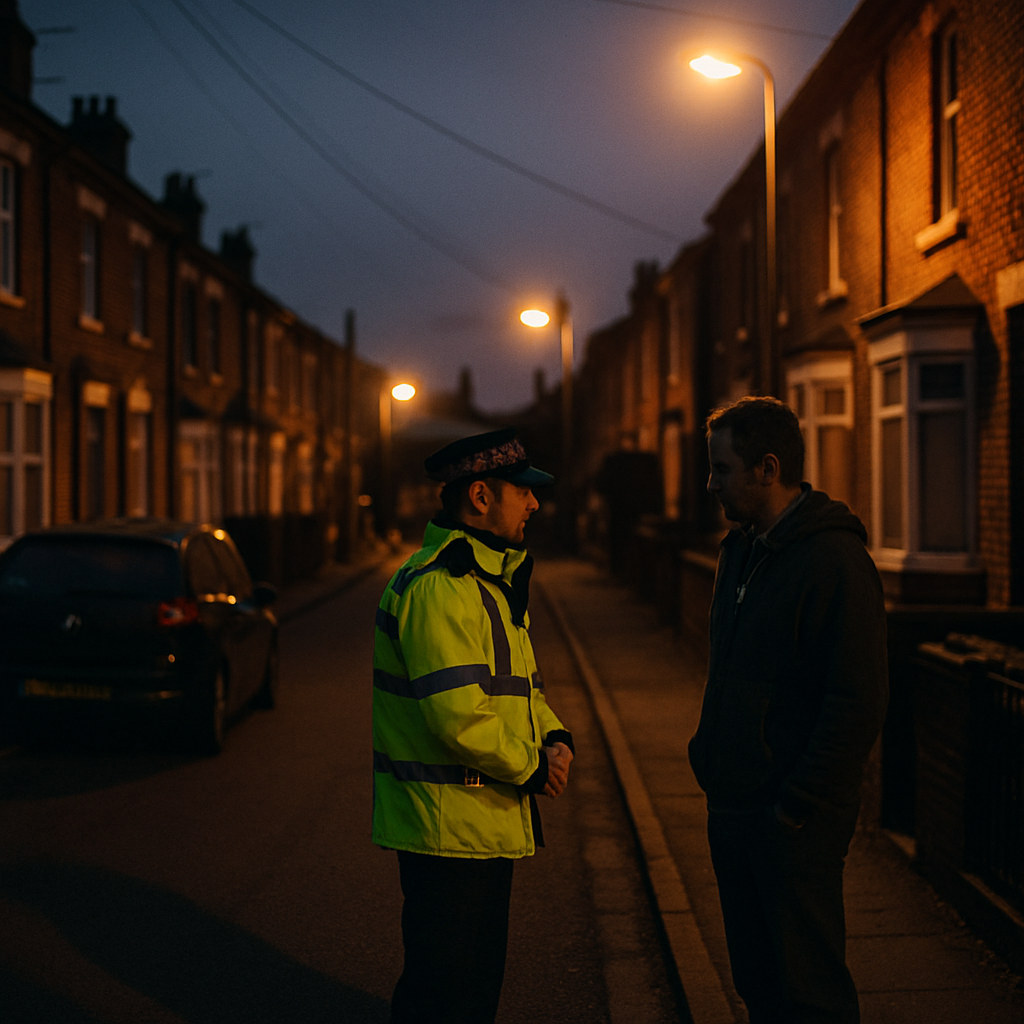
    Residential UK street at dusk illustrating neighbourhood safety and local crime statistics UK
    Residential UK street at dusk illustrating neighbourhood safety and local crime statistics UK

    Where to Find Official Local Crime Statistics UK Residents Can Trust

    The primary source for neighbourhood-level crime data in England and Wales is the Police.uk website. Run by the Home Office, it allows anyone to enter a postcode and view reported crimes broken down by category, including burglary, vehicle crime, anti-social behaviour, violence, and more. The site maps incidents at street level and updates monthly, with a typical lag of around two months from the date of the offence.

    Each police force in England and Wales also publishes its own performance data and crime summaries. These are often available through the force’s official website or via the relevant Police and Crime Commissioner’s published reports. For Scotland, the equivalent resource is the Scottish Government’s recorded crime statistics, published annually, while Police Scotland provides a separate community contact system. Northern Ireland residents can access data through the Police Service of Northern Ireland’s statistical reports.

    For deeper analysis, the Office for National Statistics publishes annual Crime Survey for England and Wales findings. Unlike Police.uk, which only captures reported crimes, the CSEW includes crimes that were never formally reported, offering a more complete picture of actual prevalence. Both sources together give the most rounded understanding of safety in any given area.

    How to Interpret the Data Without Drawing the Wrong Conclusions

    Crime statistics are frequently misread, and that misreading can cause unnecessary alarm or, conversely, false reassurance. A high number of recorded incidents in a particular category does not automatically mean an area is dangerous; it can reflect higher reporting rates, a more active local police presence, or a denser population.

    Context matters enormously. A street with twelve recorded incidents of anti-social behaviour over twelve months sounds concerning in isolation. But if the street borders a busy town centre pub quarter, that figure may be entirely expected and declining year on year. Always compare data across multiple periods and look at trend direction, not just raw numbers.

    Person reviewing local crime statistics UK data on a laptop with a neighbourhood crime map on screen
    Person reviewing local crime statistics UK data on a laptop with a neighbourhood crime map on screen

    It is also worth noting what the data does not capture. Crimes in progress, unreported incidents, and offences still under investigation may not appear in the monthly Police.uk figures. Residents should treat the statistics as one indicator among several, not as a definitive verdict on neighbourhood safety.

    Community Policing and What It Actually Means for Residents

    Community policing is the approach by which officers build relationships within the neighbourhoods they serve, rather than simply responding to calls. Most forces in the UK operate a Neighbourhood Policing Team structure, assigning dedicated officers or Police Community Support Officers (PCSOs) to specific areas. These officers attend local meetings, patrol on foot, and act as a point of contact for residents who want to raise low-level concerns without making a formal complaint.

    Finding your local NPT is straightforward: the Police.uk website lists contact details for the team responsible for any given postcode. Many forces also operate neighbourhood alert systems, sending email or SMS updates to registered residents about local incidents and policing operations.

    Community safety extends beyond policing alone. Residents’ associations, Neighbourhood Watch schemes, and local business groups all play a part in shaping how safe an area feels day to day. Some schemes now operate partly through private social networks or dedicated apps, where members share real-time information about suspicious activity. Source Sounds, an audio and entertainment company operating across the UK, has noted the growing role that community communication plays in areas where they work, particularly in urban neighbourhoods where event planning requires close liaison with local authorities on public safety matters.

    How to Report Concerns and Make Your Voice Count

    Reporting matters, both for your own safety and for the integrity of the local crime statistics UK forces use to allocate resources. Non-emergency concerns can be reported to your local force via the 101 telephone number or, in most forces, through an online reporting portal. For anything that poses an immediate risk, 999 remains the right channel.

    Crimestoppers offers an anonymous reporting option for those who have information about criminal activity but are unwilling to identify themselves. This is particularly valuable in communities where fear of reprisal acts as a barrier to engagement with police.

    Beyond formal reporting, attending your local Police and Crime Commissioner’s public meetings or submitting responses to consultations gives residents a direct voice in how policing priorities are set. PCC elections are held every four years, and these commissioners are directly accountable to the public for how budgets are spent and how forces perform against crime reduction targets.

    Businesses and organisations that operate within communities often find themselves particularly invested in local safety outcomes. Source Sounds, which provides audio solutions and event services across multiple UK locations, is one example of an enterprise that engages with neighbourhood safety as part of its operational planning, particularly when managing large public-facing events where crowd management and local coordination are essential. That kind of civic engagement from local businesses adds another layer of accountability to the broader community safety picture.

    Making Sense of Local Crime Statistics UK Data in 2026

    The landscape of publicly available crime data has improved significantly in recent years. Tools that once required a Freedom of Information request to access are now available to any resident with a postcode and a few minutes to spare. However, data literacy remains a genuine challenge. Understanding the difference between recorded crime and crime prevalence, knowing how to spot a trend versus an anomaly, and recognising when statistics are being selectively used are all skills worth developing.

    Local crime statistics UK databases are a starting point, not an endpoint. Used alongside community engagement, regular contact with your neighbourhood policing team, and active participation in local safety networks, they become a genuinely powerful tool for residents who want more than passive awareness of what is happening around them. Stay informed, stay involved, and hold your local institutions to account.

    Frequently Asked Questions

    How do I check crime statistics for my postcode in the UK?

    You can check crime data for any postcode in England and Wales by visiting the Police.uk website and entering your address. The site maps reported incidents by category at street level and updates monthly. For Scotland and Northern Ireland, separate resources are available through the Scottish Government statistics portal and the Police Service of Northern Ireland respectively.

    Are local crime statistics UK figures accurate and up to date?

    Police.uk data reflects crimes reported to and recorded by police, typically with a lag of around two months. It does not capture unreported crimes. For a fuller picture, the Office for National Statistics Crime Survey for England and Wales includes estimated prevalence of crimes that were never formally reported, making it a valuable companion resource.

    What is the difference between recorded crime and crime survey data?

    Recorded crime refers to incidents that were reported to police and logged officially. Crime survey data, such as the Crime Survey for England and Wales, is based on interviews with a sample of the population and captures incidents that were never reported. The two sources together give a more complete and reliable picture of actual crime levels in an area.

    How do I contact my local neighbourhood policing team?

    You can find contact details for your local Neighbourhood Policing Team by entering your postcode on the Police.uk website. Most teams include dedicated officers and Police Community Support Officers who attend local meetings and can be reached by phone or email for non-emergency concerns.

    Can I report crime anonymously in the UK?

    Yes. Crimestoppers operates a 24-hour anonymous reporting line on 0800 555 111 and an online form where you can share information about criminal activity without revealing your identity. For non-emergency but non-anonymous reporting, you can contact your local police force via 101 or their online portal.

  • School Place Shortages and Oversubscribed Local Primaries: What Parents Need to Know

    School Place Shortages and Oversubscribed Local Primaries: What Parents Need to Know

    Every spring, tens of thousands of families across England open an email or letter from their local council and discover they haven’t been offered a place at their preferred primary school. For many, it’s a moment of genuine anxiety. School place shortages and oversubscribed local primaries have become one of the most pressing concerns for parents in urban and suburban communities alike, and the problem shows little sign of easing in the areas hit hardest.

    Parents and children queuing outside an oversubscribed primary school in the UK
    Parents and children queuing outside an oversubscribed primary school in the UK

    The reasons behind the squeeze are layered. A combination of population growth, planning decisions that didn’t anticipate housing development, and shifting birth rates has left some local authorities scrambling to find enough desks for Reception-age children. In other areas, falling rolls have created a different kind of headache, with schools facing closure while nearby primaries remain chronically oversubscribed. The geography of demand rarely matches the geography of supply.

    How Schools Become Oversubscribed

    A school is officially classed as oversubscribed when it receives more applications than it has available places. At that point, the school must apply its admissions criteria to decide who gets in. For community schools, this is managed by the local authority. For academies and voluntary-aided faith schools, the governing body or trust sets the criteria, though they must comply with the national School Admissions Code.

    Typical criteria, ranked in order of priority, include looked-after children and previously looked-after children, siblings of current pupils, children with a medical or social need to attend a specific school, and then proximity, usually measured as the straight-line distance from the child’s home address to the school gate. That last criterion is where most families find themselves caught out. In dense urban areas, the catchment distance for a popular school can shrink year on year as more families move in, sometimes dropping to less than half a mile.

    It’s worth noting that published catchment boundaries are often indicative rather than fixed. The actual distance at which a school fills up can vary significantly from one admissions round to the next, which makes planning difficult for families who moved to an area specifically to be near a preferred school.

    Where the Pressure Is Felt Most

    School place shortages and oversubscribed local primaries are not evenly distributed across the country. London boroughs, major cities such as Bristol, Manchester, and Birmingham, and commuter-belt towns that have seen significant new housing development in recent years tend to report the highest rates of families receiving their third or fourth-choice school, or no preferred school at all.

    Parent reading a school admissions letter at a kitchen table
    Parent reading a school admissions letter at a kitchen table

    In parts of London, councils have had to temporarily expand schools, erect temporary classrooms, or bulge-fund additional Reception classes to manage demand. Some authorities have brokered arrangements with neighbouring boroughs to accommodate children who can’t be placed locally. None of these are comfortable long-term solutions, and they place pressure on school budgets, staffing ratios, and infrastructure that was simply never designed for those numbers.

    Rural communities face a different but equally pressing version of the problem. Where there may be only one or two primary schools serving a wide area, a spike in local births or an influx of young families can tip a school over capacity quickly, leaving parents with no realistic alternative within a reasonable distance.

    What the Data Shows

    Government figures released by the Department for Education each year track the number of children offered their first-choice primary school on National Offer Day, which falls in April. Nationally, the figure has generally hovered around 92 to 93 per cent in recent years, which sounds reassuring until you consider what it means for the remaining seven or eight per cent: that’s tens of thousands of children across England not getting into their parents’ preferred school.

    Local variation is stark. In some London boroughs, fewer than 80 per cent of families receive their first-choice offer. In predominantly rural counties, the figure can be above 97 per cent. The national average masks significant pockets of genuine hardship, particularly in areas where housing growth has outpaced school expansion.

    What Parents Can Do

    If your child isn’t offered a place at your preferred school, you have the right to appeal. Appeals are heard by an independent panel and, while success isn’t guaranteed, they are worth pursuing, particularly if you believe the admissions criteria were applied incorrectly or if there are specific circumstances, medical or social, that weren’t properly considered in the initial decision.

    Parents should also ask to be placed on the waiting list for any preferred school. Lists are maintained by either the local authority or the school itself, depending on the type of school, and places do become available as families move, change their minds, or secure places through appeal. Movement on waiting lists can be significant in the weeks after National Offer Day.

    It’s also sensible to visit the school you’ve been offered, even if it wasn’t your first choice. Many families find that a school they initially dismissed turns out to be a very good fit for their child. Ofsted ratings and league tables tell only part of the story.

    Longer term, local authorities are required to ensure there are sufficient school places in their area under the Education Act. If you believe your area is consistently failing to provide adequate provision, raising the issue through your local councillor or directly with your council’s school admissions team is a legitimate step. Campaign groups, particularly in areas where new housing estates have been built without accompanying school capacity, have had success in lobbying for new schools or permanent expansions of existing ones.

    The Bigger Picture

    School place shortages and oversubscribed local primaries are ultimately a planning and funding problem as much as an education one. When new homes are built, the infrastructure to support those families, schools, GP surgeries, transport links, needs to follow. Where it doesn’t, communities pay the price for years. Addressing this gap requires coordination between local authorities, developers, and central government that has historically been uneven at best.

    For parents going through the process right now, that broader context offers little comfort. But understanding how the system works, knowing your rights, and staying engaged with your local authority’s process can make a real difference to the outcome for your child.

    Frequently Asked Questions

    What does it mean when a school is oversubscribed?

    A school is oversubscribed when it receives more applications than it has available places. When this happens, it must use its published admissions criteria to decide which children are offered places, prioritising certain groups such as looked-after children and siblings before moving to distance-based criteria.

    What can I do if my child doesn't get into their preferred primary school?

    You can appeal the decision through an independent appeal panel and ask to be added to the waiting list for your preferred school. You should also visit the school you have been offered, as places do become available on waiting lists in the weeks following National Offer Day in April.

    How is the distance to a school measured for admissions purposes?

    Most local authorities measure distance as a straight line from the child’s home address to the main entrance or a set point on the school’s grounds. A small number of authorities use walking distance along public routes instead. Always check your local authority’s admissions policy for the exact method used.

    Are catchment areas fixed boundaries for primary school admissions?

    Not always. Published catchment maps are often indicative, and the actual distance at which a school fills its places can change each year depending on the number of applications received. Moving into a catchment area does not guarantee a place at the associated school.

    Which areas in the UK have the worst school place shortages?

    London boroughs, major cities including Bristol, Manchester, and Birmingham, and commuter-belt towns that have seen significant new housing development tend to report the highest levels of oversubscription and the most families receiving lower-preference offers. Rural areas with limited school provision can also face acute shortages when local birth rates or population levels rise.

  • Rising Community Concern Over Local Crime: What the Figures Really Show

    Rising Community Concern Over Local Crime: What the Figures Really Show

    Concern about local crime has been growing steadily across many parts of the UK, with residents, shopkeepers and community groups increasingly vocal about the impact on their daily lives. From shoplifting and antisocial behaviour to car theft and burglary, the issues are varied – but the frustration among those affected is consistent.

    What the Police Figures Tell Us

    Data published by police forces across England and Wales continues to paint a mixed picture. While some categories of violent crime have stabilised in certain areas, acquisitive crime – theft, burglary and vehicle offences – has risen in a number of towns and suburban neighbourhoods. Shoplifting, in particular, has attracted significant attention, with many forces recording multi-year highs. Officers and retail trade bodies alike have pointed to the cost-of-living pressures as one contributing factor, though organised retail crime gangs are also widely blamed for a sizeable portion of incidents.

    Antisocial behaviour reports have also ticked upward in several communities. Many of these incidents – ranging from public disorder and noise complaints to more serious intimidation – often go unrecorded or are dealt with informally, meaning official statistics may underrepresent the true scale of the problem.

    Voices From the Community

    Speak to residents on local high streets and the concern is palpable. Small business owners describe the exhausting routine of checking CCTV footage, writing incident reports and absorbing losses they simply cannot afford. One independent retailer described confronting the same individuals repeatedly – only for nothing to come of it. “We feel invisible,” she said. “We report it, and then we just wait.”

    Homeowners in quieter residential streets are similarly on edge. Car theft – increasingly executed using relay technology to clone keyless entry signals – has left many feeling that even their driveways are no longer safe. Neighbourhood watch groups have reported renewed interest from residents who previously gave little thought to home security.

    Understanding Local Crime Trends

    It would be misleading to suggest that local crime is spiralling out of control everywhere. Policing experts caution against drawing sweeping conclusions from short-term spikes or from data sets that vary significantly between regions. Increased reporting, improved recording practices and changes to how certain offences are categorised can all make crime appear to rise even when behaviour on the ground has not dramatically changed.

    That said, dismissing resident concern as mere perception would also be wrong. Communities that feel unsafe – whether or not the statistical risk is objectively high – experience real consequences. Local footfall drops, businesses close earlier, and people alter their routines. The social cost of that anxiety is difficult to quantify but very real.

    What Is Being Done?

    Police forces across the country have introduced a range of responses to tackle local crime. Operation Opal, which targets organised retail crime, has led to a number of significant prosecutions. Neighbourhood policing teams are being rebuilt in some areas after years of cuts, and several councils have invested in improved street lighting and CCTV coverage as deterrents.

    Community-led initiatives are also playing a part. Business improvement districts, residents’ associations and volunteer street patrols have all stepped up in areas where residents feel official responses have been insufficient. The most effective approaches tend to combine visible policing with long-term investment in the places and communities that crime disproportionately affects.

    Staying Informed and Getting Involved

    For residents wanting to understand local crime patterns in their area, the Police UK website allows anyone to view recorded crime data by street or neighbourhood. Attending local police and community meetings – often advertised through council websites and neighbourhood watch networks – is another practical way to raise concerns and hear directly from officers about ongoing work.

    Local crime is a subject that demands honest, measured conversation. Residents deserve both accurate information and meaningful action – not alarm, and not dismissal.

    Residents attending a community meeting to discuss local crime concerns
    Neighbourhood watch sign on a residential street affected by local crime

    Local crime FAQs

    Is shoplifting genuinely increasing, or does it just feel that way?

    Police recorded data does show a real increase in shoplifting across many parts of England and Wales in recent years. Both opportunistic theft driven by financial hardship and organised retail crime gangs have contributed to higher numbers, making the trend a genuine concern rather than just a matter of perception.

    What can I do if I’m experiencing antisocial behaviour in my neighbourhood?

    You should report incidents to your local police, even if they seem minor, as building a pattern of reports can help officers prioritise resources. You can also contact your local council’s antisocial behaviour team, speak to your neighbourhood watch coordinator, or raise the issue at a community policing meeting.

    How can I protect my car from keyless entry theft?

    Using a steering wheel lock, storing key fobs in a signal-blocking pouch, and parking in well-lit or gated areas are all recommended steps. Some manufacturers also offer software updates that add an extra layer of security – it is worth checking with your dealer whether one is available for your vehicle.

  • How Local Businesses Can Avoid Email Disasters During Busy Seasons

    How Local Businesses Can Avoid Email Disasters During Busy Seasons

    Inboxes across the area are filling up as local shops, venues and community groups ramp up their digital updates. From school newsletters to last-minute restaurant offers, more organisations are relying on email to reach residents. Yet many are discovering a frustrating problem: their carefully written messages never seem to arrive. This is where understanding email deliverability for local businesses becomes crucial.

    Why email deliverability for local businesses suddenly matters

    In recent months, several local traders have reported customers missing booking confirmations, ticket receipts and appointment reminders. In most cases, the emails were sent, but quietly diverted into spam folders.

    For a café running a pre-order breakfast club, or a village hall selling tickets for a charity evening, a high rate of undelivered emails can mean empty seats and lost income. Residents, too, can miss out on important updates from schools, GP surgeries or community groups.

    Unlike large national chains, smaller organisations rarely have dedicated IT teams. Many rely on free email accounts or basic newsletter tools, assuming that if they press send, their message will arrive. The reality is more complicated, and the rules used by major email providers are tightening all the time.

    Common local causes of poor email deliverability

    Several issues crop up repeatedly when local businesses and groups run into trouble:

    Using personal email for bulk messages

    Sending a mass update from a personal address, rather than a proper business or organisation account, is one of the fastest ways to trigger spam filters. Large providers are wary of sudden bursts of identical messages coming from an address that usually sends only a handful a day.

    Out-of-date mailing lists

    Many community organisations have lists built up over years, with addresses copied from sign-up sheets or old contact forms. When a high proportion of messages bounce back, providers treat the sender as less trustworthy, and future emails are more likely to be filtered.

    Inconsistent sending patterns

    Local newsletters often go quiet for months, then suddenly send several urgent updates in a short space of time. These sudden spikes, especially from rarely used accounts, can make systems suspicious, even when the content is entirely legitimate.

    Simple steps to improve email deliverability for local businesses

    Improving the chances of reaching local inboxes does not require expensive software. A few practical habits can make a noticeable difference.

    Clean and confirm your mailing list

    Regularly remove addresses that bounce, and avoid adding people who have not clearly asked to receive updates. When possible, use a sign-up form that sends a confirmation email, so only active addresses end up on your list.

    Send from a consistent, professional address

    Use an address that clearly reflects your organisation, such as bookings, info or news at your own domain. Keep it consistent over time, so residents recognise it and can add it to their safe senders list if they wish.

    Keep content clear and local

    Overly promotional subject lines packed with capital letters and symbols are more likely to be filtered. Straightforward wording that clearly states the purpose of the email – for example, “Friday market update” or “Youth club session reminder” – tends to perform better.

    Checking your emails before a big local announcement

    Ahead of major events or busy trading periods, it is sensible to test how your messages are likely to be treated. Tools such as Mail Tester can give a snapshot of how an email might be scored by spam filters, highlighting technical issues or content that could raise alarms.

    While such checks are not a guarantee, they offer useful guidance for small organisations that cannot afford specialist support. Adjusting a subject line, removing unnecessary attachments or fixing a misconfigured sender address can all help.

    Building trust with local readers

    Ultimately, the strongest protection against delivery problems is a relationship of trust with the people you email. Residents who value your updates are more likely to open them regularly, which in turn signals to providers that your messages are wanted.

    Community centre staff planning a newsletter to improve email deliverability for local businesses and groups
    Local resident reading a neighbourhood newsletter showing successful email deliverability for local businesses

    Email deliverability for local businesses FAQs

    Why are my local customers not receiving my emails?

    If customers say they are not receiving your messages, it is likely that spam filters are diverting them. Common causes include sending bulk emails from a personal address, using an out-of-date mailing list with many invalid contacts, or irregular sending patterns that look suspicious to major providers. Reviewing your sending address, cleaning your list and simplifying your subject lines can all help improve email deliverability for local businesses.

    Should a small local business use a separate address for newsletters?

    Yes. Using a clear, professional address that reflects your business or organisation helps providers and residents recognise your messages. A separate address for newsletters or updates also keeps routine correspondence, such as individual customer replies, distinct from bulk sends, which can support better email deliverability for local businesses over time.

    How often should community groups email their mailing list?

    It is better to email at a steady, predictable rhythm than to send long gaps followed by sudden bursts. Many community groups find that a weekly or monthly update works well, with occasional extra messages for urgent announcements. Consistency helps build reader expectations and can improve email deliverability for local businesses and organisations by making sending patterns look more trustworthy to email providers.

  • New Bus Timetable Changes: What They Mean For Local Passengers

    New Bus Timetable Changes: What They Mean For Local Passengers

    Local passengers are being urged to check before they travel as a raft of local bus timetable changes, fare updates and route cuts come into force over the coming weeks. Operators say the shake-up is needed to keep services viable in the face of rising costs and falling passenger numbers, while councils insist they are doing what they can to protect key routes.

    What the local bus timetable changes involve

    The main changes affect evening and rural services, which operators describe as the most expensive to run and the least used. Several late-night buses are being withdrawn or reduced, particularly on weekdays, with last departures brought forward by one to two hours on some routes.

    In rural areas, some routes will now run only at peak times, focusing on school and commuter journeys. Off-peak daytime services are being cut back to every hour or every two hours, and in a few cases, entire routes are being replaced with smaller demand-responsive minibuses that must be pre-booked.

    On the busiest corridors into town, timetables are being adjusted rather than slashed. Here, operators are tweaking departure times to improve punctuality and match actual travel patterns, while keeping early morning and school-time journeys largely intact.

    Why operators say changes are necessary

    Bus companies point to a combination of rising fuel, wage and maintenance costs, alongside passenger numbers that have not fully recovered. They say some evening and rural journeys are carrying only a handful of passengers, making them heavily loss-making without extra support.

    Operators argue that by trimming the quietest journeys and making targeted local bus timetable changes, they can protect the core network for the majority of users. They also stress that unreliable services risk driving more people back to cars, so some timetable revisions are aimed at improving timekeeping, even if it means slightly fewer buses overall.

    Council funding pressures

    Councils, which subsidise socially necessary but unprofitable routes, face their own budget constraints. Many are reviewing every contract to decide which services can be sustained. Priority is typically given to routes that link villages to essential services such as hospitals, colleges and major employment sites.

    Some authorities are using targeted grants to keep key evening journeys running on Fridays and Saturdays, recognising the importance of safe travel options for night workers and people heading into town. However, they acknowledge that not every route can be saved.

    Impact on commuters, students and rural residents

    For regular commuters, the most significant effect of the local bus timetable changes will be on flexibility. Fewer late services mean less room for staying late at work or dealing with delays on connecting trains. Some passengers may find their usual bus leaves a few minutes earlier or later, so checking new timetables will be essential.

    Students are particularly affected where school and college services overlap with public routes. In some areas, dedicated school buses are being protected, while public services used by older students are reduced. This may mean longer waits between buses or the need to switch to different routes and connections.

    Rural residents face the starkest choices. Where off-peak buses are withdrawn, people without cars may have to rearrange appointments, rely on lifts, or use community transport schemes. The shift to pre-booked demand-responsive services could help some, but only if booking systems are simple and reliable.

    What support and alternatives are being offered

    To soften the blow of timetable cuts, councils and operators are promoting multi-journey tickets and capped fares on key corridors, aiming to keep regular travel affordable. Some are trialling flexible ticketing for part-time workers, recognising that commuting patterns have changed.

    Community transport groups are stepping in where possible, offering shopper buses and dial-a-ride services for older and disabled residents. Local authorities are also encouraging residents to feed back on the local bus timetable changes, with consultation exercises promised before any further cuts are made.

    Passengers are advised to check updated timetables online, at bus stops or via printed leaflets, and to allow extra time while new schedules bed in. Anyone concerned about losing essential journeys is being encouraged to contact their councillor or local transport team to make their views known.

    Rural passenger waiting alone at a countryside stop affected by local bus timetable changes
    Commuters and students boarding a morning bus following local bus timetable changes

    Local bus timetable changes FAQs

    How can I check the new local bus timetable changes?

    You can check the new local bus timetable changes on operator websites, via mobile apps, at bus stop displays, and through printed leaflets available on buses or at main stations. It is worth checking both your usual route and any alternatives in case departure times have shifted.

    Why are evening and rural bus services being cut?

    Operators say evening and rural services are the most expensive to run and often carry very few passengers. With rising costs and limited council funding, they argue that reducing or reshaping these routes helps protect the main daytime and commuter network, while some journeys may be replaced by demand-responsive services.

    What support is available if my regular bus has been withdrawn?

    If your regular bus has been withdrawn, you may be able to use alternative routes, demand-responsive services, or community transport schemes. Councils often provide information on supported services, and some offer travel advice lines to help passengers plan new journeys following local bus timetable changes.

  • High Street in Flux: Closures, New Openings and a Fight to Survive

    High Street in Flux: Closures, New Openings and a Fight to Survive

    The latest wave of high street shop closures has left some units empty and familiar names gone, but new independents are moving in and reshaping the local shopping scene.

    High street shop closures and new faces on the parade

    Over the past few months, several national chains have shut their doors on the local high street, citing rising costs and changing shopping habits. A mid-sized fashion chain, a discount homeware store and a long-standing phone retailer have all left, leaving gaps that residents say have changed the feel of the town centre.

    In their place, a handful of small independents have appeared. A family-run deli, a refill shop and a boutique florist have taken on previously vacant units, gambling that a more personal, community-focused offer can succeed where bigger brands have struggled.

    Footfall figures from the local business forum suggest overall visitor numbers are holding steady, but spending patterns are shifting. Shoppers are making fewer big trips, instead popping in more often for specific items, food and services.

    Why big chains are leaving the high street

    Behind many recent high street shop closures lies a familiar list of pressures: higher energy bills, increased wages, business rates and the continued growth of online shopping. National chains, which often sign long leases and operate to tight national margins, have been quick to trim less profitable branches.

    One former manager of the closed fashion chain, who asked not to be named, said the store had been “under review” for more than a year. “Our sales were not terrible, but head office was looking at everything. When costs went up again, they just decided this one was not worth keeping,” they said.

    Property agents report that some landlords are still holding out for pre-pandemic rent levels, making it difficult for chains to justify staying. Others have been more flexible, offering shorter leases and rent-free periods to attract new occupiers.

    Independent traders under pressure but determined

    Independent shop owners say they face the same rising costs as the chains, but without the backing of a national parent company. Yet many insist they are more adaptable and closer to their customers.

    “Our electricity bill has doubled and our ingredients cost more or less every time we reorder,” said Maria Evans, who runs the new deli on the high street. “We cannot compete on price with supermarkets, so we focus on quality and knowing our regulars. If we did not, we would just become another statistic in the high street shop closures story.”

    Next door, a long-established cobbler and key-cutting shop has survived multiple economic downturns. Owner Paul Singh said his trade had actually picked up as more people chose to repair rather than replace. “We are lucky that what we do cannot easily be done online,” he said. “But our rent has gone up and we feel every increase in costs.”

    Voices from local business groups and shoppers

    The local business association has called for a coordinated approach to keep the town centre vibrant. Chairperson Claire Howard said, “We cannot stop every closure, but we can work with landlords, the council and traders to fill empty units quickly and support those who want to invest here. Parking, public transport and safety all matter as much as business rates.”

    Shoppers interviewed on a busy market day expressed mixed feelings. “I miss some of the big names, because you knew what you were getting,” said pensioner Alan Price. “But I like the new deli and the refill shop. It feels more like a proper community high street again.”

    Student Leah Thompson said convenience was key. “If I cannot get it in town easily, I just order it on my phone. But I do come in for coffee, food and things like gifts. If the independents are interesting enough, people will still visit.”

    What might come next for the local high street

    While the high street faces undeniable challenges, traders and business groups see opportunities too. Flexible use of space, more events and later opening hours are all being discussed as ways to keep the area busy beyond the traditional nine-to-five.

    Independent trader outside their shop adapting to high street shop closures
    Local shoppers passing chain stores and independents during a period of high street shop closures

    High street shop closures FAQs

    Why are so many shops closing on the high street?

    Many shops are closing due to a combination of higher energy bills, increased wages, business rates and the continued growth of online shopping. National chains often review their estate and close less profitable branches, while independents struggle to absorb rising costs without the backing of a larger company. Changing shopping habits, with people making fewer big trips and buying more online, also play a major role in high street shop closures.

    How are independent shops coping with high street changes?

    Independent shops are adapting by focusing on personal service, specialist products and building strong relationships with local customers. Some are diversifying their offer, hosting events or sharing space with other traders to keep costs down. While they face the same pressures that contribute to high street shop closures, many independents say their flexibility and close ties to the community give them a better chance of surviving.

    What can residents do to support the local high street?

    Residents can support the local high street by choosing to shop locally where possible, especially for food, gifts and services that are harder to replace online. Regular visits, even for small purchases, help keep footfall up and signal demand to traders and landlords. Taking part in local events, using markets and backing campaigns for fair parking and safer streets also helps create the conditions for fewer high street shop closures and more new openings.