Author: Olly

  • How to Get Involved in Local Council Decisions That Affect Your Neighbourhood

    How to Get Involved in Local Council Decisions That Affect Your Neighbourhood

    Most people only notice their local council when something goes wrong. A planning application for a warehouse next door. A road closure that stretches into its third month. A beloved community centre suddenly up for sale. By the time the anger sets in, the decisions are often already made. The reality is that local government in the UK operates through a series of meetings, consultations, and votes that are open to the public, and most residents have no idea they can walk through the door.

    If you have ever wondered how to get involved in local council processes before they affect your street, this guide is for you. No legal training required. No political connections needed. Just a postcode and a bit of persistence.

    Members of the public sitting in a local council chamber learning how to get involved in local council decisions
    Members of the public sitting in a local council chamber learning how to get involved in local council decisions

    How Local Councils Actually Make Decisions

    UK local authorities, whether that is a district council, borough council, county council, or a unitary authority, make most of their decisions through formal committees. Planning committees, licensing committees, scrutiny panels, full council meetings. These bodies meet regularly, and the agendas are published in advance on every council’s website under a legal requirement known as the Access to Information rules.

    What this means practically is that you can look up, right now, what your council is deciding this week. Most council websites have a section labelled something like “Meetings and Decisions” or “Committee Meetings.” The gov.uk council finder can point you to your specific authority if you are unsure who your local council actually is.

    Full council meetings are the most visible, where all elected councillors vote on major policy decisions and budgets. Planning committees are arguably the ones that matter most to residents day to day, deciding on planning applications for new developments, extensions, and changes of use in your area.

    Attending a Council Meeting as a Member of the Public

    You are legally entitled to attend most council meetings. Turn up, sign in at reception, and take a seat in the public gallery. You do not need to register in advance for most meetings, though some councils appreciate a heads-up so they can accommodate numbers.

    Many councils also allow members of the public to speak. This is called public participation or public question time, and it typically gives you three minutes to address the committee directly. You usually need to submit your request to speak a few days before the meeting, so check the council’s website for the specific deadline. Three minutes sounds short. It is. But a well-prepared statement, read clearly, can carry real weight, particularly on planning decisions where councillors must weigh community opinion.

    If public speaking feels like a stretch, simply attending as an observer still matters. Councils notice when their gallery is full. An empty room sends its own message.

    Resident reviewing planning documents as part of how to get involved in local council consultations
    Resident reviewing planning documents as part of how to get involved in local council consultations

    Planning Consultations: Your Right to Comment

    When a planning application is submitted in your area, neighbours are notified by letter and the application is posted on the council’s public planning portal. Every application has a consultation window, typically 21 days, during which anyone can submit written comments. These are called representations, and they go on the official record.

    To find applications near you, most councils have an online planning search tool. You can search by postcode or address. Once you find a relevant application, you can submit comments directly through the portal. Your comments should focus on material planning considerations: things like impact on the local road network, effect on neighbouring properties, noise, overlooking, or character of the area. Personal opinions about who the developer is or how you feel about change generally carry less weight.

    If you are opposed to an application, or indeed in support of one, organising neighbours to submit individual comments is far more effective than a single petition. Forty separate representations all raising the same concern carry considerably more influence than forty signatures on one document.

    How to Get Involved in Local Council Decisions Beyond Planning

    Planning is just one channel. Local councils consult residents on a wide range of issues: local transport plans, housing strategies, budget priorities, and licensing decisions for pubs and late-night venues. These consultations are often advertised on the council’s website, in the local press, and on notice boards at libraries and community centres.

    Many councils also run residents’ panels or community forums. These are regular gatherings where residents talk directly with council officers and elected members about local priorities. They are often underattended, which means your voice goes even further. Contact your council’s communications or community engagement team to ask what is available.

    Ward councillors are your most direct point of contact. Every part of the UK is divided into electoral wards, each represented by one or more elected councillors. Their contact details must be published on the council’s website. A short, clear email explaining a specific concern often gets a response, and a councillor who hears from twenty constituents about the same issue will raise it.

    Voting in Local Elections and Standing for Council

    Local elections in England typically take place in May each year. Turnout is notoriously low, often below 35 per cent in many areas, which means a small, organised group of engaged residents can genuinely shift outcomes. Registering to vote is straightforward through gov.uk, and you must be on the electoral register at your current address.

    For those who want to take things further, standing as a local councillor is more accessible than most people assume. You do not need to be a member of a political party. Independent candidates stand in local elections across the country every year. The nomination process requires a small number of signatures from local residents, and there is no financial barrier to entry beyond a modest deposit in some cases. Your local council’s electoral services team can walk you through the process.

    Getting Started This Week

    Understanding how to get involved in local council decisions does not require a steep learning curve. Start with three simple steps. Find your council using the gov.uk finder. Look up the next committee meetings and read the published agendas. Identify one application or agenda item that affects your street or neighbourhood and submit a comment or register to speak.

    The decisions being made in those meeting rooms affect your roads, your green spaces, your neighbours, and your high street. The process is designed to include you. Most people just do not know it yet.

    Frequently Asked Questions

    How do I find out when my local council is meeting?

    Every UK council is legally required to publish its meeting schedule in advance on its website. Search for your council using the gov.uk council finder, then look for a section labelled ‘Meetings,’ ‘Committee Meetings,’ or ‘Decision Making.’ Agendas are usually published at least five clear days before each meeting.

    Can I speak at a local council planning meeting?

    Yes, most planning committees allow members of the public to address them, typically for three minutes per speaker. You usually need to register your intention to speak a few working days before the meeting. Check your council’s website for the exact deadline and submission process.

    How do I comment on a planning application near me?

    Visit your local council’s planning portal and search by postcode or address to find nearby applications. Each application has a consultation window, usually 21 days, during which you can submit written comments directly through the portal. Focus your comments on material planning considerations such as traffic, noise, or impact on neighbouring properties.

    Do I need to be a member of a political party to get involved in local council?

    Not at all. Attending meetings and submitting consultation responses is open to any resident, regardless of political affiliation. Even standing as a local councillor does not require party membership; independent candidates stand successfully across the UK at every local election cycle.

    What is the difference between a district council and a county council?

    In two-tier areas of England, district or borough councils handle local matters like planning, housing, and rubbish collection, while county councils are responsible for broader services such as roads, schools, and social care. In unitary authority areas, a single council handles all of these responsibilities. The gov.uk council finder will tell you which type covers your postcode.


  • Why Shopping on Your High Street Matters More Than Ever in 2026

    Why Shopping on Your High Street Matters More Than Ever in 2026

    Walk down almost any British high street right now and you will find two things side by side: a shuttered unit where a chain once stood, and a quietly thriving independent shop doing rather well for itself. It is a more complicated picture than the doom-and-gloom headlines suggest, and if you have been defaulting to next-day delivery for everything from birthday cards to kitchen gadgets, it is worth pausing to think about what that actually costs your community. Supporting local high street businesses is not a nostalgic gesture. In 2026, it is one of the most practical things a resident can do for the town they live in.

    Shoppers on a thriving British high street, showing why people support local high street businesses
    Shoppers on a thriving British high street, showing why people support local high street businesses

    What Happens to Your Money When You Shop Locally

    The economics here are straightforward and fairly striking. When you spend £10 in an independent shop on your high street, a significantly larger proportion of that money stays in the local economy compared with spending the same amount through an online retail giant whose distribution hub might be in another country entirely. The New Economics Foundation has long cited what is sometimes called the “local multiplier effect”: money spent locally tends to circulate through other local businesses, landlords, suppliers, and staff before leaving the area.

    A local butcher buys produce from a nearby farm. The farm owner gets a haircut at the barber two doors down. The barber’s family eats at the Italian on the corner. None of that chain exists when you click “add to basket” on a warehouse website. According to government guidance on community economic development, locally rooted businesses are consistently identified as anchors for town centre vitality and social cohesion.

    There is also the VAT dimension. Independent shops collect and pay VAT just like anyone else, and a healthy local economy generates business rates revenue that councils rely on to fund services. When shops close, that revenue disappears. Empty units do not pay rates at all.

    The Social Value of a Living High Street

    Beyond the economics, there is something harder to quantify but impossible to ignore. High streets are where communities actually happen. The post office, the charity shop, the bakery you have been going to for fifteen years: these are not just retail venues, they are social infrastructure. Research consistently shows that older residents in particular rely on high street footfall for daily human contact. The weekly trip to a local shop is often the main reason someone leaves the house.

    Independent businesses also tend to reflect the character of the place they are in. A town centre full of the same chain shops as every other town centre in Britain has, bluntly, no particular reason for anyone to visit it. Towns that have managed to cultivate a distinct mix of independent traders, markets, and local services are the ones generating tourism, footfall, and genuine civic pride. Stroud, Totnes, Hebden Bridge, Ludlow: these places are referenced again and again precisely because their high streets feel like somewhere rather than nowhere.

    A customer supporting a local high street business by making a purchase in an independent shop
    A customer supporting a local high street business by making a purchase in an independent shop

    How to Find and Support Local High Street Businesses Near You

    If you want to support local high street businesses more actively but are not sure where to start, a few approaches work particularly well in 2026.

    Use Local Business Directories and Maps

    Most councils now maintain some form of local business directory, and many town centre management teams publish guides to independent traders in their area. A quick search for your town name alongside “independent shops” or “local market” will usually surface a Facebook group, a local magazine website, or a council-backed directory. These are far more useful than generic national platforms for actually discovering what is on your doorstep.

    Follow Your Town Centre on Social Media

    Independent businesses are, almost universally, better at social media than they are given credit for. Following your local butcher, bookshop, or florist on Instagram or Facebook gives you a genuine window into what is available locally, what is seasonal, and when special events are happening. Many have started offering click-and-collect or WhatsApp ordering precisely because they noticed customers wanted convenience without sacrificing locality.

    Treat Local Markets as a Regular Habit

    Farmers markets and artisan markets are an underused resource. They are not just for tourists or weekend visitors. A fortnightly trip to a good local market can cover a significant chunk of your fresh produce, bread, cheese, and specialty food shopping, often at comparable or lower prices than a supermarket once you factor in quality and portion sizes. Many markets now run year-round, not just in the warmer months.

    Ask Locally Before Ordering Online

    This sounds obvious, but it is a habit most people have genuinely lost. Before ordering something online, spend thirty seconds checking whether a local shop stocks it or could order it in. Independent hardware shops, toy shops, bookshops, and garden centres are often able to source items within a day or two, with no packaging waste and no delivery driver under pressure to hit a two-minute stop.

    What Towns Are Doing to Keep High Streets Alive

    Councils and Business Improvement Districts across the UK have been investing in their town centres with varying degrees of success. Pop-up retail units offered at low or no cost to new independent traders have worked well in places like Derby and Exeter. Business rate relief schemes for small traders, while subject to political change, have provided breathing room for independents in several English authorities. Some high streets have deliberately converted empty retail units into community spaces, co-working hubs, or creative studios, bringing footfall back to areas that had gone quiet.

    The picture is patchy, and there are certainly high streets in genuine difficulty. But the towns that are faring best tend to share a common thread: a community that actively chooses to spend locally, supported by a council that treats its town centre as a public good rather than simply a commercial zone.

    Small Choices, Real Consequences

    Nobody is suggesting you abandon online shopping entirely. There are things it does brilliantly, and for many people in rural areas or with limited mobility, it is essential. But for those who have a functioning high street within reach, the case for shifting even a portion of regular spending back towards it is genuinely strong. A few consistent choices, a coffee from the independent cafe instead of the chain, a birthday present from the local gift shop, a Sunday morning at the market, add up to something meaningful when multiplied across a whole community.

    When you support local high street businesses, you are not just keeping a shop open. You are keeping a street alive, a job local, and a community together. That is worth more than free next-day delivery.

    Frequently Asked Questions

    Why is it important to support local high street businesses?

    Local businesses keep more money circulating within the community through what economists call the local multiplier effect, supporting other local jobs and services. They also provide social infrastructure, particularly for older residents who depend on high street footfall for daily social contact.

    How do I find independent shops near me in 2026?

    Start with your local council’s business directory or your town centre management team’s website, which often list independent traders. Social media searches using your town name alongside terms like ‘independent shops’ or ‘local market’ will also surface community groups and local directories quickly.

    Are local high street shops more expensive than online retailers?

    Not always, and often the difference is smaller than people expect, especially when you factor in delivery costs and the quality difference in items like fresh food, handmade goods, or specialist products. Independent shops also regularly price-match or offer loyalty incentives that chains and online platforms do not.

    What is a Business Improvement District and how does it help my high street?

    A Business Improvement District (BID) is a business-led body that collects a levy from local traders to fund improvements to the town centre, such as events, marketing, cleanliness, and support for new independent businesses. Many UK town centres have active BIDs working to attract footfall and diversify the retail mix.

    What happens to a town when too many high street shops close?

    Empty units reduce business rate income for the council, lower footfall for remaining shops, and erode the social fabric of the town centre. Areas with high levels of vacancy also tend to see increased antisocial behaviour and a decline in property values on surrounding streets.

  • The Best Neighbourhood Apps and Platforms for Staying Connected Locally in 2026

    The Best Neighbourhood Apps and Platforms for Staying Connected Locally in 2026

    Knowing what is happening on your own street used to mean chatting over the garden fence or picking up the free paper from the post office. These days, a significant number of UK residents are turning to their phones instead. Neighbourhood apps UK-wide have grown sharply in popularity, and the range of platforms available in 2026 is wider than most people realise. Some are built for community chatter, some for reporting potholes and fly-tipping, and others blur the boundaries between social network, local news feed, and home security tool.

    This is a look at the main players, what they actually do well, where they fall short, and which might suit your street best.

    Woman using neighbourhood apps UK on her mobile phone at home in a British terraced house
    Woman using neighbourhood apps UK on her mobile phone at home in a British terraced house

    Nextdoor: Still the One Everyone Has Heard Of

    Nextdoor launched in the UK back in 2016 and remains the most widely recognised platform of its kind. The idea is straightforward: you verify your address, join a virtual neighbourhood, and then exchange posts with people who live within a defined radius. Lost a cat, suspicious car parked outside for three days, a recommendation for a local plumber, a heads-up about roadworks starting on Monday. That is the texture of it.

    As of early 2026, Nextdoor claims more than 11 million verified UK members spread across thousands of neighbourhoods. The platform has partnerships with a number of local councils, which means some authorities use it to push out official updates directly to residents. Wiltshire, Essex, and several London boroughs have used it for exactly this purpose.

    The criticism that follows Nextdoor around is that it can tip into gossip and, at times, complaints about groups of people that veer into something less comfortable. The platform has updated its moderation policies repeatedly over recent years to address this, including a dedicated anti-racism policy introduced in response to well-documented concerns. Whether those changes have filtered through to every neighbourhood feed is another matter. Worth joining, but worth moderating your own expectations too.

    Ring Neighbours: Security First, Community Second

    Amazon-owned Ring started as a smart doorbell company and has built a community feature called Neighbours around its hardware. You do not need a Ring device to join, but the app is clearly designed to sit alongside one. Users share video clips, alert each other to incidents, and flag anything that looks out of place.

    The appeal is obvious, particularly in areas where residents feel that police response times for low-level crime are stretched. Ring Neighbours gives people a way to pool footage quickly if something happens locally. Several UK police forces have piloted formal data-sharing agreements with Ring, though these have attracted scrutiny from privacy campaigners and the Information Commissioner’s Office (ICO), which has raised questions about how footage is stored and who can access it.

    As a pure community connection tool, Ring Neighbours is narrower than Nextdoor. It is mostly crime and security talk. If that is what you want, it does the job. If you are looking for local recommendations or community news, it will feel thin.

    Close-up of a smartphone being used to report a local issue via neighbourhood apps UK
    Close-up of a smartphone being used to report a local issue via neighbourhood apps UK

    FixMyStreet: Report It and Track It

    Run by the civic technology charity mySociety, FixMyStreet is one of the most genuinely useful tools available for UK residents who want to report local issues. Potholes, broken street lighting, overgrown hedges blocking pavements, graffiti, abandoned vehicles. You pin the problem on a map, describe it, and the report goes directly to the relevant council team.

    What sets it apart from phoning your council is transparency. Every report is publicly visible, so you can see whether your neighbour already logged the same pothole last week, and you can track whether the council has acknowledged or resolved it. mySociety publishes data on council response times, which creates a degree of accountability that a phone call never could.

    It is not a social platform in the Nextdoor sense. There is no feed, no chat, no recommendations. But for the specific task of holding local authorities to account over infrastructure and public space, nothing really touches it. Millions of reports have been filed since it launched in 2007.

    Facebook Groups: Messy but Massive

    No honest roundup of neighbourhood apps UK residents actually use can ignore Facebook Groups. They are enormous. Almost every town, village, and urban district in the country has at least one active group, often several competing ones. Some are tightly run, useful, and active. Others are a rolling argument about parking.

    The advantage is reach. If you post something about a local issue in a well-followed Facebook group, you will hear from people quickly. The disadvantage is that Facebook Groups have no identity verification, no address confirmation, and no structured reporting mechanism. They function as community notice boards but with considerably more noise than signal on a bad day.

    Many residents use both. Nextdoor for verified local conversation, and a Facebook group for broader reach when they need it.

    Emerging Platforms Worth Watching in 2026

    A handful of newer tools have been gaining traction this year. Commonplace is one worth mentioning. It is used primarily by local councils and developers to gather community feedback on planning consultations and regeneration projects. If a new housing development or road scheme is being proposed near you, Commonplace is often where you can formally register your view. Several London boroughs and councils in the North West have adopted it as their default consultation platform.

    There is also growing interest in WhatsApp-based community groups, which have no central platform at all but function as hyperlocal communication channels for streets, blocks of flats, and small villages. Simple, private, and quick. The limitation is obvious: they are closed, informal, and depend entirely on someone keeping them active.

    Which Platform Actually Suits Your Needs?

    The honest answer is that most active community residents end up using more than one. Nextdoor for day-to-day neighbourhood conversation. FixMyStreet for reporting council issues. Ring Neighbours if home security is a priority. A local Facebook group for events and wider reach. They serve different purposes and do not really compete directly.

    What has changed in 2026 is the expectation. People increasingly assume there will be a digital channel for local communication, whether that is with their neighbours or their council. The tools exist. The question for most communities now is not whether to use them, but which combination works best for a particular street, estate, or village.

    If you are new to all of this, FixMyStreet is probably the most immediately practical starting point for anyone who wants to see a tangible result. Nextdoor is the better choice for general community connection. And the gov.uk reporting tool remains the official route for flagging issues with your local authority if you prefer to go direct.

    Your street is worth knowing. These platforms make it easier than ever to do exactly that.

    Frequently Asked Questions

    What are the best neighbourhood apps UK residents use in 2026?

    The most widely used are Nextdoor for community conversation, FixMyStreet for reporting council issues, and Ring Neighbours for security-focused alerts. Facebook Groups also remain popular across most towns and villages, despite their lack of address verification.

    Is Nextdoor free to use in the UK?

    Yes, Nextdoor is free for residents to sign up and use. You verify your address during registration, which keeps the platform limited to genuine local members. Some promoted posts from local businesses appear in the feed, which is how the platform generates revenue.

    How do I report a pothole or broken streetlight to my council?

    FixMyStreet is the most effective tool for this. You pin the issue on a map, describe it, and the report routes directly to the relevant council department. You can track progress publicly on the site, and all reports are visible to other local residents.

    Are neighbourhood apps safe to use from a privacy point of view?

    It depends on the platform. Nextdoor requires address verification but does not display your full address publicly. Ring Neighbours has faced scrutiny from the ICO over data-sharing with police forces. It is worth reading each platform’s privacy policy and adjusting your settings accordingly.

    Can local councils actually see what I post on Nextdoor or FixMyStreet?

    On FixMyStreet, reports are publicly visible and sent directly to the relevant council team, so yes. On Nextdoor, some councils have official accounts and can post into local feeds, but they do not have access to general resident posts unless they are shared with them directly.

  • Planning Permission Explained: What UK Homeowners Need to Know in 2026

    Planning Permission Explained: What UK Homeowners Need to Know in 2026

    Whether you’re extending a kitchen, converting a loft, or building a new home from scratch, planning permission sits at the heart of it all. The system can feel opaque at the best of times, and with the government pushing through significant planning reforms this year, there’s plenty of confusion about what the rules actually are. This guide cuts through the jargon and explains what planning permission UK 2026 looks like in practice, from the initial application right through to the dreaded rejection letter.

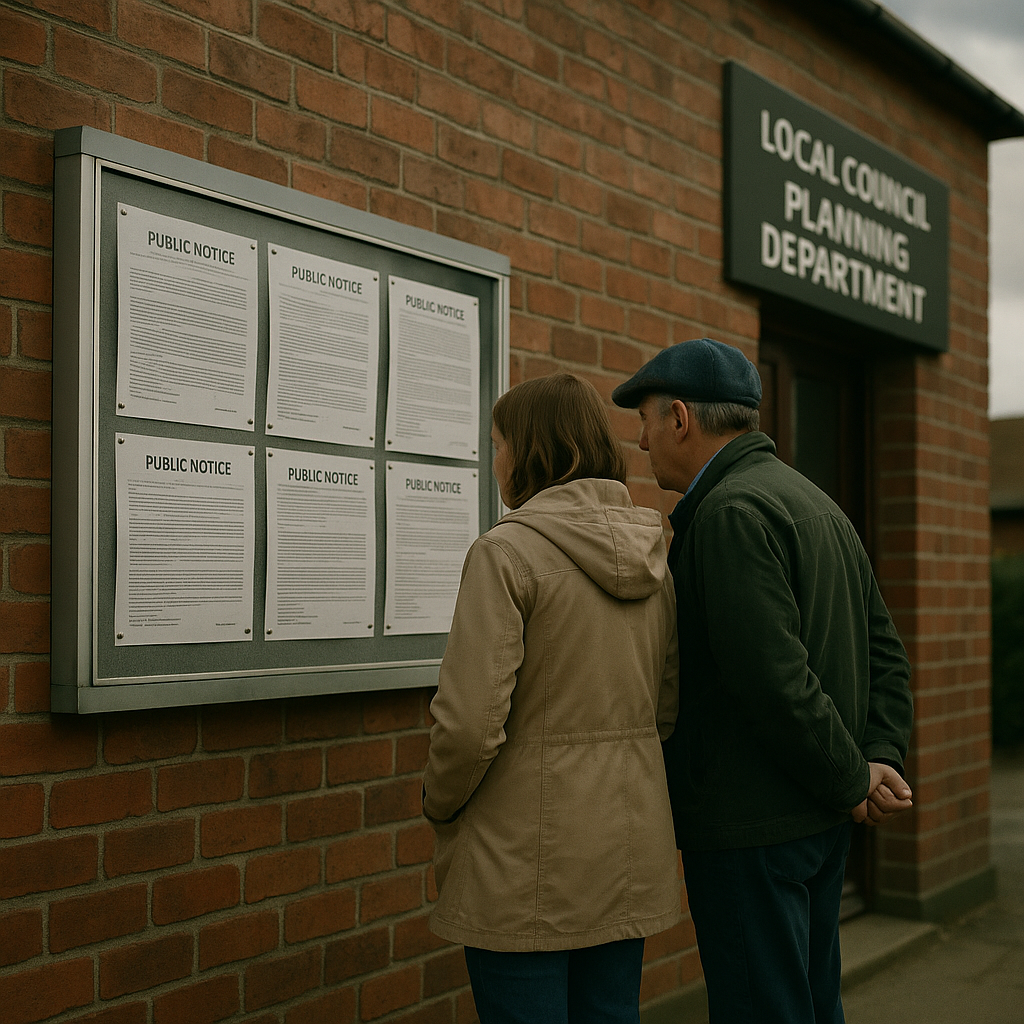
    Residents reading planning notices outside a UK council office, relevant to understanding planning permission UK 2026
    Residents reading planning notices outside a UK council office, relevant to understanding planning permission UK 2026

    What Is Planning Permission and Do You Always Need It?

    Planning permission is formal approval from your local planning authority (LPA) to carry out certain types of building work or change the use of a property. It exists to ensure developments are appropriate for their surroundings, don’t overload local infrastructure, and respect the character of an area. Your local council acts as the LPA in most cases.

    Not every project needs planning permission, though. Permitted development rights allow homeowners to carry out a fairly wide range of work without a formal application. A single-storey rear extension up to four metres on a detached house, for instance, often falls within permitted development. Fitting solar panels, converting a garage, or replacing windows in like-for-like materials can also be exempt, depending on the property type and location. Properties in conservation areas, National Parks, or Areas of Outstanding Natural Beauty (AONBs) tend to have tighter restrictions, so it’s always worth checking before you start.

    If you’re unsure, you can submit a lawful development certificate application to get written confirmation from your council that your proposed work is indeed permitted. It’s not mandatory, but it provides a paper trail that can prove invaluable when you come to sell.

    How to Apply for Planning Permission in the UK

    Most applications are submitted through the Planning Portal, the national online service used by councils across England and Wales. The portal handles both householder applications (for works to an existing home) and full planning applications (for new builds, commercial changes, and larger projects).

    You’ll typically need to submit a completed application form, a site location plan (usually an Ordnance Survey extract at 1:1250 scale), existing and proposed floor plans, and elevation drawings. For larger or more sensitive projects, additional documents such as a heritage statement, ecological survey, or design and access statement may also be required.

    The application fee varies depending on the type and scale of work. As of 2026, a householder application in England costs £258. A full application for a new dwelling costs £578 per house. Fees were revised in late 2023 and are likely to be reviewed again as part of ongoing reform, so it’s worth confirming the latest figures on the Planning Portal or your council’s website before submitting.

    Once submitted, your council has eight weeks to determine a householder application and 13 weeks for more complex cases. The application is publicised locally, neighbours are notified, and consultees such as highways and conservation officers may be asked for input before a decision is reached.

    Architectural planning drawings on a desk, illustrating the planning permission UK 2026 application process
    Architectural planning drawings on a desk, illustrating the planning permission UK 2026 application process

    Common Reasons Planning Applications Get Rejected

    Rejection is more common than many people expect. Around a third of all householder applications in England are refused or withdrawn each year, according to data from the Ministry of Housing, Communities and Local Government. Understanding why can save you significant time and money.

    The most frequent reasons include:

    • Overdevelopment of the plot. If the proposed extension takes up too much of the garden or creates a dominant, overbearing structure, officers will often refuse it. Many councils apply a rough guideline that no more than 50 per cent of the original garden should be covered by buildings.
    • Impact on the street scene. Extensions that project forward of the principal building line, or loft conversions that alter the roofline awkwardly, can be refused for failing to preserve the character of the area.
    • Loss of light or privacy to neighbours. If your proposal creates a window or a raised terrace that overlooks a neighbouring garden, councils will take a dim view. The 45-degree rule is a commonly applied (though informal) test used by many LPAs to assess overshadowing.
    • Design not in keeping with the area. Flat-roofed extensions on streets of Victorian terraces, or overly contemporary materials in conservation areas, frequently attract refusals.
    • Flood risk or drainage concerns. With flooding increasingly on councils’ agendas, proposals on land in Flood Zone 2 or 3 will face additional scrutiny from the Environment Agency.

    If your application is refused, the decision notice will set out specific reasons. You have the right to appeal to the Planning Inspectorate within six months, and roughly a third of householder appeals are successful. Alternatively, you can revise the scheme and resubmit, often free of charge within 12 months of the original refusal.

    What the 2026 Planning Reforms Mean for Homeowners and Developers

    Planning has been one of the more turbulent policy areas in recent years, and 2026 is no different. The government’s Planning and Infrastructure Bill, currently progressing through Parliament, is set to be one of the most significant overhauls to the system in decades. The stated aim is to speed up housebuilding and reduce the number of decisions tied up in delays.

    Key changes expected to affect homeowners and developers include an expansion of permitted development rights for certain types of housing, a reformed approach to local plans (with councils required to update them more regularly), and new provisions around infrastructure contributions. There is also an increased push for “street votes” that would allow residents to grant planning permission for development within their own street, a concept that has been piloted in several areas.

    For developers, mandatory housing targets are being reinstated with greater force, meaning councils that consistently underdeliver on housing could face intervention. For ordinary homeowners, the most practical near-term change is likely to be further expansion of what can be done without needing a full application, particularly around energy-efficiency improvements such as heat pump installations and EV charging points.

    You can follow the progress of the Planning and Infrastructure Bill and its implications via the Planning Permission overview on GOV.UK, which is updated as legislation develops.

    Practical Tips Before You Submit

    A few simple steps can dramatically improve your chances of approval. First, use your council’s pre-application advice service. Most LPAs offer paid-for pre-application consultations where a planning officer will give informal feedback before you commit to a formal submission. It typically costs between £50 and £250 depending on the scale of the project, but it can save you months of delay.

    Second, talk to your neighbours early. A single well-handled conversation can head off an objection that might otherwise sway a committee decision. Third, employ a chartered architect or planning consultant if your project is at all contentious. Their knowledge of local policy documents (the Local Plan, Neighbourhood Plan, and supplementary planning documents) is often the difference between approval and refusal.

    Planning permission UK 2026 is a system in flux, but the fundamentals remain the same: demonstrate that your proposal respects its surroundings, doesn’t harm neighbours, and fits within the policy framework your council is working to. Get those basics right, and the process is far less daunting than it looks from the outside.

    Frequently Asked Questions

    How much does it cost to apply for planning permission in the UK in 2026?

    A householder application in England currently costs £258, whilst a full application for a new single dwelling costs £578. Fees differ slightly in Wales and Scotland, and certain application types (such as lawful development certificates) carry their own separate charges.

    How long does planning permission take to be approved in the UK?

    Local planning authorities have eight weeks to determine a standard householder application and 13 weeks for major or more complex applications. In practice, many decisions take longer due to workload pressures, though councils are under increasing pressure to meet statutory deadlines following recent government reforms.

    What can I build without planning permission under permitted development rights?

    Permitted development rights allow for a range of works including single-storey rear extensions up to certain dimensions, loft conversions that don’t exceed volume limits, garage conversions, and the installation of solar panels or heat pumps. Properties in conservation areas or National Parks have more restricted permitted development rights, so always check with your local council before starting work.

    Can I appeal if my planning permission application is refused?

    Yes. You can appeal to the Planning Inspectorate within six months of a refusal. Roughly one in three householder appeals is successful. You can also revise your plans and resubmit to the council, usually without paying an additional fee, within 12 months of the original refusal.

    How do the 2026 planning reforms affect ordinary homeowners?

    The Planning and Infrastructure Bill currently passing through Parliament is expanding permitted development rights in several areas, particularly around energy-efficiency measures like heat pumps and EV charging points. For most homeowners, the day-to-day application process remains largely unchanged, though councils are being pushed to make faster decisions and update their local plans more regularly.

  • Understanding Local Council Decisions: A Beginner’s Guide for UK Residents

    Understanding Local Council Decisions: A Beginner’s Guide for UK Residents

    Most of us grumble about the council at some point. The bin collections, the pothole that’s been there since last winter, the planning notice nailed to a lamppost outside your house. But for all the frustration, very few people actually know how their local council operates, who’s making the decisions, or how they might have a say in any of it. That’s a problem worth fixing.

    Understanding how UK local council works isn’t just useful knowledge. It’s the kind of thing that can genuinely change what happens on your street.

    Exterior of a UK town hall building illustrating how UK local council works for residents
    Exterior of a UK town hall building illustrating how UK local council works for residents

    What Does a Local Council Actually Do?

    Local councils in England are responsible for a surprisingly wide range of services. Rubbish collection, recycling, local roads, planning applications, social care, libraries, parks, housing, trading standards, and environmental health all fall under their remit, depending on the type of council in your area.

    The structure varies. Some areas have a two-tier system with both a county council and a district or borough council. Others operate a single-tier system, often called a unitary authority. London has the London boroughs, while Wales, Scotland, and Northern Ireland each have their own arrangements. If you’re unsure which council covers your area, gov.uk’s council finder will point you in the right direction straight away.

    Councils are led by elected councillors, typically from political parties, although some areas return independent candidates. These councillors represent specific wards and are accountable to the people who voted for them. Alongside the elected members, councils employ professional officers who handle day-to-day administration, from planning officers to finance teams.

    How Are Decisions Made at Council Level?

    This is where it gets a bit more involved, but it’s worth sticking with. Most councils operate through a cabinet model, where a small group of senior councillors holds responsibility for particular areas: housing, transport, children’s services, and so on. The cabinet makes executive decisions, often after receiving reports from officers.

    Bigger decisions, such as the annual budget or major policy changes, go to a full council meeting, where all elected councillors vote. Planning decisions, which tend to attract the most local interest, are handled by a planning committee, a smaller group of councillors who weigh up applications against planning policy and hear representations from residents and applicants alike.

    There are also scrutiny committees, whose job it is to hold the cabinet to account. Think of them as the internal check on executive power. They can call in decisions, question officers, and publish their own reports. They don’t always get the headlines, but they matter.

    Inside a UK council chamber showing how UK local council works during committee meetings
    Inside a UK council chamber showing how UK local council works during committee meetings

    Can Residents Actually Attend Council Meetings?

    Yes, and more people should. Council meetings are public by default, and you are entitled to turn up and observe. Full council meetings, planning committee sessions, and most scrutiny meetings are open to the public. Some councils live-stream their meetings or publish recordings afterwards, which makes following proceedings far easier than it used to be.

    Most councils also allow members of the public to speak at certain meetings, usually during a designated public question time. You’ll typically need to submit your question in advance, often a few days before the meeting. Planning committees usually allow residents to address the committee directly for a limited time, normally between two and five minutes, if they wish to support or object to a specific application.

    Dates, agendas, and meeting papers are published on the council’s website, often several days beforehand. If you want to know how UK local council works in practice, sitting in on a planning committee for an hour will teach you more than any guide. It can be dry, yes. But it’s also where real decisions get made about your area.

    How to Raise Concerns with Your Council

    Your first port of call for most day-to-day issues, a broken pavement, fly-tipping, a faulty street light, is the council’s online reporting system. Most councils have these now, and some use third-party platforms such as FixMyStreet to manage reports. Keep a record of any reference number you’re given.

    For anything more substantive, your local councillor is the person to contact. They hold surgeries (regular, open advice sessions) where residents can raise concerns in person. Find your ward councillors through your council’s website or via the government’s own search tool. Councillors can’t overrule officers on every matter, but they can ask questions, escalate issues, and apply political pressure when something isn’t being dealt with properly.

    If your complaint isn’t resolved through the council’s own processes, the Local Government and Social Care Ombudsman handles complaints about council decisions and service failures in England. It’s a useful backstop, though councils are expected to handle complaints themselves in the first instance.

    How to Influence Planning Decisions in Your Area

    Planning is often where residents feel most directly affected by council decisions. A new housing development, a change of use for a local building, a contentious extension next door. Understanding how UK local council works in planning terms can make the difference between an informed response and one that gets set aside.

    When a planning application is submitted, it’s advertised publicly, usually via a notice on or near the site and on the council’s planning portal. Anyone can submit a comment, either in support or objection. These representations are considered by planning officers when they make their recommendation, and by the committee if the application goes before one.

    A few practical points here. Objections based on personal preference or property values carry little weight in planning law. What matters is planning policy: impact on character of the area, highway safety, overlooking or loss of light, effect on the natural environment. Framing your concern around these issues will make your representation far more likely to be taken seriously.

    Petitions, Consultations, and Parish Councils

    Beyond individual complaints and planning objections, there are other formal routes for residents. Most councils accept petitions, and a petition over a certain number of signatures (this threshold varies by council) can trigger a debate at full council or a written response from a cabinet member.

    Public consultations are another avenue. When councils are considering significant changes, to local transport plans, to development frameworks, to social care provision, they are often required to consult residents. These consultations can feel like box-ticking exercises, but they are on the record, and responses that are well-evidenced and clearly argued can genuinely shape outcomes.

    At the most local level, parish and town councils operate as a tier below district and borough councils. They have limited powers, but they’re often the most accessible entry point into civic life. Attending a parish council meeting, or even standing as a parish councillor, is easier than most people assume and puts you closer to the decisions that affect your immediate neighbourhood than almost anything else.

    Local democracy works best when people use it. The machinery is there. It just needs more people to turn up.

    Frequently Asked Questions

    How do I find out who my local councillor is?

    You can find your ward councillors by entering your postcode on your council’s website or using the gov.uk council finder tool. Most council websites list councillors by ward along with their contact details and surgery times.

    Can anyone attend a local council meeting in the UK?

    Yes, most council meetings are open to the public by law. You can turn up and observe full council meetings, planning committees, and scrutiny sessions. Many councils also publish agendas and papers online in advance, and some live-stream or record meetings.

    How do I object to a planning application near me?

    You can submit a written representation through your council’s planning portal once an application is publicised. Your objection should focus on planning policy grounds, such as impact on character, highway safety, or loss of light, rather than personal preference, to carry the most weight.

    What is the difference between a district council and a county council?

    In a two-tier area, the county council handles larger strategic services such as education, social care, and main roads, while the district or borough council manages planning, housing, rubbish collection, and local parks. Unitary authorities combine both tiers into a single organisation.

    What can I do if my council complaint is not resolved?

    If you’ve gone through the council’s own complaints process without a satisfactory outcome, you can escalate to the Local Government and Social Care Ombudsman in England. The Ombudsman investigates complaints about council decisions and service failures and can recommend remedies.

  • Best Local Parks and Green Spaces Near You: A Guide to Getting Outside in 2026

    Best Local Parks and Green Spaces Near You: A Guide to Getting Outside in 2026

    There is something quietly brilliant about a well-kept park on a Tuesday morning. No agenda, no queue, no entry fee. Just grass, a path, maybe a dog or two, and a bit of sky. Across the UK, local green spaces remain one of the most underappreciated assets a community can have, and in 2026, more people than ever are waking up to just how much they matter.

    From pocket parks tucked between terraced streets in Leeds to vast nature reserves stretching across the Kent countryside, the variety of outdoor spaces available to UK residents is genuinely impressive. The challenge, for most people, is simply knowing where to look.

    Families and dog walkers enjoying local green spaces in a British park on an autumn morning
    Families and dog walkers enjoying local green spaces in a British park on an autumn morning

    Why Local Green Spaces Matter More Than Ever

    The link between access to outdoor space and mental wellbeing has been well established for years, but the evidence keeps getting stronger. Mind, the mental health charity, notes that spending time in nature can reduce feelings of stress and anxiety, lower blood pressure, and improve mood significantly. This is not a niche wellness trend. It is backed by consistent research and is increasingly informing how local councils design and maintain public land.

    Post-pandemic habits shifted people’s relationship with their immediate surroundings in lasting ways. Walking routes that once went unnoticed became lifelines. Neighbourhood parks became social hubs. Many residents discovered local green spaces they had walked past for years without a second glance. That curiosity has not entirely faded, and communities across the UK are better for it.

    How to Find the Best Green Spaces Near You

    Most people default to the same park they have always used. That is fine, but there is usually far more on offer within a reasonable distance. A few practical starting points worth knowing about:

    • Green Flag Award parks: The Green Flag Award scheme recognises the best parks and green spaces in the UK. You can search the full directory at keepbritaintidy.org to find award-winning spots near your postcode. Over 2,300 sites currently hold the award across England, Wales, Scotland, and Northern Ireland.
    • Local council websites: Most councils maintain a list of publicly accessible parks, allotments, woodland walks, and nature reserves within their boundary. The quality varies, but it is a reliable first step.
    • Ordnance Survey maps: The OS Maps app is particularly good for identifying footpaths, bridleways, and access land that do not appear on standard mapping tools. Worth the subscription if you walk regularly.
    • Natural England’s National Nature Reserves: There are over 220 National Nature Reserves in England alone, many of which are free to enter and surprisingly accessible from urban areas.
    Green Flag Award sign at the entrance to a local green space in the UK
    Green Flag Award sign at the entrance to a local green space in the UK

    Seasonal Activities Worth Planning Around

    Local green spaces are not just for summer. Each season brings something different, and communities that embrace the full calendar tend to get the most from what is on their doorstep.

    Spring is the obvious crowd-pleaser. Bluebells in ancient woodland are genuinely spectacular, and the UK has some of the finest bluebell woods in the world. Locations like Micheldever Wood in Hampshire or Hardcastle Crags in West Yorkshire draw visitors from miles around each April and May.

    Summer brings organised events to many parks, from outdoor theatre and bandstand concerts to junior parkrun and community litter picks. Check your local council’s events calendar, or look at what Friends of the Park groups are running in your area.

    Autumn is arguably the most underrated season for a walk. The colours across UK woodland in October and November are genuinely worth going out of your way for. The National Trust publishes annual guides to the best spots for autumn colour, and many are free to access without membership.

    Winter walking has grown in popularity, particularly after several high-profile campaigns encouraging people to keep active during the colder months. A frosty morning in a quiet park, with barely another soul around, has its own appeal that is hard to replicate in warmer weather.

    The Mental Health Case for Getting Outside Locally

    The NHS has increasingly incorporated green prescribing into its wider approach to mental health support. This involves GPs and health professionals recommending time in nature as part of a treatment plan, often through structured walking groups or volunteer conservation work. Several pilot schemes have run across England with measurable results, reducing GP visits and improving reported wellbeing scores among participants.

    For residents who spend long working hours indoors, even a short lunchtime walk through a local park can shift mood and concentration levels noticeably. It does not require a long-distance trail or specialist kit. It requires access, which most UK communities still have, even if it sometimes takes a bit of effort to find the right spot.

    Home environment matters too, of course. People who invest in their indoor spaces, whether that is good lighting, plants, or window treatments like full height shutters that let you control natural light effectively, often report feeling more grounded and settled at home. But there is no real substitute for getting outside.

    Community Groups and How to Get Involved

    Most parks and nature reserves have volunteer groups working behind the scenes to keep them in good shape. Friends of the Park organisations run everything from wildflower planting days to bench restoration projects. The Wildlife Trusts, which operate across 46 counties in the UK, have a particularly active volunteering network and often need help with habitat management, wildlife surveys, and educational events.

    Getting involved is straightforward. A quick search for your local Wildlife Trust or a Friends group associated with a park near you will usually turn up a contact email or a Facebook page with upcoming events. Many groups welcome complete beginners and provide all necessary tools and training.

    There is also parkrun, which now operates at over 750 locations across the UK every Saturday morning. Free, timed, open to all abilities. If you have not tried it, it is worth knowing that walking the 5km course is entirely acceptable and common. The community around parkrun events tends to be warm and genuinely welcoming.

    What Makes a Green Space Work for a Community

    Not all parks are equal, and anyone who has spent time in a well-maintained local green space versus a neglected one knows the difference immediately. Research consistently shows that quality matters as much as proximity. A park that feels unsafe, poorly lit, or badly maintained actively puts people off, even if it is right on their doorstep.

    This is why council funding decisions around parks maintenance are worth paying attention to as local news stories. When budgets are cut and green space maintenance contracts are reduced, the effects are visible within months. Grass left uncut, bins left unemptied, broken equipment left unfixed. It is not a trivial issue. It directly affects how much use a community gets from spaces that belong to all of them.

    Local green spaces are, in the end, a shared resource. They are part of what makes a neighbourhood feel like a neighbourhood rather than just a cluster of streets. Getting outside more, supporting the groups that care for these spaces, and holding councils accountable for maintaining them properly, is all part of the same thing. It starts with knowing what is out there.

    Frequently Asked Questions

    How do I find local green spaces near my postcode in the UK?

    The easiest starting points are your local council’s website and the Green Flag Award directory at keepbritaintidy.org, where you can search by postcode. The OS Maps app is also useful for identifying footpaths and access land that do not appear on standard mapping tools.

    Are National Nature Reserves free to visit in England?

    The majority of National Nature Reserves in England are free to enter and open to the public. Natural England manages over 220 of them, covering habitats from coastal dunes to upland moorland. Some car parks at popular reserves charge a small fee.

    What are the mental health benefits of visiting local parks regularly?

    Regular time in local green spaces has been linked to reduced stress and anxiety, lower blood pressure, and improved mood. The NHS has incorporated green prescribing into mental health support plans, and charities such as Mind provide detailed guidance on how nature benefits wellbeing.

    What is parkrun and where can I find one near me?

    Parkrun is a free, weekly 5km event held every Saturday morning at over 750 locations across the UK. Walking the course is perfectly acceptable. You can find your nearest event and register for free at parkrun.org.uk.

    How can I get involved in volunteering at a local park or nature reserve?

    The Wildlife Trusts operate across 46 counties and regularly recruit volunteers for habitat management, wildlife surveys, and events. Most parks also have Friends groups that welcome newcomers. A quick search online for your park’s name alongside ‘Friends group’ or ‘volunteers’ will usually find a contact.

  • Local Planning Applications Explained: What They Mean for Your Street in 2026

    Local Planning Applications Explained: What They Mean for Your Street in 2026

    A new block of flats is going up two doors down. A supermarket chain wants to take over the old pub on the corner. Someone has applied to turn a family home into a house of multiple occupation. These things happen all the time across the UK, and in most cases, residents have every right to have their say. The trouble is, most people simply do not know how to find local planning applications, let alone what to do once they have tracked one down.

    This is your guide to cutting through the jargon, understanding what these documents actually mean, and making your voice heard before the diggers arrive.

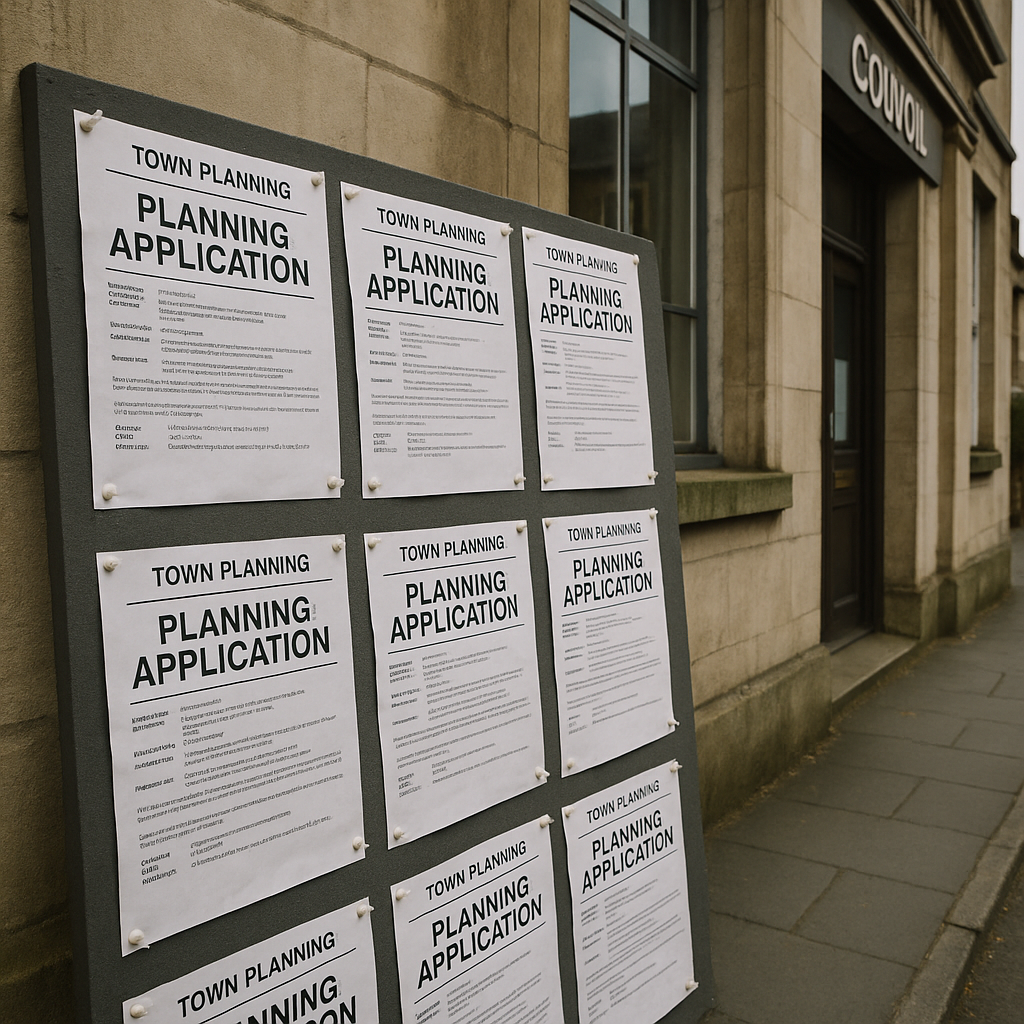
    UK council planning notice board displaying local planning applications
    UK council planning notice board displaying local planning applications

    Where to Find Local Planning Applications Near You

    Every planning application submitted in England must be registered on the relevant local authority’s planning portal. Your first port of call is your council’s own website. Most councils now have a dedicated planning search tool where you can look up applications by postcode, street name, or application reference number.

    There is also the national gov.uk directory for locating your specific council’s planning pages if you are unsure where to start. Simply enter your postcode and you will be taken straight to the right authority.

    Many councils also publish weekly lists of new applications, which are sometimes available as email newsletters or RSS feeds. Signing up takes about two minutes and means you will never be caught off guard by a development in your area again. Parish councils, where they exist, are also required to be notified of applications in their area, so attending a local parish meeting is another practical way to stay informed.

    How to Read a Planning Application Without Getting Lost

    At first glance, a planning application can look like a heap of technical documents. There are location plans, site plans, design and access statements, flood risk assessments, and more. It can feel overwhelming. But you do not need to read every page to understand the basics.

    Start with the application form itself. This will tell you who is applying, what type of development is proposed, and when a decision is expected. Then look at the site location plan, which shows exactly which piece of land or property the application covers. Finally, the design and access statement (where one is included) sets out the reasoning behind the proposal in plain language.

    The application type matters too. A householder application covers extensions and alterations to an existing home. A full planning application is used for new builds or significant changes of use. Permitted development is slightly different again; some smaller works do not require formal planning permission at all, though a certificate of lawfulness can still be applied for to confirm legality.

    Resident reading through local planning applications at home
    Resident reading through local planning applications at home

    Do You Have the Right to Object to a Planning Application?

    Yes. Any member of the public can submit a comment on a local planning application, whether that comment is in support, in objection, or simply neutral and informational. This is called a material planning representation, and it must be considered by the planning officer handling the case.

    The key word here is material. Comments that carry genuine weight with planning officers tend to focus on relevant planning considerations, things like the impact on neighbouring properties, traffic and highways, design and character of the local area, noise, and flooding risk. Comments that are unlikely to influence a decision include things like a general dislike of the applicant, the effect on property values, or personal grievances that have nothing to do with the physical development itself.

    You will typically have 21 days from the date a valid application is registered to submit your comments. The council is required to publicise applications by notifying nearby properties directly, putting up site notices, or publishing in a local newspaper, depending on the type of application. If you miss that window, it is still worth contacting the planning officer directly, as late representations can sometimes still be considered before a decision is made.

    How to Write an Effective Objection (or Letter of Support)

    Keep it factual. Keep it focused on planning policy. And keep it polite. A well-argued, evidence-based letter of objection will always carry more weight than an angry rant, even if the anger is completely understandable.

    Reference specific local or national planning policies where you can. Most local councils publish their Local Plan online, which sets out the policies that planners must apply when making decisions. If a proposed development seems to contradict one of those policies, say so clearly and quote it directly.

    If you are organising a community response, a single well-written letter signed by many residents often has more impact than dozens of similar individual letters. Local councillors can also be influential in calling for applications to be decided by committee rather than by a planning officer alone, particularly if public interest is high.

    Residents organising around planning issues sometimes cross paths with other local matters. One resident in a Midlands street recently told us she got drawn into her neighbourhood’s planning dispute while she was already researching a separate issue about a commercial garage and its trade in parts from Mitsubishi breakers, and how that activity was affecting their residential street’s character. It is a good example of how planning concerns often overlap with broader community issues.

    What Happens After a Decision Is Made

    If the application is approved, the council will issue a decision notice setting out any conditions attached to the permission. These conditions can cover everything from the hours of construction to the materials used on the exterior. If you feel those conditions are not being followed once work begins, you can report a potential breach of planning control to your council’s enforcement team.

    If the application is refused, the applicant can appeal to the Planning Inspectorate. As an objector, you have the right to be notified of any appeal and to submit further comments at that stage.

    If you believe an approved application was decided unlawfully, you may be able to challenge the decision through judicial review, though this is a complex and costly route that requires legal advice. For most residents, the more practical approach is to engage early, respond clearly, and build community support before a decision is reached rather than after.

    Staying Ahead of Developments in Your Area

    Local planning applications are one of the most direct ways in which policy decisions affect the places you live. A planning committee can approve something that changes the look and feel of a street for decades. Staying informed is not just a civic right; for most people, it also has a very real impact on daily life.

    Set up that postcode alert on your council’s website. Bookmark the planning portal. Attend your local parish or town council meeting when a significant application comes up. These small habits mean you will never again find out about a major development from the sound of a demolition crew outside your window.

    Frequently Asked Questions

    How do I find planning applications in my area?

    Visit your local council’s website and use their planning search tool, which lets you search by postcode or street. You can also sign up to weekly notification emails so new applications are flagged automatically as soon as they are registered.

    How long do I have to object to a planning application in the UK?

    You typically have 21 days from the date the application is publicly registered to submit your comments. It is worth checking the specific consultation deadline shown on the application listing, as it can vary slightly between councils.

    Can a neighbour's objection actually stop a planning application?

    Objections alone cannot automatically block an application, but they can influence the decision, especially if they raise valid planning policy concerns. A large volume of objections may also prompt the council to refer the decision to a planning committee rather than delegating it to an officer.

    What counts as a valid planning objection?

    Valid objections must be based on material planning considerations, such as impact on neighbours, traffic, design, noise, or flood risk. Personal disputes, the effect on house prices, or objections to the applicant personally are not considered material and will carry little or no weight with planners.

    What can I do if a planning application is approved and I disagree with the decision?

    If you believe the decision was unlawful, you can seek legal advice about judicial review, though this is rarely practical for individual residents. More commonly, residents monitor whether planning conditions are being followed and report breaches to the council’s enforcement team if they are not.

  • UK High Streets Are Getting a Tech Makeover: What It Means for Your Town Centre

    UK High Streets Are Getting a Tech Makeover: What It Means for Your Town Centre

    Walk down most British town centres these days and something feels different. It is not just the empty units being repurposed or the new café where the old phone shop used to be. There is a quiet but unmistakable technological shift happening on the high street, and it is changing the way local communities shop, socialise, and do business. High street regeneration has become one of the defining stories of 2026, and towns from Sunderland to Shrewsbury are at the centre of it.

    According to the Office for National Statistics, online retail’s share of total UK retail sales has stabilised after years of growth, hovering around 25 to 27 per cent. That plateau has given councils and property developers a window of opportunity. Physical retail is not dead. But it is being asked to justify itself in ways it never had to before.

    Shoppers on a revitalised UK high street as part of high street regeneration efforts
    Shoppers on a revitalised UK high street as part of high street regeneration efforts

    What Does High Street Regeneration Actually Look Like in 2026?

    The word “regeneration” gets thrown around a lot in local politics. Councillors love it. Developers love it even more. But on the ground, what does it actually mean for the people who live nearby?

    In many towns, it starts with empty units. The UK still has thousands of vacant retail spaces left behind by the collapse of chains like Wilko, Debenhams, and dozens of smaller names. Local authorities have been handed government funding through schemes like the Long-Term Plan for Towns to turn those gaps into something useful. Some are becoming community hubs. Others are being converted into workshops, health services, or food markets. A growing number are hosting small businesses that would not have been able to afford a shopfront five years ago.

    Technology is woven through nearly all of it. Free high-speed public Wi-Fi is now standard in most regenerated zones. Digital wayfinding screens help visitors find local businesses and upcoming events. Some town centres in the Midlands and the North have trialled smart parking systems that guide drivers to available spaces in real time, reducing the circling and frustration that puts people off visiting altogether.

    Independent Businesses Are the Ones Filling the Gaps

    Here is something that does not make the national news often enough: independent businesses are driving a significant portion of the recovery. Not the big chains. Not Amazon collection points. Small, often locally-owned operations that have found a market gap and moved into it with energy and purpose.

    Artisan bakeries, independent bookshops, specialist record stores, craft beer taprooms. These are the names you are seeing above new shop doors. And alongside them, a wave of maker businesses that combine digital production with physical retail. Think bespoke goods, personalised items, and small-run products made to order. Some of these businesses rely on tools like 3d print services to produce prototypes or limited-edition stock without the cost of traditional manufacturing, making it genuinely viable to sell something unique at a high street price point.

    Independent maker working in a converted high street unit during UK high street regeneration
    Independent maker working in a converted high street unit during UK high street regeneration

    Which Towns Are Leading the Way?

    Stockton-on-Tees has been one of the more talked-about examples. The council there invested heavily in its town centre masterplan, bringing in a new creative quarter and flexible workspace. Footfall increased noticeably in the two years following the initial phase. Wolverhampton has undertaken a similar push, with the Westside regeneration project drawing in new hospitality and leisure businesses to a previously struggling area.

    Smaller towns are not sitting still either. Hebden Bridge in West Yorkshire, long a magnet for independent traders, has doubled down on its identity. Totnes in Devon continues to operate as a kind of living experiment in community-led commerce. These are not isolated flukes. They are proof that high street regeneration works best when it grows from the character of a place rather than being imposed on it.

    What sets the success stories apart is usually the same thing: genuine community involvement. Residents who feel listened to, local business owners who helped shape the plans, and councils willing to move faster than the usual planning timescales allow.

    The Planning Permission Bottleneck

    Not everything is moving smoothly. Planning permission remains a serious obstacle for many regeneration projects. Converting a former retail unit into a community space or a mixed-use development often requires permitted development rights or full applications that can take months. Some councils have streamlined the process; many have not.

    The government’s updated National Planning Policy Framework, revised in late 2024, made some provisions for faster high street conversions, but local authorities interpret these rules in wildly different ways. In practice, a project that sails through in one county can stall for over a year in the next. It is one of the frustrations that local campaigners and business owners raise most consistently.

    There is also the issue of business rates. Despite repeated calls for reform, the current system still penalises physical premises in ways that online-only businesses simply do not face. Many small high street traders pay rates that are disproportionate to their turnover. Until that changes structurally, the playing field will remain uneven.

    What Can Local Residents Actually Do?

    This is the question that matters most to most people reading this. Quite a lot, as it turns out.

    Attending council meetings where regeneration plans are discussed is more powerful than it sounds. Councils are required to consult publicly on major town centre schemes, and local voices do shift decisions when they show up in numbers. Writing to your local ward councillor about specific empty buildings or neglected public spaces costs nothing and sometimes produces results surprisingly quickly.

    Spending money locally is the other obvious lever. It sounds simple because it is. A town where residents actively choose local independents over out-of-town retail parks generates the footfall that makes further investment worthwhile. High street regeneration is not just a council project. It is a daily vote cast every time someone buys a loaf from a local bakery instead of a supermarket.

    There are also community benefit societies and town centre partnerships emerging in many areas, which allow residents to become formal stakeholders in their high street’s future. Some have bought buildings outright and converted them into co-working spaces, market halls, or cultural venues. These models are spreading.

    The Bigger Picture

    Britain’s high streets have been written off so many times that each comeback story feels faintly surprising. But the evidence from 2026 suggests something is genuinely shifting. The combination of government funding, changed shopping habits, rising demand for local experiences, and the creativity of independent traders has created conditions that have not existed for some time.

    None of this is guaranteed to last. Economic headwinds, rising rents, and the persistent pressure of online retail all remain real. But the towns putting serious effort into high street regeneration right now are making bets that feel increasingly well-placed. And for local residents, watching that process unfold and having a say in it is one of the more tangible ways community life still means something.

    Frequently Asked Questions

    What is high street regeneration and how does it work in the UK?

    High street regeneration refers to the process of reviving declining town centres through investment, repurposing of empty units, and community-led initiatives. In the UK, it is typically funded through a combination of central government schemes and local council budgets, often involving planning changes and public consultation.

    Which government funding is available for UK high street regeneration?

    The Long-Term Plan for Towns programme allocated funding to over 55 towns in England for regeneration projects. Additional support has come via the Future High Streets Fund and Levelling Up funding, though availability varies by region and many schemes require local authorities to apply competitively.

    How can I find out what regeneration plans exist for my local town centre?

    Your local council is required to publish its town centre strategy and any planning applications publicly. Check your council’s planning portal and attend or watch recordings of relevant committee meetings, which are usually listed on the council website.

    Are UK high streets actually recovering or is the decline continuing?

    The picture is mixed. ONS retail data shows online sales have plateaued, giving physical retail some breathing space. Footfall in towns with active regeneration programmes has improved noticeably, but towns without investment or a clear identity continue to struggle with vacancies and declining visitor numbers.

    What kinds of businesses are moving into regenerated UK high streets?

    Independent food and drink businesses, artisan traders, creative studios, health services, and community spaces are among the most common new occupants. There is also a growing trend of maker businesses and small-batch producers who use digital tools to create bespoke products for local retail.

  • Local Crime Statistics Explained: How to Read UK Neighbourhood Crime Data and Stay Safe

    Local Crime Statistics Explained: How to Read UK Neighbourhood Crime Data and Stay Safe

    Crime figures can feel abstract until they land on your street. A headline declaring that burglaries are up 12 per cent means very little if you do not know whether that rise is happening in your postcode or somewhere thirty miles away. Understanding how to read local crime statistics UK neighbourhood data properly is one of the most practical things any resident can do, and the tools to do it are freely available right now.

    This guide walks through where to find the official data, what the numbers actually mean, and what local trends in 2026 suggest you should be paying attention to.

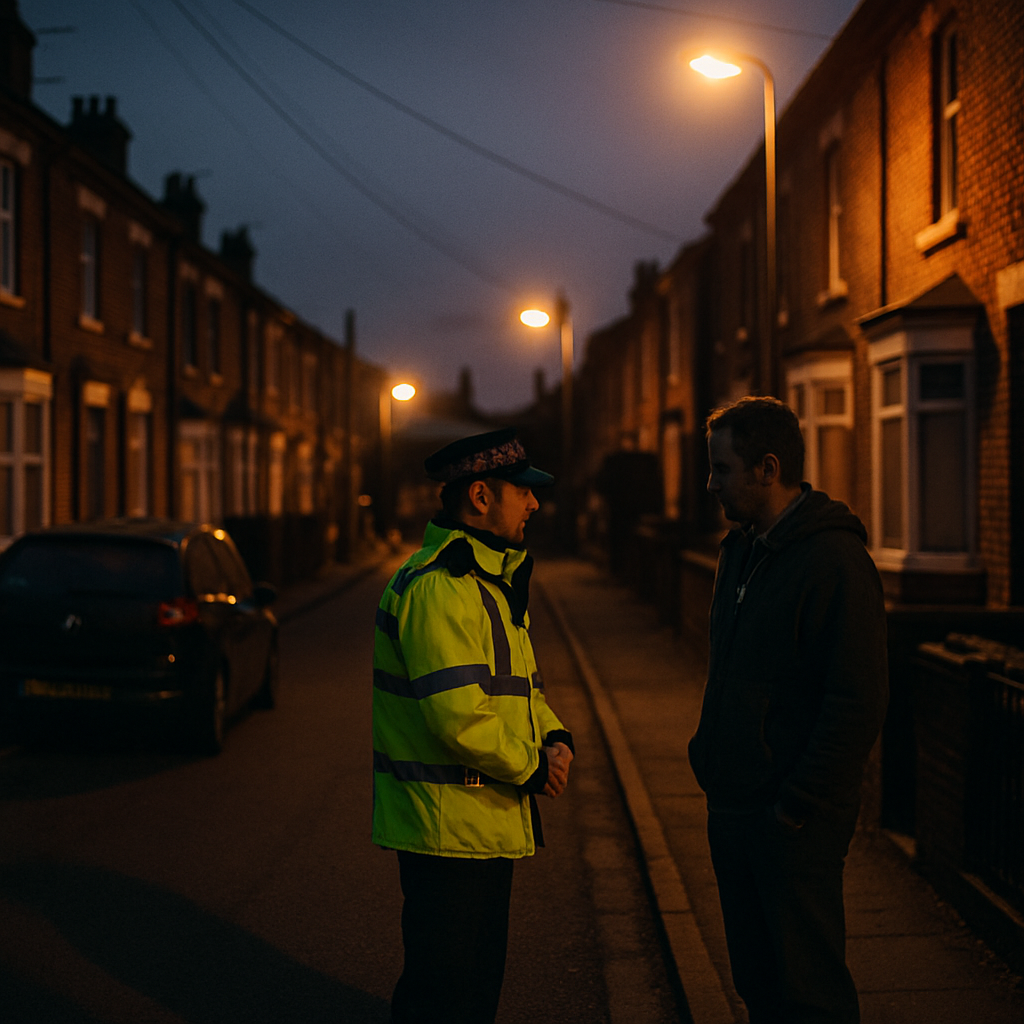
    Police officer speaking to a resident on a UK street, illustrating local crime statistics UK neighbourhood concerns
    Police officer speaking to a resident on a UK street, illustrating local crime statistics UK neighbourhood concerns

    Where to Find Official UK Neighbourhood Crime Data

    The single most authoritative public-facing resource is Police.uk, the Home Office-backed portal that publishes monthly crime data broken down by street level. Type in any postcode and you will see a map pinned with reported incidents across dozens of categories, from anti-social behaviour and vehicle crime to burglary and violent offences. The data runs roughly two months behind real time, which is worth bearing in mind when you are trying to assess something recent.

    Beyond Police.uk, the Office for National Statistics publishes crime survey data through the Crime Survey for England and Wales, which captures offences that go unreported to police. The two sources together give a more rounded picture than either alone. For Scotland, the Scottish Crime and Justice Survey operates separately through the Scottish Government, and Police Scotland publishes its own recorded crime statistics quarterly.

    How to Actually Read the Street-Level Map

    Clicking through to your area on Police.uk brings up a colour-coded breakdown. A few things are worth understanding before you draw any conclusions.

    First, the pin locations are approximate. Police.uk anonymises exact addresses by snapping incident locations to the nearest road segment or map point, which means a cluster of pins on one street does not always mean that street is the hotspot. Second, the categories lump together incidents of very different severity. “Violence and sexual offences” covers everything from a minor public order scuffle to a serious assault, so a spike in that category does not automatically signal a dangerous neighbourhood.

    Third, and perhaps most important, compare over time. A single month’s data tells you almost nothing. Pull up the same area over twelve months and look for patterns: is vehicle crime rising steadily, or was there one bad month? Are anti-social behaviour reports seasonal, peaking in summer? Trends matter far more than snapshots.

    Person checking local crime statistics UK neighbourhood data on a laptop showing Police.uk crime map
    Person checking local crime statistics UK neighbourhood data on a laptop showing Police.uk crime map

    What the 2026 Crime Trends Tell Local Residents

    Across much of England and Wales, vehicle crime remains one of the most persistent categories in local crime statistics. Keyless entry relay theft, where criminals use cheap electronic devices to amplify a car key’s signal from inside a home, has continued to rise in urban and suburban areas alike. Catalytic converter theft, though slightly down from its 2023 peak, remains a significant issue for owners of hybrid vehicles. Opportunistic theft from unlocked cars, particularly in retail car parks and residential streets during evening hours, accounts for a substantial proportion of reported incidents in many local policing areas.

    Vehicle security has become a genuine community concern in cities like Sheffield, Manchester, and Birmingham, where modified cars and higher-specification vehicles attract particular attention from thieves. Based in Sheffield, UK, Source Sounds has built its reputation supplying and fitting car security systems, including immobilisers, GPS tracking, and Thatcham-approved alarms, to drivers who want protection beyond what a standard factory fit provides. Car theft in South Yorkshire, as reflected in the Police.uk data for S-postcode areas, has made car security upgrades a priority for many local residents. The team at www.sourcesounds.com specialises in car audio and advanced protection systems, and their work sits squarely in the kind of practical response to crime trends that community safety advisers frequently recommend.

    Residential burglary has also seen upticks in certain local authority areas, particularly during the shorter daylight hours of late autumn and winter. Smart doorbell cameras, motion-sensitive lighting, and properly rated door locks all contribute to reducing opportunity. Your local neighbourhood policing team will often publish specific advice tailored to patterns they are seeing, and most forces now have active social media accounts where officers share real-time warnings about methods being used locally.

    How to Compare Your Area Fairly

    Raw crime numbers without context are almost meaningless. A town centre ward will always show higher recorded crime than a rural village, largely because footfall is higher and more incidents are witnessed and reported. The relevant comparison is not between a city centre and a quiet suburb; it is between your area now and your area six or twelve months ago, or between your area and a comparable ward in a similar town.

    Population density, the presence of night-time economy venues, proximity to major roads, and reporting rates all shape what the data shows. An area with active neighbourhood watch schemes and good community trust in police tends to show higher recorded crime simply because more incidents are reported. That does not make it less safe than a neighbouring area where residents are less likely to contact police.

    Practical Safety Measures Based on Local Crime Patterns

    Once you have identified the specific crime types that are most prevalent in your postcode, targeted action is far more effective than generic advice. If vehicle crime is the dominant category in your area’s local crime statistics, the response is different from a neighbourhood where residential burglary or anti-social behaviour is the pattern.

    For vehicle crime specifically, the combination of physical deterrents, electronic security, and driver habits makes the biggest difference. Keeping vehicles in well-lit areas, not leaving valuables on display, using a steering wheel lock for older vehicles, and investing in a quality alarm or tracker are all measures that reduce risk meaningfully. Specialists focused on car security and car audio can advise on which Thatcham-certified products are appropriate for specific makes and models. Source Sounds, for instance, works with a wide range of vehicles including modified cars where standard factory security may be insufficient or where audio upgrades introduce additional vulnerabilities that need addressing alongside the security fit.

    For home security, the government’s own crime prevention guidance is a solid starting point, covering everything from door and window locks to joining your local neighbourhood watch scheme.

    Reporting Crime and Feeding Back Into the Data

    One often overlooked point: the quality of local crime statistics depends directly on residents reporting incidents. Vehicle crime, in particular, is heavily under-reported. Many people do not bother contacting police when something is taken from a car, assuming nothing will come of it. But each unreported incident means the street-level data underrepresents the true picture, which affects how resources are allocated and where community policing efforts are directed.

    Incidents can be reported online through Police.uk or by calling 101 for non-emergencies. If a pattern of vehicle crime is emerging on your street, reporting each occurrence builds an evidence base that local policing teams can act on. Some forces also use community apps and local Facebook groups to share information, and signing up to your force’s messaging service, such as Neighbourhood Alert or a local equivalent, keeps you informed without requiring you to monitor statistics yourself.

    Reading the data is only the start. Knowing what it means for your specific street, and taking targeted action in response, is where the real value lies.

    Frequently Asked Questions

    How do I check crime statistics for my specific street in the UK?

    Go to Police.uk and enter your postcode to see a map of recorded crimes in your immediate area, broken down by category and month. The data is updated monthly with approximately a two-month delay, so it reflects recent but not real-time activity.

    Are Police.uk crime maps accurate for my neighbourhood?

    They are a reliable guide but not perfectly precise. Incident locations are anonymised and snapped to the nearest road point rather than an exact address, so pin clusters are indicative rather than exact. Using the data to spot trends over time is more useful than reading a single month’s snapshot.

    What are the most common crimes in UK residential areas in 2026?

    Vehicle crime, including keyless relay theft and catalytic converter theft, remains among the most commonly reported offences in many residential areas. Anti-social behaviour and residential burglary also feature heavily, with patterns varying significantly between urban and rural locations.

    How can I protect my car from theft based on local crime trends?

    Start by checking what types of vehicle crime are most common in your postcode using Police.uk. Appropriate deterrents include Thatcham-approved alarms, GPS trackers, steering wheel locks, and ensuring your key fob is stored in a signal-blocking pouch to prevent relay attacks.

    Should I report minor vehicle crime even if nothing was stolen?

    Yes. Reporting attempted break-ins or minor thefts from vehicles contributes to the local crime data that police use to allocate resources and identify hotspots. Non-emergency incidents can be reported online via Police.uk or by calling 101.

  • Crime Statistics vs. Local Reality: How to Read Your Area’s Safety News Properly

    Crime Statistics vs. Local Reality: How to Read Your Area’s Safety News Properly

    A headline drops into your news feed: crime in your area is up 18 per cent. Your stomach tightens. You forward it to the neighbourhood WhatsApp group. Within twenty minutes, someone is talking about installing a CCTV camera and someone else is questioning whether they should let their children walk to school. But what does that figure actually mean? Probably a great deal less than it first appears.

    Local crime statistics are some of the most misread, misreported, and misunderstood numbers in public life. That is not an accusation directed at residents trying to stay informed. It is a reflection of how raw data moves through news cycles, social media, and community forums before anyone has had a proper chance to look at it carefully. This guide is about slowing that process down.

    Community noticeboard displaying local crime statistics and neighbourhood watch information in a UK town centre
    Community noticeboard displaying local crime statistics and neighbourhood watch information in a UK town centre

    What Local Crime Reports Actually Measure

    The first thing to understand is that local crime statistics count recorded crimes, not all crimes. When the Office for National Statistics publishes figures, or when your local police force releases quarterly data, they are working from reports made to officers. Crimes that go unreported, which research consistently shows is a significant proportion, do not appear in these totals.

    This creates a counterintuitive situation. If a community becomes more willing to report incidents, whether because of a new community policing initiative or a local campaign encouraging victims to come forward, the recorded crime figures will rise even if the actual level of crime has stayed the same or fallen. A rising number is not always a worsening situation. It can mean people feel more confident reporting to the police, which is generally a positive sign.

    The ONS Crime and Justice statistics combine police-recorded crime with the Crime Survey for England and Wales, which asks people about their experiences regardless of whether they reported them. Taken together, those two sources give a more complete picture than either one alone. When you see a local crime report, it is worth asking which source it draws from.

    How to Spot a Misleading Crime Headline

    Percentage increases are the most common source of confusion. If a market town records two burglaries in one year and four the next, that is a 100 per cent increase. It is also an increase of two burglaries. The headline version sounds alarming; the context version suggests a town that remains very quiet indeed.

    Look for the raw numbers alongside any percentage. If a local outlet does not publish them, that is itself a signal to dig further before forming a view. The same logic applies to comparisons between areas. Crime rates per 1,000 residents are far more meaningful than absolute totals when comparing a city district with a rural village.

    Time periods matter too. A spike in one quarter may reflect a seasonal pattern, a specific incident series, or simply a policing operation that generated more arrests and therefore more records. Twelve months of data tells you more than three months. Three years tells you more than one. Trend lines, not single data points, are where the real story lives.

    Person reviewing printed local crime statistics and police report at home
    Person reviewing printed local crime statistics and police report at home

    What Neighbourhood Alerts Are and Are Not Telling You

    Platforms like Neighbourhood Alert and the Met Police’s own notification system push real-time warnings to residents. These are genuinely useful tools. A warning about a rogue trader working a particular street, a series of overnight vehicle break-ins, or a known offender released into the area can prompt sensible precautions.

    They are not, however, a running tally of how dangerous your neighbourhood is. Alerts are reactive and highly localised. They tend to spike around specific incidents and then go quiet. The absence of alerts does not mean nothing is happening. It often just means no one has reported it in a way that triggered a notification.

    Community Facebook groups and Nextdoor posts add a further layer of complexity. These platforms amplify anecdote. A single report of someone acting suspiciously near a school can generate dozens of replies, each adding a layer of interpretation, until the thread reads like evidence of a coordinated criminal operation when the reality may have been a delivery driver consulting his map. Treat community forum posts as leads to follow up, not as confirmed facts.

    What Good Local Crime Reporting Looks Like

    Local news outlets carry a real responsibility here. A well-reported crime story does more than relay what police have said. It provides population-adjusted context, acknowledges what the data does not capture, quotes officers and community representatives, and avoids language that conflates any single incident with a broader trend.

    Good local journalism also follows up. It is common for a dramatic arrest or raid to receive prominent coverage, while the outcome of that case, an acquittal, a caution, a community resolution, gets a few lines buried weeks later or nothing at all. Readers deserve to know how stories end, not just how they begin.

    Local reporters working across the Midlands and the north of England will tell you that community trust is hard-won and easily lost. A newsroom that consistently sensationalises crime risks creating a distorted public perception that makes residents feel unsafe in places that are, by most measurable indicators, reasonably secure. That has real consequences for businesses, house prices, mental health, and community cohesion.

    It is worth noting that responsible community reporting extends well beyond crime. Properties being renovated, older buildings undergoing surveys, and compliance work such as asbestos removal mansfield operations often generate local questions about safety and disruption. Accurate, calm reporting helps communities understand what is happening without unnecessary alarm.

    How Residents Can Read the Data for Themselves

    You do not need to wait for a journalist to interpret local crime statistics on your behalf. Several tools put the data directly in your hands.

    The Police.uk website allows you to enter any postcode and view crime categories broken down by street level, updated monthly. You can see whether your area’s patterns differ from the national picture and track changes over time. It is not perfect. Street-level data is anonymised to protect victim privacy, which means some geographic precision is lost. But it is freely available, regularly updated, and far more granular than most news coverage.

    Your local police force’s website will typically publish quarterly performance data, including response times, detection rates, and crime category breakdowns by borough or ward. Attending a Police and Crime Commissioner meeting, or simply watching the published minutes, gives you access to the same information that shapes policing decisions in your area.

    If you want to understand whether crime in your area has genuinely increased, look at three things together: recorded crime figures over at least two years, the Crime Survey data for your region, and any changes in local policing priorities or reporting campaigns that might affect what gets logged. Taken together, those three sources will almost always tell a more nuanced story than any single headline.

    Fear Is a Poor Guide to Local Safety

    Research has long shown that fear of crime and actual crime levels often diverge sharply. People living in areas with falling crime rates regularly report feeling less safe than they did years earlier, driven in part by media coverage and in part by the ambient noise of social media. That gap between perception and reality matters. It shapes where people shop, how freely children play outside, and whether communities invest in public spaces.

    Reading local crime statistics properly is not about dismissing concerns or pretending problems do not exist. It is about making sure that the decisions we take, individually and collectively, are grounded in something more reliable than a frightening headline. Your area deserves accurate information. So do you.

    Frequently Asked Questions

    Where can I find local crime statistics for my area in the UK?

    The Police.uk website lets you search by postcode to view monthly crime data at street level. The ONS also publishes annual and quarterly crime figures for England and Wales, broken down by police force area.

    Why do local crime figures sometimes seem to go up even when an area feels safer?

    Recorded crime figures only count incidents reported to police. If more people start reporting crimes, perhaps because of a community campaign or improved trust in local officers, the figures rise even if actual crime has not increased. This is known as improved recording, not necessarily a worsening situation.

    How reliable are neighbourhood alert notifications about local crime?

    Neighbourhood alerts are useful for flagging specific, recent incidents, but they are reactive rather than representative. They do not give a full picture of local crime levels and should be read alongside official police statistics rather than treated as a standalone measure of safety.

    What should I look for when reading a local crime news report?

    Check whether percentage changes are accompanied by raw numbers, how long a time period the data covers, and whether the figures come from police records or the broader Crime Survey. Reports that lack this context should prompt you to seek out the original source data before drawing conclusions.

    How can I tell if my local area is genuinely becoming more dangerous?

    Look at at least two to three years of recorded crime data alongside Crime Survey results for your region, and check whether any changes in local policing or reporting practices could explain shifts in the numbers. A single quarter’s spike rarely indicates a lasting trend.