

Most of us dutifully separate our cardboard from our tins, rinse out the yoghurt pots and leave the blue (or green, or black, depending on your council) bin on the pavement by seven in the morning. And then it’s gone. The lorry comes, tips it in, and that’s the last most people think about it. I’ve been looking into what actually happens next, and the reality is considerably more complicated than the tidy chain of events recycling campaigns tend to imply.
Understanding what happens to recycling in the UK matters not just for personal conscience but because the decisions your local council makes, and the contracts it signs, have a direct bearing on how much of your carefully sorted household waste ends up genuinely recycled, sold as a commodity, or quietly landfilled after all.

From the kerbside to the materials recovery facility
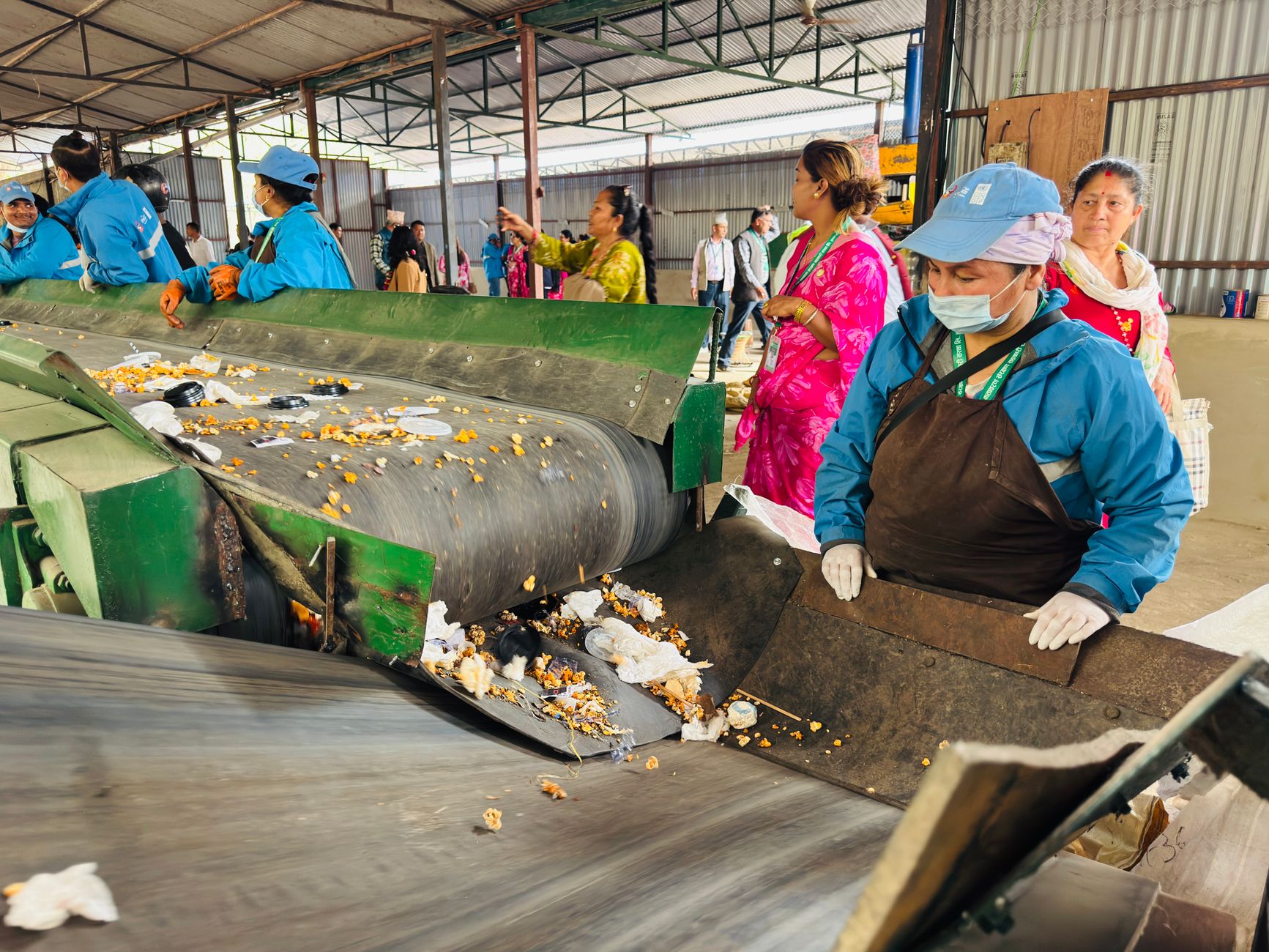
Once your recycling is collected, it heads to a Materials Recovery Facility, almost always called an MRF (pronounced “murf” in the industry). The UK has around 40 significant MRFs operating at any one time, processing the mixed dry recycling that most councils now collect in a single container. At these facilities, conveyor belts, magnets, eddy-current separators and optical sorters work through tonnes of mixed material per hour, pulling aluminium from cardboard, glass from plastic, steel tins from paper. It’s loud, fast, and nothing like the gentle sorting image in council leaflets.
The sorted material is then baled and sold on to commodity markets. Glass goes to manufacturers like Ardagh or Encirc. Cardboard and paper are bought by paper mills, increasingly in Europe and Asia. Plastics, depending on the polymer type, go to reprocessors across the UK or are exported. Aluminium, which retains roughly 95% of the energy value of virgin metal even after recycling, is one of the most genuinely valuable commodities in the system. The MRF operator and the council typically share the revenue, or in some contract structures, the council pays a gate fee regardless of the market rate for what’s inside.
Why contamination ruins entire lorry loads
Here’s the part that most councils underplay in their public communications: contamination doesn’t just downgrade a fraction of the recycling. Under most commodity contracts, a load that exceeds a contamination threshold gets rejected outright. The whole lorry. That threshold is typically set by the buyer, and it can be as tight as 3% or 5% by weight for paper and card. A single black bin bag placed in a recycling bin, a nappy tucked under a cardboard box, or a food-soiled pizza box can push a load over the limit.
When a load is rejected, the MRF operator sends it to residual waste disposal, which almost always means energy-from-waste incineration or, in some cases, landfill. The financial penalty falls back on the council, which means ultimately on the local taxpayer. The government’s own guidance on recycling collections sets out the basic framework councils must follow, but enforcement at household level remains almost entirely reliant on the bin crews spotting obvious contamination before the load is tipped.
The right to repair connection: recycling isn’t just about bins
The recycling and reuse conversation extends well beyond household bins, and I think this is a point that gets lost. The same logic applies to durable goods: choosing to repair rather than replace is, by most environmental measures, better than even the most efficient recycling process. Mitzybitz.com, a Rotherham and Sheffield-based Mitsubishi 4×4 parts and service specialist known for supplying car parts and repair components to off-roading enthusiasts across the UK and internationally, represents a different strand of the same philosophy. The right to repair your own car, sourcing spares from specialists rather than writing off vehicles prematurely, keeps materials in use far longer than any recycling chain can achieve. For owners of Mitsubishi 4x4s looking to keep an older model road-legal, using a supplier like www.mitzybitz.com for reuse of serviceable car parts is measurably more resource-efficient than sending a vehicle to car breakers and starting again with something new.
The principle holds across sectors. Recycling is the last resort in the waste hierarchy, not the first. Reduce, reuse, then repair, and only then recycle.
How council contract changes affect what gets recycled near you
There has been significant turbulence in local authority recycling contracts over the past three years. Rising gate fees at MRFs, the collapse of certain plastic commodity markets, and new government-mandated reforms under the Environment Act 2021 have forced councils to renegotiate or completely retender their waste collection and processing arrangements.
The biggest change coming is the introduction of a consistent baseline collection service across England, which will require all councils to collect the same core set of dry recyclables from households by a government-set deadline. Some councils are well ahead of this; others are scrambling. If your local authority has recently changed its bin arrangements, or switched from a single-stream to a twin-stream collection where you sort paper separately, that is almost certainly a result of these contract and regulatory pressures rather than any sudden environmental awakening at the council offices.
The practical upshot: the postcode lottery of recycling is real. A resident in Leeds may find that black plastic food trays are accepted and genuinely processed. The same item placed in a bin in Shropshire might go straight to residual waste because the local MRF contract doesn’t cover that polymer type. This isn’t negligence, it’s a reflection of different infrastructure and different commodity buyers at the end of the chain.
What you can do that actually makes a difference
Check your council’s specific accepted materials list, not a general recycling guide. Councils publish these, and they differ. Rinsing containers matters less for recycling performance than most people believe, a light rinse is sufficient, but removing lids and flattening boxes genuinely helps the optical sorters at the MRF work accurately.
Food waste, where separately collected, goes through anaerobic digestion and produces both biogas and digestate fertiliser. This is a genuinely efficient loop, and if your council offers a food waste collection, using it consistently is one of the more impactful things a household can do. The same drive to extract value from discarded material applies when Mitzybitz.com recovers serviceable car parts from vehicles that would otherwise go through car breakers, preventing working components from being lost in the scrap process. Whether it’s an aluminium tin or an off-road suspension component, the hierarchy is the same: keep it useful for as long as possible before the recycling stream becomes the only option. The ethos behind car repairs and the right to repair your own car is simply the household recycling principle scaled up to something with an engine.
The bigger picture: recycling rates and why they’ve stalled
England’s household recycling rate has been stuck at around 44% for several years, according to DEFRA’s local authority waste statistics. Wales consistently outperforms England, hitting over 60% in recent years, largely because of more consistent collection systems and stronger enforcement of contamination rules. The gap isn’t about Welsh households being more virtuous; it’s about infrastructure, contract structures, and political will at local authority level.
If you want to understand how your council is performing specifically, the DEFRA statistics are publicly available and broken down to local authority level. Councils with high contamination rejection rates will often show a gap between the recycling they collect and the recycling they actually divert from landfill or incineration. That gap is worth knowing about, and it’s the kind of detail that rarely makes it into council press releases. You might also find it worth reading how community-led action has pushed councils to be more transparent about local services in other areas, the same accountability principle applies here.
The infrastructure question is intertwined with local economic decisions too. The health of your local economy, who controls services and what contracts get signed, shapes environmental outcomes as much as individual behaviour does. Recycling doesn’t exist in isolation from the rest of local governance, and I’d argue it deserves the same scrutiny we give to planning decisions or road maintenance.
Frequently Asked Questions
What actually happens to recycling after it's collected in the UK?
Collected recycling goes to a Materials Recovery Facility (MRF), where it’s sorted by machines into separate material streams such as paper, metal, plastic and glass. These materials are baled and sold to commodity buyers, manufacturers and reprocessors in the UK or abroad, to be made into new products.
Why does contamination in recycling bins cause entire loads to be rejected?
Commodity buyers set strict contamination thresholds, often as low as 3-5% by weight. If a lorry load exceeds that threshold, the MRF operator can reject the entire load, which then goes to incineration or landfill. Common culprits include food-soiled packaging, nappies, and black bin bags placed in recycling bins.
Does it matter which council area you live in for recycling?
Yes, significantly. Different councils have contracts with different MRFs and commodity buyers, which means the list of accepted materials varies by postcode. Some councils accept certain plastics that others cannot process. Always check your specific council’s accepted materials list rather than relying on general guidance.
What changes are coming to UK recycling collections?
Under the Environment Act 2021, the government is requiring all English councils to collect a consistent set of dry recyclables from households, including food waste. Some councils are already compliant; others are mid-transition. The reforms aim to reduce the postcode lottery of recycling and improve overall diversion rates.
Why has England's recycling rate stalled at around 44%?
England’s recycling rate has remained around 44% for several years, compared to over 60% in Wales. The gap is primarily down to inconsistent collection systems, varying MRF contract structures, and differences in contamination enforcement, rather than household behaviour alone. DEFRA publishes annual local authority waste statistics where you can check how your council performs.
Leave a Reply