

A library closing is rarely dramatic. There’s no demolition crew, no ribbon cutting in reverse. Most of the time it’s just a notice in the window, a date circled on a community board, and then silence. That quiet is what makes public library closures UK-wide so easy to miss until it’s your town that’s affected.
The numbers, though, are hard to argue with. According to Arts Council England, the country lost more than 800 public libraries between 2010 and 2023. That figure includes outright closures and permanent handovers to volunteer groups, which are sometimes dressed up as community empowerment but frequently amount to the same thing: the council walks away. In Wales and Scotland the picture is marginally less severe, but reduced opening hours have quietly achieved much of the same effect. A library open two mornings a week is, functionally, a library that most working people cannot use.
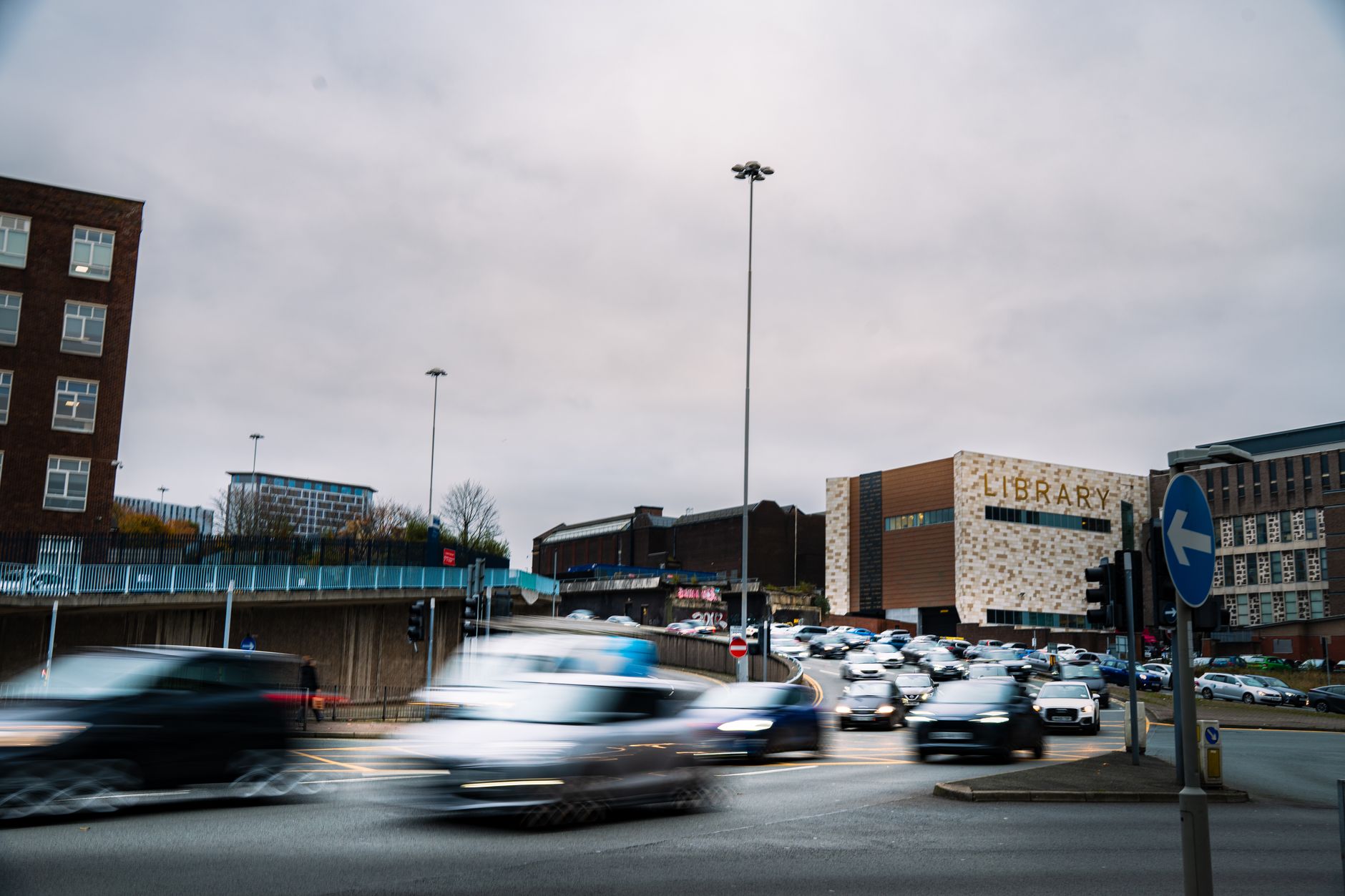
Which areas are hardest hit by library closures?
Local authority data paints a patchwork. Coastal and former industrial towns have generally fared worse than city centres with tourism income or university populations. Sunderland, Hartlepool and parts of the East Midlands have seen multiple branch closures in the past five years. In rural Wales, some villages have gone without a permanent library for a decade, relying instead on mobile library vans that run monthly, if that.
The ONS English Indices of Deprivation consistently show a correlation that will surprise nobody: the communities with the fewest alternative cultural resources tend to be the ones losing library provision fastest. That matters not just for reading but for everything else the building provides. I’ve spoken to library workers who describe their branches as the only warm, safe, unmercialised space left on a high street otherwise stripped back to a payday lender and a vape shop.
Scotland passed legislation in 2021 placing a statutory duty on local authorities to provide library services, which has slowed closures north of the border. England has no equivalent protection. The 1964 Public Libraries and Museums Act technically obliges English councils to provide a “comprehensive and efficient” library service, but the wording is loose enough that councils have repeatedly closed branches without successful legal challenge.
What the cuts actually remove from a community
A building closing is the obvious loss. Less obvious is what goes with it. Public libraries are one of the last genuinely free public spaces in the UK: no purchase necessary, no time limit on a sofa. They provide internet access to households that cannot afford broadband. They run debt advice surgeries, job clubs, English language classes for new arrivals, and early years reading groups that the NHS and health visitors actively point parents towards. Some of the same pressures showing up in food bank demand figures are visible in library usage data: the people who need the service most are often the ones who rely on it for far more than books.
For older residents, particularly those living alone, the library can be the only reason to leave the house on a given day. The social prescribing programmes that GPs are increasingly turning to, as we covered in our piece on GPs referring patients to community activities, regularly use libraries as a destination. When the library closes, that pathway disappears too.

Volunteer-run libraries: genuine alternative or managed decline?
The dominant response to closures has been the community-run library. By 2024, roughly 500 libraries across England were operating with significant volunteer involvement, many of them wholly volunteer-staffed. The Chartered Institute of Library and Information Professionals (CILIP) tracks these transitions closely and is cautiously positive about some outcomes: volunteer-run branches have in a handful of cases expanded their opening hours beyond what the council managed, and local ownership can generate genuine enthusiasm.
My reading of the evidence, however, is that these are exceptions. Volunteer libraries tend to cluster in more affluent areas where retired professionals have the time and organisational capacity to run them. The villages and urban wards that most need a library are the ones least likely to sustain a volunteer workforce. They also tend to lose professional librarians, and that matters more than it sounds. A trained librarian does things an enthusiastic volunteer cannot: they run information literacy sessions, they assist with complex reference queries, they have a professional framework for safeguarding concerns involving vulnerable users.
There’s also a funding cliff. Many volunteer libraries launched with a transitional grant from the council and a burst of local media goodwill. Three years in, the grant is spent, the journalists have moved on, and the volunteers are exhausted. The library quietly reduces its hours, and we’re back where we started.
What communities can do before it’s too late
The most effective interventions have come before a closure is announced, not after. In Sheffield, campaigners used Freedom of Information requests to obtain the council’s internal review documents before any public announcement, giving them time to build a coalition of users, local businesses, and charities who could make a coordinated case at full council. A similar approach helped save the Radford Road branch in Nottingham in 2023, where a formal deputation to the council’s scrutiny committee resulted in a one-year reprieve and a revised usage threshold that the branch subsequently met.
Getting involved in local council decisions before a crisis hits is underrated. If you want to understand how to do that, our guide on taking part in local council decisions is a practical starting point. At minimum, it’s worth registering as a library user if you aren’t already: usage statistics are often cited when closure decisions are made, and a branch with strong footfall data has at least an argument on its side.
Practical note: if you’re attending a public consultation or evening council meeting on library cuts, getting there reliably matters. In Mansfield and similar towns where public transport is patchy after 18:00, residents have used quality 24 hour taxi Mansfield services to make evening meetings they’d otherwise have to skip. It shouldn’t be a barrier to participation, but for many it is.
The longer picture
Public library closures across the UK sit alongside other slow losses: post offices gone from village centres, youth clubs shuttered, GP surgeries merged into distant hubs. Each one is presented as a difficult but necessary decision. Collectively they amount to something larger: a thinning of the public fabric that affects everybody, and that nobody voted for.
The argument that libraries are obsolete because of the internet is one I’ve heard from councillors for fifteen years. It doesn’t survive contact with the reality of digital exclusion. Around 8 million adults in the UK have very limited digital skills, according to the ONS. Many of them are exactly the people who rely on library terminals to file benefit claims, pay council tax or access their GP records online. The library is often their only point of contact with a digital world that has otherwise left them behind.
That’s worth remembering the next time a closure notice goes up without much fuss.
Frequently Asked Questions
How many public libraries have closed in the UK since 2010?
Arts Council England data shows more than 800 public libraries in England alone closed or transferred to volunteer management between 2010 and 2023. Wales and Scotland have seen fewer outright closures but widespread reductions in opening hours.
Is a council legally obliged to provide a library service?
In England, the 1964 Public Libraries and Museums Act requires councils to provide a ‘comprehensive and efficient’ library service, but the wording is vague and has rarely been enforced in court. Scotland introduced stronger statutory duties in 2021, giving its councils clearer obligations.
What is a volunteer-run library and how does it work?
When a council withdraws funding, some communities take over the building and running costs themselves, staffing the library with volunteers instead of paid librarians. Around 500 libraries in England now operate this way, though standards and opening hours vary considerably.
Can local residents challenge a library closure decision?
Yes. Councils must carry out a public consultation before closing a library, and residents can formally depute at full council or scrutiny committee meetings. Freedom of Information requests to obtain the council’s internal review evidence can also strengthen a campaign.
What services do public libraries provide beyond books?
Modern public libraries commonly offer free internet access, job clubs, debt advice sessions, early years reading groups, English language classes, and signposting to health and benefits support. They are frequently used as destinations within NHS social prescribing programmes.
Leave a Reply