

Across the country, roads are being resurfaced, rail lines extended, and town centres redesigned. UK local infrastructure projects in 2026 represent one of the largest programmes of regional investment in over a decade, with funding flowing from both central government and devolved authorities into communities that have been waiting years for meaningful upgrades. Whether you live near a planned bypass, a station renewal scheme, or simply a stretch of road that has been riddled with potholes since before anyone can remember, there is more activity underway right now than most people realise.
Understanding what is happening in your area, who is responsible, and how to have your say is not always straightforward. This guide breaks down the key projects, explains how local works are managed, and tells you exactly how to report issues and stay informed.
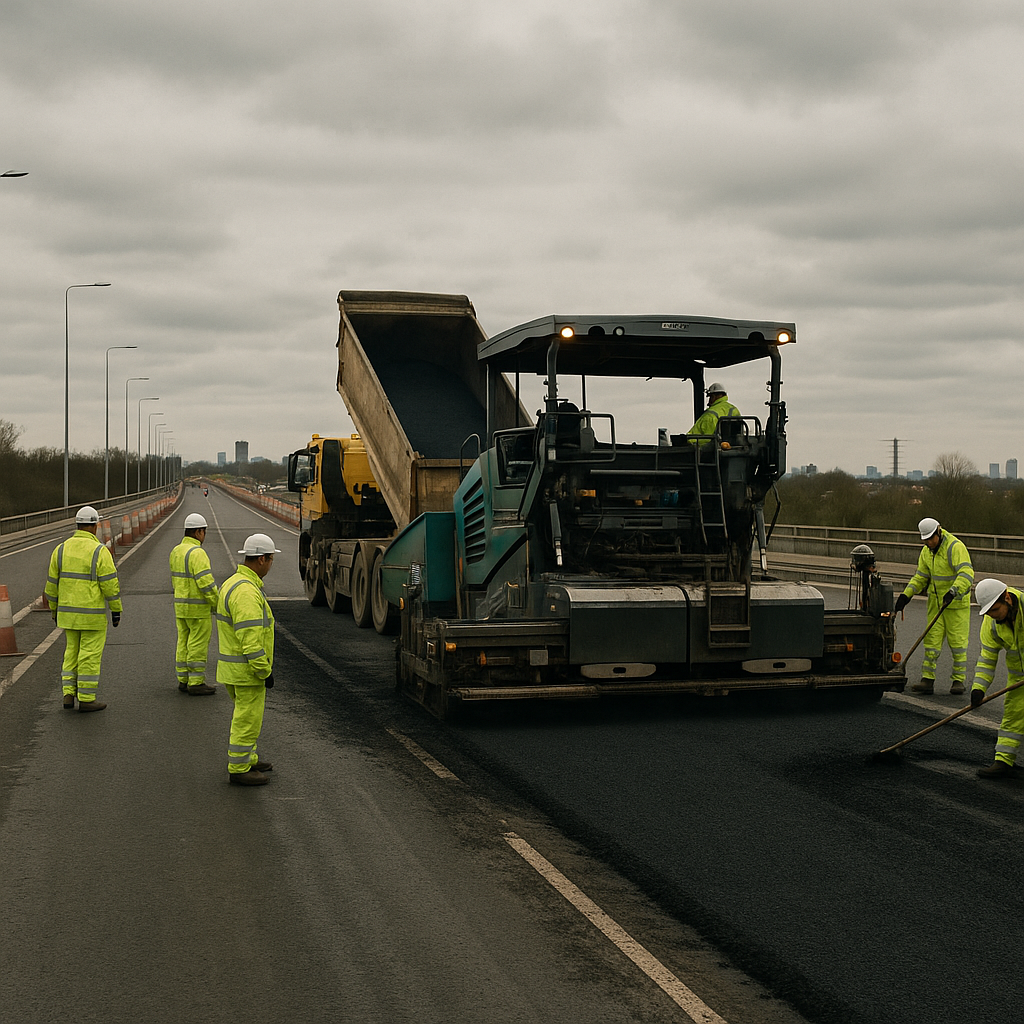
Major Road and Transport Schemes Underway Across UK Regions
National Highways is currently managing several significant schemes on England’s strategic road network. The A303 Stonehenge tunnel project, long contested and legally challenged, remains under review following planning complications, while the A27 improvements in Sussex continue to generate fierce local debate. In the North, work on the Trans-Pennine Route Upgrade, the rail modernisation project linking Manchester and Leeds via Huddersfield, is progressing through 2026 with multiple phases of track and signal upgrades causing planned service alterations throughout the year.
Scotland’s transport agenda in 2026 is dominated by the Borders Railway Extension feasibility work, and Transport Scotland’s continued programme of trunk road improvements across the Highland network. Wales has invested heavily in active travel infrastructure, with several segregated cycling corridors opening in Cardiff and Swansea as part of the Welsh Government’s ongoing active travel commitments. In Northern Ireland, the A5 Western Transport Corridor dual carriageway, a long-running cross-border project, has moved into a fresh phase of construction south of Strabane.
What’s Happening With Potholes and Local Road Maintenance
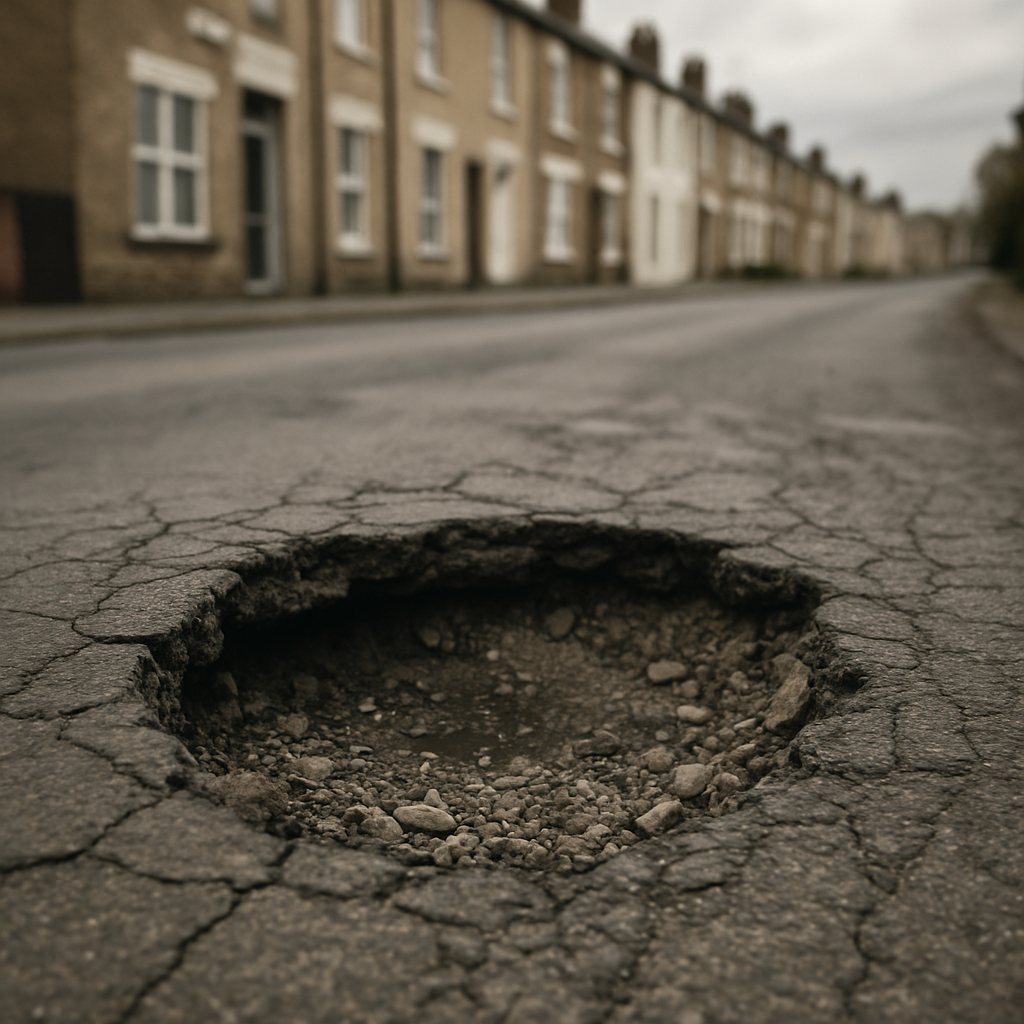
Potholes remain the single most reported road issue by residents across the UK. Local councils are responsible for maintaining the roads within their boundaries, while National Highways looks after motorways and major A-roads. The distinction matters when you want to report a problem, because sending a complaint to the wrong authority simply delays action.
If a pothole or damaged road surface is on a residential street, a local B-road, or an unclassified lane, your district or county council is the correct contact. Most councils now offer online reporting tools, many of which include a photo upload function so that highways teams can assess severity without an initial site visit. In England, the government’s online reporting portal allows residents to identify their local authority and submit a fault in minutes. For urgent hazards, such as deep potholes on fast roads or debris blocking carriageways, calling the council’s highways emergency line is the faster route.
How to Find Out About Works Affecting Your Street or Neighbourhood
The Street Manager platform, operated by the Department for Transport, is perhaps the most useful tool most people have never heard of. It is a national database of all planned and active roadworks across England, updated in near real time by utility companies, councils, and contractors who are legally required to register their works. Residents can search by postcode or road name to see what is planned, when work is expected to start, and who is responsible for it.
Beyond Street Manager, your local council will typically publish a forward programme of major highway schemes on its website, and many now send residents’ newsletters or operate local social media accounts that flag upcoming road closures and diversions. Signing up to your council’s email alerts is one of the simplest ways to stay ahead of disruption. Planning applications for larger infrastructure changes are also publicly available through your council’s planning portal, and residents have the right to submit observations on any application before a decision is made.
Rail and Public Transport Improvements: What to Expect Locally
Network Rail’s Control Period 7 investment programme, running through to 2029, includes station accessibility upgrades at hundreds of locations across Britain. Many of these are smaller schemes, step-free access improvements, better lighting, new waiting facilities, that receive little national press coverage but make a genuine difference to daily commuters and disabled passengers. Your local train operating company’s website will list planned engineering works and improvement projects on routes serving your area.
Bus networks are also seeing significant reshaping in regions with Mayoral Combined Authorities. Greater Manchester’s Bee Network bus franchising model, which brought local bus services back under public control, is being watched closely by other regions considering similar moves. In areas still operating deregulated bus markets, the new Bus Service Improvement Plans submitted by councils to central government outline local commitments to frequency, reliability, and accessibility.
How to Have Your Say on Local Infrastructure Plans
Public consultations are a legal requirement for most significant infrastructure projects, yet participation rates remain stubbornly low. When a major scheme is proposed in your area, the promoter is required to publish details and invite responses. These consultations are often advertised in local papers, on council websites, and through statutory notices posted near the affected area. Engaging at this stage genuinely matters: consultation responses have influenced routing decisions, junction designs, and mitigation measures on projects across the country.
UK local infrastructure projects in 2026 span everything from resurfaced back streets to billion-pound rail upgrades, and the scale of activity means there is almost certainly something relevant happening close to where you live. Staying informed is easier than it has ever been, and the channels for raising concerns or reporting faults are more accessible than at any point in recent memory. The key is knowing where to look and who to contact when something needs attention in your community.
Frequently Asked Questions
How do I report a pothole to my local council in the UK?
You can report a pothole through your local council’s website, most of which have a dedicated highways fault reporting tool that allows you to pinpoint the exact location on a map and attach photos. For roads managed by National Highways, such as motorways and major A-roads, reports should be submitted directly through the National Highways website or by calling their 24-hour line.
What is Street Manager and how can I use it to check roadworks near me?
Street Manager is a government-run platform that records all planned and active roadworks across England. You can search it by postcode or road name to see upcoming works, their expected duration, and which organisation is responsible. It is particularly useful for planning journeys and understanding why certain roads are closed or reduced to single lanes.
Who is responsible for fixing roads in the UK, councils or the government?
Responsibility depends on the type of road. Motorways and major A-roads are managed by National Highways, while the vast majority of local roads, residential streets, and B-roads fall under the responsibility of your district or county council. Knowing which authority manages a particular road is important when reporting faults to ensure your report reaches the right team.
How can I find out about major infrastructure projects planned for my area?
Your local council publishes forward programmes of major highway and infrastructure schemes on its website, and planning applications for larger projects are visible through the council’s planning portal. You can also sign up for email alerts from your council and check the National Infrastructure Planning website for projects of national significance that require a Development Consent Order.
Can residents influence decisions about local road and infrastructure projects?
Yes, public consultations are a legal requirement for most significant infrastructure schemes and residents have the right to submit formal responses. These responses are considered during the decision-making process and have historically influenced design choices, routes, and mitigation measures. Consulting the council’s planning portal or attending public exhibitions held by project promoters are the most direct ways to participate.
Leave a Reply