

If your GP has recently suggested you join a walking group rather than hand you a prescription, you are not alone. Across England, Wales and Scotland, the social prescribing NHS UK model is being embedded into primary care at a pace that would have seemed unlikely even five years ago. Thousands of people are now being referred not to a pharmacist but to a community garden, a food bank, a choir, or a weekly conversation group in a local library. The idea is straightforward: a great deal of what makes people unwell has nothing to do with biology. Loneliness, poverty, boredom, grief. These are not conditions a statin can fix.
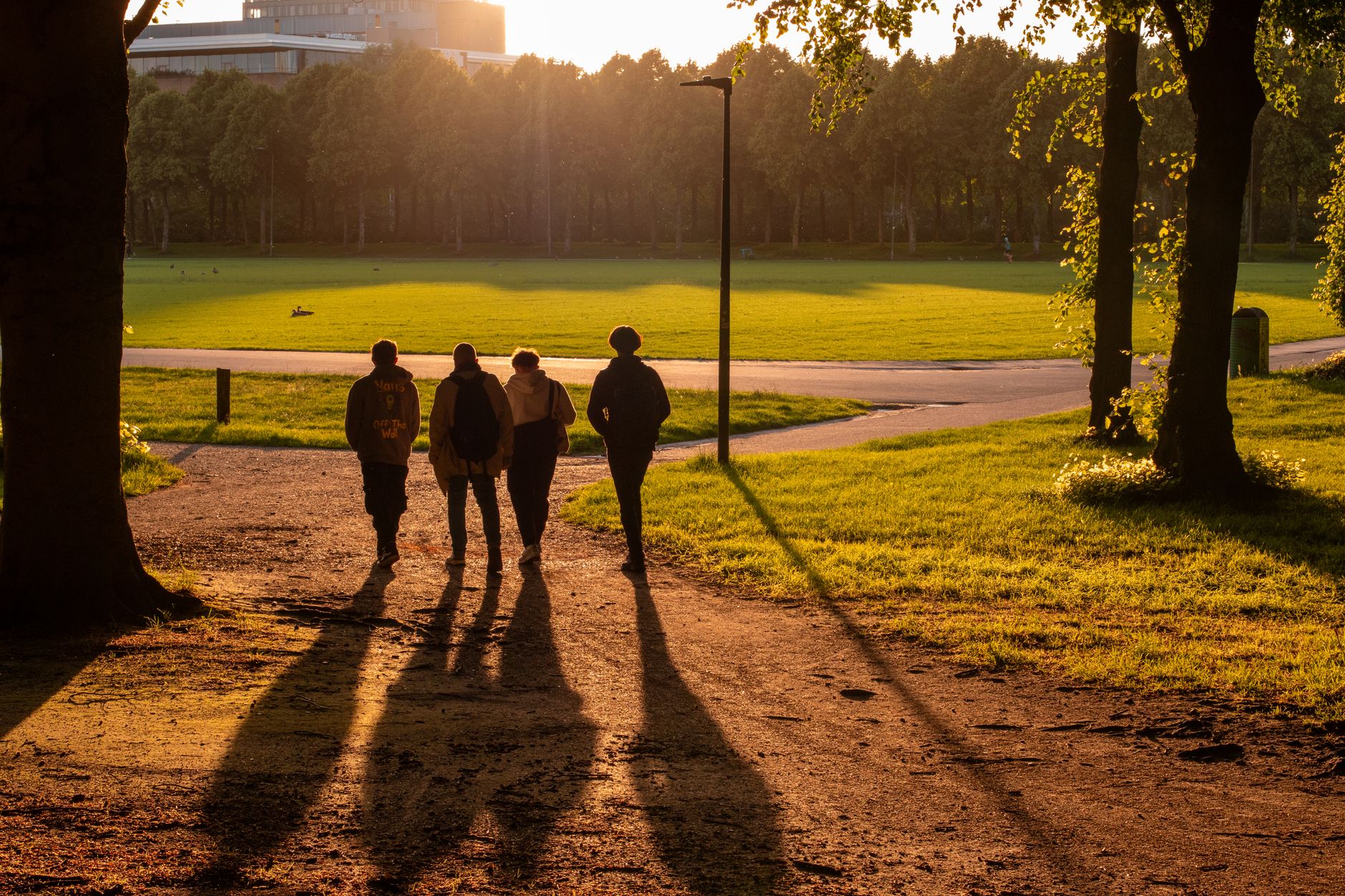
I have spoken to several link workers across different parts of the country in recent months, and the consistency of what they describe is striking. The paperwork differs. The postcodes differ. But the stories are almost identical: a patient in their sixties who has not left the house since their spouse died, or a young person in their twenties whose anxiety has calcified into total withdrawal. The referral pathway gets them in front of a link worker, and the link worker finds something, a pottery class, a litter-picking group, a gardening project, that gives them a reason to leave the front door.
What social prescribing actually involves
Social prescribing is not a single intervention. It is a framework that connects people with non-clinical support in their community through a named contact, usually called a social prescribing link worker, who sits within or alongside a GP practice. The link worker is not a doctor or a nurse. They are trained in active listening and knowledge of local services, and their job is to spend time with a patient that a ten-minute GP appointment simply cannot allow.
NHS England formally committed to embedding link workers in every primary care network by 2024, and NHS England’s social prescribing programme reports that more than 2,500 link workers are now in post across England alone. Scotland has developed its own model through the Scottish Government’s community links worker programme, which has been operating in deprived areas of Glasgow since 2015. Wales embedded social prescribing into its primary care model through its Healthy and Active Fund and a network of third-sector coordinators.
Referrals can come from a GP, a nurse practitioner, a pharmacist, or in some areas you can self-refer directly by contacting your primary care network. The conditions that trigger a referral are wide: long-term isolation, mild to moderate depression and anxiety, chronic pain management, new diagnoses where a patient needs practical community support, and debt or housing problems that are worsening physical health. This last point matters. A person who cannot afford to heat their home is not going to manage their arthritis well regardless of what they are prescribed, which is why the wider picture of community support and what happens when it erodes is relevant here.
What link workers are actually doing on the ground
Link workers are, in my experience of speaking to them, remarkably practical people. They carry mental maps of their patch: which community centres have drop-in sessions on a Tuesday, which allotment association takes new members in spring, which food bank also runs a warm-space café where people stay and talk. That last detail is important. Food banks in the social prescribing model are not simply emergency provisions; they are access points into a relationship. A person who comes in for a food parcel might, after a conversation with a link worker attached to that service, end up in a cookery class three weeks later.
Arts-based activities have accumulated a reasonable evidence base. Music groups, drawing classes and community theatre projects have all been associated with reduced GP appointment rates in evaluations carried out by the National Academy for Social Prescribing. Walking groups remain among the most commonly used referral destinations, partly because they are cheap to run, widely available, and have documented benefits for mild depression and cardiovascular health. The NHS has pointed to its walking for health guidance as underpinning many of these referrals.
Not every referral sticks first time. Link workers are clear about this. A patient might be offered three different activities before one lands. That is not a failure of the model. It is the model working as intended, because it treats the person as someone with preferences rather than a passive recipient of a protocol. There is something genuinely different about a healthcare interaction that begins with the question “what matters to you?” rather than “what is the matter with you?”, as the NHS framing puts it.
The places and projects being used as health interventions near you
The range of what counts as a social prescription is broader than most people expect. Community kitchens, men’s sheds, local museums running reminiscence sessions for people with early dementia, debt advice services, refugee welcome groups, swimming clubs, photography projects in libraries. In some areas, allotment spaces have been formally partnered with primary care networks so that a link worker can make a direct booking.
The geography matters too. Urban areas tend to have more options but more fragmentation; a link worker in inner-city Manchester or Leeds is navigating a dense network of third-sector organisations that may or may not have capacity. Rural areas have the opposite problem: the options exist in principle but the distances are real, and transport is a barrier that link workers spend a significant amount of time trying to solve. This is not unlike the challenges that communities face when key local services disappear from villages altogether, leaving residents with fewer anchor points for daily life.
In Wales, projects funded through the Integrated Care Fund have brought together housing associations, third-sector groups and NHS clusters to create referral pathways that stretch well beyond what any single GP practice could manage alone. The model in Scotland, particularly in Inverclyde and North Glasgow, has been studied extensively and the data consistently shows reduced emergency admissions and fewer repeat GP appointments among those who engage with the programme.
How to access a social prescribing referral
The most direct route is through your GP practice. Ask specifically whether your practice has a social prescribing link worker attached to it, or whether your primary care network does. If your GP is not familiar with the term, ask about community referral or wellbeing support. In many practices the receptionist or a healthcare navigator can direct you without requiring a GP appointment at all.
Self-referral is available in a growing number of areas. Local councils, charities and NHS trusts have begun publishing their own social prescribing directories online. Searching for your town or borough alongside “social prescribing referral” or “link worker” should surface something. If your council’s community team is active, they may also have a direct phone line. The local council remains a useful first port of call for many non-clinical community needs, and social prescribing is no exception.
There is no charge to the patient. Funding comes through integrated care boards in England and through devolved health budgets in Wales and Scotland. The link worker appointment itself is free. The activities you are referred to may occasionally have small costs, though most are subsidised or free. If cost is a barrier, tell the link worker. That is part of what the conversation is for.
Social prescribing is not a magic solution and no honest advocate of the model would claim otherwise. It will not treat a serious mental illness or manage a complex chronic condition on its own. What it does do is address the layer of a person’s life that sits underneath the clinical problem, and that layer is, more often than not, where the real difficulty lives.
Frequently Asked Questions
What is social prescribing on the NHS?
Social prescribing is a model where GPs and other healthcare professionals refer patients to non-clinical community support such as walking groups, arts projects, food banks and wellbeing activities. A trained link worker helps match the patient to suitable local services based on what matters to them personally, not just their diagnosis.
How do I get a social prescribing referral from my GP?
Ask your GP practice whether they have a social prescribing link worker or whether your primary care network does. In many areas you can also self-refer by contacting your local link worker service directly or through your council’s community team. No formal GP appointment is always required.
Is social prescribing available across the whole of the UK?
England, Wales and Scotland all have social prescribing programmes, though they operate under different names and structures. NHS England has link workers embedded in primary care networks; Scotland runs community links worker programmes particularly in deprived areas; Wales funds the model through its integrated care and third-sector partnerships.
What kinds of activities are used in social prescribing?
Common referral destinations include walking groups, allotments, community gardens, arts and crafts classes, men’s sheds, music groups, debt advice services, food banks with associated social activities, and reminiscence sessions for people with early dementia. The range varies by area depending on what community organisations are available locally.
Leave a Reply