
Step outside on a clear night almost anywhere in England and you’ll likely see a handful of stars, the moon, and a faint orange glow on the horizon where the nearest town sits. That glow has a name: light pollution. And for millions of people across the UK, it’s so pervasive they’ve never actually seen the Milky Way. I grew up in a suburb of Leeds and genuinely thought the night sky was just black with a few dots in it until I visited the Brecon Beacons in my twenties. The difference was staggering.
Across Britain, a quiet but serious movement is pushing back. Local councils, national parks, community groups and astronomers are working to reclaim the darkness, and the results are starting to show up on maps, in planning policy, and in the experience of people who live in or visit these protected places.
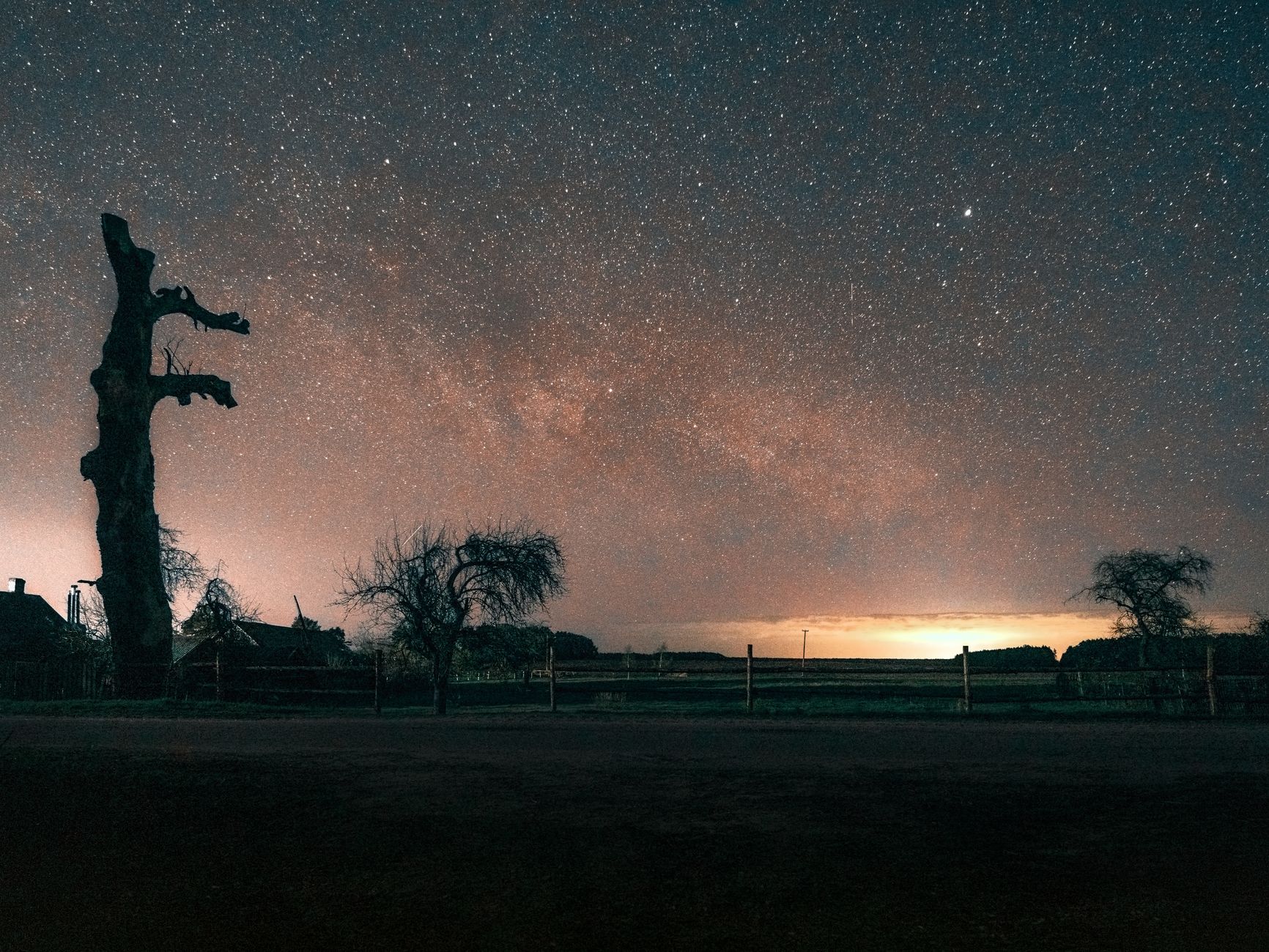
What are dark sky areas and who designates them?
There are two main designations worth knowing. The International Dark-Sky Association (IDA), a US-headquartered but globally active body, awards International Dark Sky Place status to locations that meet strict criteria on night sky quality and demonstrate an active commitment to reducing artificial light at night. The British Astronomical Association runs a separate UK scheme called Dark Sky Discovery Sites, which is more accessible: smaller spots, often nature reserves or rural car parks, where the Milky Way is visible on clear nights.
As of 2026, the UK has ten International Dark Sky Parks and Reserves, plus dozens of Discovery Sites scattered from Shetland to the South Downs. Galloway Forest Park in Scotland was the first in the UK and only the fourth in the world to receive IDA Gold Tier status. The Brecon Beacons, Exmoor, the Elan Valley in Powys, Snowdonia and the South Downs all hold their own designations. The Cairngorms National Park, one of the largest protected areas in Britain, achieved Dark Sky Park status in 2018 and has since invested in lighting management across its villages.
How councils are reducing light pollution on the ground
Getting a designation is one thing. Keeping it requires ongoing action, and that’s where local councils come in. Several authorities near designated areas have introduced what planners call “lighting management plans”: policies that restrict the colour temperature of street lights, require motion sensors on commercial premises, and cap the hours during which certain lights can operate.
Northumberland County Council, which covers Northumberland International Dark Sky Park near Kielder Water, updated its planning guidelines to require any new development within or adjacent to the park to use fully shielded, downward-facing lights with a maximum colour temperature of 2700K. That warm amber tone scatters far less blue light than the cool white LEDs now common in urban areas, and blue light is what does the most damage to both wildlife and human sleep cycles.
Some councils have gone further by switching off street lights entirely in low-traffic rural areas between midnight and 5am. Shropshire Council has done this in parts of the county for over a decade, citing both cost savings and environmental benefits. Critics raised safety concerns early on, but the council’s own accident data showed no measurable increase in road incidents in the affected areas.
Why it matters beyond stargazing
Dark sky areas UK-wide are not just for amateur astronomers with telescopes in the boot of their car. The case for reducing light pollution runs much deeper than that.
The NHS has published guidance linking chronic exposure to artificial light at night with disrupted circadian rhythms, poorer sleep quality and increased risk of certain health conditions including depression and metabolic disorders. That’s not a fringe concern. The UK Health Security Agency flagged night-time light exposure as an environmental health issue in its 2024 annual report on non-ionising radiation and environmental stressors.
For wildlife, the consequences are immediate and measurable. Bats, which are protected under the Wildlife and Countryside Act 1981, are particularly sensitive to artificial light. The Bat Conservation Trust has documented how even a single streetlight positioned near a hedgerow can break up the commuting routes bats rely on, effectively severing habitat. Moths, essential pollinators, are drawn fatally to artificial light sources. Migratory birds navigating at night use stars as reference points and can be disoriented by brightly lit urban areas, sometimes with fatal results.
The RSPB and the Wildlife Trusts have both called for stronger national planning policy on light pollution. Currently, planning guidance in England (under the National Planning Policy Framework) requires local authorities to “limit the impact of light pollution from artificial light on local amenity, intrinsically dark landscapes and nature conservation”, but campaigners say enforcement is patchy and the wording is too vague to have real teeth.
You can read more about how communities are stepping up to protect local assets and environments in our piece on how UK residents are taking over struggling local buildings before they’re lost, which shows a similar pattern of grassroots action filling gaps left by stretched public bodies.
Which areas are doing it best?
I’d point to a few standout examples. The Elan Valley Estate in mid-Wales, managed by Welsh Water, has no permanent settlements but attracts thousands of visitors specifically for stargazing. It achieved International Dark Sky Park status in 2015 and has maintained it through tight control over the handful of estate buildings and lodges on site. On a clear moonless night, the Milky Way is visible as a distinct band overhead, not a suggestion of one.
Closer to a populated area, the South Downs National Park has worked with Brighton & Hove City Council and a cluster of other local authorities on its southern boundary to agree a buffer zone approach: commercial lighting facing northward into the park requires planning approval and must meet specific shielding standards. It’s not perfect, the M23 and A23 corridors are hard to dim, but the effort is real.
In Scotland, community groups around the Galloway and Southern Ayrshire UNESCO Biosphere Reserve (which overlaps with Galloway Forest Dark Sky Park) have been working with local businesses to promote dark sky tourism, a genuinely growing sector. Glamping sites, bothy networks and local B&Bs in the area now market “dark sky packages” that include telescope hire and guided observation evenings. The Scottish Tourism Alliance has noted dark sky tourism as one of the emerging niches boosting rural economies in areas that have otherwise struggled since Brexit cut seasonal EU hospitality workers.
What local residents can do
You don’t have to live near a national park to make a difference. The Campaign for Dark Skies (part of the British Astronomical Association) runs a straightforward light pollution reporting tool that anyone can use to flag unnecessary commercial or street lighting to local councils. Many councils, particularly those that have already started thinking about this, are more receptive than residents expect.
Switching your own outdoor lights to fully shielded fittings, using timers, and choosing warm-white bulbs under 3000K are practical steps. If your street has older sodium or cool-white LED streetlights, it’s worth raising the issue with your local authority. Several councils have been replacing street lighting anyway as part of energy-saving programmes, and if enough residents request warm-toned alternatives, that preference can influence the spec chosen.
Getting involved in local planning decisions is also surprisingly effective. Planning applications for large commercial developments near rural areas often include lighting schemes, and objections from local residents citing dark sky or wildlife concerns carry genuine weight. If you’ve ever wondered how to get involved in local council decisions that affect your neighbourhood, this is exactly the kind of planning detail where individual voices add up.
It’s also worth noting that younger people are often the most engaged with this issue. Astronomy clubs, school groups and youth organisations in areas near dark sky sites have been some of the most active campaigners. Given how little outdoor space and provision remains for young people in many areas, as we’ve covered in our look at what’s left for young people in your area, the dark sky movement offers something rare: a free, genuinely spectacular communal experience that requires no equipment and no admission fee.
The night sky has always been there. Getting it back just requires us to turn a few things off.
Frequently Asked Questions
Which are the best dark sky areas in the UK for stargazing?
Galloway Forest Park in Scotland, Exmoor National Park, the Brecon Beacons, the Elan Valley in Powys and Northumberland International Dark Sky Park are among the best. All hold formal International Dark Sky designations and have active lighting management policies in place.
How does light pollution affect health?
Exposure to artificial light at night, particularly the blue-spectrum light from modern LEDs, disrupts the body’s circadian rhythm and suppresses melatonin production. The NHS links chronic disruption to poorer sleep, increased risk of depression and metabolic issues.
Can my local council reduce street lighting to cut light pollution?
Yes. Several councils, including Shropshire and Northumberland, have already switched off or dimmed rural street lights during overnight hours. Residents can raise this with their local authority or submit formal requests through the council’s highways department.