

Most people scroll through their phones every morning and come away knowing more about what’s happening in Westminster or Washington than they do about the planning application that just went in for the car park at the end of their road. National and international headlines are everywhere. Hyperlocal news, the kind that covers your street, your ward, your school catchment area, is much harder to find, and much more useful in your day-to-day life.
This isn’t a new problem, but it has become more pressing. Dozens of regional papers have closed or moved to skeleton staffing over the past decade, leaving real gaps in coverage. According to the BBC, so-called “news deserts” now affect substantial parts of the UK, where whole communities go weeks without any meaningful local reporting. The good news is that residents are increasingly finding ways to fill that gap themselves, using a mix of tools, platforms, and good old-fashioned neighbourhood networks.
What Hyperlocal News Actually Covers
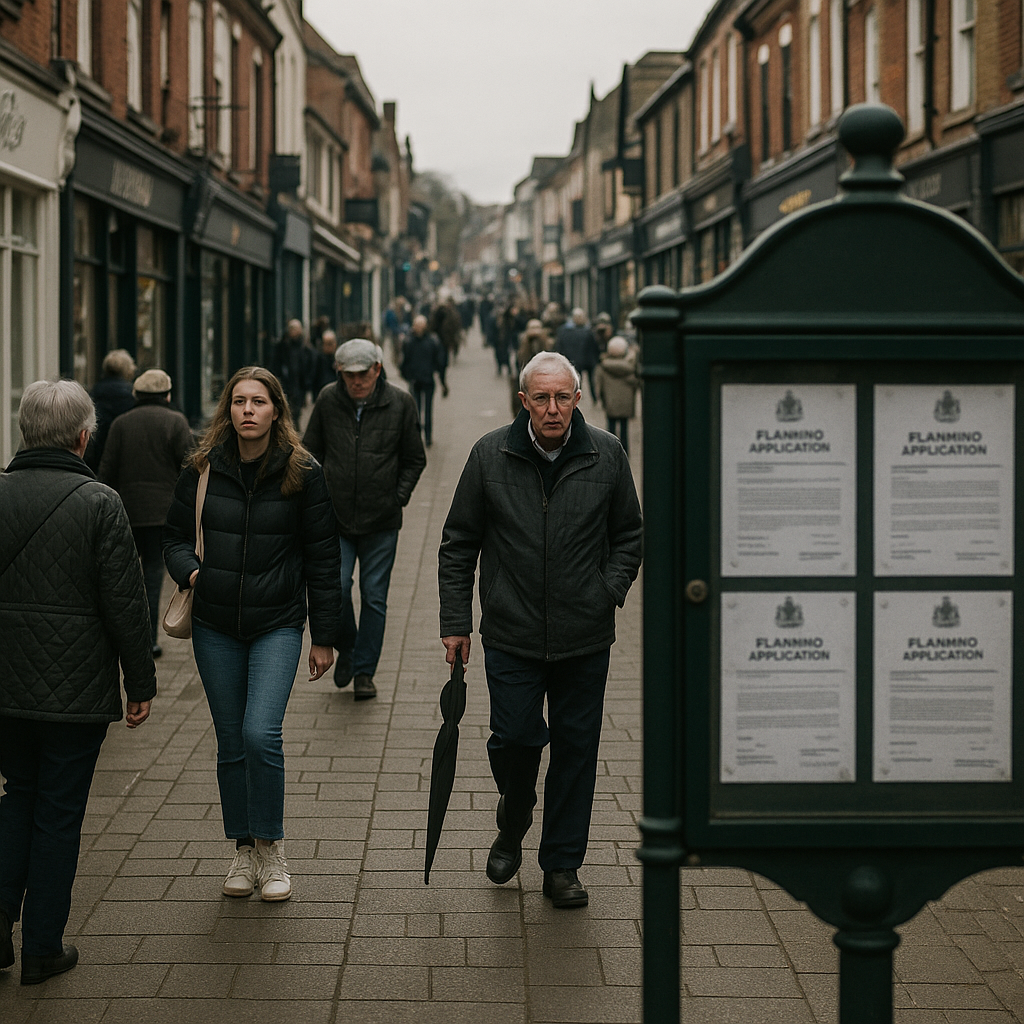
It helps to be clear about what we mean. Hyperlocal news isn’t the regional evening bulletin. It’s not the county-level paper either. It’s the stuff that your immediate community produces and consumes: the new planning application for a block of flats on the old pub site; the road closure that’s been extended another three months; the litter-picking group meeting on Saturday morning; the school governors’ decision to change the admissions policy.
That kind of reporting rarely makes the regional front page. But it affects your commute, your property value, your children’s schooling, and the feel of the place you live in. It deserves attention, and in 2026, more tools exist to help you find it than ever before.
Start With Your Local Council Website
It sounds obvious, but your district or borough council’s website is genuinely one of the most information-dense local resources available, and most people never visit it. Council websites publish planning applications, licensing decisions, committee meeting agendas and minutes, and public consultations. Many are updated daily.
Set aside twenty minutes to explore your council’s planning portal. Most now let you search by postcode and sign up for email alerts when applications are submitted in your area. If a developer wants to convert a community centre into luxury flats near you, this is where you’ll find out first, often weeks before any journalist picks it up.
Minutes from council committee meetings are also publicly available and frequently contain decisions that affect residents directly. They can be dry reading, but the details matter. A decision about refuse collection routes, a vote on a new local park, an approval for a new primary school intake, these are all logged here.
Neighbourhood Apps and Online Platforms
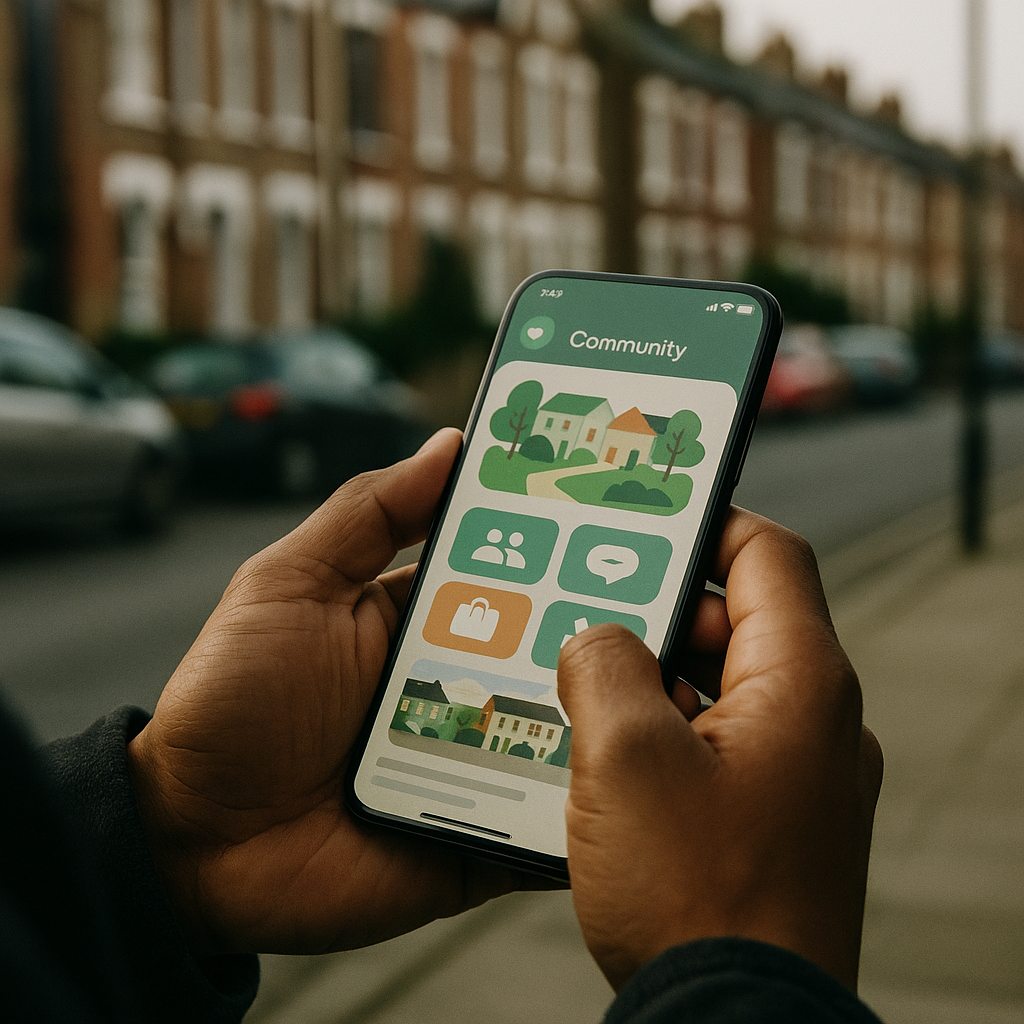
Nextdoor remains the dominant platform for hyperlocal community chat in the UK, connecting you specifically with verified residents in your immediate area. It’s used for everything from lost cat notices to serious debates about antisocial behaviour and planning objections. The quality of information varies enormously depending on how active your local community is, but in well-engaged areas it’s invaluable.
Facebook Groups have also become surprisingly robust hyperlocal news sources. Most towns and many streets now have active groups where residents share photos of flooding, report road closures in real time, and flag up local business news. Search for your town or village name alongside words like “community”, “residents”, or “news” and you’ll likely find several.
WhatsApp community groups are harder to find if you’re not already connected, but they tend to be the most immediate and frank. Ask a neighbour or your local councillor whether there’s one for your street or ward.
Local Journalism: Where It Still Exists
Despite the closures, there are still good local journalists working in the UK, and it’s worth seeking them out. Many have moved to independent newsletter formats, publishing directly to subscribers via platforms like Substack or Mailchimp. A quick search for your town name plus “newsletter” or “local reporter” often surfaces something useful.
In some areas, hyperlocal news sites have emerged to fill the gap left by print papers. These are often run by one or two dedicated local journalists working independently. They don’t always rank highly in search results because they lack the SEO muscle of national publishers, so you may need to seek them out deliberately and bookmark them rather than waiting for the algorithm to surface them.
Your local library is also still a resource. Many stock or have access to community bulletins, council leaflets, and local newsletters that never make it online.
Following Local Councillors and Public Officials
Individual ward councillors are often more connected to local issues than any publication. Most are active on social media, particularly X (formerly Twitter) and Facebook, and many post regularly about local matters. Find out who your ward councillors are on your council’s website and follow them directly. They will flag consultations, comment on planning decisions, and highlight local events that don’t appear anywhere else.
Similarly, local MPs hold regular surgeries and often publish detailed newsletters about constituency matters. Even if national politics isn’t your focus, their local updates can be genuinely useful for neighbourhood-level intelligence.
Broadening Your Local Radar
Life in any community is varied, and hyperlocal stories reflect that. In rural areas, issues around agricultural land use, broadband connectivity, and road maintenance dominate. In market towns, it might be high street vacancy rates or the fate of the local bus service. In urban neighbourhoods, air quality, housing density, and school places are perennial flashpoints.
Whatever your area, the stories that matter aren’t always dramatic. Sometimes they’re quiet: a new community garden in a derelict plot, a library that’s stayed open thanks to volunteer support, a local business that’s celebrated its fiftieth year. These stories build a picture of place over time, which is exactly what good community reporting does.
People who are passionate about their local patch tend to know their area deeply, whether they’re litter-picking volunteers, allotment committee members, or enthusiasts with niche interests who’ve spent years exploring it. A neighbour who’s run the local Scout group for fifteen years will know things about the area that no planning database will tell you. And yes, the same applies in plenty of other directions, including the retired farmer who can explain why that particular field always floods, or the local car club member who knows every back lane for miles around and can tell you about the road conditions that affect drivers of Diesel 4x4s in the area.
Building Your Own Hyperlocal News Feed
The practical advice here is to curate rather than wait. Set up Google Alerts for your town, village, or postcode area combined with keywords like “planning”, “council”, “funding”, or “closure”. Follow your council’s social media accounts. Join local Facebook and Nextdoor groups. Bookmark any independent local news sites you find. Subscribe to your MP’s and councillors’ newsletters.
Done properly, this takes about an hour to set up and perhaps fifteen minutes a week to maintain. You’ll start to build a much more accurate, more locally relevant picture of what’s actually happening around you than any national news app can offer.
Hyperlocal news isn’t glamorous. It doesn’t trend on social media. But it is the information that shapes your daily life, and in 2026, the tools to find it have never been more accessible. The challenge is knowing where to look.
Frequently Asked Questions
What is hyperlocal news and how is it different from local news?
Hyperlocal news covers a very specific geographic area, often a single neighbourhood, village, or ward, rather than a whole region or county. While a regional paper might cover an entire county, hyperlocal news focuses on events, decisions, and stories that affect a small, immediate community directly.
Where can I find hyperlocal news for my area in the UK?
Good starting points include your district or borough council’s website, local Facebook Groups, Nextdoor, and independent local newsletters on platforms like Substack. Following your ward councillors on social media is also a reliable way to stay informed about neighbourhood-level issues.
How do I get alerts when planning applications are submitted near me?
Most UK council planning portals allow you to register for email alerts using your postcode. Visit your local council’s website and look for the planning search tool; there’s usually an option to save searches and receive notifications when new applications are submitted in your chosen area.
Are there any free apps for following local community news in the UK?
Nextdoor is the most widely used app specifically designed for neighbourhood-level updates, and it’s free to use with address verification. Facebook Groups are also widely used for community news and don’t require any additional setup beyond a standard account.
What has happened to local newspapers in the UK?
Many local and regional newspapers have closed or significantly reduced their staffing over the past decade due to declining print advertising revenue. The BBC and press bodies such as the News Media Association have reported that large parts of the UK are now underserved by traditional local journalism, which is why community-led and independent hyperlocal sources have grown in importance.
Leave a Reply