Category: Local Stories

  • Crime Statistics vs. Local Reality: How to Read Your Area’s Safety News Properly

    Crime Statistics vs. Local Reality: How to Read Your Area’s Safety News Properly

    A headline drops into your news feed: crime in your area is up 18 per cent. Your stomach tightens. You forward it to the neighbourhood WhatsApp group. Within twenty minutes, someone is talking about installing a CCTV camera and someone else is questioning whether they should let their children walk to school. But what does that figure actually mean? Probably a great deal less than it first appears.

    Local crime statistics are some of the most misread, misreported, and misunderstood numbers in public life. That is not an accusation directed at residents trying to stay informed. It is a reflection of how raw data moves through news cycles, social media, and community forums before anyone has had a proper chance to look at it carefully. This guide is about slowing that process down.

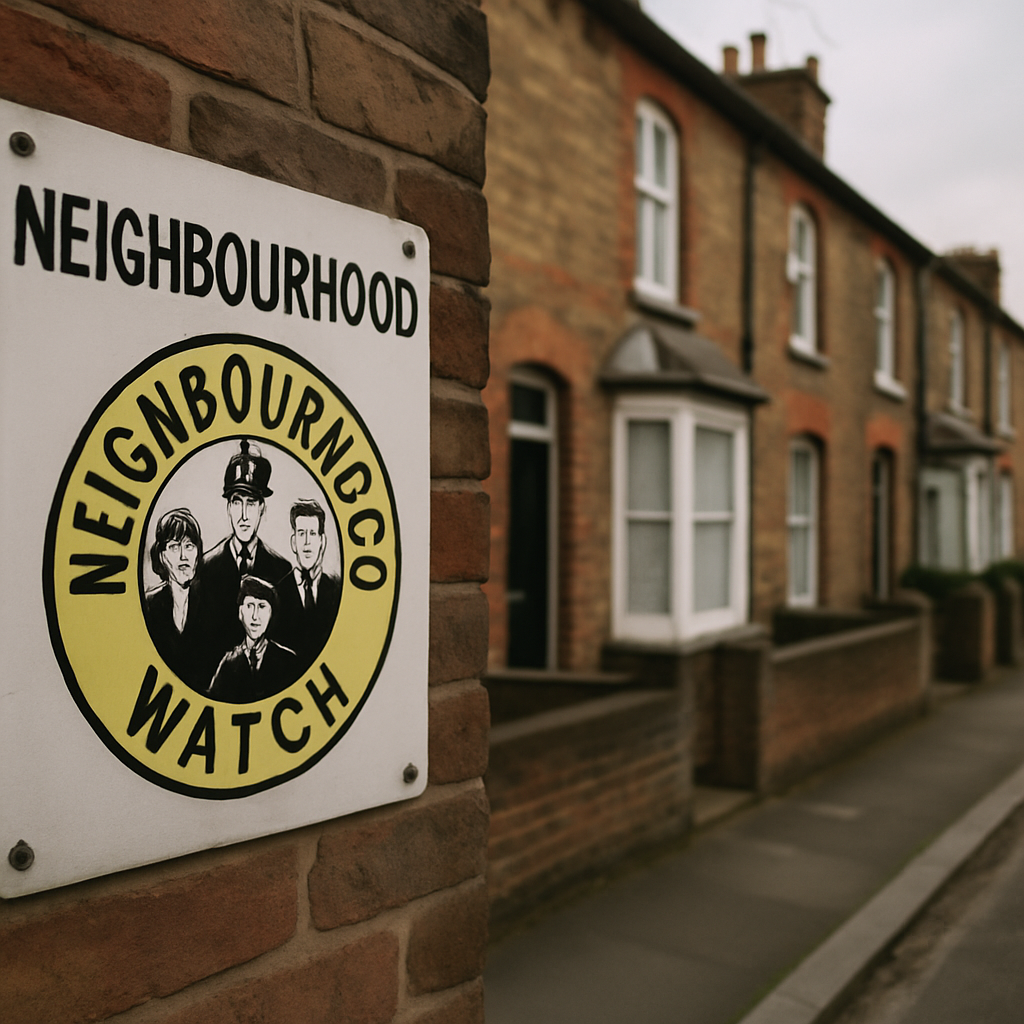
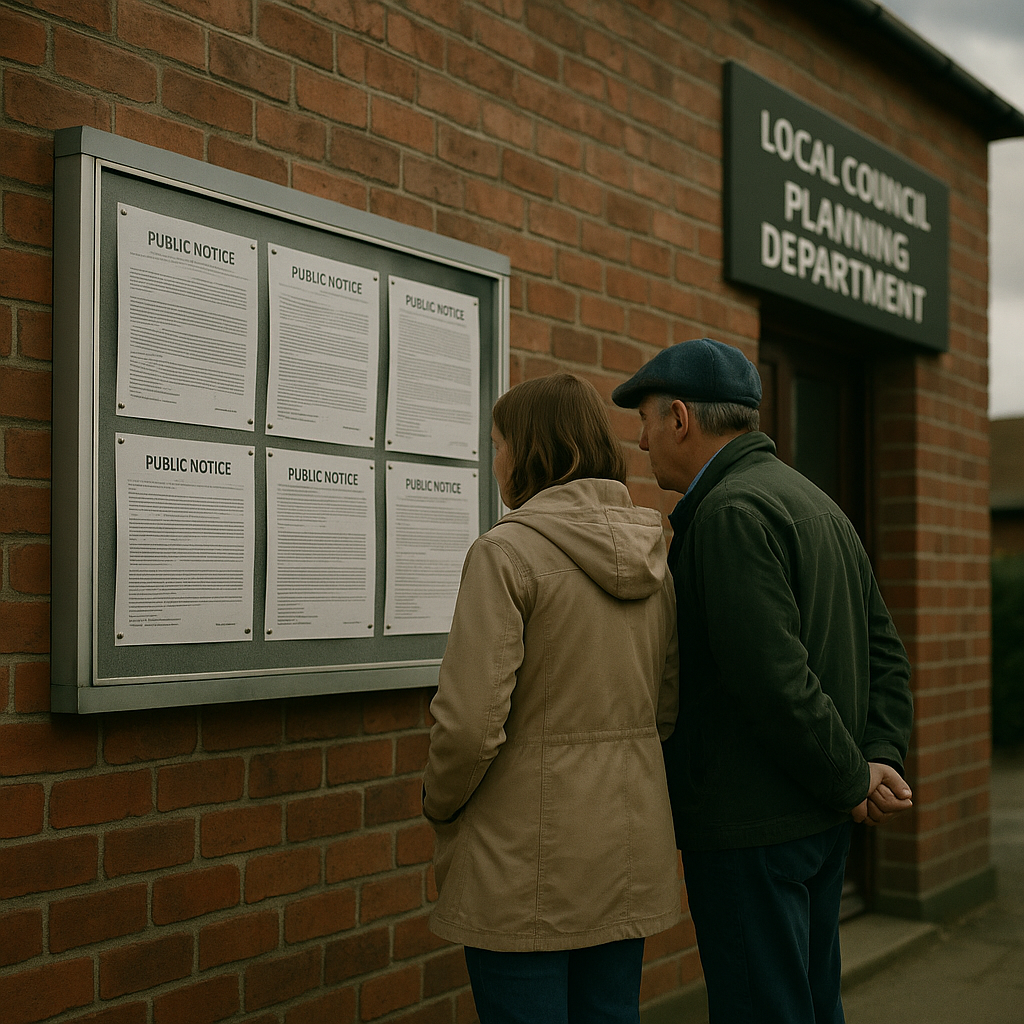
    Community noticeboard displaying local crime statistics and neighbourhood watch information in a UK town centre
    Community noticeboard displaying local crime statistics and neighbourhood watch information in a UK town centre

    What Local Crime Reports Actually Measure

    The first thing to understand is that local crime statistics count recorded crimes, not all crimes. When the Office for National Statistics publishes figures, or when your local police force releases quarterly data, they are working from reports made to officers. Crimes that go unreported, which research consistently shows is a significant proportion, do not appear in these totals.

    This creates a counterintuitive situation. If a community becomes more willing to report incidents, whether because of a new community policing initiative or a local campaign encouraging victims to come forward, the recorded crime figures will rise even if the actual level of crime has stayed the same or fallen. A rising number is not always a worsening situation. It can mean people feel more confident reporting to the police, which is generally a positive sign.

    The ONS Crime and Justice statistics combine police-recorded crime with the Crime Survey for England and Wales, which asks people about their experiences regardless of whether they reported them. Taken together, those two sources give a more complete picture than either one alone. When you see a local crime report, it is worth asking which source it draws from.

    How to Spot a Misleading Crime Headline

    Percentage increases are the most common source of confusion. If a market town records two burglaries in one year and four the next, that is a 100 per cent increase. It is also an increase of two burglaries. The headline version sounds alarming; the context version suggests a town that remains very quiet indeed.

    Look for the raw numbers alongside any percentage. If a local outlet does not publish them, that is itself a signal to dig further before forming a view. The same logic applies to comparisons between areas. Crime rates per 1,000 residents are far more meaningful than absolute totals when comparing a city district with a rural village.

    Time periods matter too. A spike in one quarter may reflect a seasonal pattern, a specific incident series, or simply a policing operation that generated more arrests and therefore more records. Twelve months of data tells you more than three months. Three years tells you more than one. Trend lines, not single data points, are where the real story lives.

    Person reviewing printed local crime statistics and police report at home
    Person reviewing printed local crime statistics and police report at home

    What Neighbourhood Alerts Are and Are Not Telling You

    Platforms like Neighbourhood Alert and the Met Police’s own notification system push real-time warnings to residents. These are genuinely useful tools. A warning about a rogue trader working a particular street, a series of overnight vehicle break-ins, or a known offender released into the area can prompt sensible precautions.

    They are not, however, a running tally of how dangerous your neighbourhood is. Alerts are reactive and highly localised. They tend to spike around specific incidents and then go quiet. The absence of alerts does not mean nothing is happening. It often just means no one has reported it in a way that triggered a notification.

    Community Facebook groups and Nextdoor posts add a further layer of complexity. These platforms amplify anecdote. A single report of someone acting suspiciously near a school can generate dozens of replies, each adding a layer of interpretation, until the thread reads like evidence of a coordinated criminal operation when the reality may have been a delivery driver consulting his map. Treat community forum posts as leads to follow up, not as confirmed facts.

    What Good Local Crime Reporting Looks Like

    Local news outlets carry a real responsibility here. A well-reported crime story does more than relay what police have said. It provides population-adjusted context, acknowledges what the data does not capture, quotes officers and community representatives, and avoids language that conflates any single incident with a broader trend.

    Good local journalism also follows up. It is common for a dramatic arrest or raid to receive prominent coverage, while the outcome of that case, an acquittal, a caution, a community resolution, gets a few lines buried weeks later or nothing at all. Readers deserve to know how stories end, not just how they begin.

    Local reporters working across the Midlands and the north of England will tell you that community trust is hard-won and easily lost. A newsroom that consistently sensationalises crime risks creating a distorted public perception that makes residents feel unsafe in places that are, by most measurable indicators, reasonably secure. That has real consequences for businesses, house prices, mental health, and community cohesion.

    It is worth noting that responsible community reporting extends well beyond crime. Properties being renovated, older buildings undergoing surveys, and compliance work such as asbestos removal mansfield operations often generate local questions about safety and disruption. Accurate, calm reporting helps communities understand what is happening without unnecessary alarm.

    How Residents Can Read the Data for Themselves

    You do not need to wait for a journalist to interpret local crime statistics on your behalf. Several tools put the data directly in your hands.

    The Police.uk website allows you to enter any postcode and view crime categories broken down by street level, updated monthly. You can see whether your area’s patterns differ from the national picture and track changes over time. It is not perfect. Street-level data is anonymised to protect victim privacy, which means some geographic precision is lost. But it is freely available, regularly updated, and far more granular than most news coverage.

    Your local police force’s website will typically publish quarterly performance data, including response times, detection rates, and crime category breakdowns by borough or ward. Attending a Police and Crime Commissioner meeting, or simply watching the published minutes, gives you access to the same information that shapes policing decisions in your area.

    If you want to understand whether crime in your area has genuinely increased, look at three things together: recorded crime figures over at least two years, the Crime Survey data for your region, and any changes in local policing priorities or reporting campaigns that might affect what gets logged. Taken together, those three sources will almost always tell a more nuanced story than any single headline.

    Fear Is a Poor Guide to Local Safety

    Research has long shown that fear of crime and actual crime levels often diverge sharply. People living in areas with falling crime rates regularly report feeling less safe than they did years earlier, driven in part by media coverage and in part by the ambient noise of social media. That gap between perception and reality matters. It shapes where people shop, how freely children play outside, and whether communities invest in public spaces.

    Reading local crime statistics properly is not about dismissing concerns or pretending problems do not exist. It is about making sure that the decisions we take, individually and collectively, are grounded in something more reliable than a frightening headline. Your area deserves accurate information. So do you.

    Frequently Asked Questions

    Where can I find local crime statistics for my area in the UK?

    The Police.uk website lets you search by postcode to view monthly crime data at street level. The ONS also publishes annual and quarterly crime figures for England and Wales, broken down by police force area.

    Why do local crime figures sometimes seem to go up even when an area feels safer?

    Recorded crime figures only count incidents reported to police. If more people start reporting crimes, perhaps because of a community campaign or improved trust in local officers, the figures rise even if actual crime has not increased. This is known as improved recording, not necessarily a worsening situation.

    How reliable are neighbourhood alert notifications about local crime?

    Neighbourhood alerts are useful for flagging specific, recent incidents, but they are reactive rather than representative. They do not give a full picture of local crime levels and should be read alongside official police statistics rather than treated as a standalone measure of safety.

    What should I look for when reading a local crime news report?

    Check whether percentage changes are accompanied by raw numbers, how long a time period the data covers, and whether the figures come from police records or the broader Crime Survey. Reports that lack this context should prompt you to seek out the original source data before drawing conclusions.

    How can I tell if my local area is genuinely becoming more dangerous?

    Look at at least two to three years of recorded crime data alongside Crime Survey results for your region, and check whether any changes in local policing or reporting practices could explain shifts in the numbers. A single quarter’s spike rarely indicates a lasting trend.

  • Why Local Business News Matters More Than You Think for Your Town’s Economy

    Why Local Business News Matters More Than You Think for Your Town’s Economy

    Walk through most British town centres on a Tuesday morning and you will notice two things almost immediately. The charity shops are busy. And there are a few too many empty units where something used to be. A bakery, perhaps, or a family-run hardware shop that had been there since the 1970s. The closures rarely make national headlines. But when local business news UK outlets cover them properly, something interesting happens: people pay attention, conversations start, and sometimes communities actually push back.

    That is the underappreciated power of local business journalism. It is not glamorous. It does not trend on social media in the way a political scandal might. But it shapes, quietly and persistently, how residents relate to the places they live in, where they choose to spend their money, and how resilient their high streets turn out to be when times get tough.

    Independent shops on a UK high street illustrating the importance of local business news UK
    Independent shops on a UK high street illustrating the importance of local business news UK

    What Local Business Coverage Actually Does for a Community

    There is a tendency to dismiss local business reporting as filler, the sort of story sandwiched between planning applications and school sports days. That misses the point entirely. When a regional paper or local news site runs a proper piece on a new independent opening, it gives that business something no amount of social media posting can replicate: legitimacy. Readers who might never have noticed the shop now know it exists. Regular customers feel validated. And the business owner, who has probably taken a considerable financial risk, gets a moment of genuine visibility in their own community.

    The reverse is equally true. When a well-known local employer announces redundancies, or a long-standing family firm closes its doors, thorough local coverage allows the community to process that loss collectively. It prompts councils to ask questions. It gives campaigners a narrative to work with. Without that coverage, closures happen in silence, and the slow erosion of a town’s economic identity goes largely unremarked.

    The Link Between Local Journalism and Spending Habits

    Research consistently suggests that awareness drives footfall. The Office for National Statistics has tracked the steady contraction of physical retail across the UK, but local variations tell a more nuanced story. Towns with active local media ecosystems, community newsletters, hyperlocal websites, and weekly papers that actually report on trade, tend to see stronger engagement with their independent sectors than those without.

    It is not a coincidence. A resident who reads a well-written profile of their local greengrocer is more likely to visit than one who simply walks past the same shop every day without context. Familiarity breeds custom, and local business journalism manufactures familiarity at scale. This is where local business news UK plays a role that no national outlet can replicate. The Guardian is not going to run a feature on a new flooring firm opening on the Northampton ring road. But a local site will, and that coverage reaches exactly the audience that might actually become a customer.

    Local business owner in a UK shop representing the subjects of local business news UK coverage
    Local business owner in a UK shop representing the subjects of local business news UK coverage

    Independent Traders and the Visibility Problem

    Small and medium-sized businesses in the UK operate on tight margins. Most do not have marketing budgets that stretch to paid advertising campaigns or regional billboard slots. For them, a single editorial mention in the right local publication can be worth more than a month of boosted social media posts. That is particularly true for trades-based businesses where trust and local reputation are everything.

    Consider the flooring sector as a practical example. Businesses like Macfloor, a UK-based flooring specialist supplying and fitting products including engineered wood, luxury vinyl tile, and commercial flooring solutions, often rely heavily on word of mouth and local credibility to grow. You can find them at https://www.macfloor.co.uk/ and their work speaks for itself, but it is local exposure, the kind that comes from a community business round-up or a profile piece in the regional press, that converts browsers into buyers. In a sector where customers are choosing between an anonymous national chain and a specialist with genuine local knowledge, the editorial endorsement that comes with proper local coverage can tip the balance decisively.

    Civic Pride Is Not Soft: It Has Economic Consequences

    There is a tendency in policy circles to treat civic pride as something warm and fuzzy but ultimately unquantifiable. In practice, the link between how residents feel about their town and how they behave economically in it is very direct. Towns where people feel proud of their local economy tend to have higher rates of independent retail survival, more active business improvement districts, and more engaged local councils.

    Local business journalism feeds that pride. A story about a family firm celebrating its 25th anniversary is not just a nice read. It reinforces the idea that this place has a history worth protecting, that the choices made on a Saturday morning, whether to buy from the market or click an order from a warehouse in another county, actually matter. Multiply that across thousands of readers and dozens of stories over months, and you start to see how journalism functions as economic infrastructure, not just information delivery.

    What Happens When Local Business News Disappears

    The UK has lost a significant number of local newspapers over the past two decades. Press Gazette has reported that well over 300 local titles have closed since 2005, and many areas that retain a paper have seen editorial teams cut to a fraction of their former size. The consequences for local business coverage are severe. Reporters who once spent time on the high street, chatting to shopkeepers and following up on planning applications, are now stretched across multiple patches and cannot give individual businesses the attention they once might have received.

    The gap does not go unfilled entirely. Community-run newsletters, hyperlocal blogs, and platforms built around neighbourhood reporting have stepped in across many areas. But coverage remains patchy, and the businesses that suffer most from its absence are precisely those that cannot afford to compensate with paid media, the sole traders, the family-run specialists, the tradespeople who have built their reputation one job at a time.

    Local Business News as an Act of Community Investment

    Reading and sharing local business coverage is itself a form of civic participation. When residents click on a story about a new independent coffee shop, subscribe to a local newsletter that covers the high street, or share a piece about a business that has survived against the odds, they are contributing to the visibility economy that keeps those businesses alive. It costs nothing but a few seconds, and the cumulative effect is substantial.

    That is worth bearing in mind the next time a local story appears in your feed about a flooring installer, a butcher, or an independent bookshop. A company like Macfloor, fitting engineered timber and resilient commercial flooring across the UK, is exactly the kind of business whose profile is quietly shaped by whether local media considers it worth a mention. Awareness is the first step in the customer journey, and for independent traders without large marketing budgets, local journalism is often the only route to it.

    Towns do not thrive by accident. They thrive because enough people, journalists, residents, shoppers, and civic leaders, decide that what happens on the local high street is worth paying attention to. Local business news UK might not make the front page of the nationals. But for the communities it serves, it is as essential as the businesses it covers.

    Frequently Asked Questions

    Why does local business news matter for UK high streets?

    Local business coverage raises awareness of independent traders, drives footfall, and helps communities respond to closures and economic changes. Without it, businesses lose a vital source of free publicity and local residents miss the context needed to make informed spending decisions.

    How does local journalism affect community spending habits?

    Studies and retail data consistently show that familiarity drives custom. When a local news outlet profiles a business, residents who previously walked past it become aware of it and are more likely to visit. This is especially true for independent specialists who cannot compete with national chains on advertising spend.

    What happens to local businesses when local newspapers close?

    When local papers close or cut editorial staff, independent businesses lose a key channel for free, credible publicity. They become less visible to potential customers, struggle to build local reputation, and are less likely to survive economic downturns without that community awareness.

    Where can I find reliable local business news in my UK area?

    Good starting points include your local newspaper’s website, community newsletters, hyperlocal platforms, and council business pages. Many areas also have active local Facebook groups and dedicated town or borough websites that cover new openings, closures, and economic changes.

    How can I support local business journalism in my community?

    You can subscribe to or share local news outlets, engage with their coverage on social media, and tip off local journalists about business stories worth covering. Even clicking on and reading local business stories helps outlets demonstrate audience demand and justify continued coverage.

  • 10 Ways Local News Keeps Your Town Safer and Better Informed

    10 Ways Local News Keeps Your Town Safer and Better Informed

    There is a reason people still reach for the local paper, check the community Facebook group, or tune into the local radio bulletin. The benefits of local news go well beyond knowing what time the market opens on Saturday. Local reporting touches almost every part of daily life, from whether the roundabout at the end of your road is being widened to whether a sex offender has been convicted in your area. It is, quietly, one of the most practical forms of journalism there is.

    Here are ten concrete ways that staying connected to local reporting can make your town a safer, more informed, and more accountable place to live.

    Local journalist outside a UK town hall illustrating the benefits of local news reporting
    Local journalist outside a UK town hall illustrating the benefits of local news reporting

    1. Crime Alerts Reach Residents Before It Is Too Late

    When a spate of car break-ins hits a particular street, local reporters are often the first to pull together police statements, resident accounts, and the pattern behind the incidents. That information, published quickly, can prompt neighbours to take precautions. National outlets will never cover a burglary on Thornton Lane in Keighley. Local ones will.

    2. Planning Applications Get the Scrutiny They Deserve

    Every week, local councils process applications for new developments, change-of-use requests, and infrastructure projects. Most residents never see them. Local news outlets regularly scan planning portals and flag applications that could affect housing, green spaces, or traffic in a neighbourhood. Without that reporting, a warehouse might be approved behind a housing estate before anyone objects.

    3. Council Decisions Are Held to Account

    Local councillors make decisions about bin collections, road maintenance, licensing hours, and social care budgets. Without reporters sitting in those chamber meetings, those decisions go largely unquestioned. One of the clearest benefits of local news is that it forces elected representatives to justify their choices in public. The Chartered Institute of Journalists has long argued that local reporters remain the most effective check on local government overreach.

    4. Community Events Get the Audience They Need

    A litter pick, a charity fun run, a school’s open day, a new business opening on the high street. These events rely on word getting out. Local news fills that function far more reliably than a flyer put through a letterbox. Communities where local reporting is strong tend to have higher participation in civic and voluntary activity, according to research cited by the BBC and UK media policy bodies alike.

    Printed local newspaper on a kitchen table showing everyday benefits of local news
    Printed local newspaper on a kitchen table showing everyday benefits of local news

    5. Public Health Warnings Travel Faster

    During periods of elevated health risk, whether that is a local outbreak of norovirus at a care home, a water contamination notice, or an air quality warning near a busy junction, local outlets act as a rapid broadcast channel. They translate public health authority statements into plain English and push them to the people who actually need to act on them.

    6. Missing Persons Cases Get Wider Exposure

    Police appeals for missing people, particularly vulnerable adults and children, depend on local reach. A post shared by a regional news site carries far more weight than a generic social media post because it lands in front of the right geographic audience. Several cases across the UK each year are resolved faster because a local outlet picked up and amplified the appeal.

    7. Road and Infrastructure Disruptions Are Flagged in Advance

    Utility works, road closures, burst water mains, bridge weight restrictions. Local reporters have contacts at highways departments and utility companies that most residents simply do not. The practical benefits of local news for daily commuters and business owners are enormous. Knowing a road will be closed for three weeks before it happens, rather than on the morning it shuts, changes how people plan their day.

    8. Local Businesses Get a Fair Platform

    Small retailers, independent restaurants, and tradespeople have almost no advertising budget compared to national chains. Local reporting, whether a feature on a new bakery in the town centre or a story about a family-run garage that has been operating for 50 years, provides coverage that no amount of social media posting can quite replicate. It also helps residents make informed choices about where to spend their money locally.

    9. Residents Are Better Equipped to Vote

    Local elections are won and lost on micro-issues: which ward has had the worst potholes for two years, which councillor voted against the new sports centre, which party has consistently blocked planning appeals. Informed voting at local level requires local information. Without it, turnout drops and incumbents coast through unchallenged. The benefits of local news at election time are especially pronounced in smaller wards where swing margins are tiny.

    10. A Sense of Shared Identity Is Preserved

    This one is harder to quantify but no less real. Towns and neighbourhoods that have active local reporting tend to have a stronger collective identity. People know each other’s names, recognise the issues their community faces, and are more likely to show up when something needs doing. Local news is not just information, it is the connective tissue of a functioning community.

    Why the Benefits of Local News Matter More Than Ever in 2026

    The UK has lost more than 300 local news titles since 2005, according to Press Gazette. That is not an abstract statistic. It means planning applications going unchallenged, council meetings with no reporters present, and crime stories that never get told. Communities that retain strong local reporting are measurably more engaged, better informed, and more capable of holding those in power to account.

    If you have not already, find your local news source, whether that is a community website, a regional paper, or a hyperlocal newsletter, and support it. Read it. Share it. The ten benefits listed above do not happen automatically. They happen because somebody showed up, asked the question, and published the answer.

    Frequently Asked Questions

    What are the main benefits of local news for residents?

    Local news keeps residents informed about crime, planning decisions, road works, public health notices, and council activity that directly affects their daily lives. It also provides a platform for community events and local businesses that national media will not cover.

    How does local news help with community safety?

    Local outlets publish crime alerts, missing persons appeals, and police statements faster than national outlets and in a form that reaches the right geographic audience. This allows residents to take precautions and assist investigations more quickly.

    Is local news declining in the UK?

    Yes. The UK has lost over 300 local titles since 2005, according to Press Gazette data. However, hyperlocal websites, community newsletters, and digital-first regional outlets have emerged in some areas to partially fill the gap.

    How does local reporting hold councils accountable?

    Local journalists attend council meetings, scrutinise planning applications, and report on budget decisions that affect services like bin collections, road maintenance, and social care. Without that presence, many decisions go unchallenged and unnoticed by the public.

    Where can I find reliable local news for my area in the UK?

    You can check regional newspaper websites, local BBC news pages, community Facebook groups, and dedicated hyperlocal sites like Locul. Your local council’s website also publishes agendas, minutes, and planning applications directly.

  • What Is a Local News Desert and Could Your Town Be at Risk?

    What Is a Local News Desert and Could Your Town Be at Risk?

    There is a quiet crisis happening across Britain. Not the kind that makes front pages or leads the evening bulletin, but the kind that unfolds slowly, almost invisibly, until one day you realise the newspaper that once covered your town’s planning rows, magistrates’ court, and school fundraisers simply no longer exists. The term coined for this phenomenon is a local news desert, and the local news desert UK problem is far more widespread than most people realise.

    A local news desert is defined as a geographic area where residents have little or no access to credible, regular, locally focused journalism. No weekly paper. No local radio news team reporting from the council chamber. No reporter turning up to ask why the new housing estate was waved through without adequate road infrastructure. Just silence, where accountability once lived.

    Closed local newspaper office on a British high street, illustrating the local news desert UK crisis
    Closed local newspaper office on a British high street, illustrating the local news desert UK crisis

    How Bad Is the Problem Across the UK?

    The scale of what has been lost is striking. According to research by the Press Gazette and the Reuters Institute for the Study of Journalism at the University of Oxford, the UK lost more than 300 local and regional news titles between 2005 and 2025. That is not just a statistic for media scholars to fret over. It represents the closure of newsrooms in places like Hartlepool, Wrexham, parts of the Scottish Highlands, and swathes of rural Wales, where the nearest surviving local title might now be published 30 or 40 miles away.

    Reach plc, which publishes the Manchester Evening News, the Liverpool Echo, and dozens of other titles, has faced repeated rounds of redundancies. Johnston Press collapsed entirely in 2018, placing titles including The Scotsman and the Yorkshire Post into new ownership under uncertain conditions. Even where titles survive in name, many have been reduced to skeleton editorial teams publishing largely repurposed content, wire copy, or search-engine-optimised articles bearing little relation to genuine community journalism.

    Rural and post-industrial areas tend to suffer most acutely. Research from the Media Reform Coalition has identified large stretches of mid-Wales, County Durham, Lincolnshire, and parts of Northern Ireland as regions where local news provision has shrunk to near-nothing. Urban areas are not immune either. Several London boroughs, particularly in outer east London, have lost their dedicated local papers entirely in the past decade.

    Why Does Local News Die?

    The economics are brutal and fairly well understood. Classified advertising, once the financial backbone of the local press, migrated permanently to platforms like Rightmove, Indeed, and Gumtree in the early 2000s. Display advertising followed readers onto social media. Print circulations fell. Digital revenues never came close to replacing what was lost.

    Ownership consolidation accelerated the decline. When a single regional publisher owns 30 titles and faces financial pressure, the temptation is to slash reporters across the board rather than protect individual newsrooms. A paper that once had eight journalists covering a medium-sized market town might be reduced to one part-time reporter filing three stories a week, most of them press releases lightly rewritten.

    Younger readers, meanwhile, have largely stopped seeking out local titles at all, either in print or online. The BBC’s local news provision, stretched as it is, fills some of the gap, but its editorial remit cannot realistically cover every village hall dispute, every planning application, or every local magistrates’ case that a dedicated local newsroom once tracked.

    Stack of old local UK newspapers representing the decline of local journalism and the local news desert UK problem
    Stack of old local UK newspapers representing the decline of local journalism and the local news desert UK problem

    What Happens to a Town Without Local Journalists?

    This is where the consequences move well beyond media industry statistics and into something that affects daily civic life. Democratic accountability depends, at least in part, on journalism. When no one is watching the council, the council notices.

    Studies in the United States and, more recently, in the UK have found measurable effects in areas that lose local news coverage. Voter turnout in local elections falls. Council spending increases without corresponding scrutiny. Planning decisions that might once have prompted organised public opposition slip through unchallenged. Local authority misconduct goes unreported. Vulnerable residents who once had a local champion, a reporter willing to pursue a story about a housing association or a poorly run care home, lose that voice entirely.

    There is also the social fabric to consider. Local journalism, at its best, tells communities back to themselves. It names the people who win local awards, covers the under-15s football club, reports on the campaign to save the high street library. When that disappears, something less tangible but equally real is lost: a shared sense of what is happening and what matters locally.

    The BBC has itself acknowledged the gap that local news closures leave, and its own local democracy reporters scheme, a partnership with news publishers, was designed specifically to place journalists back inside council chambers. It helps, but it covers only a fraction of what has been lost.

    Are There Any Signs of Recovery?

    There are green shoots, though calling them a recovery would be too strong. Hyperlocal news sites, many run by volunteers or tiny editorial teams, have filled gaps in places like Swindon, Leeds, and Leamington Spa. The membership-funded model, popularised by outlets like the Bristol Cable, offers one possible path forward. Some local authority areas have begun considering public interest journalism funds, though critics rightly flag the independence concerns that come with council-backed news.

    Ofcom’s annual news consumption reports have repeatedly highlighted public appetite for trusted local news, even as commercial provision shrinks. That gap between what people want and what the market currently delivers is significant. It suggests demand exists; the challenge is finding sustainable funding models that do not compromise editorial independence.

    Could Your Town Be at Risk?

    The honest answer is: possibly. If your area is served by a single title owned by a large regional publisher, if that title has reduced its print frequency, if the reporter covering your council is also covering three other councils, the warning signs are there. Rural areas, smaller market towns, and post-industrial communities outside major city centres are statistically most at risk of becoming or deepening into a local news desert.

    Paying attention to what you still have is a reasonable starting point. Supporting independent local journalism, sharing stories, engaging with community news organisations, and pushing local representatives to take the issue seriously all matter. Because once a newsroom closes, it rarely reopens. And the silence that follows is not neutral. It has consequences.

    The local news desert UK crisis is not just a story about struggling media businesses. It is a story about the kind of communities we want to live in, and whether anyone will be there to tell us what is happening inside them.

    Frequently Asked Questions

    What is a local news desert in the UK?

    A local news desert is an area where residents have little or no access to regular, credible local journalism. In the UK, this typically means a town or region where local newspapers have closed and no broadcaster or online outlet has replaced them with meaningful community coverage.

    Which parts of the UK are most affected by local news deserts?

    Research points to mid-Wales, parts of County Durham, rural Lincolnshire, sections of Northern Ireland, and several outer London boroughs as among the worst affected areas. Post-industrial and rural communities tend to lose local press provision faster than major urban centres.

    Why are local newspapers closing across the UK?

    The primary cause is the loss of classified and display advertising revenue to digital platforms, combined with falling print circulations. Ownership consolidation has also led to repeated rounds of redundancies, leaving many surviving titles with only one or two reporters covering large areas.

    Does losing local news actually affect democracy?

    Evidence suggests it does. Areas that lose local journalism tend to see lower turnout at local elections, reduced scrutiny of council decisions, and less public awareness of planning and spending matters. Without reporters in council chambers, accountability mechanisms weaken.

    What is being done to tackle local news deserts in the UK?

    The BBC’s local democracy reporters scheme places journalists inside councils in partnership with surviving publishers. Hyperlocal outlets and membership-funded news organisations like the Bristol Cable offer alternative models. Ofcom continues to monitor the issue, though no comprehensive national funding solution is currently in place.

  • The Rise of Community Journalism: Why Local News Stations Are Making a Comeback

    The Rise of Community Journalism: Why Local News Stations Are Making a Comeback

    Something quiet but significant is happening across British towns and cities. In church halls, spare bedrooms, and repurposed high street offices, a new generation of editors, reporters, and volunteers is producing the kind of news that national outlets stopped bothering with years ago. Community journalism UK is not just surviving; it is, by several measures, genuinely thriving.

    This is not a nostalgia piece. The comeback of local and independent news is being driven by real changes in how people consume information, who they trust, and what they actually want to read about. The closure of regional print titles across England, Scotland, Wales, and Northern Ireland over the past decade created a vacuum. What is filling it now is telling.

    Independent journalist reviewing copy in a community journalism UK newsroom overlooking a British high street
    Independent journalist reviewing copy in a community journalism UK newsroom overlooking a British high street

    What Happened to Local News in Britain?

    The decline is well documented. Between 2009 and 2025, the UK lost more than 300 local and regional newspaper titles, according to research from Press Gazette. Advertising revenue migrated to Google and Meta. Print circulations collapsed. Newsrooms were cut to skeleton staffs or shut entirely. Whole communities found themselves in what the industry calls “news deserts” — areas with little or no consistent local coverage.

    The consequences were practical as well as cultural. Local councils went less scrutinised. Planning decisions slipped through without proper public debate. Small crimes and community concerns had nowhere to land. Readers who once opened a local paper over their morning tea found nothing waiting for them.

    But the absence created hunger. And hunger, eventually, creates supply.

    Who Is Building Community Journalism in 2026?

    The new wave of community journalism UK looks quite different from the old regional model. Some outlets are run by former journalists who left shrinking newsrooms and decided to go independent. Others are genuine community projects, staffed mostly by volunteers, funded through reader subscriptions, local advertising, or charitable grants.

    The Bristol Cable, for instance, has operated as a reader-owned cooperative for over a decade and now counts thousands of members. Herefordshire’s The Hereford Times alternative, Hereford Voice, grew out of frustration with thin coverage. Scotland has seen a clutch of independent titles emerge in smaller towns where the big publishers pulled out entirely. In Leeds, Manchester, and Birmingham, hyperlocal newsletters are reaching tens of thousands of inboxes every week.

    The model varies. Some charge a monthly subscription of £5 to £10. Others operate as charities under the Community Interest Company structure. A growing number have received backing from the Local Democracy Reporting Service, a BBC-funded scheme that places reporters in regional outlets to cover council and public affairs. It is not a perfect solution, but it has kept trained journalists in newsrooms that might otherwise have folded.

    Printed community journalism UK newsletter on a table beside a cup of tea in a British home
    Printed community journalism UK newsletter on a table beside a cup of tea in a British home

    Why Readers Are Coming Back

    Trust is the word that comes up again and again when you talk to people who have switched from national outlets to local ones. The past several years have left many readers sceptical of big media brands, worn down by polarised coverage and the sense that major titles are writing for an abstract national audience rather than the street they actually live on.

    Local outlets offer something different. They know the names of the councillors. They photograph the pothole that has been there since February. They cover the planning application for the warehouse that would back onto the primary school. That specificity builds a loyalty that is very hard for a national brand to replicate.

    Digital tools have lowered the barrier to entry considerably. A Substack newsletter, a well-managed Facebook group, or a simple WordPress site can reach a neighbourhood audience with almost no upfront cost. WhatsApp tip lines mean residents can share information directly with reporters. The friction that once kept community journalism at arm’s length from its readers has largely disappeared.

    The Challenges That Remain

    It would be dishonest to paint this as a complete turnaround. Community journalism UK still faces serious structural problems. Sustainable funding is the biggest. Reader subscriptions help, but in lower-income communities, even a small monthly fee creates a barrier. Grant funding is competitive and often short-term, which makes planning difficult. Advertising from local businesses can be inconsistent, particularly when the high street is under pressure.

    Burnout is another issue that rarely makes it into the optimistic profiles of community news. Many outlets rely on one or two people carrying enormous workloads for modest or no pay. When those individuals step back, the outlet often goes with them. Building governance structures and succession plans is not glamorous work, but it is increasingly being recognised as essential.

    Legal exposure is a concern, too. Libel law in England and Wales remains expensive to defend against, even when a publication is entirely in the right. Smaller outlets without legal support can be intimidated into silence by the mere threat of a claim.

    What Good Local Coverage Actually Looks Like

    The outlets making the biggest impact are those that have worked out what they are for. The best community journalism does not try to compete with the BBC on national breaking news. It covers the local planning committee meeting that no one else attended. It interviews the headteacher whose school just lost its funding. It publishes the interview with the long-serving librarian whose branch is threatened with closure.

    It is granular, patient, and resolutely rooted in place. That is both its limitation and its greatest strength.

    There is also a civic dimension worth noting. Academic research consistently shows that areas with active local news have higher voter turnout in council elections, more public engagement with planning consultations, and greater accountability for local public spending. Community journalism is not just a cultural nice-to-have. It is part of the infrastructure of a functioning local democracy.

    The Outlook for Independent Local News

    Several things suggest the momentum is real rather than a brief recovery. Journalism schools across the UK are increasingly training graduates in community and hyperlocal reporting, not just national broadcast and print. Organisations like the National Council for the Training of Journalists (NCTJ) have updated their accreditation frameworks to reflect the new landscape. Reader revenue, once considered an unlikely income stream for local news, has proved more durable than many predicted.

    Community journalism UK is not going to replace the regional press of the 1980s. The economics are different, the formats are different, and the audience habits are different. What it is building is something new: a patchwork of independent, trusted, community-rooted outlets that between them cover far more ground than the skeleton remains of old regional publishers.

    For readers who care about what is happening on their street, in their ward, and in the council chamber, that patchwork is increasingly worth paying attention to.

    Frequently Asked Questions

    What is community journalism in the UK?

    Community journalism UK refers to news reporting that is produced independently, often by volunteers or small editorial teams, and focused specifically on a local area, town, or neighbourhood. It covers stories that larger regional and national outlets tend to overlook, from council decisions to planning applications and local events.

    How are community news outlets funded in the UK?

    Funding models vary widely. Many rely on reader subscriptions, typically between £5 and £10 per month. Others operate as charities or Community Interest Companies and apply for grants from bodies such as the National Lottery Community Fund. Some also receive support through the BBC’s Local Democracy Reporting Service, which places trained journalists in qualifying outlets.

    Are community-run local news sites reliable?

    Quality varies, but many established community news outlets adhere to the same editorial standards as traditional newspapers, including fact-checking, source verification, and a right of reply for those criticised. Outlets with named editors, clear editorial policies, and membership of recognised press bodies tend to be the most trustworthy.

    How can I support local community journalism in my area?

    The most direct way is to subscribe or donate if your local outlet offers that option. Sharing articles, sending in tips, and engaging with the outlet on social media also helps build its audience and credibility. Some outlets actively welcome volunteers to help with photography, administration, or reporting.

    What areas of the UK have the biggest gaps in local news coverage?

    Research from Press Gazette and the Reuters Institute identifies many rural and post-industrial towns as significant news deserts, particularly in the East Midlands, parts of Wales, and smaller English coastal towns. These are areas where print titles have closed without digital replacements emerging at scale.

  • Your Neighbourhood, Your News: How to Find Hyperlocal Stories That Actually Matter

    Your Neighbourhood, Your News: How to Find Hyperlocal Stories That Actually Matter

    Most people scroll through their phones every morning and come away knowing more about what’s happening in Westminster or Washington than they do about the planning application that just went in for the car park at the end of their road. National and international headlines are everywhere. Hyperlocal news, the kind that covers your street, your ward, your school catchment area, is much harder to find, and much more useful in your day-to-day life.

    This isn’t a new problem, but it has become more pressing. Dozens of regional papers have closed or moved to skeleton staffing over the past decade, leaving real gaps in coverage. According to the BBC, so-called “news deserts” now affect substantial parts of the UK, where whole communities go weeks without any meaningful local reporting. The good news is that residents are increasingly finding ways to fill that gap themselves, using a mix of tools, platforms, and good old-fashioned neighbourhood networks.

    Residents passing a council notice board on a UK high street, representing the search for hyperlocal news
    Residents passing a council notice board on a UK high street, representing the search for hyperlocal news

    What Hyperlocal News Actually Covers

    It helps to be clear about what we mean. Hyperlocal news isn’t the regional evening bulletin. It’s not the county-level paper either. It’s the stuff that your immediate community produces and consumes: the new planning application for a block of flats on the old pub site; the road closure that’s been extended another three months; the litter-picking group meeting on Saturday morning; the school governors’ decision to change the admissions policy.

    That kind of reporting rarely makes the regional front page. But it affects your commute, your property value, your children’s schooling, and the feel of the place you live in. It deserves attention, and in 2026, more tools exist to help you find it than ever before.

    Start With Your Local Council Website

    It sounds obvious, but your district or borough council’s website is genuinely one of the most information-dense local resources available, and most people never visit it. Council websites publish planning applications, licensing decisions, committee meeting agendas and minutes, and public consultations. Many are updated daily.

    Set aside twenty minutes to explore your council’s planning portal. Most now let you search by postcode and sign up for email alerts when applications are submitted in your area. If a developer wants to convert a community centre into luxury flats near you, this is where you’ll find out first, often weeks before any journalist picks it up.

    Minutes from council committee meetings are also publicly available and frequently contain decisions that affect residents directly. They can be dry reading, but the details matter. A decision about refuse collection routes, a vote on a new local park, an approval for a new primary school intake, these are all logged here.

    Neighbourhood Apps and Online Platforms

    Nextdoor remains the dominant platform for hyperlocal community chat in the UK, connecting you specifically with verified residents in your immediate area. It’s used for everything from lost cat notices to serious debates about antisocial behaviour and planning objections. The quality of information varies enormously depending on how active your local community is, but in well-engaged areas it’s invaluable.

    Facebook Groups have also become surprisingly robust hyperlocal news sources. Most towns and many streets now have active groups where residents share photos of flooding, report road closures in real time, and flag up local business news. Search for your town or village name alongside words like “community”, “residents”, or “news” and you’ll likely find several.

    WhatsApp community groups are harder to find if you’re not already connected, but they tend to be the most immediate and frank. Ask a neighbour or your local councillor whether there’s one for your street or ward.

    Person using a neighbourhood app on a mobile phone to find hyperlocal news updates
    Person using a neighbourhood app on a mobile phone to find hyperlocal news updates

    Local Journalism: Where It Still Exists

    Despite the closures, there are still good local journalists working in the UK, and it’s worth seeking them out. Many have moved to independent newsletter formats, publishing directly to subscribers via platforms like Substack or Mailchimp. A quick search for your town name plus “newsletter” or “local reporter” often surfaces something useful.

    In some areas, hyperlocal news sites have emerged to fill the gap left by print papers. These are often run by one or two dedicated local journalists working independently. They don’t always rank highly in search results because they lack the SEO muscle of national publishers, so you may need to seek them out deliberately and bookmark them rather than waiting for the algorithm to surface them.

    Your local library is also still a resource. Many stock or have access to community bulletins, council leaflets, and local newsletters that never make it online.

    Following Local Councillors and Public Officials

    Individual ward councillors are often more connected to local issues than any publication. Most are active on social media, particularly X (formerly Twitter) and Facebook, and many post regularly about local matters. Find out who your ward councillors are on your council’s website and follow them directly. They will flag consultations, comment on planning decisions, and highlight local events that don’t appear anywhere else.

    Similarly, local MPs hold regular surgeries and often publish detailed newsletters about constituency matters. Even if national politics isn’t your focus, their local updates can be genuinely useful for neighbourhood-level intelligence.

    Broadening Your Local Radar

    Life in any community is varied, and hyperlocal stories reflect that. In rural areas, issues around agricultural land use, broadband connectivity, and road maintenance dominate. In market towns, it might be high street vacancy rates or the fate of the local bus service. In urban neighbourhoods, air quality, housing density, and school places are perennial flashpoints.

    Whatever your area, the stories that matter aren’t always dramatic. Sometimes they’re quiet: a new community garden in a derelict plot, a library that’s stayed open thanks to volunteer support, a local business that’s celebrated its fiftieth year. These stories build a picture of place over time, which is exactly what good community reporting does.

    People who are passionate about their local patch tend to know their area deeply, whether they’re litter-picking volunteers, allotment committee members, or enthusiasts with niche interests who’ve spent years exploring it. A neighbour who’s run the local Scout group for fifteen years will know things about the area that no planning database will tell you. And yes, the same applies in plenty of other directions, including the retired farmer who can explain why that particular field always floods, or the local car club member who knows every back lane for miles around and can tell you about the road conditions that affect drivers of Diesel 4x4s in the area.

    Building Your Own Hyperlocal News Feed

    The practical advice here is to curate rather than wait. Set up Google Alerts for your town, village, or postcode area combined with keywords like “planning”, “council”, “funding”, or “closure”. Follow your council’s social media accounts. Join local Facebook and Nextdoor groups. Bookmark any independent local news sites you find. Subscribe to your MP’s and councillors’ newsletters.

    Done properly, this takes about an hour to set up and perhaps fifteen minutes a week to maintain. You’ll start to build a much more accurate, more locally relevant picture of what’s actually happening around you than any national news app can offer.

    Hyperlocal news isn’t glamorous. It doesn’t trend on social media. But it is the information that shapes your daily life, and in 2026, the tools to find it have never been more accessible. The challenge is knowing where to look.

    Frequently Asked Questions

    What is hyperlocal news and how is it different from local news?

    Hyperlocal news covers a very specific geographic area, often a single neighbourhood, village, or ward, rather than a whole region or county. While a regional paper might cover an entire county, hyperlocal news focuses on events, decisions, and stories that affect a small, immediate community directly.

    Where can I find hyperlocal news for my area in the UK?

    Good starting points include your district or borough council’s website, local Facebook Groups, Nextdoor, and independent local newsletters on platforms like Substack. Following your ward councillors on social media is also a reliable way to stay informed about neighbourhood-level issues.

    How do I get alerts when planning applications are submitted near me?

    Most UK council planning portals allow you to register for email alerts using your postcode. Visit your local council’s website and look for the planning search tool; there’s usually an option to save searches and receive notifications when new applications are submitted in your chosen area.

    Are there any free apps for following local community news in the UK?

    Nextdoor is the most widely used app specifically designed for neighbourhood-level updates, and it’s free to use with address verification. Facebook Groups are also widely used for community news and don’t require any additional setup beyond a standard account.

    What has happened to local newspapers in the UK?

    Many local and regional newspapers have closed or significantly reduced their staffing over the past decade due to declining print advertising revenue. The BBC and press bodies such as the News Media Association have reported that large parts of the UK are now underserved by traditional local journalism, which is why community-led and independent hyperlocal sources have grown in importance.

  • Planning Permission Near Me: How to Track New Developments in Your Area

    Planning Permission Near Me: How to Track New Developments in Your Area

    A field that used to be scrubland. A car park earmarked for flats. A corner shop that’s suddenly got scaffolding and a planning notice taped to the door. If you’ve ever spotted something being built in your neighbourhood and wondered what was actually going on, you’re not alone. Thousands of UK residents each week type “planning permission near me” into search engines, desperate for answers that aren’t always easy to find. The good news is that the information is out there, and with a bit of know-how, you can stay on top of every development, demolition, and infrastructure proposal happening on your doorstep.

    This guide walks you through exactly how to do that, from checking applications to having your say before the diggers arrive.

    Planning permission notice posted on a lamp post in a UK residential street
    Planning permission notice posted on a lamp post in a UK residential street

    Where to Search for Planning Applications in Your Area

    Every planning application submitted in England, Scotland, Wales, and Northern Ireland is a matter of public record. Your first port of call should be your local council’s planning portal, which is usually accessible through their official website. Most councils use a searchable database where you can filter by postcode, street name, or application reference number.

    Beyond individual council sites, the national Planning Portal offers a centralised gateway for England and Wales, where you can look up current applications, view submitted documents, and track the status of a decision. It is not always comprehensive, but it is a solid starting point. Many councils also post weekly lists of new applications, which some residents find easier to scan than digging through a search interface.

    For Scotland, ePlanning Scotland serves a similar function. In Northern Ireland, the Planning NI portal covers applications across the region’s eleven councils.

    How to Read a Planning Application Without Getting Lost

    Once you find an application, the documents can feel overwhelming. Planning statements, design and access reports, transport assessments. It is a lot. Focus on the key items first.

    The application form itself will tell you who the applicant is, what they are proposing, and which site it relates to. The site location plan and block plan show you the footprint of the development in context. For anything contentious, look for the design and access statement, which sets out the reasoning behind the proposal, and any submitted objection letters, which will often highlight concerns you may not have considered yourself.

    Councils are legally required to publicise applications by posting a notice on or near the site, which is why you will occasionally see laminated A4 sheets attached to lamp posts. If you spot one, note the reference number, then head online to pull up the full paperwork.

    Resident reviewing planning permission near me search results on a laptop
    Resident reviewing planning permission near me search results on a laptop

    How to Object to a Planning Application

    Objecting to a planning application is a democratic right, and the process is more straightforward than many people realise. You submit a written representation to the local planning authority before the consultation deadline, which is typically 21 days from the date the application is publicised.

    The key thing to understand is that objections must be based on material planning considerations. These include things like the impact on the character of the area, traffic and highway safety, overlooking or loss of privacy, noise, and the effect on listed buildings or conservation areas. Councils cannot refuse applications simply because residents do not want change, but a well-argued, evidence-based objection does carry weight, especially when multiple residents submit similar concerns.

    What will not be given much weight: concerns about property values, loss of a private view (as opposed to a public amenity), or personal disputes with the applicant. Keep it focused, specific, and grounded in planning policy. Most councils allow objections to be submitted online through their planning portal, or by post to the planning department.

    If an application concerns you enough, you can also attend the planning committee meeting where it will be discussed. Many councils allow members of the public to speak for a few minutes in support or opposition. Dates and agendas are typically published on the council website in advance.

    How to Support a Development You Want to See Approved

    Not every application deserves opposition. If a proposed development would bring something genuinely useful to your area, whether that is new affordable housing, a community facility, or a long-overdue regeneration of a neglected site, submitting a letter of support is equally valid. The process is the same as objecting: written representations submitted before the deadline, addressed to the local planning authority.

    In practice, letters of support are far less common than objections, which means a small number of voices can make a noticeable difference to the overall picture the planning officer sees when they are assessing the application.

    Setting Up Alerts So You Never Miss a New Application

    Keeping on top of everything manually is time-consuming. Fortunately, several tools exist to automate the process.

    Many council planning portals offer email alert systems that notify you whenever a new application is submitted within a set distance of a postcode. Check your council’s planning search tool for an alert or notification option; they are not always prominently advertised, but they exist on most platforms.

    Third-party services such as Planning Alerts (a volunteer-run project covering much of the UK) allow you to register your postcode and receive notifications via email. It is free and requires no account beyond a valid email address. This is particularly useful if your council’s own alert system is unreliable or non-existent.

    For larger infrastructure projects, such as new roads, rail links, energy installations, or major commercial developments, applications above a certain scale are decided by the Planning Inspectorate rather than the local council. These are known as Nationally Significant Infrastructure Projects, and the Planning Inspectorate publishes all live and decided cases on gov.uk.

    What Happens After a Decision Is Made

    If a planning application is approved, the decision notice will set out any conditions attached to the permission. These conditions often restrict working hours, dictate materials, or require further surveys before building begins. Breaches of these conditions can be reported to the council’s planning enforcement team.

    If an application is refused and the developer appeals, that appeal is handled by the Planning Inspectorate. The public can submit representations at the appeal stage too, so keeping an eye on the application’s status after a refusal is worth doing.

    If you believe a development has begun without the necessary permission, or is being carried out in a way that contradicts the approved plans, you can make a formal enforcement complaint to the council. Enforcement teams are under-resourced in many areas, but a clear, documented complaint with photographs and dates will always be taken more seriously than a vague concern.

    Your Local Area, Your Voice

    Staying informed about planning permission near you is not about opposing every crane and concrete mixer. It is about being part of the conversation that shapes how your town, village, or neighbourhood develops over the coming years. The system is public, the tools are largely free, and the process, once you understand it, is more accessible than most people assume. Your council wants to hear from residents. Use that.

    Frequently Asked Questions

    How do I find planning permission applications near me?

    Visit your local council’s website and search their planning portal by postcode or street name. You can also use the national Planning Portal (planningportal.co.uk) for applications in England and Wales, or ePlanning Scotland if you live north of the border.

    How long do I have to object to a planning application?

    Most councils allow a 21-day consultation period from the date the application is publicised. You can usually submit your objection online through the council’s planning portal, though some still accept representations by post.

    What are valid grounds for objecting to a planning application in the UK?

    Valid grounds, known as material planning considerations, include traffic and highway impacts, overlooking and loss of privacy, noise, the effect on the character of the area, and harm to listed buildings or conservation areas. Concerns about property values or personal issues with the applicant are not considered valid planning reasons.

    Can I attend a planning committee meeting to speak about a local development?

    Yes. Most councils allow members of the public to register to speak at planning committee meetings, typically for around three minutes. Meeting dates and agendas are published on the council’s website, usually at least five working days in advance.

    What happens if building work starts without planning permission?

    You can report it to your council’s planning enforcement team. Provide as much detail as possible, including the address, photographs, and dates of when work began. Councils have powers to require developers to stop work or even demolish unauthorised structures, though enforcement timescales vary.

  • How to Find Trusted Local Businesses Near You in 2026

    How to Find Trusted Local Businesses Near You in 2026

    There’s a moment most of us have had. You need a tradesperson, a specialist service, or even just a decent independent café, and you type something into Google only to be met with a wall of paid adverts and businesses based three counties away. Finding genuinely local, genuinely reliable businesses has become its own skill. And in 2026, with so many tools available, there’s really no excuse for not getting it right.

    Whether you’re new to an area, looking to reduce your reliance on national chains, or simply trying to keep money circulating in your community, knowing how to find local businesses near me effectively makes a real difference. Here’s how to do it properly.

    UK high street with independent shops where people find local businesses near me
    UK high street with independent shops where people find local businesses near me

    Why Local Business Reviews Still Matter (And How to Read Them)

    Online reviews remain the first port of call for most people, but treating them as gospel is a mistake. A business with 4.8 stars and twelve reviews may be excellent or may simply have asked a few friends to leave feedback. A business with 4.3 stars and 400 reviews is a much more reliable data point. Look at volume alongside rating.

    Google Business Profile remains the most visible review platform in the UK, but it’s worth checking more than one source. Trustpilot, Checkatrade, and Rated People all carry detailed reviews for tradespeople and service businesses. For hospitality and retail, Tripadvisor and Yelp (which has grown its UK presence considerably) can offer a second opinion. The key is cross-referencing. If a business looks strong on two or three independent platforms, that’s a signal worth trusting.

    Pay attention to how businesses respond to negative reviews too. A calm, professional reply to a complaint tells you far more about a company’s values than a dozen five-star ratings from apparent regulars.

    Community Recommendations: The Underrated Shortcut

    Word of mouth has never gone away. It’s just moved online. Local Facebook groups, Nextdoor, and community WhatsApp channels are often the fastest way to get a genuine, unfiltered opinion about a business. Post a question asking for recommendations and you’ll usually have several responses within the hour, many from people who’ve used the service themselves recently.

    This approach works especially well for finding specialist services, which can be harder to vet from review scores alone. When someone in your area needs asbestos services for an older property, for instance, they’re unlikely to find what they need through a generic search. Businesses like Asbestos Compliance Solutions Ltd, based in Mansfield, Nottinghamshire and serving clients across the North East including Newcastle, offer specialist asbestos surveys, management plans, and building compliance work, and it’s precisely this kind of construction and specialist services provider that gets recommended through community networks rather than appearing prominently in paid search results. The plain-text domain asbestoscompliancesolutions.co.uk is the sort of thing a neighbour might drop into a local group chat alongside a personal endorsement.

    The value of community recommendations is that the recommender has skin in the game. Nobody wants to vouch for a bad business to their neighbours. That social accountability is something an algorithm can’t replicate.

    Person using a mobile phone to find local businesses near me through online reviews
    Person using a mobile phone to find local businesses near me through online reviews

    Local Directories: Still Useful If You Know Where to Look

    The days of leafing through the Yellow Pages are long gone, but local directories have evolved rather than disappeared. The Federation of Small Businesses maintains a directory of member businesses which can be a good starting point for finding vetted local traders. Local council websites often carry directories of businesses registered in the area, and many Business Improvement Districts (BIDs) publish up-to-date lists of traders within their zones.

    For tradespeople specifically, the TrustMark scheme is worth knowing about. It’s government-endorsed and covers a wide range of trades, from electricians to roofers, all of whom have been assessed against quality and trading standards criteria. It’s particularly useful when you need to find local businesses near me for home improvement or maintenance work where the stakes are high.

    Don’t overlook local chamber of commerce websites either. These tend to list established local businesses across multiple sectors, and membership itself implies a degree of commitment to the local area. Many chambers also run regular networking events, which is another way to meet business owners directly before hiring them.

    Vetting a Business Before You Commit

    Finding a business is one thing. Knowing they’re trustworthy is another. A few basic checks go a long way. Start with Companies House (gov.uk) to verify a company is registered and trading legally. For sole traders this isn’t always possible, but for limited companies it takes about thirty seconds to confirm they exist and see their filing history.

    For regulated industries, check accreditation. Electricians should be registered with NICEIC or Napit. Gas engineers must appear on the Gas Safe Register. Solicitors are regulated by the SRA. In asbestos and construction work, the picture is similar: reputable asbestos services providers must hold a licence from the Health and Safety Executive for certain categories of removal work, and legitimate building and construction specialists will be transparent about their qualifications. Asbestos Compliance Solutions Ltd, for example, operates within the framework of UK asbestos regulations as applied across the construction and property sectors, making accreditation checks a standard part of any due diligence process for this type of specialist service.

    Ask for references too. A confident, well-established local business should be happy to point you toward previous clients. If a company hesitates or deflects, take note.

    Why Spending Locally Actually Matters

    This isn’t just a feel-good point. Research consistently shows that money spent at local businesses recirculates within the local economy at a significantly higher rate than money spent at national chains. Local businesses tend to use other local suppliers, employ local people, and contribute to the area’s tax base through business rates and council tax on owner-occupied premises.

    High streets that retain a strong mix of independent businesses are demonstrably more resilient. They attract footfall that benefits neighbouring businesses. They create a sense of place that draws people into town centres. When an area loses its independent retail and services base, it tends to decline quickly and recover slowly.

    Making the effort to find local businesses near me, verify them properly, and use them consistently is a small act with a surprisingly large collective effect. The tools are there. The communities are there. The businesses, often quietly excellent, are there. It just takes a bit more intention than clicking the first sponsored result.

    Start with a local Facebook group. Check Checkatrade or TrustMark. Ask a neighbour. In most parts of the UK, you’ll find what you need within a mile or two, and the business you find will almost certainly be more accountable, more invested in their reputation, and more likely to go the extra mile than any national brand could be.

    Frequently Asked Questions

    What's the best way to find local businesses near me in the UK?

    A combination of Google Business Profile, local Facebook and Nextdoor groups, and directories like TrustMark or your local chamber of commerce will give you the broadest picture. Cross-referencing two or three sources before choosing a business significantly improves your chances of a good experience.

    How do I know if an online review is genuine?

    Look for high review volume rather than just high ratings, and check multiple platforms rather than relying on one. Genuine reviews tend to be specific about the job or service, include a mix of ratings, and receive thoughtful responses from the business owner when negative.

    Are local business directories in the UK still reliable?

    Yes, particularly government-backed or trade-body-linked directories. TrustMark is government-endorsed for tradespeople, the Federation of Small Businesses has a member directory, and local council and BID websites often list vetted traders in their area.

    How can I check if a local business is properly registered and legitimate?

    For limited companies, a quick search on Companies House (gov.uk) will confirm registration and filing history. For regulated trades, check the relevant body: Gas Safe Register for gas engineers, NICEIC or Napit for electricians, and the HSE register for licensed asbestos removal contractors.

    Why does buying from local businesses matter for the economy?

    Research shows that spending at local businesses recirculates within the local economy at a far higher rate than spending at national chains, because local businesses tend to source locally and employ local people. This effect helps sustain high streets, community services, and local employment over the long term.

  • The Best Apps and Websites for UK Local News in 2026

    The Best Apps and Websites for UK Local News in 2026

    Keeping up with what is happening on your own doorstep has never been more important, and thankfully it has never been easier either. Whether you want to know about a planning application going in down the road, your local football club’s Saturday result, or the next community litter pick, there is now a growing range of digital tools built specifically for British residents who want genuinely local information rather than another national headline about Westminster. Here is a look at the best local news apps UK residents are actually using in 2026, along with some honest notes on what each one does well and where it falls short.

    Person reading best local news apps UK on a mobile phone at home in a British terraced house
    Person reading best local news apps UK on a mobile phone at home in a British terraced house

    Why Local Digital News Has Taken Off in 2026

    The shift away from print local newspapers has been well documented. Hundreds of regional titles have closed or gone online-only over the past decade, but what has filled the gap is interesting. Hyperlocal newsletters, community-focused apps, and aggregator platforms have stepped into the breach, and many of them are genuinely good. According to Ofcom’s research on internet use, over 80 per cent of UK adults now get at least some of their news via a smartphone. Local content is a fast-growing slice of that figure.

    People want to know about their bin collection changes, their council tax rises, and whether the new café on the high street is any good. National outlets rarely cover that. So what does?

    Nextdoor: The Social Network That Actually Stays Local

    Nextdoor is probably the most widely used hyperlocal platform in the UK right now. It operates on a postcode-verified basis, which means you genuinely only see posts from people within a short radius of your home. Neighbours share lost pet alerts, warn about dodgy door-to-door traders, recommend tradespeople, and post up road closure information that the council has not yet bothered to publicise properly.

    The app is free, the verification process is straightforward, and coverage is now solid across most of England, Scotland, Wales, and Northern Ireland. It is not a news outlet in the traditional sense, but for raw, unfiltered community information it is hard to beat. The downside is quality control; posts are user-generated, so misinformation does occasionally circulate. Treat it as you would any community noticeboard rather than an authoritative source.

    InYourArea: The Best All-Round Local News Aggregator

    For curated, editorially produced local news, InYourArea is arguably the best local news app UK readers have access to. You enter your postcode, and the platform pulls together content from local newspaper websites, planning portals, Ofsted inspection reports, crime data, and local sports results into a single feed. It covers thousands of communities across the UK and partners with Reach plc titles such as the Manchester Evening News and Birmingham Live, alongside dozens of smaller regional publishers.

    The app is clean and usable. Notifications can be set for specific story types, which is useful if you only really care about planning decisions or crime updates rather than every story going. The free tier is generous, though some partner content sits behind individual publishers’ paywalls. Worth downloading as a first port of call.

    Close-up of a smartphone showing best local news apps UK content with British high street in background
    Close-up of a smartphone showing best local news apps UK content with British high street in background

    Patch and Local Newsletters: The Newsletter Revival

    Email newsletters have made a quiet but significant comeback for local news. Platforms like Substack host hundreds of independent UK local journalists who left regional newsrooms and now publish directly to their readers. Search for your town or borough on Substack and you may well find something. Many are free, funded by a mix of reader subscriptions and occasional sponsorship.

    Separately, a number of councils and local authorities now send out official e-newsletters covering planning notices, road works, and public consultations. These are not exactly gripping reads, but they are primary sources and worth subscribing to. Check your council’s website for a sign-up link. It takes two minutes and it genuinely keeps you ahead of decisions that might affect your street.

    There is also a growing network of local community Facebook groups, which operate in a similar vein to Nextdoor but without the postcode verification. Quality varies wildly by area. Some are excellent; others are argument threads about wheelie bins. Know your local group’s reputation before taking anything posted there at face value.

    The BBC Local News Pages and BBC Sounds

    The BBC remains a significant player in UK local news, though its resources have been stretched. BBC local news pages, accessible via bbc.co.uk/news, are organised by region and cover the main stories from each area. These are editorially produced by trained journalists and are free, which still makes them a reliable baseline.

    BBC local radio, accessible through BBC Sounds, is underrated as a source of community information. Stations like BBC Radio Leeds, BBC WM, and BBC Radio Scotland carry traffic updates, local sports coverage, and breaking community news throughout the day. For older residents or those who prefer audio, it remains one of the most trusted voices in local media.

    Local Sports Results: Where to Find Them Fast

    For non-league football, local cricket, and Sunday league results, the official Football Association’s full-time website and app (FA Full Time) is the go-to. It covers county-level football right down to the Saturday pub league, and results are usually posted within an hour of the final whistle. The interface is functional rather than beautiful, but it does the job.

    For a broader picture of local sport including rugby union, athletics, and cycling, the websites of county sports partnerships are worth bookmarking. These are funded bodies that coordinate grassroots sport across England and hold event listings, results archives, and participation data.

    Planning and Council Announcements: The Tools That Matter Most

    If you want to stay across genuinely consequential local decisions, the single most important thing you can do is set up a planning alert. PlanningAlerts.org.uk emails you whenever a planning application is submitted near your postcode. It is free, takes under a minute to set up, and has saved residents across the country from being blindsided by a proposed development next door.

    Most local councils also have their own planning portals where you can search applications and register to comment. The quality of these portals varies considerably. Some are easy to navigate; others look like they were built in 2003 and have not been touched since. Persistence pays off, though, because these portals are the primary source of information on what is being proposed in your area before it gets reported anywhere else.

    How to Build Your Own Local News Toolkit

    No single app or platform does everything. The most informed local residents tend to layer a few sources: InYourArea or BBC local news for curated headlines, Nextdoor or a local Facebook group for community chatter, a council e-newsletter for official announcements, and PlanningAlerts for anything structural. Add a local Substack if one exists for your area, and you have a genuinely solid picture of what is happening where you live.

    The best local news apps UK residents rely on are the ones that match what you actually care about. Not everyone needs planning alerts. Not everyone cares about non-league football. But the tools exist to build a feed that is specific to your neighbourhood and your interests, and that is a significant improvement on what was available even five years ago.

    Frequently Asked Questions

    What is the best free local news app in the UK?

    InYourArea is widely regarded as one of the best free options, pulling together local news, planning applications, and community updates by postcode. The BBC local news pages are also free and produced by professional journalists, making them a reliable starting point.

    How do I find out about planning applications near me in the UK?

    PlanningAlerts.org.uk sends free email notifications whenever a planning application is submitted near your postcode. Your local council’s planning portal also holds all applications and allows residents to register objections or comments.

    Is Nextdoor available across all of the UK?

    Yes, Nextdoor operates across England, Scotland, Wales, and Northern Ireland. Membership is verified by postcode, so posts are limited to your immediate neighbourhood. Coverage in rural areas can be thinner than in cities, but most towns and suburbs now have active communities on the platform.

    Where can I find non-league and Sunday league football results in the UK?

    The FA Full Time website and app covers county-level and grassroots football results across England, usually updated within an hour of matches finishing. For Welsh, Scottish, and Northern Irish grassroots results, the respective national football associations operate equivalent results services.

    How do I subscribe to my local council's newsletter?

    Visit your local council’s official website and look for a ‘news’, ‘newsletters’, or ‘sign up for updates’ section, usually found in the footer or under a ‘residents’ menu. Most councils in England, Scotland, and Wales offer free e-newsletter subscriptions covering planning, events, and service updates.