

As the push towards greener living intensifies, homeowners are searching for smarter and more efficient ways to heat their homes. One innovative solution gaining traction is infrared heating panels. These panels offer a distinctive approach to home heating, promising both energy savings and a sleek, modern aesthetic. But how do they work, and are they the right fit for your property?
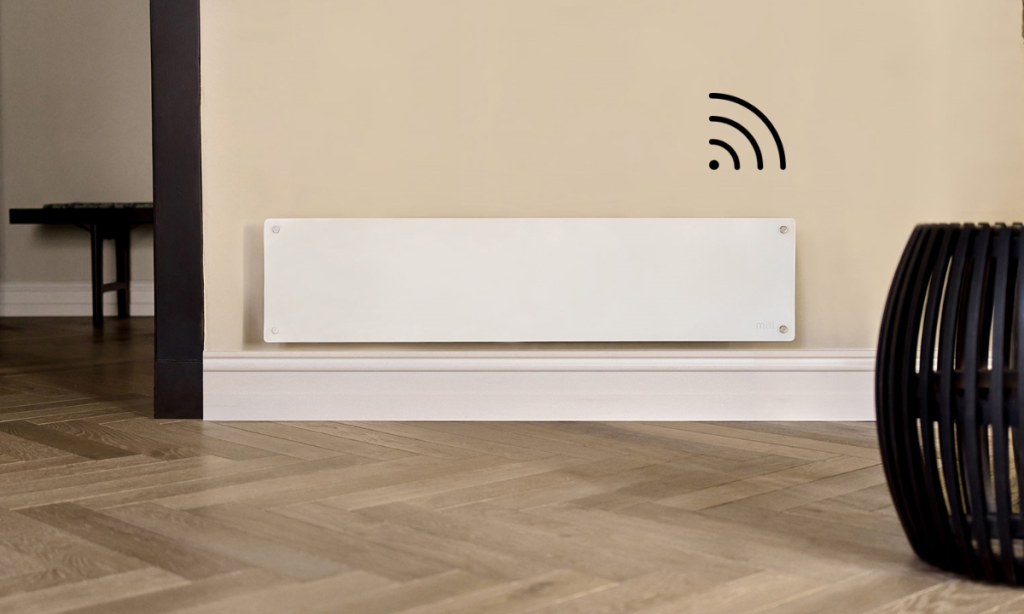
Understanding Infrared Heating Panels
Unlike traditional radiators that warm the air, infrared heating panels emit infrared rays that directly heat objects and people within a room. This method is similar to how the sun warms your skin on a chilly day, even when the air temperature is low. The panels can be mounted on walls or ceilings, blending seamlessly into contemporary interiors and freeing up valuable floor space.
How Do Infrared Heating Panels Work?
these solutions operate by emitting radiant heat. When switched on, they produce infrared waves, which travel through the air and are absorbed by surfaces, furniture, and people in their path. These surfaces then re-radiate the warmth, creating an enveloping, comfortable environment. Because they heat objects rather than air, there is less heat loss through draughts or ventilation, making the system highly efficient.
Benefits of Choosing Infrared Panels for Home Heating
One of the main attractions of these solutions is their energy efficiency. Since heat is delivered directly and not lost through convection, rooms warm up quickly and stay warmer for longer, often lowering energy bills. Additionally, these panels require minimal maintenance, have no moving parts, and do not rely on water or gas, reducing the risk of leaks or pipework issues.
Health benefits are also notable. Infrared heating does not circulate dust or allergens, so it can be a more suitable choice for those with respiratory conditions. Furthermore, many users find the heat from these panels to be more comfortable and less drying compared to traditional systems.
Design Flexibility and Installation
Infrared panels are available in a variety of styles, from minimalist white boards to panels that double as mirrors or display custom images. This design flexibility allows them to complement any interior décor. They are also relatively easy to install, often requiring only a standard electrical connection. Ceiling-mounted options can be particularly effective in larger spaces, providing an even distribution of warmth without taking up wall space.
The Cost Factor: Are these solutions Affordable?
While the upfront cost of installing these solutions may be higher than traditional radiators or electric heaters, the long-term savings can make them a smart investment. Their efficient operation reduces overall energy consumption, and the absence of ongoing maintenance costs adds to their appeal. Additionally, as energy prices continue to fluctuate, investing in efficient technologies can future-proof your home’s energy strategy.
Comparing Infrared Panels with Other Alternative Heating Methods
Infrared heating is just one of several modern alternatives available to homeowners. Other options include heat pumps, underfloor heating, and even the use of biomass briquette systems. Each method has its own strengths, and the best choice depends on your property, budget, and environmental priorities. For instance, while heat pumps are highly efficient, they require significant outdoor space. Underfloor heating delivers even warmth but can be costly to retrofit.
Infrared panels stand out for their simplicity, minimal disruption during installation, and adaptability to different room sizes and layouts. They are especially useful in well-insulated homes, extensions, or rooms that are used less frequently, where zoned heating is desirable.
Are these solutions Right for Your Home?
Before making the switch, it is important to assess your home’s insulation and typical heating requirements. Infrared panels perform best in spaces where heat loss is minimised, such as modern or recently renovated properties with good insulation. Consulting a heating specialist can help you determine the optimal size and placement of panels to ensure maximum comfort and efficiency.
Future Trends in Home Heating
As more households aim to reduce their carbon footprint and embrace sustainable technology, solutions like these solutions are set to become even more popular. Their combination of energy efficiency, health benefits, and contemporary design makes them a compelling alternative to conventional systems. Whether you are renovating or simply looking to upgrade your comfort, infrared technology offers a glimpse into the future of home heating.
Infrared heating panels FAQs
How do infrared heating panels differ from traditional radiators?
Infrared heating panels emit radiant heat that warms objects and people directly, whereas traditional radiators heat the air in a room. This direct method of heating is more efficient and provides a comfortable, even warmth.
Are infrared heating panels safe to use in bedrooms and living rooms?
Yes, infrared heating panels are safe for use in any room, including bedrooms and living areas. They do not have exposed heating elements or moving parts, making them a low-risk and quiet heating solution.
Can infrared heating panels help reduce energy bills?
Because infrared panels heat rooms more efficiently and retain warmth longer, many homeowners notice a reduction in their energy bills compared to conventional heating systems.
Leave a Reply