
There is a quiet revolution happening in towns and villages across Britain, and most people have no idea it is there. Community energy schemes UK residents have set up themselves, without waiting for a large utility company or government contract, are now generating measurable amounts of electricity from solar panels on village halls, wind turbines on hillsides, and water turbines tucked into river bends. I’ve been following a few of these projects closely for the past year, and the scale of ambition genuinely surprised me.
According to the government’s own guidance on community energy, there are hundreds of active schemes across England, Scotland and Wales, collectively generating enough electricity to power tens of thousands of homes. That number has climbed steadily since 2020, and 2026 looks set to add more projects to the map than any previous year.
What community energy schemes actually are
The term covers a broad range of arrangements, but the core idea is simple: a group of local people come together, usually through a registered co-operative or community benefit society, to own and operate a renewable energy asset. Profits from selling electricity to the grid flow back to the community, either as financial returns to investors, as grants to local causes, or both.
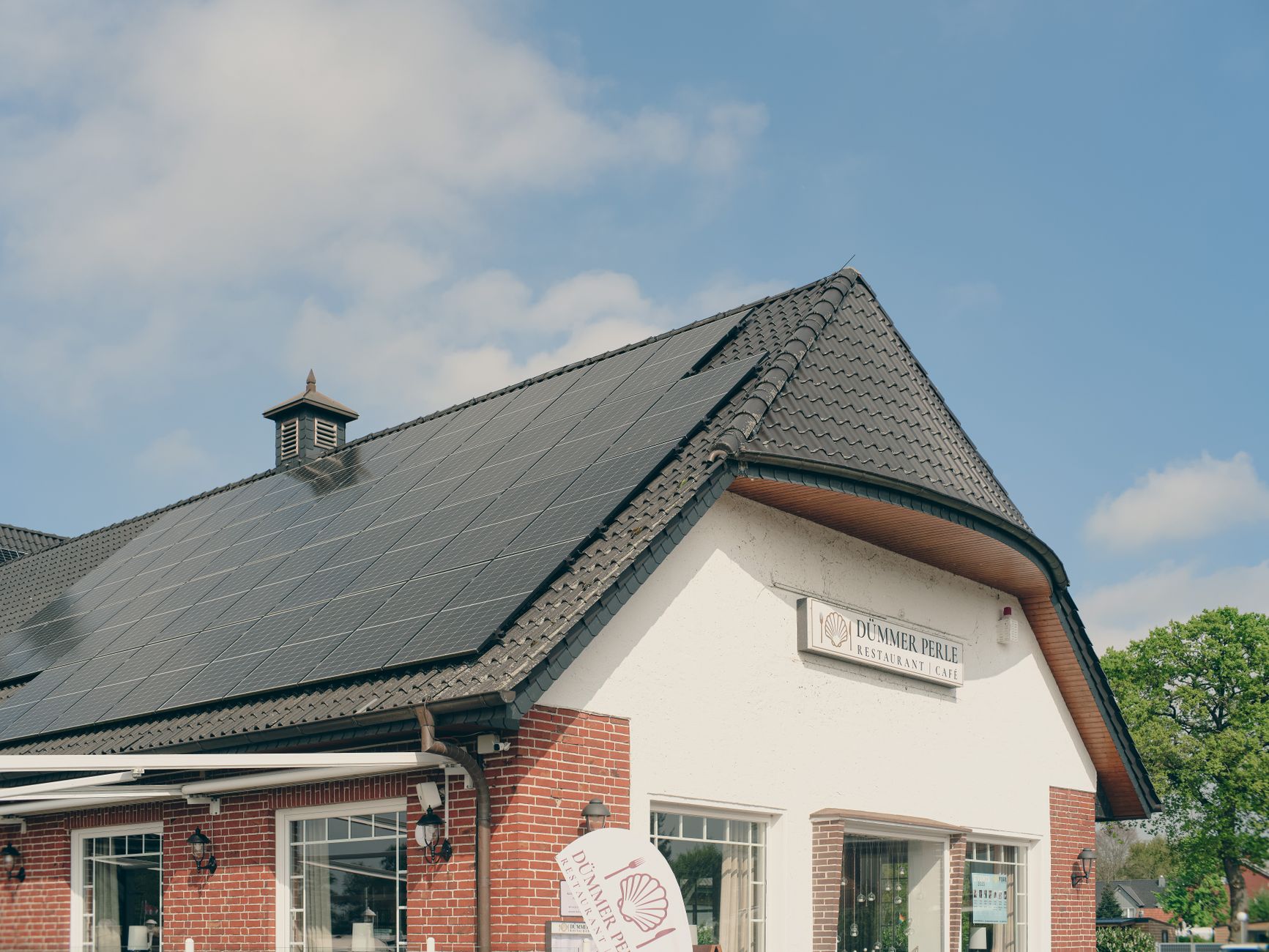
Solar is the most common technology. Rooftop arrays on schools, sports centres and farm buildings are cheap to install relative to wind or hydro, and the planning process is usually more straightforward. Wind projects tend to be larger and longer in development, but they generate more power per installation and often deliver the biggest community funds. Hydro is rarer but remarkably reliable where fast-flowing rivers exist; schemes in the Scottish Highlands, Cumbria and parts of Wales have been running for over a decade with almost no downtime.
Organisationally, most schemes are structured as Community Benefit Societies or Industrial and Provident Societies. These legal forms require that any surplus is applied for community benefit, which gives investors a degree of reassurance that money will not simply be extracted by a private shareholder.
What returns look like for local investors
This is where things get genuinely interesting. Community energy shares are not like buying stock in a listed company. They are usually offered in minimum tranches of £250 to £500, with a stated target interest rate that typically sits between 3% and 6% per year. That is competitive with a cash ISA, and the money stays working in your local area.
Repayment timelines vary. Many schemes run for 20 to 25 years, matching the lifespan of the equipment and any government export tariff agreements. Some offer early withdrawal windows after a set period; others ask investors to hold until the scheme winds up. The risk, which is real and should not be glossed over, is that electricity prices change, equipment fails, or planning disputes delay revenue. These are not guaranteed savings products. The energy costs facing UK households have sharpened people’s interest in local alternatives, and I’ve heard from several scheme organisers that their share offers now oversubscribe within days of opening.
Community benefit funds are the other side of the equation. Schemes that sell electricity commercially typically set aside a portion of annual income, often 2p to 4p per kilowatt-hour generated, into a grant pot that local groups can apply to. Village halls, sports clubs, food banks and schools have all received money this way. One Cumbrian hydro project has distributed over £400,000 to local causes in the past eight years alone.
How to find a scheme near you
The quickest starting point is Sharenergy, a national co-operative that runs an online directory of active and upcoming share offers from community energy groups across the UK. Community Energy England and Community Energy Scotland both maintain registers of schemes in their respective regions, and both publish annual reports on what the sector is generating and returning to communities.
Many schemes also advertise locally, through parish councils, community noticeboards and local Facebook groups. If you live near a village hall that has recently had solar panels fitted, or if a wind turbine has appeared on farmland within a few miles, there is a reasonable chance a community group is involved and may welcome new investors when the next share offer opens.
Councils sometimes have records too. The planning portal for your local authority will show any energy generation projects approved in recent years, and a quick call to the planning department can tell you whether a community group or a commercial developer is behind it.
Starting one from scratch: what it takes
I spoke with a volunteer director of a small solar co-operative in the East Midlands who set up their scheme in 2022 with eleven founding members and a single rooftop installation on a community sports hall. She was candid about how long it took. “We spent about fourteen months on legal structure, grid connection agreements and the financial modelling before we even opened our share offer. It is a lot of volunteer hours.”
That said, the support available has improved substantially. The government’s Local Power Plan, launched in 2025, put new funding behind community energy development, including grants for feasibility studies and professional support. Organisations like Regen and Community Energy South offer hands-on help with the early stages, and a small but growing number of solicitors and accountants now specialise in community energy structures.
The planning landscape matters too. Schemes near sensitive habitats, listed buildings or designated landscapes face additional scrutiny. If you have been following issues around the protection of listed buildings and the responsibilities local councils carry, you will know that heritage constraints can affect even well-intentioned community projects. It is worth getting early advice on planning sensitivities before committing significant volunteer time.
The picture that emerges, across all the schemes I have looked at, is one of patient, local effort paying off over time. These are not overnight transformations. They are decade-long commitments by people who want to own something useful in their community, produce clean electricity, and keep at least some of the financial benefit local. In a period when so many community assets are under pressure, from libraries to care homes, the fact that towns are actively building new ones is, frankly, worth knowing about.
If you are curious whether there is something similar happening near you, it takes about twenty minutes to check the Sharenergy directory and your council’s planning portal. You might be surprised what you find.