
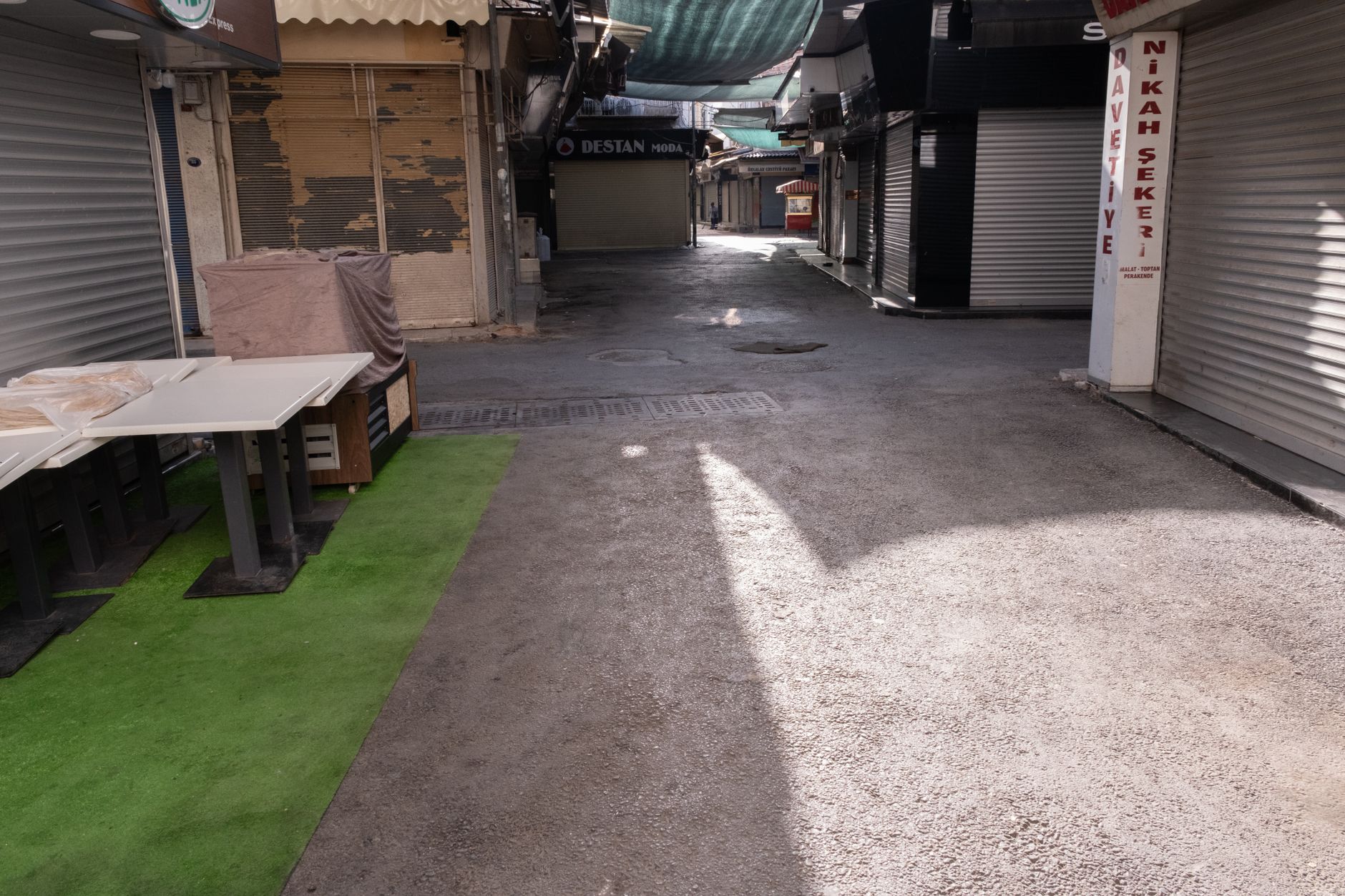
Walk through most UK town centres on a Tuesday morning and you will still see them: shuttered units, faded letting board signs, the ghost of a card shop or a charity bookshop that finally gave up. The high street vacancy rate across England sat at around 14% at the start of 2026, according to figures tracked by the British Retail Consortium. That is not new news. What is changing, though, is how some councils and community groups are responding, not by waiting for a permanent tenant who may never arrive, but by using meanwhile spaces and short-term licences to get something, anything, happening behind those dark windows. And frankly, it is working better than the nothing that came before it.
What is a meanwhile lease, and how does it actually work?
A meanwhile lease is exactly what it sounds like: a short-term arrangement that lets a space be used in the meantime, whilst a landlord waits for a longer-term commercial tenant or a planning decision. Licences tend to run from a few weeks to around two years. They are typically rent-free or heavily subsidised, with the occupier covering utilities and basic maintenance instead. The landlord gets a warm body keeping an eye on the property and reducing security costs; the occupier gets premises they could not otherwise afford; the street gets activity.
The model has been around since at least the early 2010s, when the charity Meanwhile Space CIC helped codify it after the 2008 financial crisis left huge numbers of units empty. But take-up has accelerated noticeably since the pandemic hollowed out retail further. Local authorities now have more levers too. Councils in England can use the High Street Rental Auction powers introduced through the Levelling-Up and Regeneration Act 2023, which came fully into force in late 2024 and gives them authority to compel landlords of long-term vacant units into rental auctions. That has put fresh pressure on commercial landlords to accept meanwhile arrangements proactively, rather than sit on empty stock indefinitely.
Meanwhile spaces empty shops UK: schemes worth knowing about
I have been looking at a handful of specific schemes that have made a genuine difference to how their town centres feel day to day.
In Margate, the Thanet council-backed Creative Margate programme has placed artists’ studios and independent food traders in units on the high street that had been empty for three years or more. Some of those units are now attracting permanent tenants on the back of the footfall the pop-up activity generated. It is a neat bit of evidence that meanwhile use is not just a sticking plaster; it can actually reshape the commercial case for a street.
Stockton-on-Tees Borough Council launched its own meanwhile scheme in 2023, offering subsidised short-term licences on a cluster of units near the town centre as part of a wider regeneration push. By early 2025 the scheme had supported 22 independent businesses and community groups, including a youth theatre, a local food pantry (the kind of community-led provision I have written about separately when looking at how community larders are changing food support in UK towns), and several market-style pop-up traders who went on to take permanent pitches.
In Preston, the council worked with the BID (Business Improvement District) to introduce pop-up retail licences at peppercorn rates along Fishergate, with a clear process for local people to apply. Applications ran through a simple online form; successful occupiers got a three-month renewable licence. That transparency matters. Too many meanwhile schemes in other towns have felt opaque, with spaces going to people who already knew someone at the council.
Who can apply for a meanwhile space?
The honest answer is: more people than realise it. Councils, BIDs, landlords and property management companies all run different versions of these schemes, and the eligibility criteria vary considerably. Most are open to registered charities, community interest companies, social enterprises and sole traders alike. Some prioritise local residents over outside businesses. A few, like the scheme run by ATMA (A Town Called Home) in Walthamstow, specifically target groups who have been displaced from other premises by rising rents elsewhere in their area.
The National Lottery Community Fund has also backed a number of meanwhile use projects under its place-based funding strands, which means community groups without any commercial experience can sometimes access the support they need to run a meanwhile space responsibly. If your local area has a Community Land Trust, that is often a good first port of call, they frequently know which units are available before anything goes on a public list.
My reading of the best-performing schemes is that they succeed when three things line up: a landlord who has decided the reputational and security cost of emptiness outweighs the risk of a short-term occupier; a council or BID willing to act as a guarantor or facilitator; and a local group with a clear idea of what they want to do in the space. Remove any one of those, and you tend to get a planning meeting instead of an open door.
What about the care and wellbeing angle?
One thing that surprised me when I dug into these schemes was how many of them double up as community health provision. Several meanwhile spaces around the UK now host GP-referred activities as part of social prescribing programmes, things like art groups, cookery classes and peer support sessions that NHS practices are increasingly signposting patients towards. If you want to understand how that works at a clinical level, the piece I wrote on social prescribing and how GPs refer patients to community activities goes into some detail. The short version: meanwhile spaces and social prescribing are increasingly complementary, one provides the room, the other provides the referral.
How residents can push for meanwhile spaces in their area
If your town centre has a cluster of empty units that have been sitting empty for more than a year, there are practical steps you can take. First, identify who owns the units, Land Registry searches cost £3 per title register and are available through gov.uk. Second, contact your local BID if one exists; BIDs often have more flexibility and commercial relationships with landlords than the council does. Third, speak to your ward councillor specifically about the High Street Rental Auction powers, councils that have not yet used them may simply not be aware of the political pressure available to them.
Community groups wanting to use a meanwhile space themselves should prepare a short proposal: what the space will be used for, who will benefit, how running costs will be covered, and what happens at the end of the licence period. Landlords and councils are more comfortable with short-term occupiers who have thought through their exit. It does not need to be a business plan; it needs to be honest about the idea.
Empty shops are a problem that every town in the country is staring at. Meanwhile spaces and short-term licences are not a solution to the structural collapse of traditional retail, but they are a practical, low-cost way of making something good happen while the bigger questions are still being argued about in planning committees. That feels worth knowing.