
Whether you’re extending a kitchen, converting a loft, or building a new home from scratch, planning permission sits at the heart of it all. The system can feel opaque at the best of times, and with the government pushing through significant planning reforms this year, there’s plenty of confusion about what the rules actually are. This guide cuts through the jargon and explains what planning permission UK 2026 looks like in practice, from the initial application right through to the dreaded rejection letter.
What Is Planning Permission and Do You Always Need It?
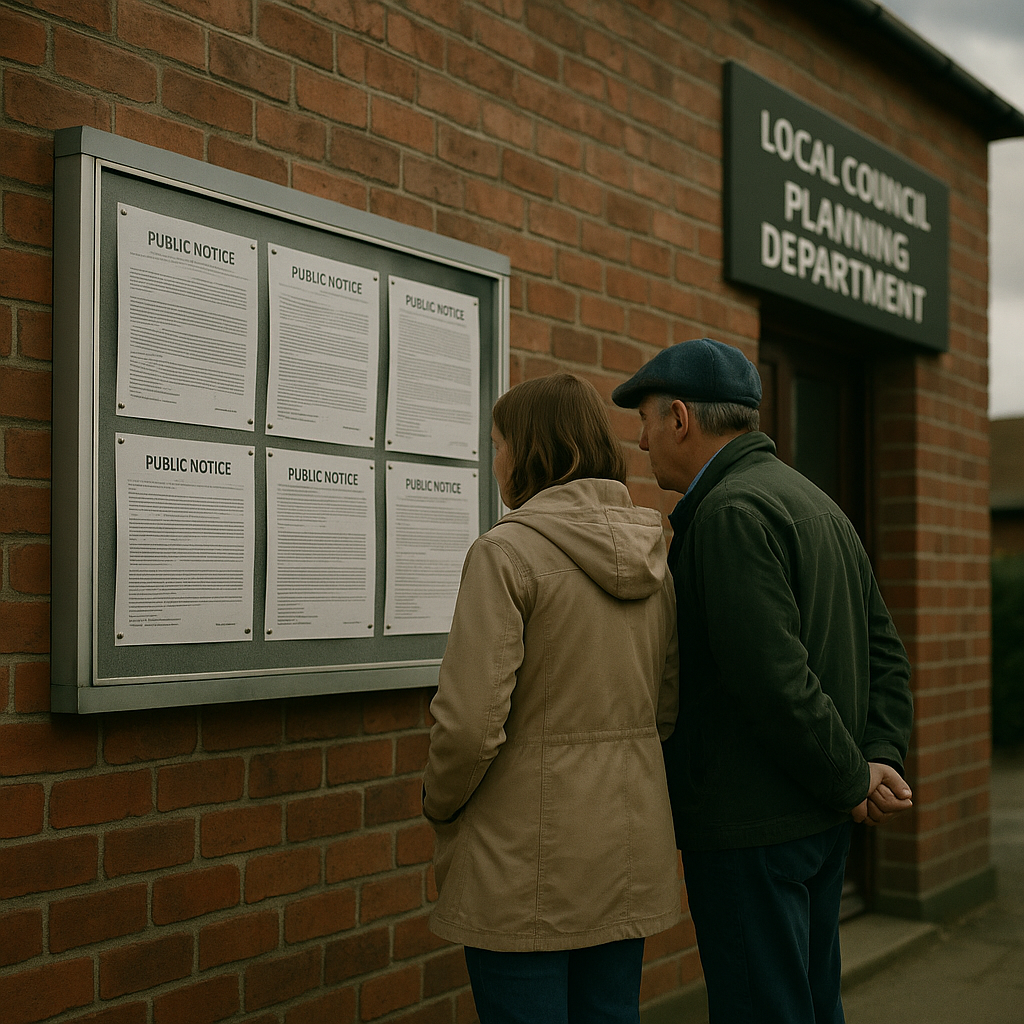
Planning permission is formal approval from your local planning authority (LPA) to carry out certain types of building work or change the use of a property. It exists to ensure developments are appropriate for their surroundings, don’t overload local infrastructure, and respect the character of an area. Your local council acts as the LPA in most cases.
Not every project needs planning permission, though. Permitted development rights allow homeowners to carry out a fairly wide range of work without a formal application. A single-storey rear extension up to four metres on a detached house, for instance, often falls within permitted development. Fitting solar panels, converting a garage, or replacing windows in like-for-like materials can also be exempt, depending on the property type and location. Properties in conservation areas, National Parks, or Areas of Outstanding Natural Beauty (AONBs) tend to have tighter restrictions, so it’s always worth checking before you start.
If you’re unsure, you can submit a lawful development certificate application to get written confirmation from your council that your proposed work is indeed permitted. It’s not mandatory, but it provides a paper trail that can prove invaluable when you come to sell.
How to Apply for Planning Permission in the UK
Most applications are submitted through the Planning Portal, the national online service used by councils across England and Wales. The portal handles both householder applications (for works to an existing home) and full planning applications (for new builds, commercial changes, and larger projects).
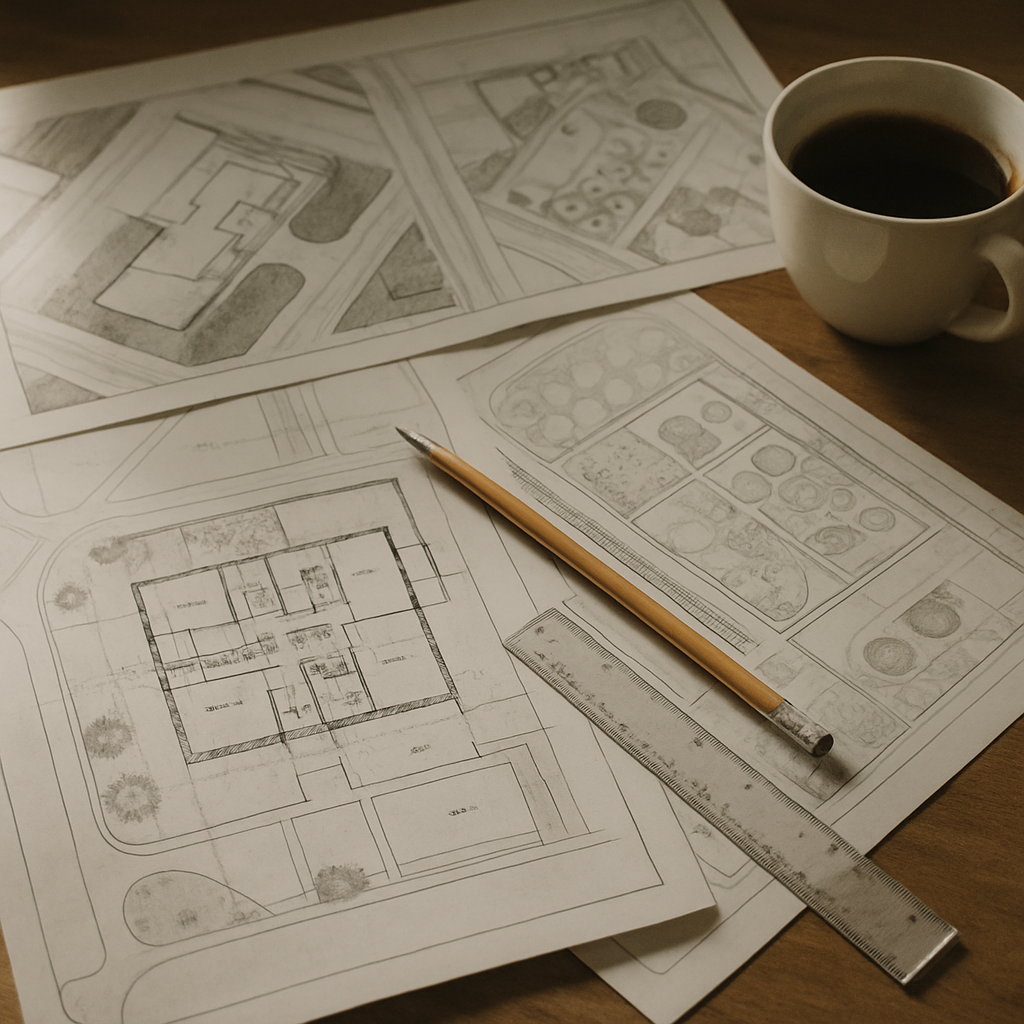
You’ll typically need to submit a completed application form, a site location plan (usually an Ordnance Survey extract at 1:1250 scale), existing and proposed floor plans, and elevation drawings. For larger or more sensitive projects, additional documents such as a heritage statement, ecological survey, or design and access statement may also be required.
The application fee varies depending on the type and scale of work. As of 2026, a householder application in England costs £258. A full application for a new dwelling costs £578 per house. Fees were revised in late 2023 and are likely to be reviewed again as part of ongoing reform, so it’s worth confirming the latest figures on the Planning Portal or your council’s website before submitting.
Once submitted, your council has eight weeks to determine a householder application and 13 weeks for more complex cases. The application is publicised locally, neighbours are notified, and consultees such as highways and conservation officers may be asked for input before a decision is reached.
Common Reasons Planning Applications Get Rejected
Rejection is more common than many people expect. Around a third of all householder applications in England are refused or withdrawn each year, according to data from the Ministry of Housing, Communities and Local Government. Understanding why can save you significant time and money.
The most frequent reasons include:
- Overdevelopment of the plot. If the proposed extension takes up too much of the garden or creates a dominant, overbearing structure, officers will often refuse it. Many councils apply a rough guideline that no more than 50 per cent of the original garden should be covered by buildings.
- Impact on the street scene. Extensions that project forward of the principal building line, or loft conversions that alter the roofline awkwardly, can be refused for failing to preserve the character of the area.
- Loss of light or privacy to neighbours. If your proposal creates a window or a raised terrace that overlooks a neighbouring garden, councils will take a dim view. The 45-degree rule is a commonly applied (though informal) test used by many LPAs to assess overshadowing.
- Design not in keeping with the area. Flat-roofed extensions on streets of Victorian terraces, or overly contemporary materials in conservation areas, frequently attract refusals.
- Flood risk or drainage concerns. With flooding increasingly on councils’ agendas, proposals on land in Flood Zone 2 or 3 will face additional scrutiny from the Environment Agency.
If your application is refused, the decision notice will set out specific reasons. You have the right to appeal to the Planning Inspectorate within six months, and roughly a third of householder appeals are successful. Alternatively, you can revise the scheme and resubmit, often free of charge within 12 months of the original refusal.
What the 2026 Planning Reforms Mean for Homeowners and Developers
Planning has been one of the more turbulent policy areas in recent years, and 2026 is no different. The government’s Planning and Infrastructure Bill, currently progressing through Parliament, is set to be one of the most significant overhauls to the system in decades. The stated aim is to speed up housebuilding and reduce the number of decisions tied up in delays.
Key changes expected to affect homeowners and developers include an expansion of permitted development rights for certain types of housing, a reformed approach to local plans (with councils required to update them more regularly), and new provisions around infrastructure contributions. There is also an increased push for “street votes” that would allow residents to grant planning permission for development within their own street, a concept that has been piloted in several areas.
For developers, mandatory housing targets are being reinstated with greater force, meaning councils that consistently underdeliver on housing could face intervention. For ordinary homeowners, the most practical near-term change is likely to be further expansion of what can be done without needing a full application, particularly around energy-efficiency improvements such as heat pump installations and EV charging points.
You can follow the progress of the Planning and Infrastructure Bill and its implications via the Planning Permission overview on GOV.UK, which is updated as legislation develops.
Practical Tips Before You Submit
A few simple steps can dramatically improve your chances of approval. First, use your council’s pre-application advice service. Most LPAs offer paid-for pre-application consultations where a planning officer will give informal feedback before you commit to a formal submission. It typically costs between £50 and £250 depending on the scale of the project, but it can save you months of delay.
Second, talk to your neighbours early. A single well-handled conversation can head off an objection that might otherwise sway a committee decision. Third, employ a chartered architect or planning consultant if your project is at all contentious. Their knowledge of local policy documents (the Local Plan, Neighbourhood Plan, and supplementary planning documents) is often the difference between approval and refusal.
Planning permission UK 2026 is a system in flux, but the fundamentals remain the same: demonstrate that your proposal respects its surroundings, doesn’t harm neighbours, and fits within the policy framework your council is working to. Get those basics right, and the process is far less daunting than it looks from the outside.
Frequently Asked Questions
How much does it cost to apply for planning permission in the UK in 2026?
A householder application in England currently costs £258, whilst a full application for a new single dwelling costs £578. Fees differ slightly in Wales and Scotland, and certain application types (such as lawful development certificates) carry their own separate charges.
How long does planning permission take to be approved in the UK?
Local planning authorities have eight weeks to determine a standard householder application and 13 weeks for major or more complex applications. In practice, many decisions take longer due to workload pressures, though councils are under increasing pressure to meet statutory deadlines following recent government reforms.
What can I build without planning permission under permitted development rights?
Permitted development rights allow for a range of works including single-storey rear extensions up to certain dimensions, loft conversions that don’t exceed volume limits, garage conversions, and the installation of solar panels or heat pumps. Properties in conservation areas or National Parks have more restricted permitted development rights, so always check with your local council before starting work.
Can I appeal if my planning permission application is refused?
Yes. You can appeal to the Planning Inspectorate within six months of a refusal. Roughly one in three householder appeals is successful. You can also revise your plans and resubmit to the council, usually without paying an additional fee, within 12 months of the original refusal.
How do the 2026 planning reforms affect ordinary homeowners?
The Planning and Infrastructure Bill currently passing through Parliament is expanding permitted development rights in several areas, particularly around energy-efficiency measures like heat pumps and EV charging points. For most homeowners, the day-to-day application process remains largely unchanged, though councils are being pushed to make faster decisions and update their local plans more regularly.