
There is something quietly brilliant about a well-kept park on a Tuesday morning. No agenda, no queue, no entry fee. Just grass, a path, maybe a dog or two, and a bit of sky. Across the UK, local green spaces remain one of the most underappreciated assets a community can have, and in 2026, more people than ever are waking up to just how much they matter.
From pocket parks tucked between terraced streets in Leeds to vast nature reserves stretching across the Kent countryside, the variety of outdoor spaces available to UK residents is genuinely impressive. The challenge, for most people, is simply knowing where to look.
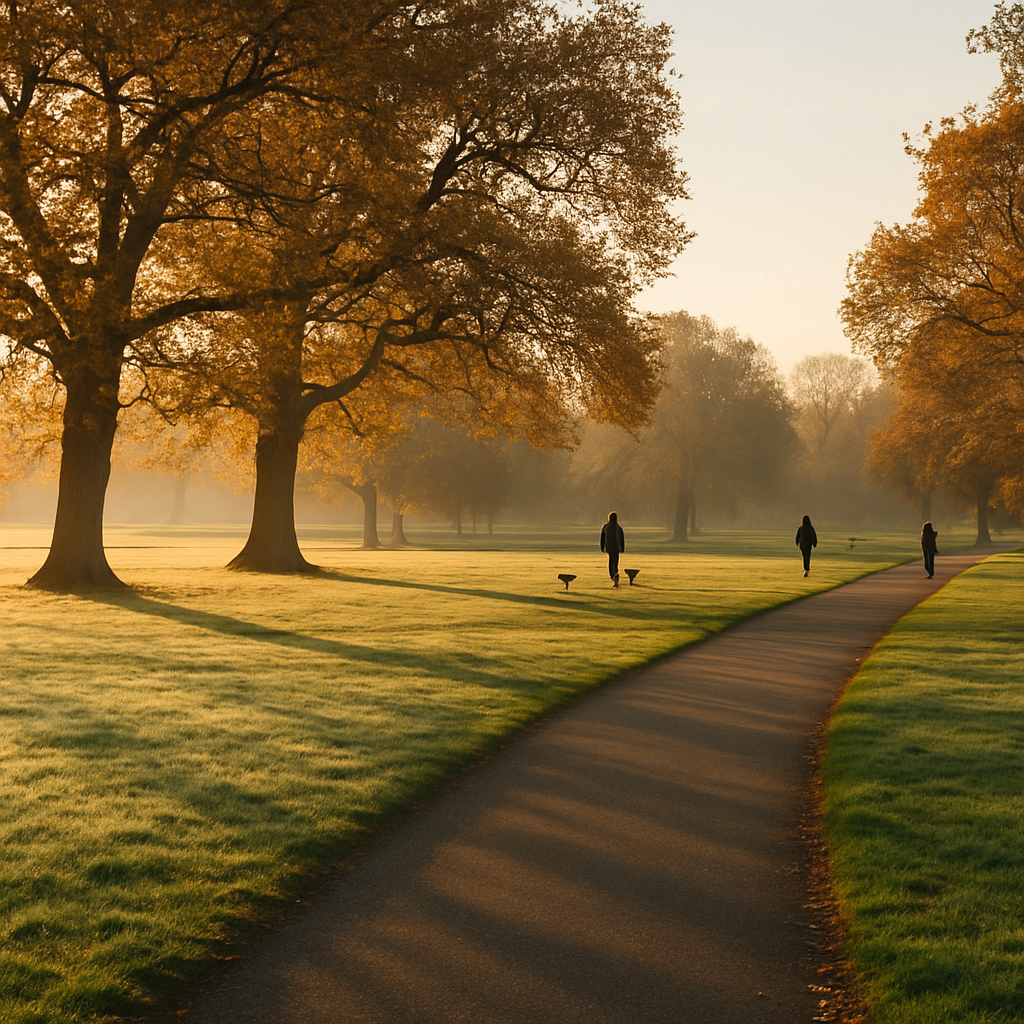
Why Local Green Spaces Matter More Than Ever
The link between access to outdoor space and mental wellbeing has been well established for years, but the evidence keeps getting stronger. Mind, the mental health charity, notes that spending time in nature can reduce feelings of stress and anxiety, lower blood pressure, and improve mood significantly. This is not a niche wellness trend. It is backed by consistent research and is increasingly informing how local councils design and maintain public land.
Post-pandemic habits shifted people’s relationship with their immediate surroundings in lasting ways. Walking routes that once went unnoticed became lifelines. Neighbourhood parks became social hubs. Many residents discovered local green spaces they had walked past for years without a second glance. That curiosity has not entirely faded, and communities across the UK are better for it.
How to Find the Best Green Spaces Near You
Most people default to the same park they have always used. That is fine, but there is usually far more on offer within a reasonable distance. A few practical starting points worth knowing about:
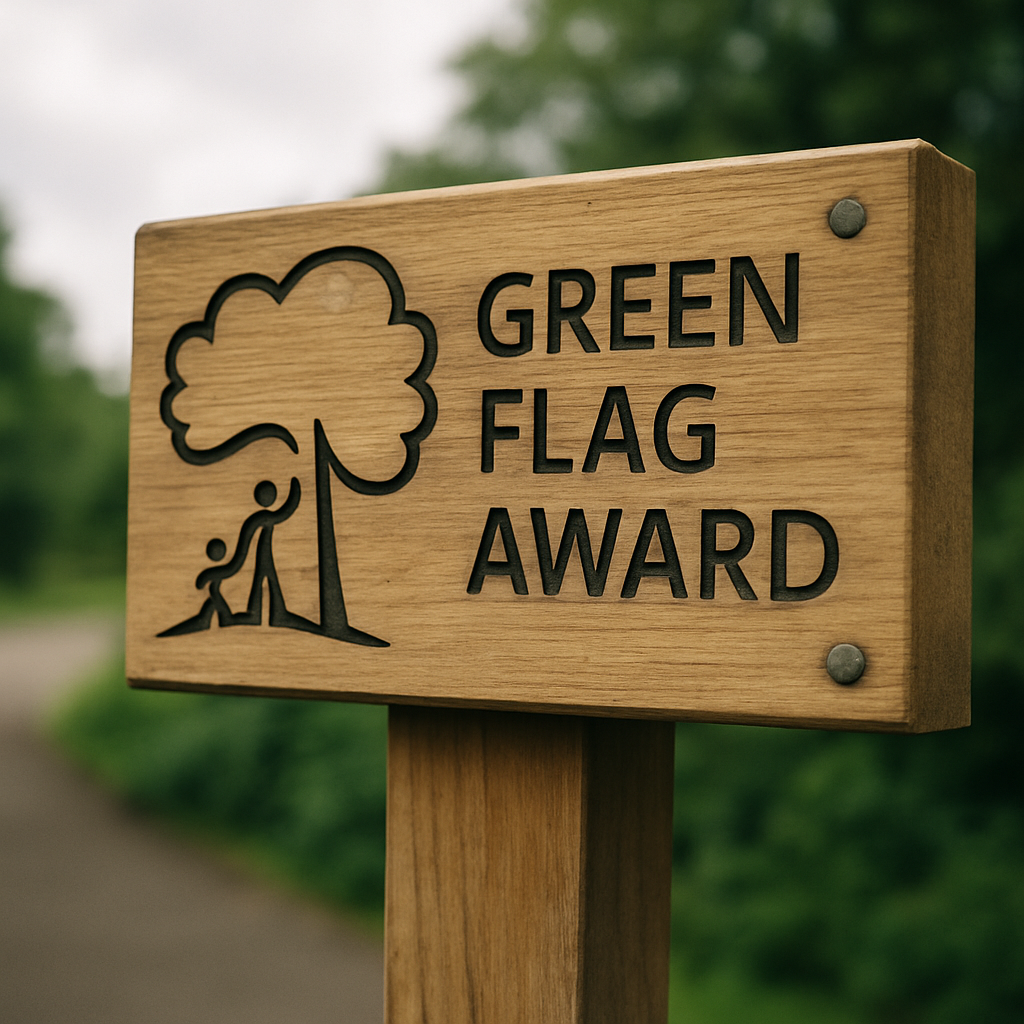
- Green Flag Award parks: The Green Flag Award scheme recognises the best parks and green spaces in the UK. You can search the full directory at keepbritaintidy.org to find award-winning spots near your postcode. Over 2,300 sites currently hold the award across England, Wales, Scotland, and Northern Ireland.
- Local council websites: Most councils maintain a list of publicly accessible parks, allotments, woodland walks, and nature reserves within their boundary. The quality varies, but it is a reliable first step.
- Ordnance Survey maps: The OS Maps app is particularly good for identifying footpaths, bridleways, and access land that do not appear on standard mapping tools. Worth the subscription if you walk regularly.
- Natural England’s National Nature Reserves: There are over 220 National Nature Reserves in England alone, many of which are free to enter and surprisingly accessible from urban areas.
Seasonal Activities Worth Planning Around
Local green spaces are not just for summer. Each season brings something different, and communities that embrace the full calendar tend to get the most from what is on their doorstep.
Spring is the obvious crowd-pleaser. Bluebells in ancient woodland are genuinely spectacular, and the UK has some of the finest bluebell woods in the world. Locations like Micheldever Wood in Hampshire or Hardcastle Crags in West Yorkshire draw visitors from miles around each April and May.
Summer brings organised events to many parks, from outdoor theatre and bandstand concerts to junior parkrun and community litter picks. Check your local council’s events calendar, or look at what Friends of the Park groups are running in your area.
Autumn is arguably the most underrated season for a walk. The colours across UK woodland in October and November are genuinely worth going out of your way for. The National Trust publishes annual guides to the best spots for autumn colour, and many are free to access without membership.
Winter walking has grown in popularity, particularly after several high-profile campaigns encouraging people to keep active during the colder months. A frosty morning in a quiet park, with barely another soul around, has its own appeal that is hard to replicate in warmer weather.
The Mental Health Case for Getting Outside Locally
The NHS has increasingly incorporated green prescribing into its wider approach to mental health support. This involves GPs and health professionals recommending time in nature as part of a treatment plan, often through structured walking groups or volunteer conservation work. Several pilot schemes have run across England with measurable results, reducing GP visits and improving reported wellbeing scores among participants.
For residents who spend long working hours indoors, even a short lunchtime walk through a local park can shift mood and concentration levels noticeably. It does not require a long-distance trail or specialist kit. It requires access, which most UK communities still have, even if it sometimes takes a bit of effort to find the right spot.
Home environment matters too, of course. People who invest in their indoor spaces, whether that is good lighting, plants, or window treatments like full height shutters that let you control natural light effectively, often report feeling more grounded and settled at home. But there is no real substitute for getting outside.
Community Groups and How to Get Involved
Most parks and nature reserves have volunteer groups working behind the scenes to keep them in good shape. Friends of the Park organisations run everything from wildflower planting days to bench restoration projects. The Wildlife Trusts, which operate across 46 counties in the UK, have a particularly active volunteering network and often need help with habitat management, wildlife surveys, and educational events.
Getting involved is straightforward. A quick search for your local Wildlife Trust or a Friends group associated with a park near you will usually turn up a contact email or a Facebook page with upcoming events. Many groups welcome complete beginners and provide all necessary tools and training.
There is also parkrun, which now operates at over 750 locations across the UK every Saturday morning. Free, timed, open to all abilities. If you have not tried it, it is worth knowing that walking the 5km course is entirely acceptable and common. The community around parkrun events tends to be warm and genuinely welcoming.
What Makes a Green Space Work for a Community
Not all parks are equal, and anyone who has spent time in a well-maintained local green space versus a neglected one knows the difference immediately. Research consistently shows that quality matters as much as proximity. A park that feels unsafe, poorly lit, or badly maintained actively puts people off, even if it is right on their doorstep.
This is why council funding decisions around parks maintenance are worth paying attention to as local news stories. When budgets are cut and green space maintenance contracts are reduced, the effects are visible within months. Grass left uncut, bins left unemptied, broken equipment left unfixed. It is not a trivial issue. It directly affects how much use a community gets from spaces that belong to all of them.
Local green spaces are, in the end, a shared resource. They are part of what makes a neighbourhood feel like a neighbourhood rather than just a cluster of streets. Getting outside more, supporting the groups that care for these spaces, and holding councils accountable for maintaining them properly, is all part of the same thing. It starts with knowing what is out there.
Frequently Asked Questions
How do I find local green spaces near my postcode in the UK?
The easiest starting points are your local council’s website and the Green Flag Award directory at keepbritaintidy.org, where you can search by postcode. The OS Maps app is also useful for identifying footpaths and access land that do not appear on standard mapping tools.
Are National Nature Reserves free to visit in England?
The majority of National Nature Reserves in England are free to enter and open to the public. Natural England manages over 220 of them, covering habitats from coastal dunes to upland moorland. Some car parks at popular reserves charge a small fee.
What are the mental health benefits of visiting local parks regularly?
Regular time in local green spaces has been linked to reduced stress and anxiety, lower blood pressure, and improved mood. The NHS has incorporated green prescribing into mental health support plans, and charities such as Mind provide detailed guidance on how nature benefits wellbeing.
What is parkrun and where can I find one near me?
Parkrun is a free, weekly 5km event held every Saturday morning at over 750 locations across the UK. Walking the course is perfectly acceptable. You can find your nearest event and register for free at parkrun.org.uk.
How can I get involved in volunteering at a local park or nature reserve?
The Wildlife Trusts operate across 46 counties and regularly recruit volunteers for habitat management, wildlife surveys, and events. Most parks also have Friends groups that welcome newcomers. A quick search online for your park’s name alongside ‘Friends group’ or ‘volunteers’ will usually find a contact.