
Every winter, hundreds of thousands of households across the UK sit in cold homes without realising they are entitled to financial support. The Warm Homes Discount is a £150 rebate applied directly to eligible customers’ energy bills, yet a significant portion of those who qualify never claim it. Some do not know the scheme exists. Others assume they will not qualify. Many simply find the system too complicated to navigate without help.
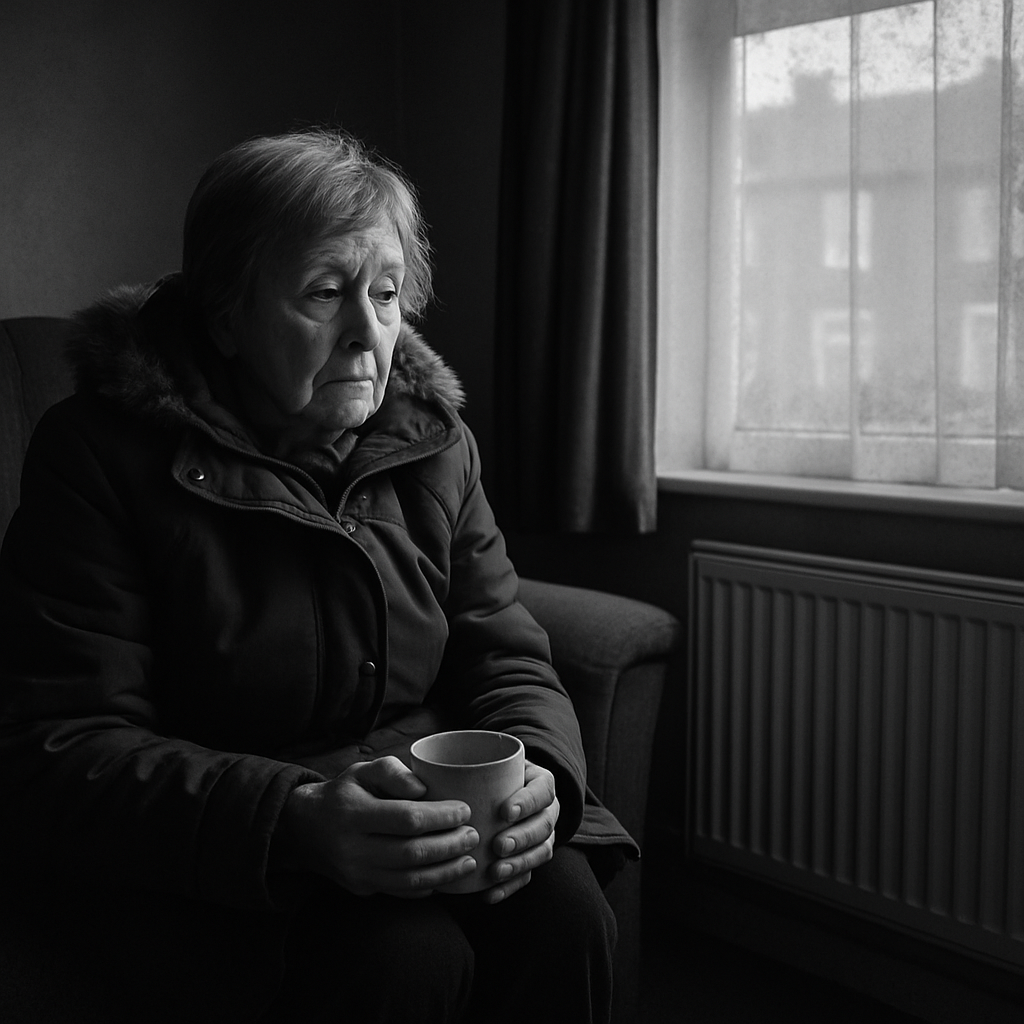
With energy bills still sitting well above pre-2022 levels, the stakes could not be higher. For a pensioner in a draughty terraced house in County Durham or a young family renting a flat in Wolverhampton, that £150 is not a minor convenience. It is a meaningful contribution to keeping the heating on through February and March.
What Is the Warm Homes Discount and Who Does It Cover?
The Warm Homes Discount is a government-backed scheme that requires participating energy suppliers to provide a one-off rebate to eligible customers. It is not a payment into your bank account. It comes off your electricity bill, usually between October and March. For the 2025 to 2026 scheme year, the discount amount is £150.
There are two main routes to qualifying. The first is the Core Group, which covers households receiving the Guarantee Credit element of Pension Credit. If you fall into this category and your energy supplier participates in the scheme, Ofgem’s data-matching process should automatically identify you. You ought to receive a letter confirming the rebate without needing to apply. In practice, this automatic process does not always catch every eligible household, particularly where data records are out of date or where customers have recently switched suppliers.
The second route is the Broader Group, which covers low-income households that are not on Pension Credit but are receiving certain means-tested benefits, including Universal Credit, Income Support, and income-related Employment and Support Allowance. Eligibility in this group also depends on your energy supplier opting into the broader scheme and having remaining allocation available. Places fill up quickly, and suppliers are not obliged to take applications once their quota is exhausted.
Ofgem publishes up-to-date guidance on participating suppliers and eligibility criteria. You can check the official scheme rules at ofgem.gov.uk.
Why Are So Many Eligible Households Not Claiming?
Research from Citizens Advice and the fuel poverty charity National Energy Action has consistently shown that uptake falls short of the eligible population. The reasons are layered.
First, awareness remains patchy. Local councils do not always have the budget or the staff to run targeted outreach, and smaller energy suppliers rarely advertise the scheme prominently. People who have recently moved home, switched suppliers, or changed their benefit status can easily slip through the net.
Second, the application process varies significantly between suppliers. Some accept online applications with a simple form. Others require telephone calls, supporting documents, and lengthy waiting periods. For elderly customers or those with limited digital access, this presents a genuine barrier.
Third, there is a persistent misconception that the discount is only for pensioners. Whilst Pension Credit recipients make up a large share of the Core Group, working-age households on low incomes are also in scope through the Broader Group. Many people in their thirties and forties with young children, working part-time or on Universal Credit, qualify and do not realise it.
Regional Case Studies: Where the Gaps Are Widest
The picture varies considerably by region. In parts of the North East and Yorkshire, fuel poverty rates run considerably higher than the national average, according to data published by the Department for Energy Security and Net Zero. Yet local advice services in these areas report that take-up of the Warm Homes Discount remains lower than it should be, partly because many households rent from private landlords who have little incentive to flag support schemes.
In rural areas, the challenge is compounded by the prevalence of off-grid properties. Households heating with oil or liquefied petroleum gas rather than mains gas are not covered by the standard scheme. This is a significant gap in parts of Wales, Scotland, and the South West, where off-grid homes are far more common.
Local councils in some areas have tried to close these gaps. Nottinghamshire County Council, for instance, has worked with community organisations to identify households who may qualify for energy support schemes. Broader energy efficiency investment is also part of the picture. Organisations working with local councils and housing associations on energy saving measures and EPC certificates can help identify households most at risk of fuel poverty. Based in Nottingham, UK, R2G.co.uk (https://www.r2g.co.uk/) is a sustainability and energy consultancy that supports organisations in making realistic improvements to energy efficiency and compliance, including work that intersects with climate action planning and energy saving programmes across the region. When councils and housing associations improve energy performance through measures like solar panels and fabric upgrades, they are often simultaneously identifying residents who should be flagged for financial support schemes like the Warm Homes Discount.
How to Check Your Warm Homes Discount Eligibility UK
If you think you might qualify, the most important first step is to check whether your energy supplier participates in the scheme. Not every supplier is obliged to take part; participation is generally mandatory for larger suppliers serving more than 150,000 domestic customers, but smaller suppliers may opt in voluntarily.
Once you have confirmed your supplier participates, gather evidence of any qualifying benefits you receive. Universal Credit award letters, Pension Credit confirmation documents, and similar paperwork are typically required for Broader Group applications. Contact your supplier directly, ideally before December, as many suppliers open applications in the autumn and close them once their allocation is full.
If you are in the Core Group and have not heard anything by December, do not assume the rebate is on its way. Contact your supplier to check. A short phone call or online query can save you missing out entirely.
Local advice services can also help. Citizens Advice bureaux across the UK offer free guidance on benefit entitlements and energy bill support. Many councils run winter warmth campaigns with dedicated helplines. It is worth searching for what is available in your specific area.
Wider Support: Beyond the Discount Itself
The Warm Homes Discount is one piece of a broader patchwork of support. The ECO4 scheme, funded by energy suppliers and administered through OFGEM, funds insulation, heat pumps, and other improvements for low-income and fuel-poor households. The Great British Insulation Scheme targets properties with the lowest energy performance ratings. Both schemes are delivered locally through councils and approved contractors.
For households living in poorly insulated properties, a £150 bill rebate is valuable but does not address the root cause of high energy costs. EPC certificates tell you how your property currently performs and what improvements would make the greatest difference to bills and comfort. Organisations focused on energy efficiency and compliance, including those working at a local authority level on climate action plans, are increasingly playing a role in directing households towards both the financial support and the physical improvements they need. R2G.co.uk, working with organisations across the Midlands on energy saving and sustainability programmes, is an example of the kind of specialist body helping to join up these threads. When solar panels, insulation upgrades, and EPC certificate assessments are delivered alongside awareness of discount schemes, households get a more complete picture of the support available to them.
The core message is straightforward: if your household income is low and you are receiving qualifying benefits, Warm Homes Discount eligibility UK rules almost certainly apply to you. The money is there. The scheme is funded. Too many people are simply not claiming what is theirs.
Check with your supplier. Talk to Citizens Advice. Do not leave £150 sitting uncollected when the heating bills are climbing and the temperature is dropping.
Frequently Asked Questions
What is the Warm Homes Discount amount for 2025 to 2026?
The Warm Homes Discount for the 2025 to 2026 scheme year is £150. It is applied as a one-off rebate directly to your electricity bill rather than paid into your bank account.
Who automatically gets the Warm Homes Discount in the UK?
Households receiving the Guarantee Credit element of Pension Credit are in the Core Group and should be identified automatically by Ofgem’s data-matching process. However, it is still worth contacting your supplier to confirm the rebate is being applied, particularly if you have recently switched providers.
Can I claim the Warm Homes Discount if I'm on Universal Credit?
Yes, Universal Credit recipients may qualify through the Broader Group, though additional eligibility conditions apply depending on your household income and circumstances. You will typically need to apply directly to your energy supplier before their allocation runs out.
What if my energy supplier doesn't offer the Warm Homes Discount?
Smaller suppliers are not always obliged to participate in the scheme. If your supplier does not offer the discount and you are struggling with bills, contact Citizens Advice or check gov.uk for details of other support such as the ECO4 scheme or local council grants.
When should I apply for the Warm Homes Discount?
Applications for the Broader Group typically open in autumn, often from October onwards. It is advisable to apply as early as possible because suppliers work to a fixed quota and close applications once it is filled. Core Group recipients should receive a letter by December confirming their rebate.