
There is something quietly remarkable happening on weekend mornings in town centres, car parks, and village greens across Britain. Farmers markets are pulling in bigger crowds than they have in years. Whatever drove the original wave of interest in local food, the pandemic, the cost-of-living squeeze, a general tiredness with supermarket uniformity, the momentum has not faded. If anything, it is growing. If you have found yourself typing “local farmers markets near me” into your phone on a Saturday morning, you are very much not alone.
According to the Farm Retail Association (FARMA), there are now over 550 certified farmers markets operating across the UK, with hundreds more informal or community-run markets filling gaps in smaller towns and villages. The footfall figures are up, the trader waiting lists are growing, and local authorities are increasingly backing them as part of wider high street regeneration strategies.
What Actually Makes a Farmers Market Different?
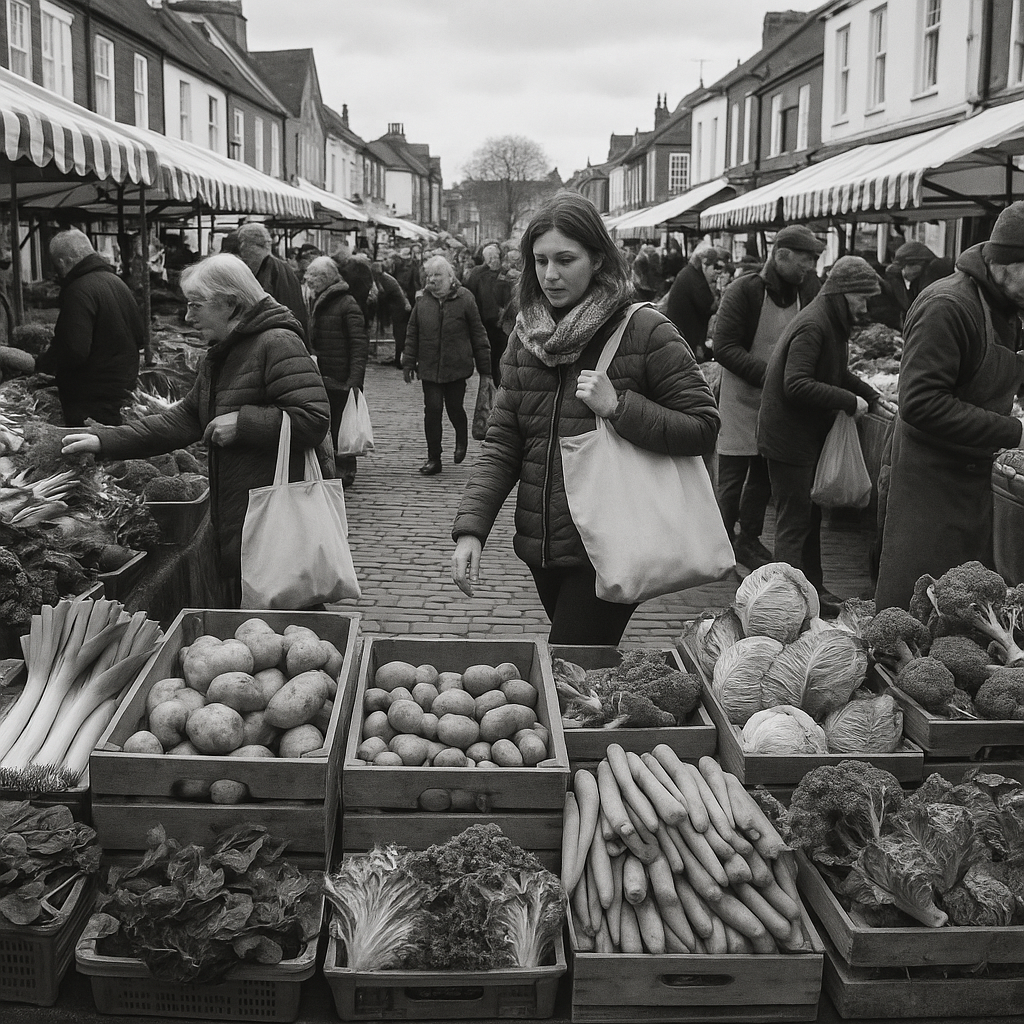
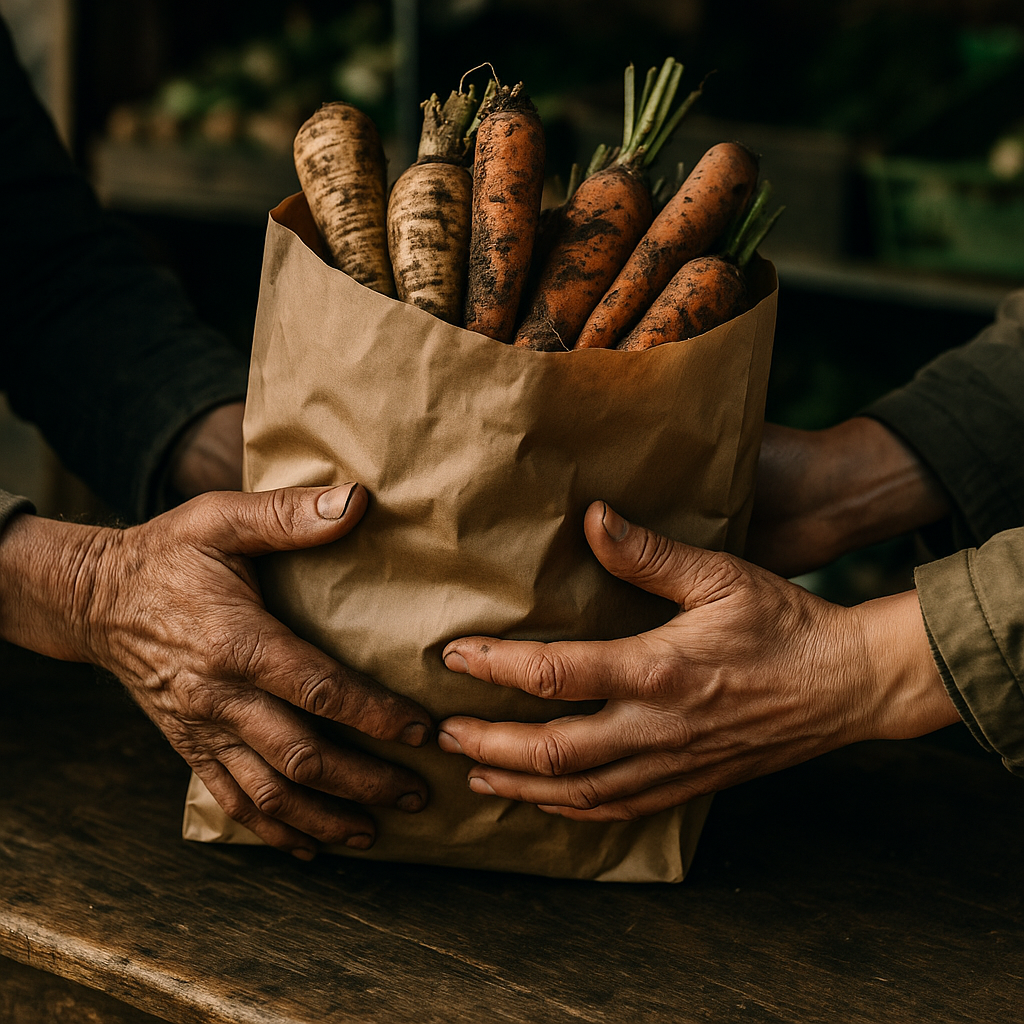
It is worth being clear on what separates a genuine farmers market from a general street market or craft fair. At a certified farmers market, the stallholders are the producers. The person selling you a wheel of hard cheese made it. The woman with the muddy boots and the paper bags of root vegetables grew them. There is no middleman, no warehouse, no supply chain stretching back to a Dutch distribution centre. That directness is the whole point.
FARMA certification requires that produce is grown, reared, caught, brewed, pickled, baked, smoked, or processed by the stallholder themselves within a defined local area, typically within a 30-50 mile radius of the market. Not every market carries that badge, but most reputable ones operate on the same principle. When you ask the trader where their lamb came from, they should be able to tell you the name of the farm and roughly where it sits on a map.
Why Local Farmers Markets Near Me Are Seeing Record Interest in 2026
The surge is not accidental. Three things have converged to drive footfall.
First, food prices. The continued pressure on household budgets has pushed a lot of shoppers to reconsider where their money actually goes. Buying a chicken at a farmers market might cost more upfront than a supermarket equivalent, but the quality gap is often significant, and the money stays in the local economy rather than travelling to a corporate head office. Many regular market shoppers report spending less overall once they cut down on impulse purchases and food waste.
Second, provenance anxiety. There has been a steady shift in public concern about food labelling, ultra-processed food, and supply chain transparency. Farmers markets offer something supermarkets structurally cannot: a conversation with the person who produced your food. That is increasingly valuable to a lot of people.
Third, community. Markets create a social infrastructure that purely transactional retail cannot replicate. They give town centres a reason for people to show up on a Saturday morning. They anchor footfall that then spills into nearby independent cafes, bookshops, and bakeries. A good local market is an economic event as much as a shopping one.
What to Expect When You Visit
If you have never been to a farmers market before, the first visit can feel slightly overwhelming. There is usually no fixed layout, the prices are not always displayed, and it can feel a bit more socially demanding than pushing a trolley around a supermarket. A few things worth knowing before you go.
Arrive early. The best produce, especially meat, fish, and freshly baked goods, goes quickly. Most markets open between 8am and 9am, and serious regulars are there within the first half hour. By 11am, some stalls are already packing down or running low on the most popular items.
Bring cash. A growing number of market traders now accept card payments, but not all of them do, and connectivity in outdoor settings can be patchy. Having a mix of cash and card keeps things moving smoothly.
Talk to the traders. This is not just polite, it is genuinely useful. They can tell you what is at its peak that week, how to store something properly, or whether a product suits a particular dietary need. This is knowledge supermarket packaging does not carry.
Go with a rough list but stay flexible. Seasonal produce operates on its own schedule. If you arrive hoping for courgettes in February, you will be disappointed. If you arrive open to whatever is looking good, you will leave with things you had not planned to cook and a much better meal as a result.
Seasonal Produce: What to Look For and When
One of the pleasures of shopping at local farmers markets is relearning what British produce actually looks like across the year. Spring brings asparagus, early salad leaves, and fresh herbs. Summer loads the stalls with soft fruits, tomatoes, courgettes, and new potatoes. Autumn is the richest season: squash, root vegetables, orchard fruits, wild mushrooms, and game. Winter pares things back, but there is still plenty to work with, leeks, celeriac, kale, parsnips, stored apples, and some of the finest cheese and cured meats you will find anywhere.
Buying in season is not just about flavour. It is considerably cheaper. A punnet of British strawberries in June costs a fraction of the price of an imported equivalent in January and tastes nothing like it. The seasonal rhythm of a farmers market is a practical lesson in how to eat well without overspending.
How to Find Local Farmers Markets Near You
The most reliable starting point is the FARMA website, which holds a searchable directory of certified markets by postcode. Beyond that, local council websites often list approved markets as part of their events or licensing information. Community Facebook groups and local notice boards in libraries and post offices remain surprisingly effective for finding smaller, informal markets that may not appear in national directories.
Local food hubs, food partnerships, and community supported agriculture (CSA) schemes are also worth investigating. Many areas now have food networks that connect residents with producers beyond the market setting, offering weekly veg boxes or collective buying groups. These are often listed on council websites or through local food charity networks.
Your Visit Supports More Than Just the Stall You Buy From
When you spend money at a local market, the impact is wider than it might appear. Research consistently shows that money spent locally circulates within the local economy at a higher rate than money spent at national chains or online retailers. The trader paying their pitch fee contributes to market running costs. The market drawing footfall supports the surrounding businesses. The producer buying supplies locally keeps other local businesses viable.
That is not an argument for romantic localism over practical value. It is simply an accurate description of how local economies function. A thriving Saturday market in a town centre is a genuine economic asset, not just a nice-to-have weekend attraction.
If you have been meaning to explore the local farmers markets near you but keep putting it off, most people who go once become regulars fairly quickly. The combination of better produce, genuine human interaction, and the particular pleasure of knowing exactly where your food comes from tends to stick. Pick a Saturday, go early, bring a bag, and see what is on offer.
Frequently Asked Questions
How do I find local farmers markets near me in the UK?
The FARMA website (farma.org.uk) has a searchable directory of certified farmers markets by postcode, which is the most reliable starting point. Local council websites, community Facebook groups, and notice boards in libraries often list smaller informal markets that do not appear in national directories.
Are farmers markets more expensive than supermarkets?
Some individual items cost more upfront, particularly meat and dairy, because you are paying for quality and traceable provenance rather than volume. However, many shoppers find their overall weekly food spend stays similar or drops because they buy less and waste less, and seasonal produce at a market is often cheaper than supermarket equivalents.
What is the difference between a certified farmers market and a regular street market?
At a FARMA-certified farmers market, stallholders must be the producers of everything they sell, with produce typically sourced within a 30-50 mile radius of the market. A general street market has no such requirement and may include traders selling goods made elsewhere or by third parties.
What time do UK farmers markets usually open and close?
Most farmers markets open between 8am and 9am and run until around 1pm or 2pm. Arriving early gives you the best choice, particularly for popular items like fresh bread, meat, and fish, which can sell out well before closing time.
Can I pay by card at farmers markets, or do I need cash?
Card payment is increasingly common at UK farmers markets, with many traders using mobile card readers. However, not all stalls accept cards, and outdoor connectivity can be unreliable, so bringing some cash alongside a payment card is advisable.