
Staying on top of what is happening in your area has never been more important, and for most people, local crime news is a significant part of that picture. Whether it is a spate of vehicle break-ins on your road, a rise in catalytic converter thefts across the borough, or a community alert about a distraction technique being used near the high street, knowing where to look and how to interpret what you find makes a real difference.
The good news is that there are more tools available to UK residents than ever before. The challenge is knowing which sources to trust, how to read the data responsibly, and how to act on it without succumbing to unnecessary alarm.
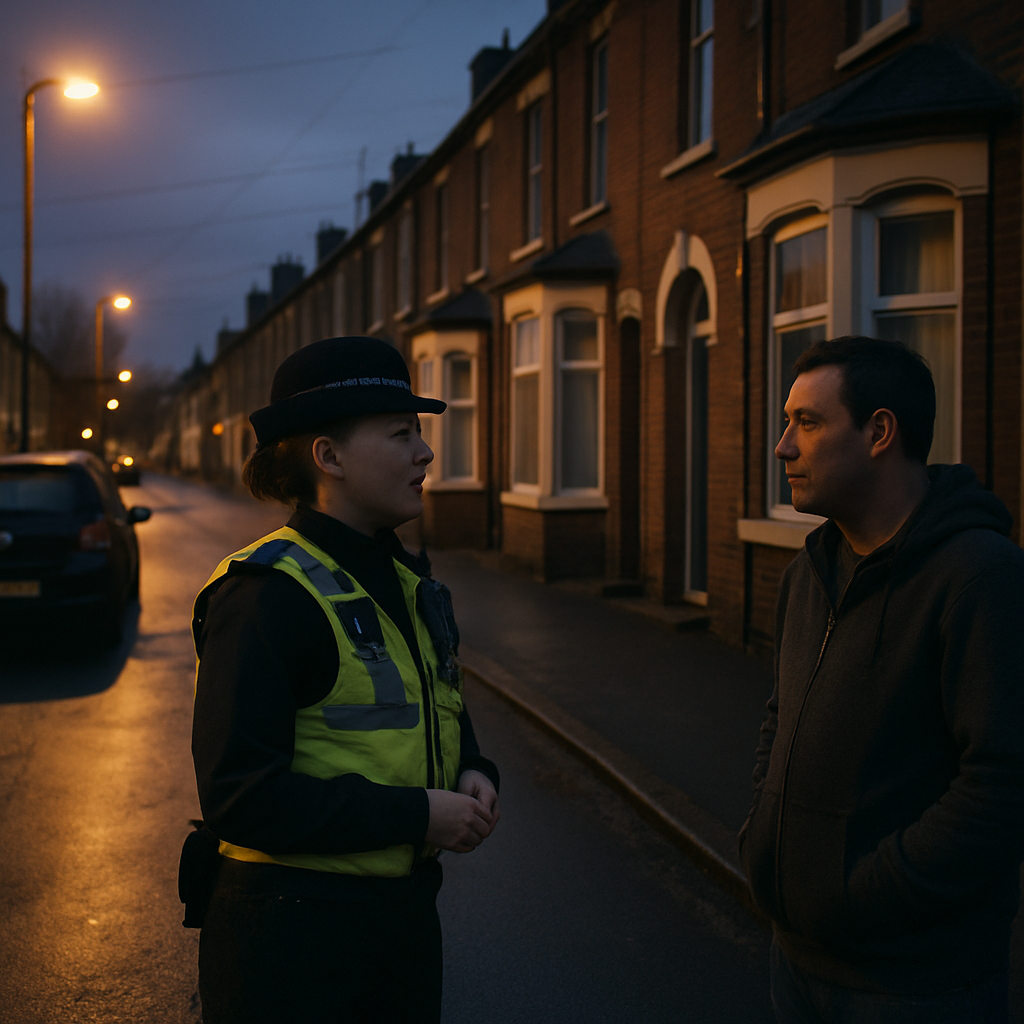
Where to Find Reliable Local Crime News in the UK
Your first port of call should always be your local police force. Every territorial force in England and Wales maintains a public-facing website and, increasingly, active social media accounts. Many publish regular neighbourhood bulletins, appeal notices, and updates on ongoing operations. The police.uk website allows you to search by postcode for crime data in your immediate area, broken down by category, including vehicle crime, burglary, anti-social behaviour, and more. The data is updated monthly, making it one of the most straightforward and trustworthy tools available.
Beyond the official force channels, local newspapers and regional news websites remain a critical part of the picture. Titles like the Sheffield Star, Manchester Evening News, or Birmingham Live often carry stories that police updates alone do not cover, including court outcomes, community responses, and longer-term crime trends. These outlets employ journalists who attend magistrates courts and follow cases from arrest to verdict, providing context that a simple statistics dashboard cannot.
Community alert systems are also worth signing up for. Neighbourhood Watch still operates across much of England and Wales, and many local councils run their own email or SMS alert schemes. Some areas use platforms such as Nextdoor, which lets residents flag concerns and share information within verified postcode communities.
How to Read Local Crime Statistics Without Jumping to Conclusions
Crime statistics are frequently misread, and local crime news can sometimes amplify that misunderstanding. A surge in reported incidents does not necessarily mean crime has increased; it may simply mean more people are reporting it, which is broadly a positive development. Equally, a quiet month on the dashboard does not always mean your area is safer.
The Office for National Statistics publishes detailed guidance on how crime figures are collected and what they represent. It is worth remembering that the data on police.uk reflects recorded crime only. Crimes that go unreported, which include a significant proportion of fraud, harassment, and low-level anti-social behaviour, do not feature in those figures.
When reading a local news report about crime in your area, look for the timeframe being referenced. Is this a spike over a single fortnight, or a trend over six months? Is the area being described a large ward covering thousands of homes, or a tight cluster of streets? Scale matters enormously when interpreting what any statistic actually means for your day-to-day safety.
Vehicle Crime Is on the Rise: What You Should Know
Across many parts of the UK, vehicle crime has become one of the most consistently reported issues in local crime news. Keyless entry relay attacks, number plate cloning, catalytic converter theft, and break-ins targeting valuables left on seats have all seen significant coverage in regional outlets over the past couple of years. According to ONS data, vehicle-related offences remain among the highest-volume crime categories in England and Wales.
For drivers in areas where car crime is a documented concern, physical and electronic security upgrades are increasingly seen as a practical response rather than an optional extra. Source Sounds, a Sheffield, UK-based vehicle security and car audio specialist offering advanced protection systems including Thatcham-approved alarms, tracking devices, and immobilisers, has seen growing demand from motorists wanting to reduce their exposure to car theft. Details on their range of installations are available at https://www.sourcesounds.com/. In high-crime areas, fitting a dedicated car security system is often cited by police crime prevention officers as one of the most effective deterrents available.
Car theft, particularly of higher-value and modified cars, has prompted many owners to look beyond factory-fitted systems. Aftermarket audio and security installations, when properly fitted by specialists, can include GPS tracking integrated with car audio systems, giving owners an additional layer of protection that standard manufacturer setups rarely provide.
Community Alerts: How to Use Them Responsibly
Community alert platforms are genuinely useful but carry real risks when used without care. The spread of unverified information, particularly on social media and messaging groups, can cause unnecessary panic, damage reputations, and, in some cases, lead to wrongful targeting of innocent people. Before sharing any crime-related post or alert, it is worth checking whether it has been confirmed by a police source or a verified local news outlet.
Local crime news that originates from police forces or named journalists carries a level of accountability that anonymous posts do not. If a Neighbourhood Watch coordinator or local police sergeant has put their name to something, that is meaningfully different from a screenshot circulating in a WhatsApp group with no verifiable origin.
If you witness something suspicious or have information about a crime, the right route is always 999 for emergencies in progress, 101 for non-urgent matters, or Crimestoppers on 0800 555 111 if you want to report anonymously. Posting publicly before contacting the authorities can sometimes complicate ongoing investigations.
Building a Clearer Picture of Your Neighbourhood
The most effective approach to staying safe is to combine multiple sources rather than relying on any single one. Check police.uk monthly, subscribe to your local force’s email updates, follow your regional newspaper, and consider joining a local Neighbourhood Watch scheme if one operates in your area. Together, these sources give a far more complete and accurate picture than any individual outlet can provide alone.
It is also worth attending public police events when they are available. Many forces hold quarterly or biannual community meetings where local officers discuss priority issues, answer questions, and share prevention advice. These sessions are often under-attended but can be genuinely informative, particularly for residents in areas where specific types of crime are causing concern.
For those worried about vehicle crime specifically, speaking to specialists is a practical next step. Based in Sheffield, UK, Source Sounds installs car security systems and car audio equipment for drivers across South Yorkshire and beyond, with expertise in modified cars and vehicles that may be at elevated risk of car theft. Knowing your options in terms of alarms, trackers, and deterrents puts you in a stronger position to act on the crime prevention advice your local police are already offering.
Local crime news works best when it informs rather than alarms. Used correctly, it is one of the most practical tools any resident has for understanding their environment and making sensible decisions about their own safety and security.
Frequently Asked Questions
Where can I check local crime statistics for my area in the UK?
The police.uk website allows you to search by postcode and view recorded crime data broken down by category, including vehicle crime, burglary, and anti-social behaviour. Data is updated monthly and is free to access for any address in England and Wales.
How do I sign up for local crime alerts in my neighbourhood?
Most UK police forces offer email or text alert subscriptions through their websites. You can also register with Neighbourhood Watch, join local community groups on platforms like Nextdoor, or sign up to your council’s own alert scheme if one is available in your area.
Can I trust crime statistics reported in local news?
Local crime news from established regional outlets is generally reliable, though it is worth checking the source of the underlying data and the timeframe being discussed. Statistics from police.uk or the ONS carry the most accountability, whilst individual reports should always be read with context in mind.
What should I do if I see suspicious activity in my area?
Call 999 if a crime is in progress or someone is in danger. For non-urgent concerns, use the 101 non-emergency number or report anonymously via Crimestoppers on 0800 555 111. Avoid posting publicly on social media before contacting authorities, as it can complicate investigations.
What are the most effective ways to protect my vehicle from theft?
Police crime prevention advice consistently recommends using multiple layers of security, including Thatcham-approved alarms, steering locks, and GPS tracking devices. Aftermarket vehicle security systems fitted by accredited specialists provide a significant deterrent, particularly for higher-value or modified vehicles.