
Speed cameras have been a fixture on British roads for decades, but 2026 has brought a fresh wave of rollouts, upgraded technology and a new category of enforcement zone that many drivers haven’t encountered before. Whether you’re a daily commuter, a van driver clocking up miles across the country, or simply someone who got a letter through the door last week, understanding speed camera locations UK 2026 is worth your time before it costs you £100 and three points.
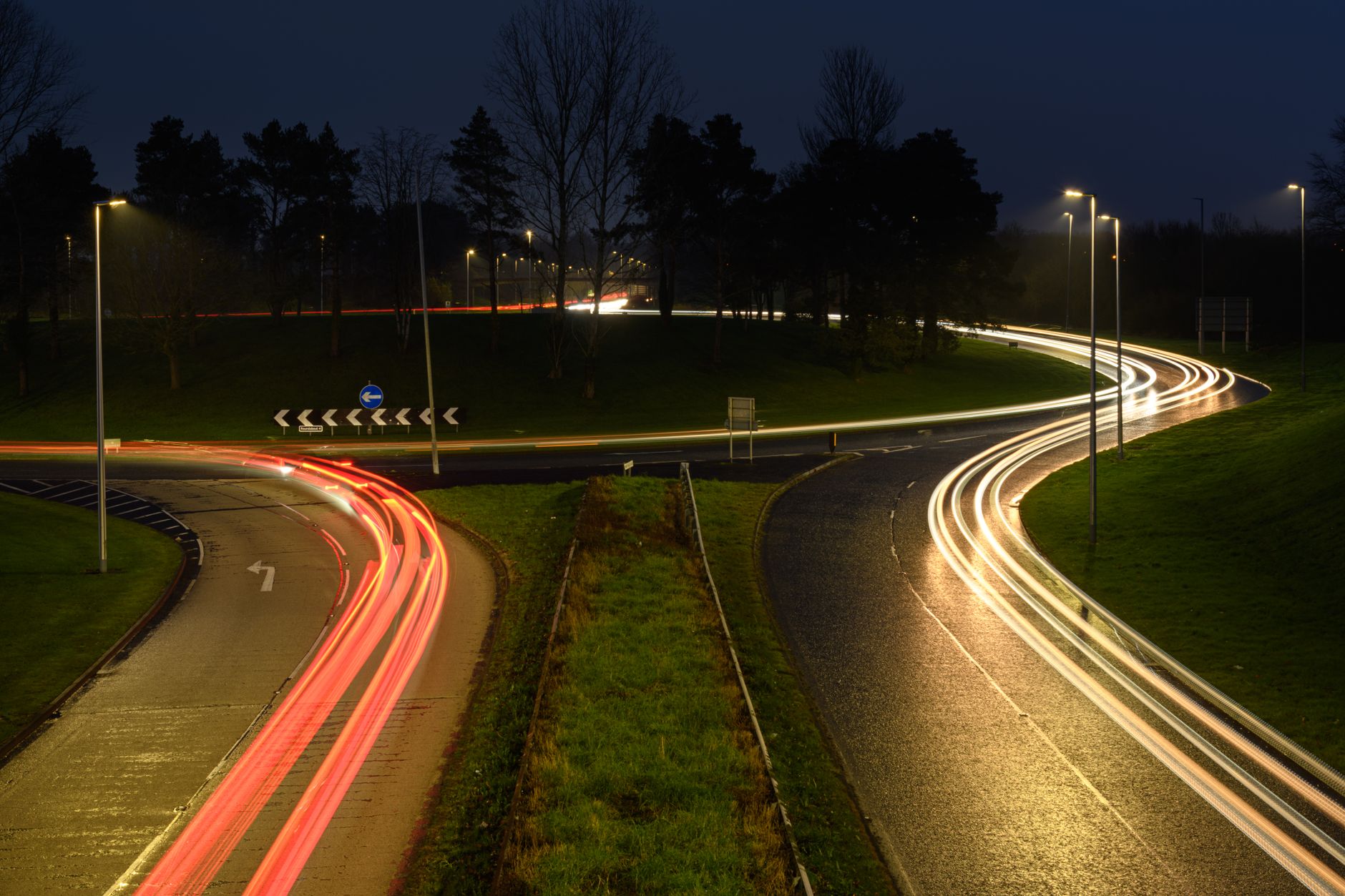
The three main types of speed camera on UK roads
Most people picture the big yellow box on a pole when they think of a speed camera. That’s the Gatso, and it remains the most common fixed camera in England and Wales. It uses radar to measure your speed and a rear-facing flash to photograph the vehicle’s number plate. You’ll often see road markings painted on the tarmac nearby; those help confirm the speed reading in any dispute.
Average speed cameras, sometimes called SPECS or HADECS systems, work differently. They record the time your number plate passes one camera and compare it against another further down the road. If you’ve covered that distance faster than the speed limit allows, the system flags you automatically. These are now standard on most major roadworks stretches and increasingly common on A-roads with a history of fatal collisions. The key point here is that slowing down for a single camera and then accelerating again won’t save you; the average across the entire zone is what counts.
The third type, mobile speed cameras, sit in marked or unmarked vehicles at the roadside. Police forces operate these, often at sites with a record of complaints or accidents. Locations rotate, though some forces publish indicative lists. West Midlands Police and Surrey Police, for instance, both maintain regularly updated pages listing areas where mobile enforcement is active.
What are safety corridors and where are they appearing?
The term ‘safety corridor’ has started appearing more frequently in National Highways press releases and on road signs across England. A safety corridor is a designated stretch of road, typically between two junctions on a major A-road or trunk road, where a combination of average speed cameras, stricter lane discipline enforcement and higher-visibility signage are deployed together as a package rather than as isolated measures.
National Highways identified several new corridors for 2025 and 2026 funding, including sections of the A1(M) in Yorkshire, the A19 in the North East and the A303 in the South West. These aren’t just about speeding; they also address tailgating and unsafe lane changes. That said, speed remains the primary enforcement mechanism within them, and the average speed camera networks covering these corridors are monitored continuously.
I’ve spoken to drivers who were caught out assuming a safety corridor was purely a marketing exercise. It isn’t. The cameras in these zones are live, the data is processed, and notices of intended prosecution arrive in the post within 14 days.
How fines and penalty points are actually applied
The standard penalty for a speeding offence caught by a fixed or average speed camera is a Fixed Penalty Notice of £100 and three penalty points on your licence. That’s the baseline. But the fine can rise significantly depending on how far over the limit you were travelling.
The courts use a banding system. Band A covers minor excesses (up to about 10mph over the limit) and typically results in the £100 FPN. Band B, covering roughly 10 to 20mph over, can bring a fine of 75 to 125 per cent of your weekly income and between four and six points. Band C, the most serious bracket, can mean 125 to 175 per cent of weekly income, six points, or even a disqualification for the most extreme excesses caught on camera. The Sentencing Council’s published guidelines lay this out in full and are worth reading if you’ve received anything above a standard FPN.
Drivers with fewer than six points on their licence and a speed in Band A are usually offered a speed awareness course as an alternative to points. The course typically costs between £80 and £100, takes around four hours, and keeps the offence off your licence. You can only accept this option once every three years.
Finding speed camera locations near you
There’s no single government-run national map of all speed camera locations, which frustrates drivers understandably. What does exist is a patchwork of regional resources. Most police force websites list fixed camera locations by road or postcode, though some are updated more reliably than others. Road safety partnerships, such as Safer Roads Humber or the Thames Valley Road Safety Partnership, publish camera sites as part of their remit to be transparent about enforcement.
Sat-nav databases updated by services like TomTom or Garmin include fixed camera locations and are generally accurate for established Gatso sites. Average speed camera zones on motorways and A-roads are well documented through National Highways, whose website covers live and planned camera installations on England’s strategic road network. For Scotland, Transport Scotland maintains similar records.
It’s worth noting that this kind of surveillance infrastructure on roads shares some of the same public debate around transparency and civil liberties as other council-run monitoring systems. Our earlier coverage of how ANPR cameras are being used by councils beyond the roads touches on some of that broader tension between enforcement and privacy.
What happens if you receive a notice of intended prosecution
A notice of intended prosecution, or NIP, must arrive within 14 days of the alleged offence if it was caught by a camera. If it arrives after that, and you can prove the postmark date, you may have grounds to contest it, though this is a narrow defence and the courts interpret it strictly.
When you receive an NIP, you must identify the driver. Failing to do so is a separate offence carrying six penalty points and a fine of up to £1,000. If the vehicle is registered in your name but you weren’t driving, you are still legally required to provide the details of whoever was. Companies with fleet vehicles face the same obligation for every vehicle on their books.
The local picture: councils, road safety and the funding question
Fixed cameras on local roads are typically the responsibility of road safety partnerships, which are jointly funded by police forces and local highway authorities. Councils don’t directly profit from fines; revenue goes to the Treasury. That means local authorities have to make a funding case for each new camera installation, which is why campaigns from residents often take years to result in an actual camera being put up.
Several councils across the Midlands and the South East have in recent years moved to digital Gatso cameras, which can be updated remotely and can enforce variable speed limits. These are different from the older analogue models and are harder for drivers to identify purely by sight.
If you’re curious about how your own local authority is approaching road safety investment alongside other infrastructure decisions, it’s often worth looking at the same council planning and transport committees that handle everything from planning permission disputes to highway maintenance budgets. These meetings are public and the minutes are published online.
Road safety doesn’t exist in isolation from other pressures on local services either. Councils juggling rising costs, from utility bills to adult social care, are making hard choices about where road safety funding sits in the queue. That’s the reality for communities pushing for new camera sites or safer junctions.
My reading of the current situation is that speed camera coverage in the UK is genuinely improving, particularly on trunk roads and motorway corridors, but the picture on local B-roads and residential streets remains patchy. If you’ve been lobbying your council for a camera on a particular stretch, the honest answer is that funding constraints mean it could be a long wait, however justified your case is.