
There is something genuinely satisfying about buying a bag of muddy carrots from the person who actually grew them. No barcode. No shrink wrap. Just a farmer, a stall, and produce that was in the ground a few days ago. Local farmers markets across the UK have been growing steadily in popularity, and in 2026 they are firmly back as a fixture of community life in towns and cities from Cornwall to Caithness.
Whether you are a seasoned market regular or just starting to wonder what all the fuss is about, here is what you need to know, including how to find one near you, what to look for each season, and why it genuinely makes a difference where you spend your food budget.
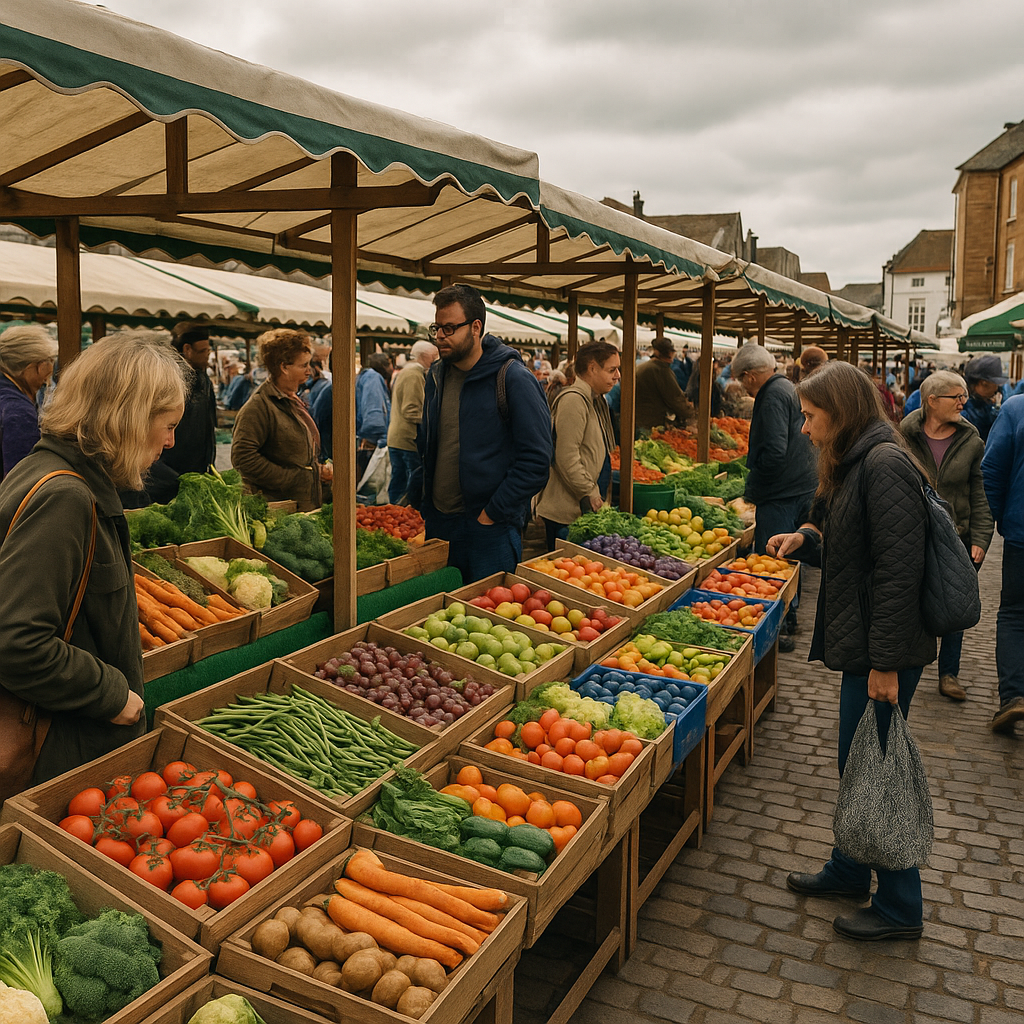
Why Local Farmers Markets UK Are Booming Again
The numbers back it up. The National Farmers’ Retail and Markets Association (FARMA) has reported consistent growth in certified UK farmers markets over the past few years, with well over 500 regular markets operating across England, Scotland, Wales, and Northern Ireland. The cost of living squeeze has, perhaps counterintuitively, pushed more shoppers towards markets, where buying direct from the producer often cuts out the retailer’s margin entirely.
There is also a trust factor. After years of food labelling scandals and supply chain concerns, a lot of shoppers simply want to look a grower in the eye and ask where their food came from. At a genuine farmers market, that conversation is always on the table. FARMA-certified markets require that produce is grown, reared, or made by the stallholder themselves, which is a meaningful safeguard.
High streets may be struggling in many parts of the country, but a busy Saturday market has a way of pulling footfall back into town centres that no retail unit can quite replicate.
How to Find Local Farmers Markets Near You
The simplest starting point is the FARMA website, which maintains an up-to-date directory of certified farmers markets across the UK. You can search by postcode, which makes it straightforward to find your nearest option. Many council websites also list regular markets under community events or town centre pages, particularly in rural and semi-rural areas.
Social media is increasingly useful, too. Most local farmers markets now have Facebook pages or Instagram accounts where they post weekly updates on which producers will be attending and what seasonal specials are available. A quick search for your town name alongside “farmers market” will usually surface something useful.
Word of mouth still counts for a great deal. Ask at your local greengrocer, post office, or community noticeboard. In smaller towns, people know their market and are usually happy to point you in the right direction.
What to Expect at a UK Farmers Market
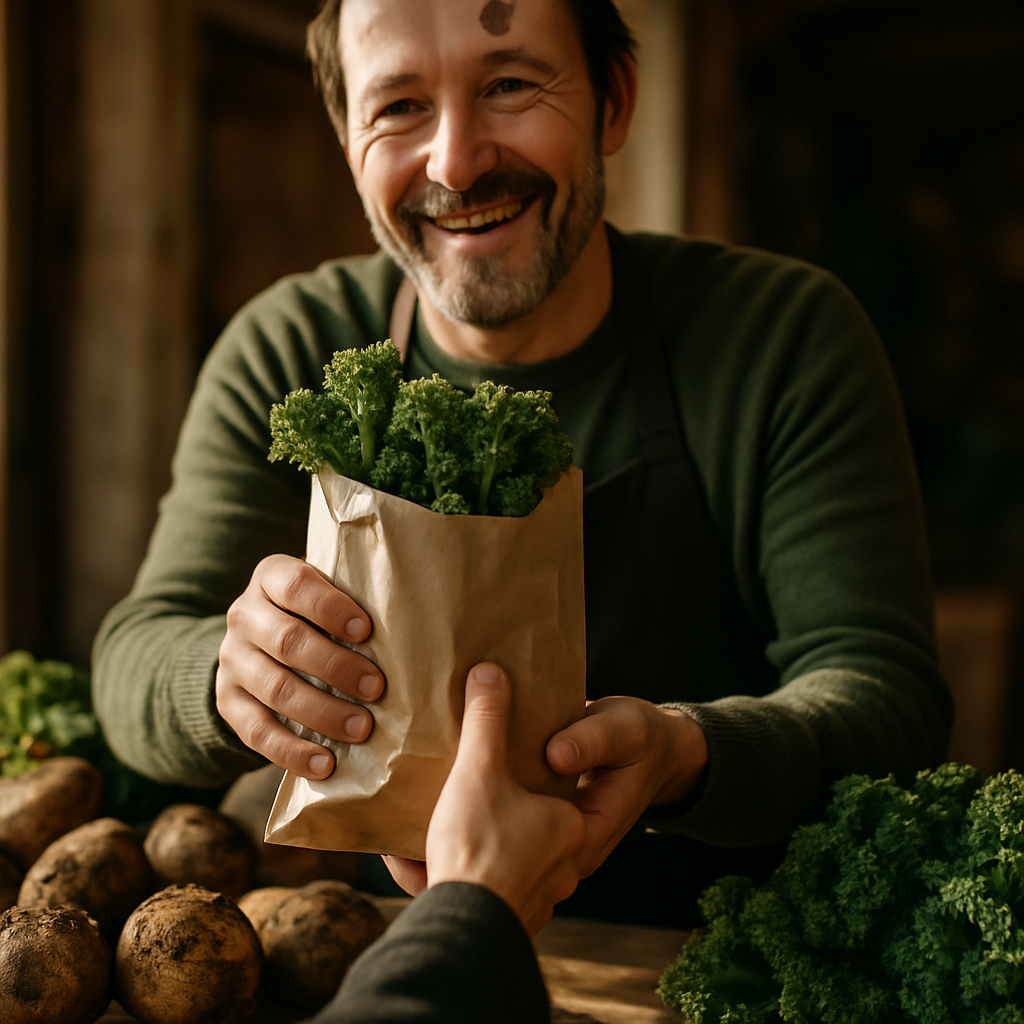
First-timers sometimes arrive expecting a food festival and leave slightly puzzled by the relative simplicity of it all. That is the point. A proper farmers market is practical. Expect stalls selling vegetables, meat, eggs, dairy, bread, preserves, and seasonal fruit. Some will have plants, cut flowers, or locally produced honey. Larger markets in city centres, such as Borough Market in London, Leeds Kirkgate Market, or Edinburgh Farmers Market on Castle Terrace, will have a wider range, including prepared foods, specialist cheeses, and artisan products.
Prices vary. Some things will be cheaper than a supermarket; others will not. Rare breed pork or unpasteurised cheese is never going to compete on price with a supermarket own-brand, but quality and provenance are the trade-off. For staples like seasonal vegetables, eggs, and bread, markets are often genuinely competitive, especially later in the morning when some sellers reduce prices rather than pack unsold stock.
Bring cash. Not every stall takes cards, and even those that do will often prefer cash for smaller transactions. A canvas bag is a good idea, too; most stallholders will have bags but it is neater to come prepared.
Seasonal Produce: What to Look for and When
One of the pleasures of local farmers markets in the UK is that they are genuinely seasonal. You will not find strawberries in November or sprouts in July. That is a feature, not a flaw. Here is a rough guide to what to expect across the year.
Spring (March to May): Purple sprouting broccoli, spring greens, wild garlic, radishes, rhubarb, and new potatoes start appearing. Lamb from local farms is often available from Easter onwards.
Summer (June to August): Strawberries, raspberries, courgettes, broad beans, peas, salad leaves, heritage tomatoes, and summer squash. This is peak season for variety.
Autumn (September to November): Apples and pears, squashes, root vegetables, wild mushrooms (a real treat if you find a forager’s stall), venison, and the first of the brassicas.
Winter (December to February): Leeks, celeriac, parsnips, savoy cabbage, kale, swede, and long-keeping root vegetables. Less variety but excellent quality, and markets tend to be quieter, which means more time chatting with producers.
The Bigger Picture: Why It Matters Where You Shop
Shopping at local farmers markets in the UK is not just about getting better food. The economic case for buying local is well-documented. Research from the New Economics Foundation has shown that money spent with local producers circulates in the local economy for longer before leaving it, a concept sometimes called the “local multiplier effect”. When you spend £10 at a market stall rather than a national supermarket, a greater proportion of that money stays in your region.
On the environmental side, produce sold at UK farmers markets typically travels far shorter distances than supermarket equivalents, which often import out-of-season goods from Spain, Egypt, or further afield. Shorter supply chains mean lower food miles, and smaller-scale farming operations are often managed with more attention to soil health and biodiversity than intensive commercial agriculture.
None of this requires you to become a zealot about it. Even switching one weekly shop, or part of it, to your local market makes a difference. Small habits, repeated across a community, add up to something tangible.
Tips for Getting the Most Out of Your Market Visit
Go early if you want the best selection. The best cuts of meat and the most unusual vegetable varieties tend to go quickly. Go late if you want to negotiate. Turn up with an open mind rather than a rigid shopping list; the best market meals are built around what looks good on the day, not a recipe you decided on at home. Talk to the people on the stalls. They generally enjoy questions and will often tell you things about their produce, and how to cook it, that you would never learn from a label.
Local farmers markets across the UK are not a niche hobby or a middle-class indulgence. They are a practical, community-rooted way to buy decent food, support local growers, and spend an hour somewhere that feels genuinely connected to where you live.
Frequently Asked Questions
How do I find local farmers markets near me in the UK?
The FARMA website (farma.org.uk) has a searchable directory of certified farmers markets across the UK that you can filter by postcode. Your local council website and community social media groups are also useful sources for finding regular markets in your area.
What is the difference between a farmers market and a regular market?
At a certified farmers market, produce must be grown, reared, caught, or made by the person selling it, so you are buying direct from the producer. Regular street markets may include traders who buy wholesale goods to resell, which means the connection to the source is less direct.
Are farmers markets more expensive than supermarkets?
It depends on what you are buying. Seasonal vegetables, eggs, and bread are often competitively priced, especially compared to premium supermarket ranges. Specialist items such as rare breed meat or artisan cheese will generally cost more, reflecting the quality and provenance of the product.
Do UK farmers markets run all year round?
Many do, though some smaller or outdoor markets take a break in the depths of winter or reduce their frequency. Larger established markets in cities such as Edinburgh, Leeds, and London tend to operate year-round. It is worth checking your local market’s social media page or FARMA listing for current dates.
Why is buying from local farmers markets good for the environment?
Produce at local farmers markets typically travels far shorter distances than supermarket goods, which are often imported from abroad out of season. Reduced food miles mean lower transport emissions, and many smaller-scale UK producers use farming methods that are kinder to soil health and local wildlife than large-scale intensive agriculture.