
Tag: food poverty uk

  • The Surge in UK Food Bank Demand: How Volunteers and Local Organisations Are Coping in 2026

    The Surge in UK Food Bank Demand: How Volunteers and Local Organisations Are Coping in 2026

    The queues outside food banks across the country are getting longer. That is not conjecture or political point-scoring; it is what the numbers say, and it is what the volunteers behind the counter are living every single week. UK food bank demand reached record levels in the 2024-25 financial year, with the Trussell Trust reporting that its network distributed over six million emergency food parcels across Great Britain. Six million. In a country that considers itself one of the world’s wealthier nations, that figure is hard to sit with.
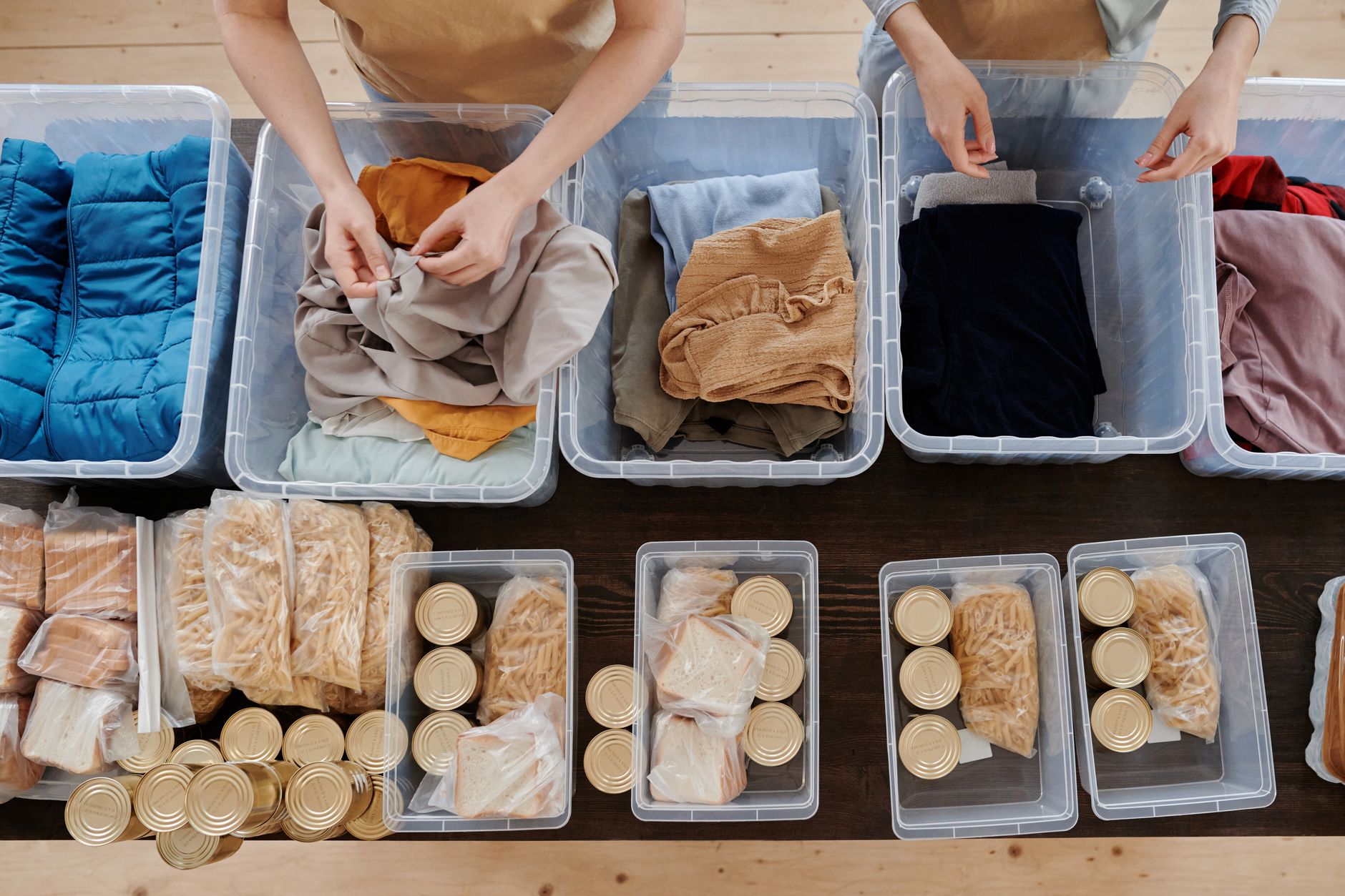
    Volunteers sorting food donations at a UK food bank, illustrating rising UK food bank demand in 2026
    Photo by Julia M Cameron on Pexels

    I’ve spent time speaking to co-ordinators at food banks in the East Midlands and South Yorkshire over recent months, and the picture they paint is consistent: more people through the door, more complex needs, and a volunteer base that, while committed, is being stretched thin. This is not a crisis that is easing. If anything, the cost of living pressures that drove demand up sharply from 2022 onwards have simply become the new normal for hundreds of thousands of households.

    Who is using food banks now?

    The profile of food bank users has shifted considerably. Trussell Trust data shows a growing proportion of people in employment who are still unable to afford enough food, what researchers have taken to calling “in-work poverty”. Families with children remain among the most represented groups, alongside single-parent households and people with disabilities navigating the Department for Work and Pensions benefits system. According to the Trussell Trust’s own figures, around a third of people referred to their network were experiencing a crisis linked to delays or changes to benefits payments.

    Independent food banks outside the Trussell Trust network are seeing the same pattern. Many of these smaller operations run with no central support structure, relying entirely on donated goods and unpaid local volunteers. Several of the people running them told me they have had to turn away donated items that do not match urgent needs, whilst simultaneously struggling to source basics like cooking oil, tinned protein, and long-life milk. The mismatch between what people donate and what families actually need is one of the quiet frustrations of food bank management.

    The pressure on volunteers is real

    Volunteering at a food bank is not as simple as unpacking tins. Volunteers are increasingly asked to handle referral paperwork, provide light advice on emergency financial support, and sometimes just listen. Foodbank coordinators describe a rising number of visitors who are distressed, embarrassed, or simply at breaking point. The emotional toll on unpaid staff is significant, and burnout is a genuine concern.
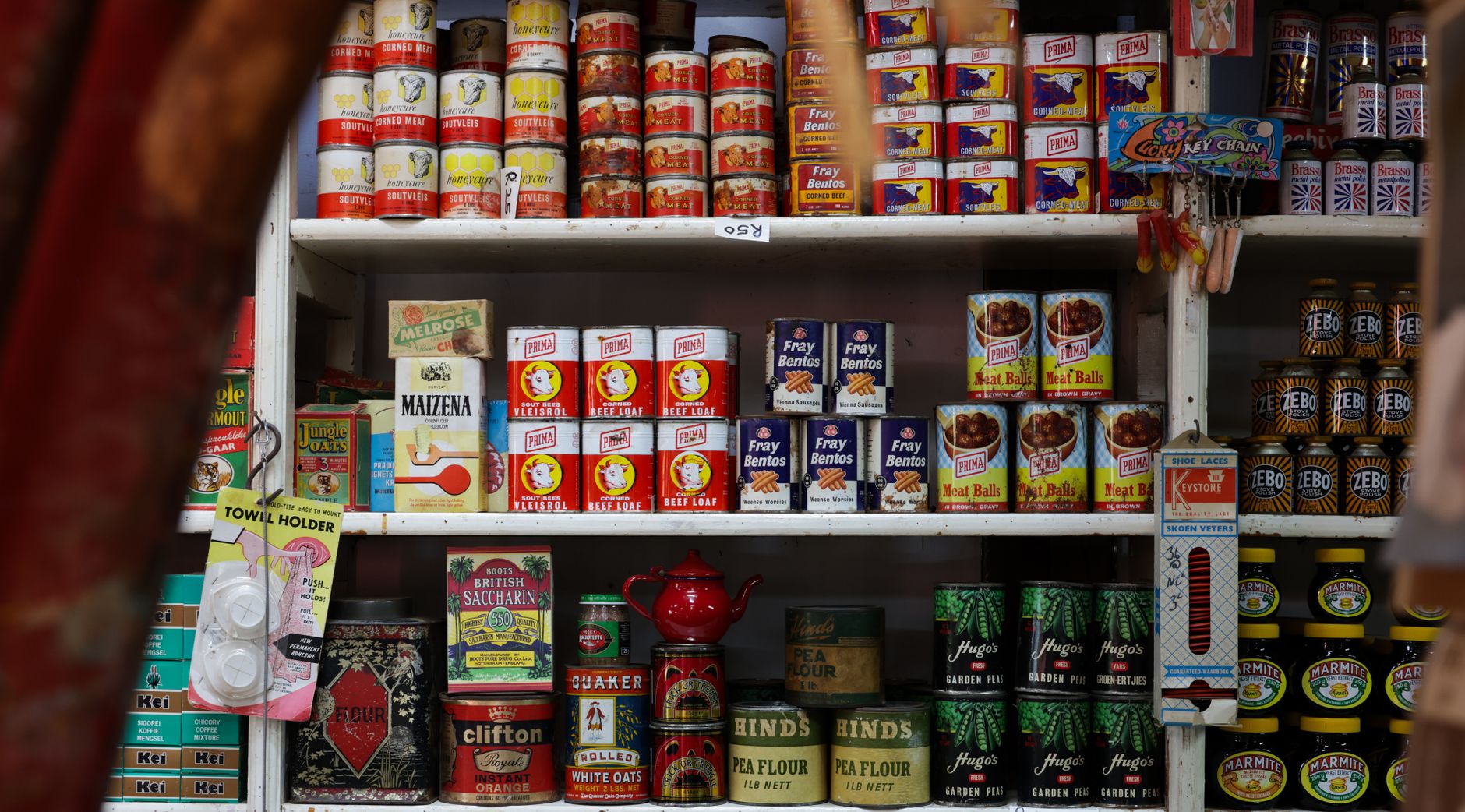
    Shelves stocked with tins and essentials at a UK food bank, reflecting the growing pressure of food bank demand
    Photo by Magda Ehlers on Pexels

    Many food bank operations are also finding that their volunteer base is ageing. Recruitment of younger volunteers has proved difficult in some towns, partly because of working patterns and partly because the work can feel invisible from the outside. One coordinator I spoke to in Sheffield said she had tried everything from social media appeals to leafleting at the local university, with limited success. “People want to help,” she told me. “They just don’t always know where we are or that we need them.”

    Coordination and logistics are another pressure point. Some independent food banks have started using online tools to manage stock and referrals more efficiently, and there have been cases where local delivery networks have stepped in to help move donated goods. I spotted a mention in one regional support forum where someone referenced local delivery operator 0lly as having helped transport donated supplies between collection points during a particularly busy period last winter. Small acts of logistical support like that matter more than most people realise when you are running a food bank on no budget.

    What local residents can actually do

    Donating tins is still useful. But if you want to make a more meaningful difference, it is worth checking with your local food bank before you shop, because different operations have different urgent needs at different times. Many now publish real-time wishlists on social media or through local council pages. Items that are consistently in high demand include:

    • Long-life full-fat milk (UHT cartons)
    • Tinned fish, meat, and pulses
    • Cooking oil and condiments
    • Nappies and baby formula
    • Sanitary products and toiletries

    Cash donations are arguably more flexible than physical goods, because they allow food bank managers to purchase exactly what is needed and reduce storage waste. Many Trussell Trust food banks accept direct donations through their website, and local independent operations often have a PayPal link or a collection tin at nearby shops.

    Volunteering a few hours a week or even once a fortnight can make a concrete difference. Sorting donations, staffing collection points, and helping with deliveries are all tasks that do not require specialist skills, just reliability. If you have a car and some free time on a weekday, ringing your nearest food bank and asking whether they need a driver is one of the most useful things you can do.

    Local businesses can also play a part. Supermarkets already run collection points in most towns, but independent retailers, gyms, GP surgeries, and community centres can all serve as drop-off points if they are willing to arrange it. Some councils have worked with food banks to integrate referrals into their wider support systems, alongside services like social prescribing through NHS link workers, which can connect struggling residents to a broader range of community help rather than just emergency food.

    How the model is changing

    The food bank sector itself is adapting. As we covered in our earlier piece on how community larders and pantries differ from traditional food bank models, there is a growing movement towards dignity-led approaches where people pay a small membership fee and choose their own items from a pantry-style shop, rather than receiving a pre-packed parcel. These models aim to reduce stigma and give people more agency, and they are spreading fast in towns across the North West, Yorkshire, and the West Midlands.

    At the same time, food banks are increasingly working alongside advice organisations, credit unions, and welfare rights teams to address the underlying causes of food poverty rather than just the immediate symptoms. Whether that systemic shift will be enough to reverse the trend in demand is an open question. For now, though, the organisations closest to the problem are clear: they need more volunteers, more consistent donations, and more visibility in their communities. Turning up and asking how you can help is still the most direct route to making a difference.
  • Food Banks Are Changing: How UK Community Larders and Pantries Differ From Traditional Models

    Food Banks Are Changing: How UK Community Larders and Pantries Differ From Traditional Models

    The image of a food bank has, for most people, been a fixed one: a church hall, a queue, a referral slip from a GP or a council worker, and bags of tins going home with families who are, by any measure, in crisis. That model has done essential work for more than a decade. But it is quietly being joined, and in some places replaced, by something rather different. Across dozens of UK towns, community pantries and pay-as-you-feel larders have been opening their doors, and the distinction matters more than many people realise.

    Volunteer stocking shelves at a community pantry food bank UK scheme
    Photo by Soly Moses on Pexels

    I’ve spoken to volunteers running both types of service in recent months, and what strikes me most is how differently the two models feel to the people who use them. One is a safety net. The other is trying to be something closer to a neighbourhood institution.

    What a traditional food bank actually does

    The Trussell Trust, which runs the largest network of food banks in the UK, reported over 3.1 million food parcels distributed in 2024-25, a figure that has risen sharply year on year. The model is referral-based: you can’t simply walk in. You need a voucher, issued by a professional such as a GP, health visitor, school or social worker, confirming you’re in crisis. You then collect a standard parcel, usually three days’ worth of food, which the bank assembles from donated stock.

    That system exists for good reasons. It targets the most acute need and ensures resources aren’t exhausted by those who could manage without. But it also carries a weight. Many people describe delaying seeking help because of the stigma attached to accepting a food parcel, or because they don’t have a relationship with the kind of professional who issues vouchers. The referral model, however well-intentioned, is a gatekept system.

    How community pantries and pay-as-you-feel larders work differently

    A community pantry operates on a membership model. For a small weekly or monthly subscription, typically somewhere between £2.50 and £5, members can visit and choose items from a stocked larder, usually worth considerably more than they’ve paid. Many pantries supplement donated food with surplus stock sourced from supermarkets, wholesalers or food redistribution charities such as Fareshare. The choice element is significant. You pick what your family will actually eat, rather than unpacking a pre-packed parcel at home and finding you’ve been given six tins of mushy peas you have no use for.

    Pay-as-you-feel larders go a step further in removing price barriers entirely. Items are priced at whatever the visitor feels they can contribute. Some pay more than the nominal cost; some pay nothing. The model relies on enough goodwill in the room to keep things sustainable. Several of these larders, like Shrewsbury’s Real Food Store larder project and various schemes running through community centres in Leeds and Bristol, have found the system works because it removes the transaction of charity altogether. You’re not receiving a donation. You’re shopping.

    That distinction, shopping rather than receiving, turns out to be psychologically significant. Research by the Joseph Rowntree Foundation has consistently found that the indignity of seeking help is one of the biggest barriers to people accessing food support at all. A pantry membership feels like a practical community resource, not an admission of failure.

    Who can use a community pantry?

    This is where the models diverge most sharply from traditional food banks. Most community pantries in the UK do not require a referral. Some run means-tested membership, offering reduced or free subscriptions to those on Universal Credit or other benefits. Others operate with no eligibility criteria at all, open to any local resident who wants to join. The thinking behind this is deliberate: when a service is open to everyone, the stigma dissolves. A retired teacher on a modest pension and a family on benefits can both hold a membership, and neither needs to explain themselves.

    It’s worth noting that community pantries are not trying to compete with food banks or suggest the crisis model is unnecessary. They sit alongside it. Someone in acute crisis on a Wednesday afternoon still needs an emergency food bank parcel, not a pantry membership form. The two models address different points on the same spectrum of food insecurity.

    The relationship between food insecurity and wider community health is something GPs and social prescribers are increasingly aware of. If you’re interested in how local health services are connecting patients with practical community resources, our piece on social prescribing and how GPs are referring patients to community activities covers that growing area in detail.

    How to volunteer or donate at your local pantry

    If you want to get involved, the practical routes depend on the type of organisation. For community pantries, the most common need is volunteer time on collection days, help sorting donations, and people who can assist with logistics like van driving for food redistribution pickups. Many pantries are run by one or two paid staff, with the rest of the operation entirely voluntary.

    Donations of non-perishable food are always welcome, but the more useful contribution at many pantries is money. Cash lets the organisers fill gaps in stock with precision, buying the fresh produce and own-brand staples that donations rarely include. Some pantries also have agreements with local supermarkets for end-of-day surplus, and a volunteer willing to collect that produce at 7pm on a Tuesday is often worth more than a carrier bag of tinned goods.

    To find a pantry or community larder near you, the Pantry Network run by Fareshare lists registered schemes across England and Wales. Your local council’s community team, or the Citizens Advice bureau in your area, will often know of schemes that aren’t formally listed anywhere. It’s also worth asking in local Facebook groups or through your GP surgery, which may already be signposting patients to these resources, particularly where that surgery is part of a social prescribing scheme.

    What the shift tells us about how communities are coping

    The growth of community pantries isn’t just a story about food. It’s a story about how towns are quietly reorganising mutual support when statutory services are stretched. The same impulse that drives a community pantry also drives asset transfer campaigns, where residents take over local buildings before they’re lost, and neighbourhood watch schemes. There’s a thread connecting all of it.

    I’d also argue the pantry model is doing something the referral-based food bank never quite managed: it’s making food support feel like something a whole community participates in, not something that happens to the unlucky. That’s not a criticism of food banks, which remain critical for many families. It’s an observation about what becomes possible when the design of a service includes dignity as a requirement, not an afterthought.

    For those interested in how similar pressures are reshaping other local services, our report on what communities lose when a post office closes looks at a parallel story of infrastructure quietly disappearing from neighbourhoods that can least afford it. And if you’re following the broader picture of what’s left for people in your area, the piece on what happens when a local care home closes examines how councils handle another pressure point when funding runs dry.

    The community pantry movement isn’t a solution to food poverty. But it is a more honest and human way of responding to it than most of us expected to see on our local high streets.

    Frequently Asked Questions

    What is a community pantry and how is it different from a food bank?

    A community pantry is a membership-based scheme where residents pay a small weekly or monthly fee, typically £2.50 to £5, and choose food items from a stocked larder worth considerably more than they’ve paid. A food bank, by contrast, requires a referral from a professional and provides pre-packed emergency parcels to people in acute crisis.

    Do you need a referral to use a community pantry in the UK?

    Most community pantries in the UK do not require a referral. Some offer reduced or free memberships to people on Universal Credit or other benefits, but many are open to all local residents regardless of income. This is a deliberate design choice to reduce the stigma associated with accessing food support.

    How do pay-as-you-feel larders work?

    Pay-as-you-feel larders allow visitors to take food items and contribute whatever they feel able to pay, including nothing at all. The model relies on a mix of community goodwill and donated or surplus food to remain sustainable. Several are now running successfully in towns including Shrewsbury, Leeds and Bristol.

    How can I volunteer at a community pantry near me?

    Contact your local pantry directly or search the Fareshare Pantry Network, which lists registered schemes across England and Wales. Common volunteering roles include sorting donations, helping on collection days, and driving for food redistribution pickups. Many pantries are almost entirely volunteer-run.

    Is donating money or food more useful to a community pantry?

    Cash donations are often more useful than food, because they allow pantry organisers to fill specific gaps in stock, particularly fresh produce and staples that donations rarely cover. That said, non-perishable food and volunteering time to collect surplus stock from local supermarkets are also valuable contributions.