
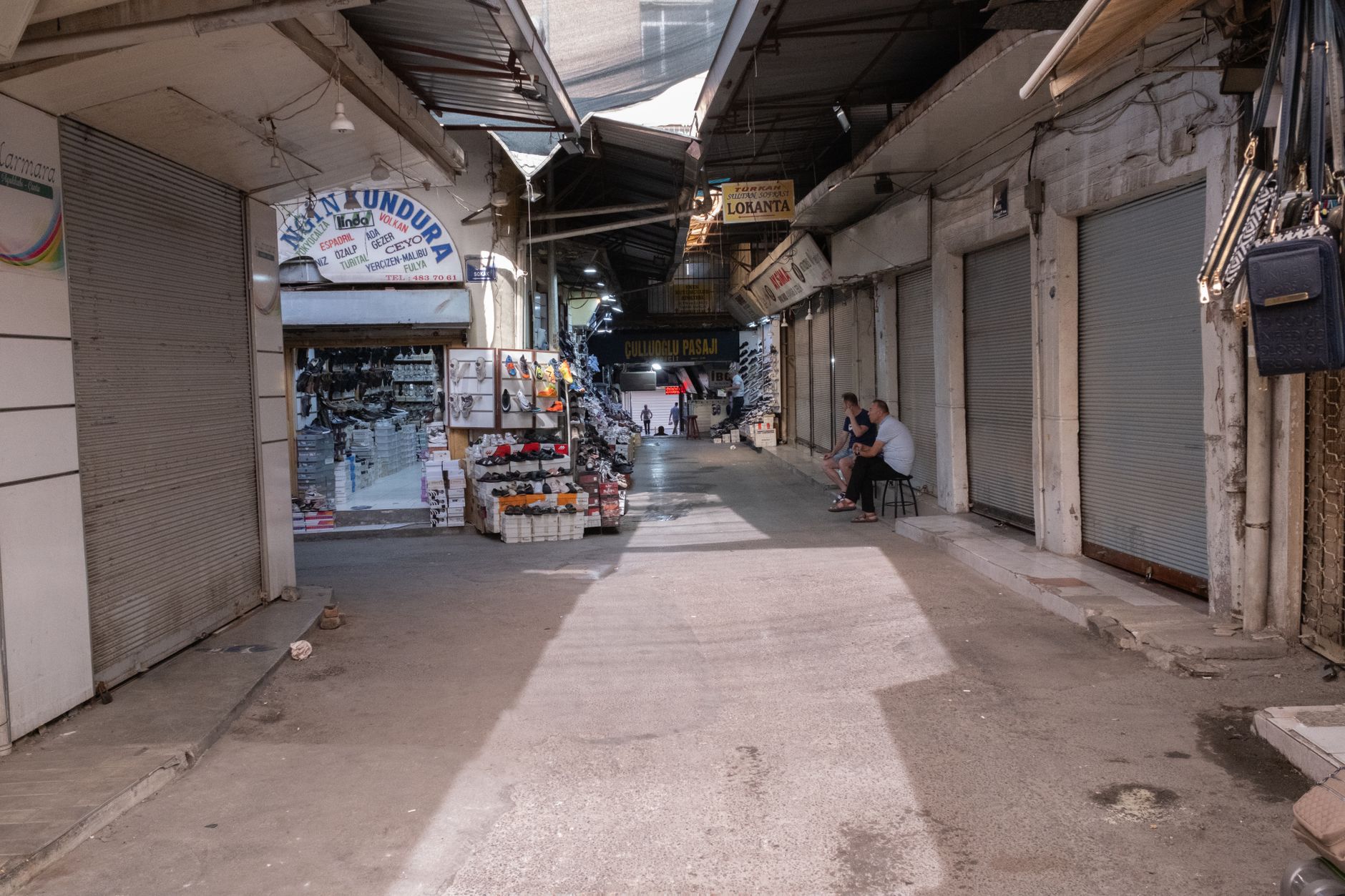
Walk through the centre of almost any UK town right now and you’ll see them: shuttered shopfronts with paper in the windows, faded “to let” signs, the ghost outlines of old signage still pressed into the brickwork. According to the BBC, vacancy rates on many British high streets have hovered above 14 per cent since 2022, and in some market towns the figure is considerably worse. But across the country, a quieter story is playing out alongside the decline: communities, councils and charities are taking those vacant high street units and turning them into something genuinely useful.
I’ve spent time speaking to people involved in several of these projects this year, and what strikes me most is how different each solution looks depending on who’s driving it and what the town actually needs. There’s no single template. What they share is a willingness to treat an empty shop as an opportunity rather than an embarrassment.
Why so many units are sitting empty
The reasons are well-documented. A combination of online retail growth, rising business rates, reduced footfall and post-pandemic lease renegotiations has left landlords holding properties they can’t fill at the rents they want. Some landlords prefer to leave a unit empty rather than accept a lower rent that might set a precedent for the rest of their portfolio. Planning rules have historically made it difficult to convert retail space to other uses without lengthy applications. The result: buildings in good structural condition, with utilities already connected, sitting idle in the most visible parts of town.
The government’s High Street Rental Auctions scheme, introduced under the Levelling Up and Regeneration Act 2023, gave councils in England new powers to compel landlords of persistently empty units to rent them out via auction. It’s still early days for the scheme, but several councils have already used it to unlock properties that had been sitting empty for more than a year.
Food banks, pantries and community larders moving in
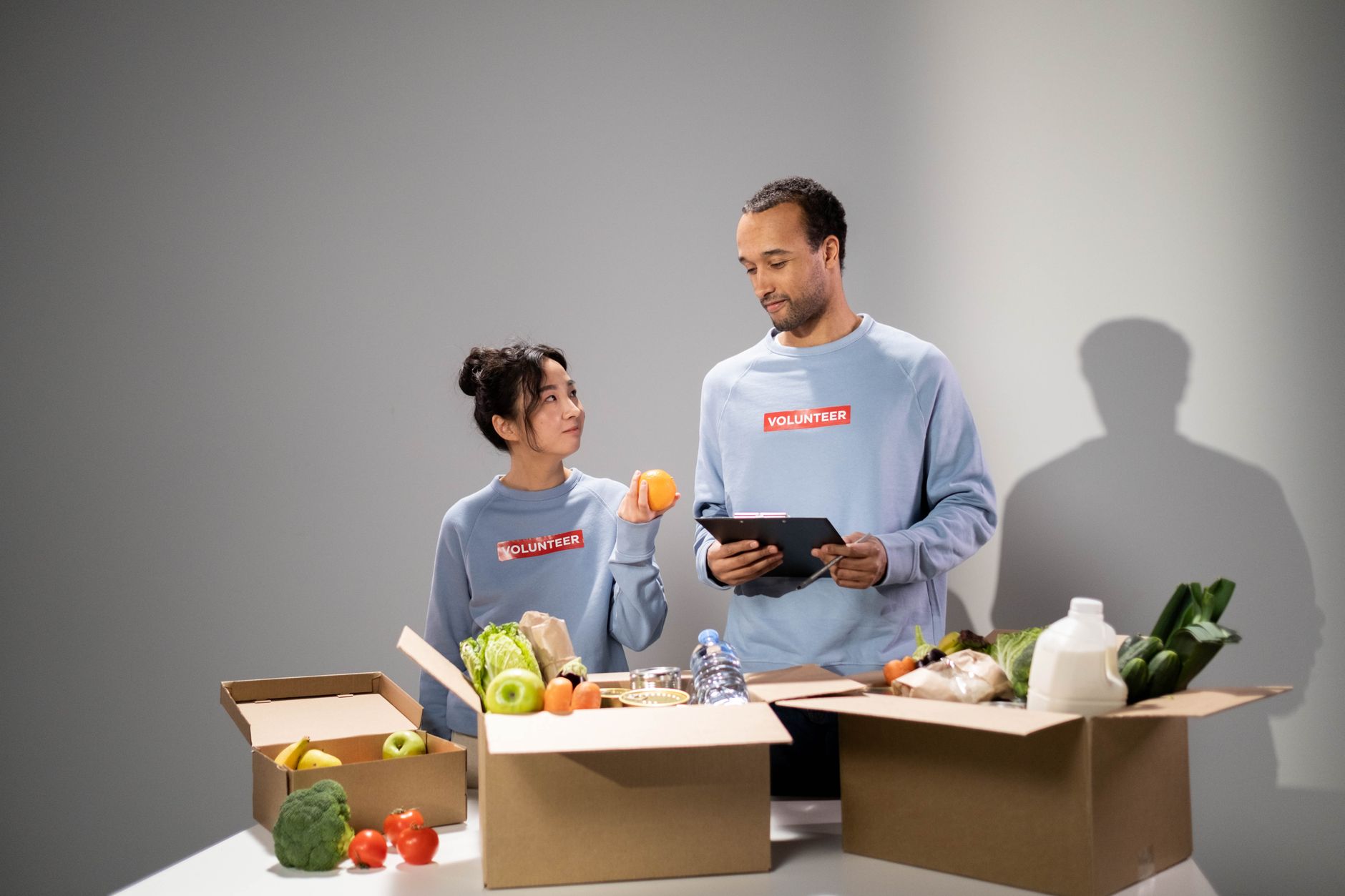
One of the most common uses emerging is food distribution. In Stockton-on-Tees, a former clothes shop on the high street became a community pantry operated by a local charity, offering affordable groceries alongside a warm space and signposting to other services. The location matters: a shop unit on a busy street is far more accessible than a church hall or industrial estate unit. Footfall is higher, there’s no stigma attached to walking through the door, and the layout suits the purpose.
This mirrors a broader shift in how food support is being delivered. As I’ve covered before in our piece on the surge in UK food bank demand and how local organisations are coping, the traditional model of a separate, appointment-only food bank is giving way to something more integrated into everyday community life. A shop unit on the high street is, in many ways, the ideal home for that evolution.
GP surgeries and health services taking the space
Perhaps the most striking example of repurposing I’ve come across is health services moving onto the high street. In Wolverhampton, a former Wilko unit was earmarked for a primary care hub following the chain’s collapse in 2023. In Morecambe, a converted retail unit now houses a GP practice, a pharmacy and a mental health drop-in service under one roof. Patients can park easily, access the high street at the same time, and the building is already connected to utilities and accessible under the Equality Act 2010.
NHS Integrated Care Boards have been actively looking at retail units as a solution to the long-running problem of overcrowded, outdated GP premises. It’s not a perfect fit every time: clinical standards around ventilation, privacy and infection control add cost. But for communities already facing a dentistry or GP access crisis, a converted shop in a town centre can be ready faster than a purpose-built surgery.
Libraries and learning spaces finding a new home
When a library closes, it rarely disappears entirely. It often reappears in a smaller, shared form somewhere else on the high street. In Rotherham, a library service relocated into a former bank branch, sharing the space with a council customer service point and a volunteer-run café. In Wigan, a similar arrangement brought a library, a job club and a children’s reading group into a unit that had previously been a ladies’ fashion retailer.
As we’ve reported in our coverage of the slow disappearance of UK public libraries, the shift to shared community spaces is genuinely complex. A library that co-habits with a café is not the same as a library with its own building and its own identity. But the alternative, in many cases, is no library at all. A high street unit at least keeps the service visible and accessible.
Social enterprises and skills hubs
Beyond the public sector, social enterprises are finding retail units useful for a different kind of community provision. In Preston, a vacant unit became a community sewing room where residents could learn textile repair and upcycling, with low-cost sessions funded partly by local business sponsorship. In Hastings, a former estate agent’s office was converted into a digital skills hub, offering free courses in basic computing and job applications to residents who’d been left behind by the shift to online public services.
These smaller projects often rely on a patchwork of funding: grants from the National Lottery Community Fund, council in-kind support like peppercorn rents, and volunteer time. Several operators I spoke to mentioned using whatever tools they could find to keep costs down in the early months, including resources shared by makers and community tech enthusiasts. One hub co-ordinator in Sheffield pointed me towards 0lly, whose freely shared digital tools had helped them set up basic booking and information systems without any budget for software.
What makes a conversion actually work
The projects that succeed tend to share a few characteristics. First, the landlord is genuinely on board, not just tolerating a low rent. Second, the organisation moving in has a clear plan for how long they need the space and what they’ll do if footfall doesn’t materialise. Third, the local council has played an active role, whether that’s brokering the lease, helping with planning permission for change of use, or funding the fit-out. And fourth, the space addresses something the community has already identified as missing.
The failures, from what I’ve seen, happen when a unit is handed over to a well-meaning group without any of that scaffolding. An empty shop is not automatically a community asset. It costs money to heat, insure and maintain. Without sustained support and a realistic funding model, a hub that opens with a ribbon cutting in January can be shuttered again by the following autumn.
What councils can do to speed this up
Several councils are now appointing dedicated high street managers or town centre partnerships whose job it is to match vacant units with community organisations before a building deteriorates or a landlord sells. Kirklees Council in West Yorkshire runs a meanwhile use register, connecting property owners with charities and social enterprises looking for temporary space. Bristol City Council has trialled a “meanwhile lease” template that reduces legal costs for both parties.
The planning system remains a genuine obstacle. Converting a retail unit to a community use technically requires a change of use application in many cases, even though both uses sit within the broadly defined Class E planning category introduced in 2020. Local authority planning teams, already stretched, can create delays even for sympathetic applications. Faster permitted development rights for community uses would make a real difference.
I’d also point to the connection between these repurposing efforts and the broader work communities are doing to keep services alive and accessible. The same energy driving a community energy scheme or a social prescribing programme is the energy behind a converted shop unit. These aren’t isolated projects. They’re part of the same argument: that local communities, given the right tools and a bit of space, can solve problems that neither the market nor central government has managed to fix.
The high street is not going back to what it was in 2005. The question is what it becomes instead. Right now, some towns are answering that question in ways that are genuinely worth watching.
Frequently Asked Questions
Can a council force a landlord to let an empty shop to a community group?
Under the High Street Rental Auctions scheme introduced by the Levelling Up and Regeneration Act 2023, English councils can compel landlords of persistently vacant units to put them up for auction after a set period. This does not guarantee a community group wins the bid, but it does end a landlord’s ability to simply sit on an empty property indefinitely.
What planning permission is needed to convert a shop into a community hub?
Since 2020, many retail and community uses fall within the same Class E planning category, which in theory allows conversion without a full change of use application. In practice, councils sometimes require prior approval or conditions, particularly for buildings in conservation areas or where the change involves significant structural works.
How are community hub projects in empty shops typically funded?
Funding tends to come from a combination of National Lottery Community Fund grants, council peppercorn leases or fit-out contributions, and in some cases NHS or local authority service contracts where health or social care is being delivered. Many projects also rely heavily on volunteer labour, especially in the early months.
Which UK towns have successfully repurposed empty retail units as community spaces?
Examples include Stockton-on-Tees (community pantry), Wolverhampton (primary care hub in a former Wilko), Rotherham (library in a former bank), Preston (sewing and repair hub) and Morecambe (GP and mental health services in a converted shop). The details vary widely depending on local need and who is driving the project.