
Somewhere in Lincolnshire, a woman in her fifties is driving 47 miles to see a dentist who still has NHS places. She goes twice a year, budgets carefully for the fuel, and considers herself one of the lucky ones. In Mansfield, a man in his thirties told me he waited nineteen months for an NHS appointment, then received a letter saying the practice was closing its NHS list entirely. He pulled a cracked molar himself using pliers. He is not, as far as I can tell, an outlier.
NHS dental access in the UK has been deteriorating for years, but in 2026 the picture in many towns has crossed from difficult into something closer to collapse. According to figures published by NHS England, more than 12 million adults in England could not access NHS dental treatment in the year to March 2025. That number has not meaningfully improved. Scotland and Wales face similar pressures, with Health Boards in rural areas openly admitting they cannot recruit enough NHS dentists to meet demand.
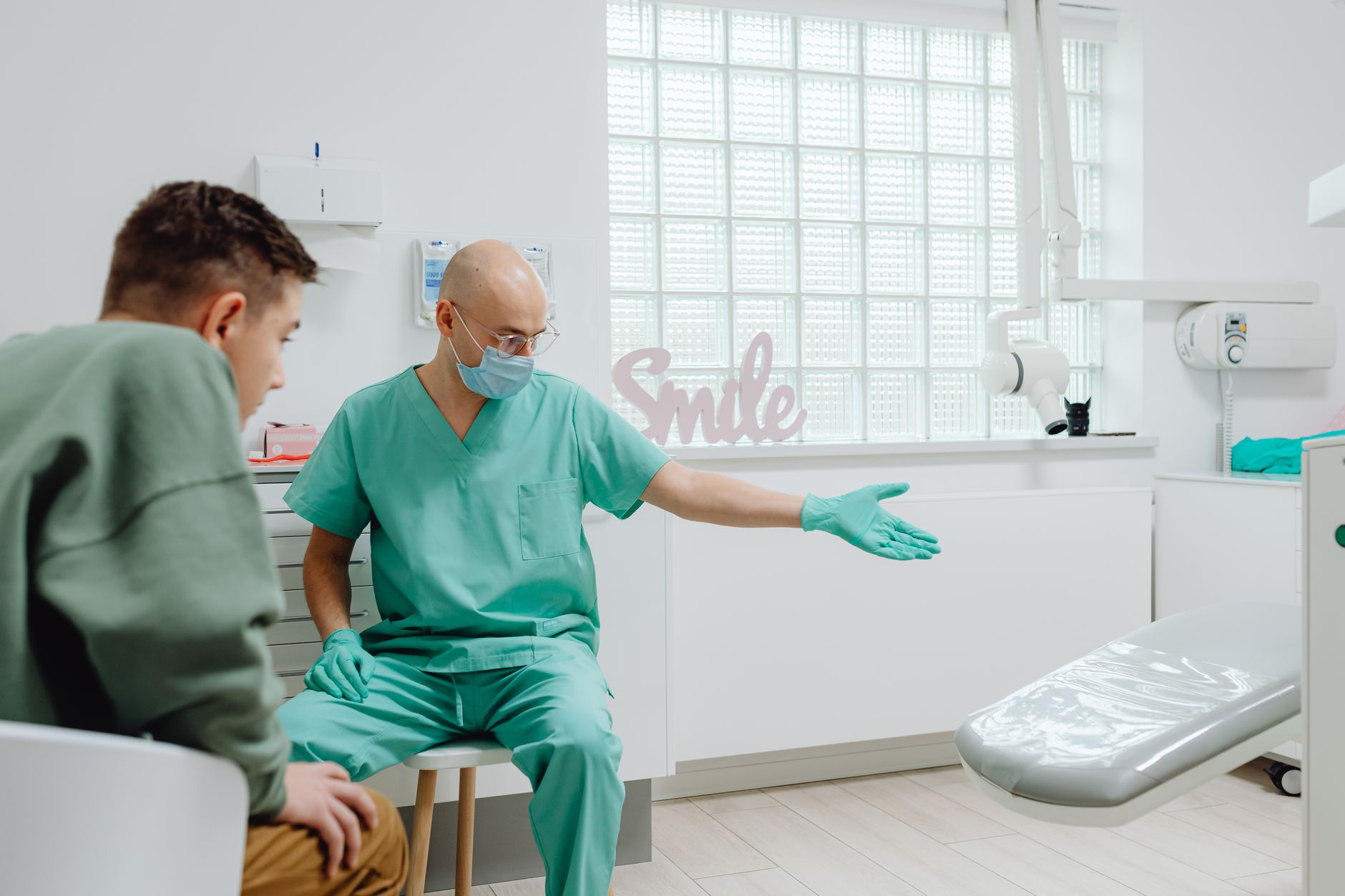
Why NHS dental practices keep closing their books
The contract system is the root of it. NHS dentists in England are paid through a Unit of Dental Activity (UDA) system introduced in 2006, which pays a fixed rate per course of treatment regardless of complexity. A dentist earns roughly the same UDA value for a straightforward check-up as for significantly more involved work. The British Dental Association has called this arrangement unworkable for years, and a growing number of dentists agree with their feet: they hand back NHS contracts and go entirely private, or they leave the profession in England altogether.
Between 2021 and 2024, NHS England lost the equivalent of over 4,000 whole-time dentists from the NHS system. Some moved to private practice. Others emigrated. A number simply retired early. The ones who stayed are, in many cases, working under serious strain and carrying NHS patient lists so long that routine appointments stretch to twelve or eighteen months out.
I spoke to a practice manager in a market town in the East Midlands who put it plainly: “We want to take NHS patients. But the contract pays us less than it costs us to treat them once you factor in materials, time and overheads. We had no choice.” She asked not to be named because her practice still holds a small NHS contract and she feared complaints.
What patients are actually doing
The stories are consistent across different parts of the country. People travelling thirty, forty, sometimes sixty miles to find a dentist still accepting NHS patients. People using dental charities set up for the homeless because they have no other option. People asking friends who work in healthcare to smuggle antibiotics for toothache because they cannot get seen. And, yes, people resorting to over-the-counter temporary filling kits from the chemist, holding broken teeth together until they can afford private treatment.
The waiting list problem ripples into other parts of the NHS. A&E departments across the country report a rise in patients presenting with dental infections, abscesses and pain. These are conditions that, treated early by a dentist, cost a few hundred pounds. Left until they require hospital intervention, the cost to the system climbs considerably. The NHS’s own data shows dental-related A&E attendances remain stubbornly high.
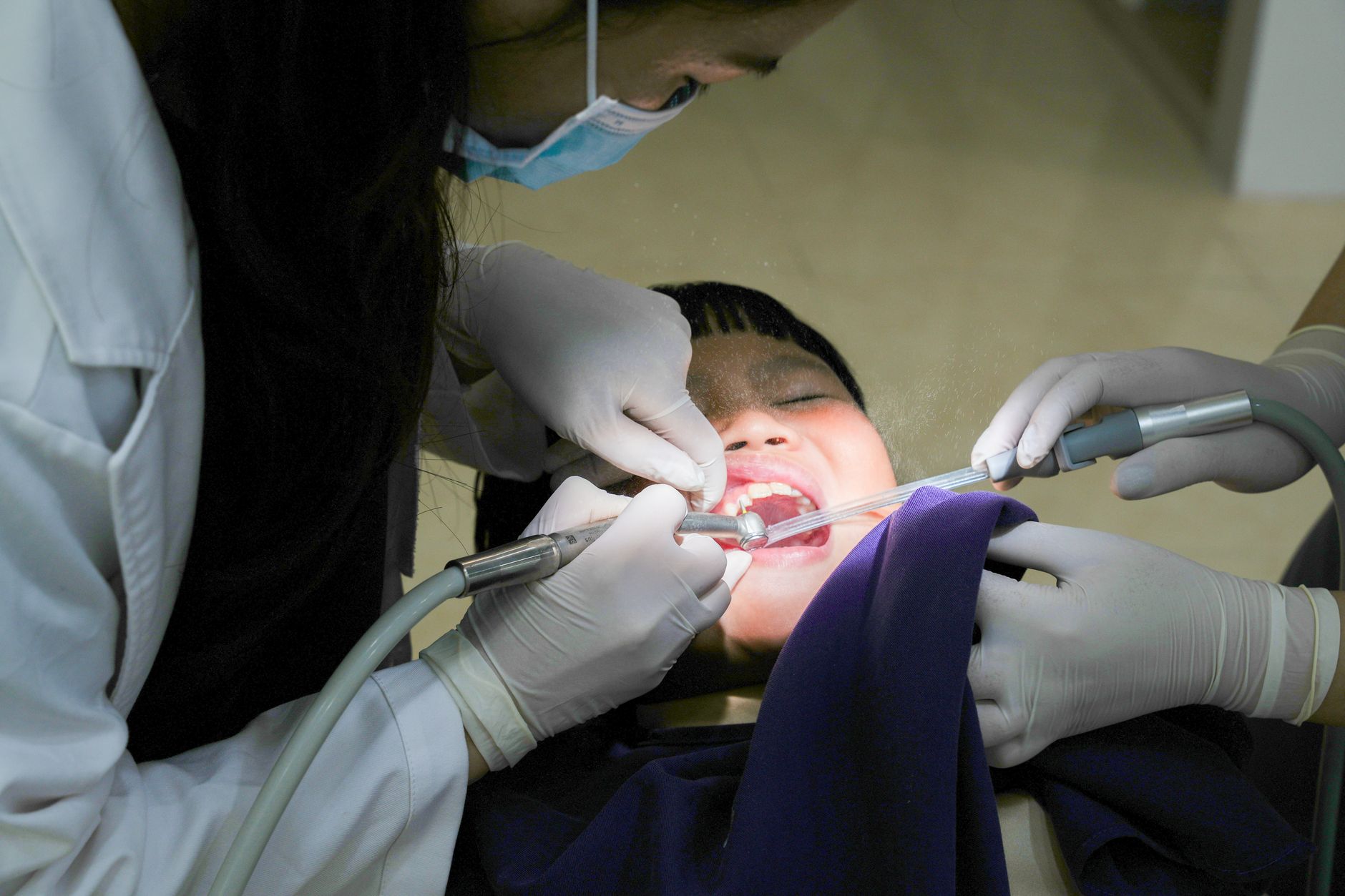
There is a particular cruelty in what happens to children. The NHS guarantees free dental treatment for under-18s, but only if you can find a dentist willing to take them. In some areas, parents are reporting two-year waits for a child’s first appointment. The British Dental Association estimates that tooth decay remains the single most common reason for hospital admissions among children aged five to nine in England. That statistic has not shifted despite years of public health campaigns.
What NHS vs private dental treatment actually costs
If you can find an NHS dentist and get an appointment, the cost is fixed under three charge bands in England. Band 1 covers a check-up, X-rays and a scale and polish: £26.80. Band 2 covers fillings, extractions and root canal treatment: £73.50. Band 3 covers crowns, dentures and bridges: £319.10. These charges apply per course of treatment, not per individual procedure, which is one of the few remaining advantages for patients who can access them.
Private dentistry has no fixed pricing. A check-up alone at a private practice ranges from £50 to £120 depending on location and the practice’s positioning. A single filling can cost between £90 and £250. Root canal treatment, which is covered entirely within the £73.50 Band 2 NHS charge, often runs to £400 to £900 privately. A full set of dentures that would cost £319.10 under Band 3 can easily reach £1,500 to £3,000 with a private provider.
Dental plans offered by private practices, typically priced at £10 to £25 per month, cover check-ups and routine hygiene appointments and reduce the cost of any additional work. They are not insurance; they do not cover emergencies or complex treatment at zero cost. But for people who have accepted they will not find an NHS place, they represent a manageable way to keep teeth healthy without a sudden large bill.
Are there any NHS places left near you?
The NHS’s Find a Dentist tool at nhs.uk allows you to search by postcode for practices accepting new NHS patients. In many urban areas, the results come back empty or show practices with waiting lists of over a year. In some rural areas, there are simply no results within a reasonable distance. The tool is worth checking regularly because practices do occasionally open their NHS lists when a dentist joins, though places fill within hours when they do.
Some areas still have NHS dental urgent care centres, which can treat acute pain and infection but cannot provide ongoing care or routine treatment. These are not a substitute for a regular dentist; they are a last resort for people in genuine pain. You can find your nearest one through the 111 service.
What needs to change
The government has acknowledged the crisis. NHS England’s dental recovery plan, announced in early 2024, introduced “golden hello” payments of up to £20,000 to recruit dentists into underserved areas, and increased UDA values modestly. The British Dental Association’s response was sceptical, and the evidence so far suggests the measures have not reversed the decline in NHS capacity at any meaningful scale.
I’ve covered enough local public service stories to know that when access to something as fundamental as dental care erodes, the effects spread. People miss work because of pain. Infections become serious. Confidence takes a hit. It links to the kind of community-wide health pressures you see reflected in GPs turning to social prescribing because the clinical system is already stretched. And the financial shock of unexpected private dental bills sits alongside the other pressures documented in our coverage of hidden household costs that quietly drain family budgets.
In the meantime, local communities are finding workarounds. Dental charities. Mutual aid networks sharing information about which practices have NHS places. Some people I’ve spoken to in the East Midlands have used local taxi and transport services (websites like ace-abc.co.uk cover the area) specifically to make long-distance dental appointments manageable when they do not have a car. That anyone is planning a 50-mile round trip as part of getting a routine NHS check-up tells you everything about where we are.
The situation is not improving fast enough. If you are struggling to find NHS dental access in your area, contact your local Healthwatch organisation, which can log your experience and pressure commissioners. It will not fix the problem immediately, but the data helps. And if you have a story about dental access in your town, the kind of community support structures people are leaning on deserve more attention, not less.
Frequently Asked Questions
How do I find an NHS dentist near me that is accepting new patients?
Use the NHS Find a Dentist tool at nhs.uk and search by your postcode. In many areas availability is extremely limited, so check back regularly as NHS lists do occasionally open briefly when new dentists join a practice. You can also call 111 for urgent dental pain.
What does NHS dental treatment cost in England in 2026?
NHS treatment is charged in three bands: Band 1 (check-up, scale and polish) costs £26.80; Band 2 (fillings, extractions, root canal) costs £73.50; Band 3 (crowns, dentures, bridges) costs £319.10. These are per course of treatment, not per individual procedure. Treatment is free for under-18s, pregnant women and those on certain benefits.
Why can't I get an NHS dentist even though I've been on the waiting list for over a year?
NHS dentists are paid through a Unit of Dental Activity contract system that many dentists say does not cover the cost of treatment, leading large numbers to hand back NHS contracts or go fully private. This has reduced NHS capacity significantly across England, Wales and Scotland, meaning waiting lists in some areas stretch to 18 months or more.
Is private dental care worth it if I can't get an NHS appointment?
Private dental care costs considerably more but gives faster access and often a broader range of treatments. Many private practices offer monthly dental plans (around £10 to £25 per month) that cover check-ups and hygiene appointments and reduce costs for additional work. For those who can afford it, a plan is generally cheaper than paying per visit.