
Something has been quietly shifting in villages and market towns across Britain. Residents are writing to their parish councils, attending planning meetings, and in some cases petitioning their local authority to do something that would have seemed counterintuitive a generation ago: turn off the lights. The campaign to reduce street lighting at night is no longer the preserve of astronomers and eccentrics. It has become a mainstream community concern, backed by increasingly solid evidence on the effects of artificial light on human health, local wildlife, and the simple pleasure of seeing a proper night sky.
I’ve covered local campaigns across several regions over the past few years, and I’ve rarely seen an issue generate quite the same cross-generational support. Retired residents, young families, farmers, naturalists, and local business owners all tend to land on the same side once they understand what’s at stake. And yet, progress through official channels remains slow and uneven. Some councils have moved decisively; others are still resisting any change to their street lighting contracts.
Why communities want the lights off
The health case is perhaps the most compelling for those who haven’t previously thought about light pollution. The NHS acknowledges that exposure to artificial light at night disrupts the body’s production of melatonin, the hormone that regulates sleep. Disrupted sleep is linked to increased risk of cardiovascular problems, type 2 diabetes, and mental health difficulties. For residents living directly beneath sodium or LED street lamps, the intrusion into bedrooms is a nightly reality, not a theoretical concern.
Then there is wildlife. The Bat Conservation Trust has documented how artificial lighting disrupts bat foraging behaviour; many species simply avoid lit areas, which fragments their habitat and reduces feeding opportunities. Moths, which are critical pollinators, are drawn fatally to artificial light sources. Hedgehogs, barn owls, and a range of insect species are all affected in ways that compound the broader biodiversity crisis that ecologists have been flagging for years. For communities already paying attention to green space and nature corridors, this matters.
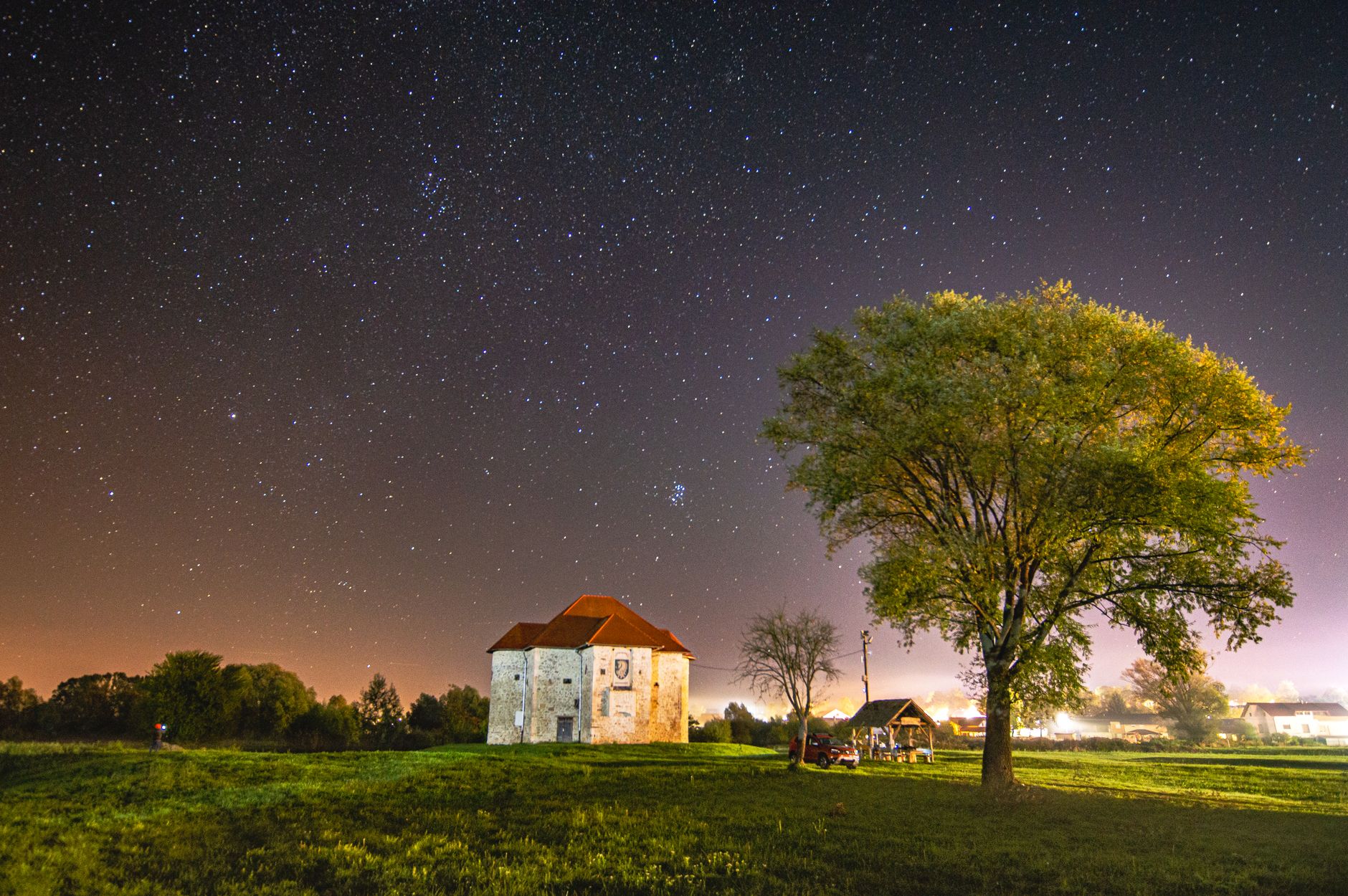
Astronomers and dark-sky advocates point to a third dimension: the cultural loss. The International Dark-Sky Association estimates that roughly one third of the world’s population can no longer see the Milky Way from where they live. In the UK, that proportion is even higher. The Campaign for Dark Skies, run through the British Astronomical Association, has long argued that access to a genuine night sky is a public good that has been eroded without most people ever noticing.
How dark sky designations work in the UK
The UK has a formal framework for protecting the darkest areas through designations by the International Dark-Sky Association. As I covered in more depth in an earlier piece on dark sky areas and which UK towns are protecting the night, places like Exmoor, the Brecon Beacons, Galloway Forest Park, and the South Downs have all achieved recognised Dark Sky Park or Dark Sky Reserve status. These aren’t just honorary titles; they come with formal lighting management plans and, in some cases, planning conditions that restrict new development from adding to the light pollution burden.
What’s less well known is that communities don’t need to be in a national park to pursue similar protections at a smaller scale. Parish councils can adopt their own lighting policies. Local planning authorities can include dark-sky conditions in planning permissions. And communities can apply for International Dark-Sky Community status, which is a designation aimed specifically at towns and villages rather than large wilderness areas.
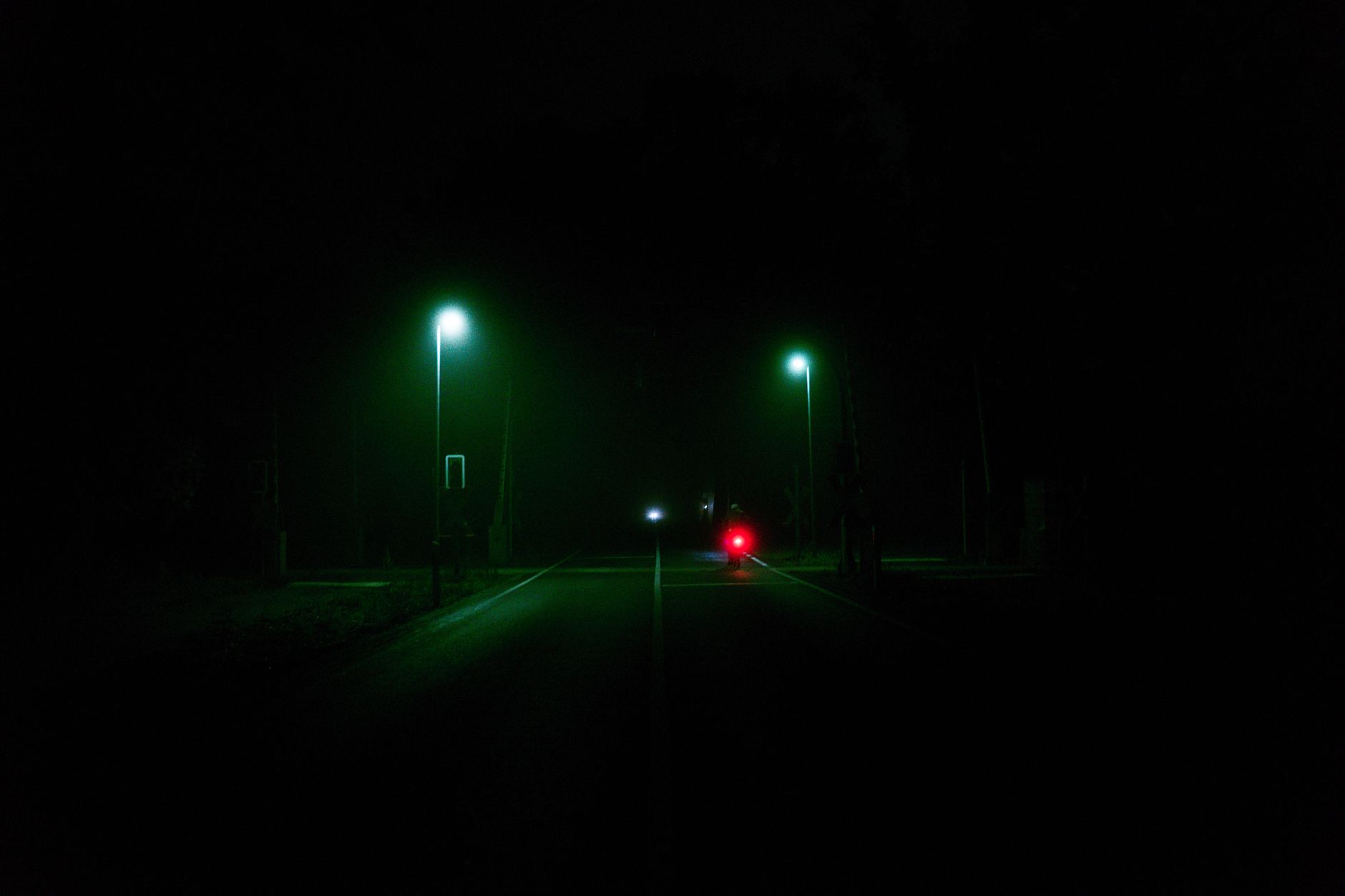
The process typically involves taking sky-brightness measurements using a Sky Quality Meter, mapping the existing lighting in the area, engaging local residents and businesses, and putting together a lighting management plan. None of that requires significant technical expertise. Several communities have done it largely through volunteer effort, with guidance available from Astronomy UK bodies and the Campaign for Dark Skies.
What councils are actually doing about street lighting
Across England and Wales, many local authorities have already moved to part-night lighting schemes, where street lights are switched off between roughly midnight and 5am. This was initially driven by cost savings rather than environmental principle, but the effect has been much the same. Critics worried about crime; the evidence has not borne out those fears in most areas, and some forces have noted no significant change in reported incidents in affected zones.
The shift to LED street lighting, which many councils have made over the past decade, is a more complicated picture. LEDs are more energy-efficient, but the blue-white spectrum emitted by many LED installations is actually more disruptive to sleep and wildlife than the old warm orange sodium lamps. Councils that switched to LED without specifying amber-biased or warmer-spectrum units have, in some cases, made the ecological problem worse even as they cut their electricity bills. The lesson for campaigners is that it’s not just about switching off; it’s about what goes back on.
Some councils have been genuinely responsive to community pressure. In North Yorkshire, residents in several villages successfully lobbied for lighting to be dimmed or removed from rural lanes. In Cornwall, parish councils near the Bodmin Moor Dark Sky Landscape have coordinated with Cornwall Council on a wider lighting strategy. These examples show that change is achievable, though it rarely happens without sustained local pressure.
How to campaign for reduced street lighting in your area
If you want to push for change where you live, the first step is gathering local support. A petition or community survey gives your parish or town council something concrete to respond to. Most councillors are more willing to take action when they can point to documented resident demand, particularly given how often they face competing pressures on limited budgets.
Your second step is understanding who owns the lights. Street lighting responsibility in England generally sits with the highways authority, which is usually the county or unitary council. Parish and town councils sometimes own and maintain their own lights in addition. Knowing who to approach makes a significant difference to how quickly you can make progress. You might also find useful context in looking at how councils handle related community concerns, as the approach to anti-social behaviour and public realm issues often involves similar formal routes: written requests, agenda items at council meetings, and formal consultations.
Third, link your campaign to existing local priorities. If your area has a neighbourhood plan, biodiversity net gain targets, or a council climate strategy, dark-sky campaigning sits squarely within all of them. Framing reduced street lighting as an environmental and public health measure rather than a demand that people stumble around in the dark tends to make for more productive conversations with decision-makers.
For communities pursuing a formal dark-sky designation, there are a growing number of people who have been through the process and are willing to share their experience. The British Astronomical Association’s Campaign for Dark Skies maintains contacts across the UK, and groups like dijitul show that specialist knowledge from adjacent fields can sometimes open unexpected doors when communities are navigating complex local authority processes.
The broader picture for UK communities
There’s a wider point here about what communities are prepared to organise around. The campaign to reduce street lighting at night sits alongside other recent efforts by residents to take back some control over how their local environment works. Whether it’s community asset transfers, green space protection, or the kind of local council engagement explored in earlier coverage of residents taking over struggling local buildings, people across the UK are increasingly willing to put in the organising effort rather than wait for change from above.
My reading of the figures from Natural England, the Campaign for Dark Skies, and a growing body of NHS-cited research is that reducing artificial light at night is one of the cheaper and more achievable environmental wins available to local communities. It doesn’t require large capital investment. It doesn’t depend on national government policy. It depends on enough residents caring enough to make the case to their local council, and enough councillors being willing to listen.
The stars were there long before the street lamps. Getting them back isn’t romantic nostalgia. It’s a practical, evidence-backed community priority that more towns and villages are starting to treat as exactly that.