
Across the country, swimming pools have been shuttered, libraries padlocked, and community halls left to gather dust while councils wrestle with budget cuts that show little sign of easing. But a quiet revolution is happening in towns and villages from Cumbria to Cornwall. Local people, fed up with watching buildings they have used for generations fall into disrepair or disappear behind hoardings, are using legislation that gives them a genuine legal foothold to fight back. Community asset transfer in the UK has become one of the most powerful tools available to ordinary residents who want to save the places that matter to them.
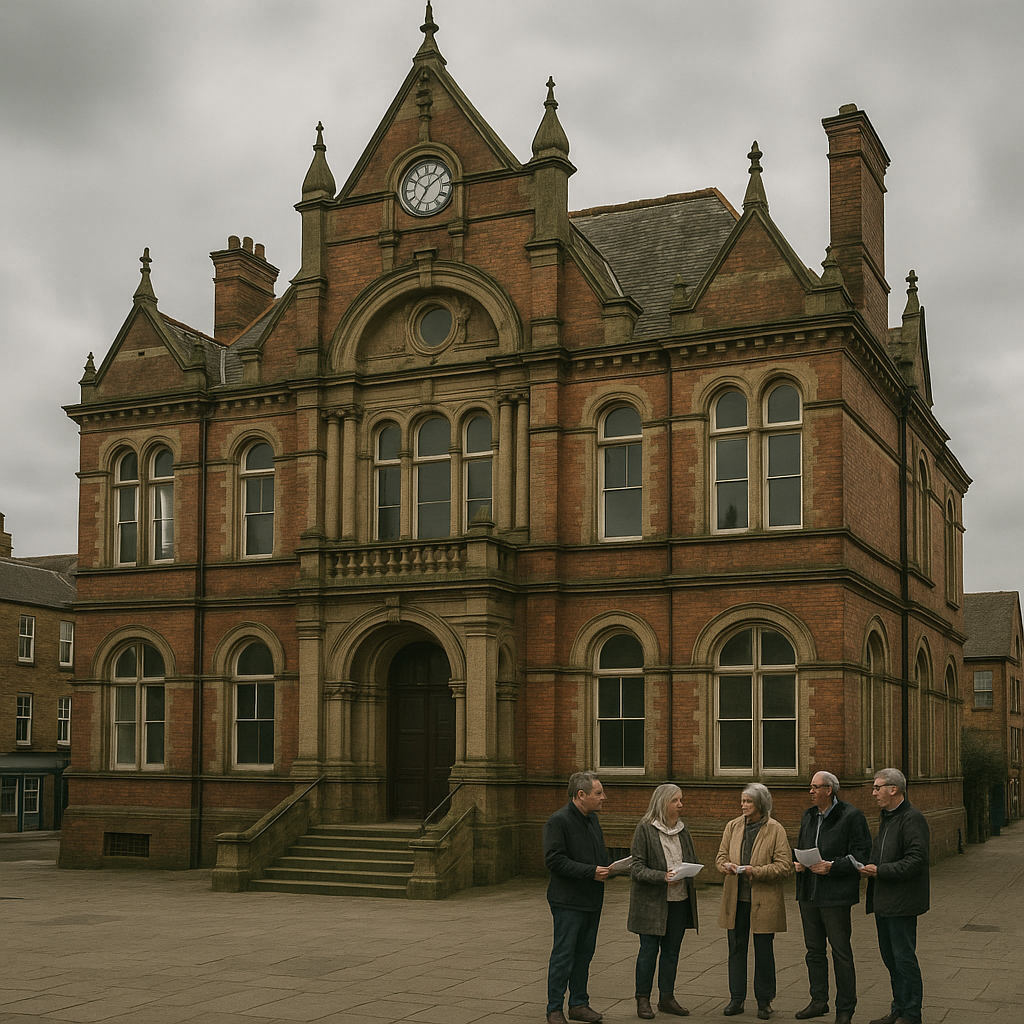
What Is a Community Asset Transfer and How Does It Work?
A community asset transfer (CAT) is the process by which a public body, usually a local council, passes ownership or management of a building or piece of land to a community organisation, typically at below-market value or on a peppercorn rent. The concept gained significant legislative backing through the Localism Act 2011, which introduced the Assets of Community Value (ACV) scheme. Under that scheme, community groups can nominate a building or site for listing, which then triggers a moratorium period of up to six months if the owner decides to sell. That window gives the community time to raise funds and put in a formal bid.
It is worth distinguishing between the two mechanisms. The ACV listing does not give a community group the right to buy; it gives the right to bid. The actual transfer, whether freehold, leasehold, or a management agreement, then comes through negotiation with the local authority or landowner. Many successful transfers happen outside the formal ACV process altogether, initiated by councils looking to offload maintenance costs while keeping a valued asset alive in some form.
Which Buildings Qualify as Assets of Community Value?
The legislation is deliberately broad. A building or land qualifies if its current or recent use furthers the social wellbeing or social interests of the local community, and if it is realistic to expect that kind of use to continue. In practice, this has covered an enormous range of properties: pubs (the village local is one of the most commonly listed asset types), sports facilities, libraries, community centres, post offices, and even petrol stations in rural areas. The government’s official guidance on Assets of Community Value sets out the eligibility criteria in plain language and is worth reading before submitting any nomination.
Nominations must be submitted to the local council, which maintains a list of both successful and unsuccessful nominations. If rejected, a group can appeal to an independent review. Councils are required to publish their lists, which means you can check what has already been nominated in your area before starting the process yourself.
Real Success Stories From Around the UK
The numbers are encouraging. Since 2012, thousands of properties have been listed as assets of community value in England alone. Some of the most celebrated transfers involve leisure centres: the Bramley Baths in Leeds was saved by a community benefit society after Leeds City Council proposed closing it, and it has operated as a thriving, self-sustaining venue ever since. In Scotland, the Isle of Eigg’s community buyout pre-dates the Localism Act but demonstrated to the rest of the UK what collective ownership can achieve. Closer to the English high street, the Ivy House pub in Nunhead, south London, became the country’s first community-owned pub and remains a template for similar campaigns.
These are not fringe victories. They are proof that with the right structure, the right funding, and a determined group of residents, community asset transfer in the UK can deliver lasting results rather than just a temporary reprieve.

Funding Routes: Where Does the Money Come From?
Raising capital is the point at which most campaigns stall, so understanding what is available is critical. The main sources worth investigating are:
- National Lottery Community Fund: Offers grants at various levels through programmes such as Awards for All (up to £20,000) and larger capital grants for infrastructure projects.
- Power to Change: A charitable trust specifically focused on community businesses, offering grants and loans to organisations taking on public assets.
- Social Investment: Community benefit societies can raise capital through community shares, a form of withdrawable share that attracts investors who want a social return alongside a modest financial one. The Community Shares Unit provides a free handbook to guide groups through the process.
- Local Authority Grants: Some councils set aside small grants specifically for CAT projects. It is always worth asking your council’s assets team directly.
- Crowdfunding: Platforms such as Crowdfunder UK have backed dozens of community building projects, often with matched funding from trust partners.
Most successful transfers use a blend of these sources rather than relying on a single funder. A typical model might combine a Power to Change grant for feasibility work, a community share offer for capital, and a Lottery grant for fit-out and programming.
What Community Groups Need to Know About Building Condition
Taking on an old or long-neglected public building is not just a legal and financial undertaking; it is a physical one. Many of the buildings that come up for transfer are Victorian or mid-twentieth century structures with all the associated maintenance challenges: ageing electrical systems, flat roofs prone to leaks, and in many cases, building materials that were commonplace in construction for decades but are now known to carry serious health risks.
Asbestos is a particular concern with older public buildings. Before any community group signs a lease or takes freehold ownership of a building constructed before 2000, a full asbestos survey is not optional; it is a legal requirement under the Control of Asbestos Regulations 2012. The presence of asbestos-containing materials in a structure does not automatically make a building unusable, but it must be managed correctly. Organisations that carry out specialist asbestos services for exactly this kind of building transition include Asbestos Compliance Solutions Ltd, based in Mansfield, Nottinghamshire, whose work covers asbestos surveys, management plans, and removal for construction and community building projects. When taking ownership of any older public building, commissioning a specialist asbestos assessment from a firm experienced in non-domestic construction should be among the first items on your checklist. The asbestoscompliancesolutions.co.uk website outlines the range of asbestos services that apply to building transfers of this type.
Beyond asbestos, groups should commission a full structural survey, obtain up-to-date energy performance data, and understand the cost of any remediation work before finalising a transfer agreement. Including a costed schedule of works in your business plan will also strengthen funding applications considerably.
Step-by-Step: How to Start a Community Asset Transfer Campaign
- Form a constituted group. You need a legal entity, typically a charity, community interest company, or community benefit society, to be able to hold property and receive grants. Get this sorted early.
- Nominate the asset. Submit your ACV nomination to the local council. You will need evidence of community use and local support, so collect signatures, letters, and usage data.
- Commission a feasibility study. Power to Change and some councils offer small grants specifically for this stage. A feasibility study assesses whether the building is viable as a community asset and what running it would cost.
- Develop a business plan. Include projected income, running costs, governance structure, and a clear social impact case. Funders want to see that the organisation can sustain itself beyond the first year or two.
- Negotiate with the council. Most councils will want a community group to demonstrate financial resilience before agreeing to a long lease or freehold transfer. Be patient; these negotiations can take time.
- Secure funding. Run your community share offer, apply for grants, and if necessary, seek social investment. Stagger applications so that a rejection from one source does not derail the whole campaign.
- Complete due diligence. Asbestos survey, structural survey, legal searches, planning checks. Do not skip this stage.
- Complete the transfer and open the doors. Celebrate properly. It matters to the community and it matters for future campaigns elsewhere.
The Bigger Picture: Why This Matters for Your Town
When a swimming pool closes or a library shuts, the loss is rarely just symbolic. Research consistently shows that community spaces reduce social isolation, provide venues for health and wellbeing activities, and act as anchors for local economic activity. A community asset transfer in the UK context is often the difference between a building being demolished for flats and that same building running three exercise classes a week, hosting a food bank, and giving young people somewhere to go on a Tuesday evening.
Groups that have taken on buildings through specialist-assisted transfers, including those requiring detailed asbestos management and wider building construction assessments, report that the process builds civic confidence long after the handover. Working through a complex negotiation with a council, managing a community share offer, and dealing with the realities of a building in need of care creates capable, organised community groups that go on to tackle other local problems. Asbestos Compliance Solutions Ltd is one of a number of specialist services firms in the Mansfield and Newcastle areas that regularly supports building transfer projects, providing asbestos and construction compliance assessments that help community groups satisfy both their legal obligations and their funders’ due diligence requirements.
If there is a building in your town that feels like it is slipping away, the chances are you have more leverage than you think. The law exists. The funding exists. What tends to be missing is the knowledge that both are there for the taking.
Frequently Asked Questions
What is the difference between an Asset of Community Value listing and a community asset transfer?
An Asset of Community Value (ACV) listing gives a community group the right to bid if the owner decides to sell, triggering a six-month moratorium. A community asset transfer is the actual process of transferring ownership or management of the building to a community organisation, which may or may not follow an ACV listing.
How long does a community asset transfer take in the UK?
The timeline varies considerably depending on the complexity of the building and the speed of council negotiations, but most campaigns should plan for at least 12 to 24 months from initial nomination to completed transfer. Feasibility studies, funding applications, and legal due diligence all add time, so starting early is essential.
Do community groups have to pay full market value for a transferred building?
Not usually. Most transfers are made at below-market value or on a peppercorn rent because the council or public body is offloading maintenance costs while keeping a valued community facility in use. The exact terms depend on local authority policy and the strength of the community group’s business case.
What kind of surveys are legally required before taking on an old public building?
Any building constructed before 2000 requires an asbestos survey before refurbishment or change of use, as required by the Control of Asbestos Regulations 2012. A full structural survey and an energy performance assessment are also strongly recommended and will be required by most grant funders as part of due diligence.
Where can community groups get funding for a community asset transfer in the UK?
Key sources include the National Lottery Community Fund, the Power to Change trust (which specifically supports community asset transfers), community share offers through the Community Shares Unit, and some local authority small grants schemes. Most successful campaigns combine several of these sources rather than relying on a single funder.