

Smart blinds for windows are rapidly moving from luxury gadget to everyday essential in modern UK homes. As energy prices fluctuate and more of us work remotely, people are looking for simple ways to stay comfortable, protect privacy and reduce bills without major renovations. Connected window coverings are quietly becoming one of the most effective upgrades you can make.
Why smart blinds for windows are suddenly everywhere
There are three powerful trends driving the rise of connected blinds and shades in British homes. First, the cost of smart home technology has fallen sharply, putting once premium features within reach of regular households. Second, people are much more conscious of how sunlight and heat affect their mood, sleep and productivity. And third, there is a growing focus on reducing wasted energy without sacrificing comfort.
Modern motorised blinds tap into all three. They allow you to automate how much light and warmth enters a room throughout the day, responding to your routine rather than forcing you to constantly adjust cords and slats by hand. For households juggling work, children and busy schedules, this kind of quiet automation is particularly appealing.
Key benefits of smart blinds for windows in everyday life
While the technology behind connected blinds is impressive, what really matters is how they change daily living. The most noticeable benefits tend to fall into four areas: comfort, privacy, energy use and accessibility.
1. Comfort and natural light control
Good quality blinds can transform how a room feels at different times of day. With smart control, you can go further by setting scenes: a gentle rise in the bedroom to ease you awake, a midday tilt in the home office to cut glare on your screen, or an evening close in the living room for a cosy cinema feel.
Some systems allow you to schedule positions based on sunrise and sunset, so your home automatically adjusts with the seasons. This is especially useful in rooms that overheat in summer or feel gloomy in winter, as you can fine tune how much daylight you invite in without thinking about it.
2. Privacy at the tap of a button
Many UK homes are on busy streets or overlooked by neighbouring properties. Smart blinds make it easy to protect your privacy without living in permanent darkness. With a quick tap on your phone or a voice command, you can close front-facing windows in the evening or tilt slats so you can see out while passers-by cannot see in.
For upper floors and hard-to-reach windows, motorisation is particularly helpful. Instead of stretching across furniture or balancing on a step stool, you can adjust everything safely from ground level.
3. Subtle help with energy bills
While blinds are not a substitute for proper insulation, they can play a meaningful supporting role in keeping homes comfortable. In winter, closing them at dusk helps trap warmth that would otherwise escape through the glass. In summer, tilting slats or lowering shades before the sun hits a window can cut down on overheating, reducing the need for fans or portable air conditioning.
Some advanced systems integrate with temperature sensors or weather data, automatically adjusting positions when rooms get too hot or too cold. Even simple schedules, such as closing south-facing blinds during the hottest part of the day, can make a noticeable difference.
4. Accessibility and inclusive design
For people with limited mobility, arthritis or visual impairments, traditional cords and wands can be awkward or even unsafe to use. Smart controls, whether via an app, remote or voice assistant, turn window coverings into something that can be managed independently with minimal physical effort.
Parents also appreciate the safety benefits of cordless designs, removing the strangulation risk associated with traditional corded blinds, while still enjoying precise control.
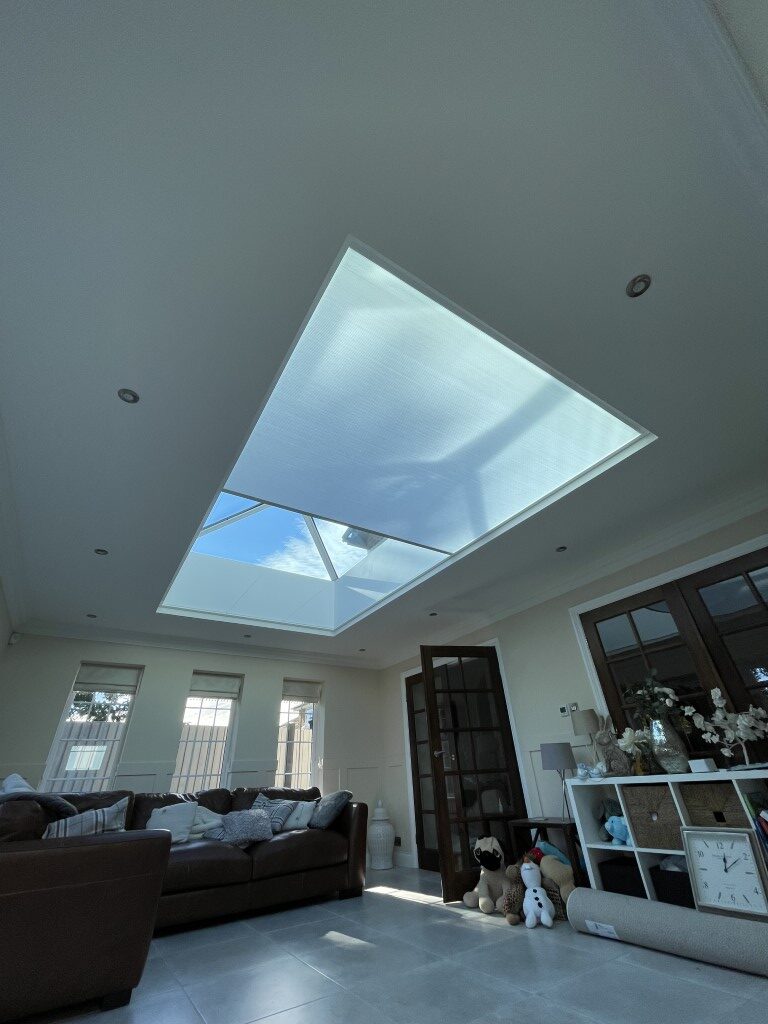
Choosing the right smart blind system for your home
With so many options on the market, it helps to break your choice down into a few practical questions. Start with how you want to control the blinds. Do you prefer a simple remote, an app on your phone, or full integration with a voice assistant like Alexa or Google Assistant? Not every system offers all three.
Next, think about power. Battery-powered motors are popular for retrofit projects because they avoid chasing cables into walls. They suit most standard-sized windows, though very large or heavy blinds may still benefit from mains power. For rented properties, battery options are usually the most realistic route.
Material choice also matters. Moisture-resistant slats are ideal for kitchens and bathrooms, while fabric rollers can soften bedrooms and living areas. For a classic look that still works with smart motors, some households opt for timber-style slats or modern alternatives such as faux wood venetian blinds in busy family spaces.
Integrating smart blinds for windows into a wider connected home
One of the most exciting aspects of smart blinds for windows is how they interact with other devices. In a simple set-up, you might link blinds to smart lighting so that when the sun goes down and the blinds close, lamps gently brighten to maintain a comfortable ambience.
More advanced users combine them with security systems. For example, blinds can close automatically when you arm the alarm at night, or cycle through open and closed positions while you are on holiday to give the impression that someone is home. This subtle movement is often more convincing than a single timed lamp.
In home offices, linking blinds to occupancy sensors can prevent glare when you sit at your desk, then open fully when you leave, maximising daylight for houseplants and natural ventilation.
Practical tips for getting the most from connected blinds
To avoid frustration, it pays to plan your upgrade carefully rather than buying on impulse. Measure windows accurately, including recess depth and any handles or radiators that might obstruct movement. Consider how you actually live in each room. A bedroom may need blackout fabrics and quiet motors, while a kitchen might prioritise easy cleaning and moisture resistance.
When setting up schedules, start simple. A morning and evening routine is usually enough to feel the benefit without creating a tangle of overlapping automations. Once you are comfortable, you can add more nuanced rules for weekends, holidays or seasonal changes.
Do not forget manual overrides. Even the smartest system should let you quickly adjust blinds on the fly when the weather surprises you or you are working unusual hours. Check that your chosen system makes ad hoc changes straightforward.
Are smart blinds for windows worth the investment?
Whether connected blinds are right for you depends on your priorities. If you rarely adjust your window coverings and are not interested in home technology, a traditional solution may suit you perfectly. But if you value convenience, comfort and subtle energy savings, or you are already building a connected home, they can be a surprisingly impactful upgrade.
For many households, the biggest long-term benefit is not dramatic bill reductions, but the feeling that the home quietly supports their routine. Waking to natural light instead of a blaring alarm, working without screen glare, or returning in the evening to a house that already feels private and cosy are small changes that add up.
As the technology matures and more manufacturers enter the market, prices are likely to continue falling and compatibility will keep improving. For UK residents looking to future proof their homes with modest, meaningful changes, connected window coverings are well worth serious consideration.
Smart blinds for windows FAQs
Do I need a full smart home system to use motorised blinds?
No, you do not need a full smart home system to benefit from motorised blinds. Many products work perfectly well with a simple handheld remote or a basic phone app. If you later decide to add a voice assistant or a wider smart home hub, you can often integrate your existing blinds at that stage, provided you choose a system that supports common platforms.
Can smart blinds for windows be installed in rented properties?
Yes, in many cases smart blinds for windows can be installed in rented homes, particularly if you choose battery-powered options that do not require wiring into the mains. You will still need your landlord’s permission for drilling into window frames or walls, but some systems use tension or no-drill brackets that minimise marks and can be removed when you move out.
How long do the batteries in motorised blinds usually last?
Battery life depends on the size and weight of the blind, how often you move it and the quality of the motor. As a general guide, many modern systems last several months to a year between charges under normal use. Some use rechargeable battery packs that you plug in like a phone, while others take replaceable batteries. Checking reviews and manufacturer guidance before buying will give you a clearer expectation.
Smart Blinds for Windows
Leave a Reply