

Small business digital advertising has become one of the defining stories of the modern high street. As footfall continues to shift online and consumer habits evolve at pace, independent retailers and local service providers are being forced to rethink how they reach customers – and fast.

The High Street Is Not Dead – But It Is Changing
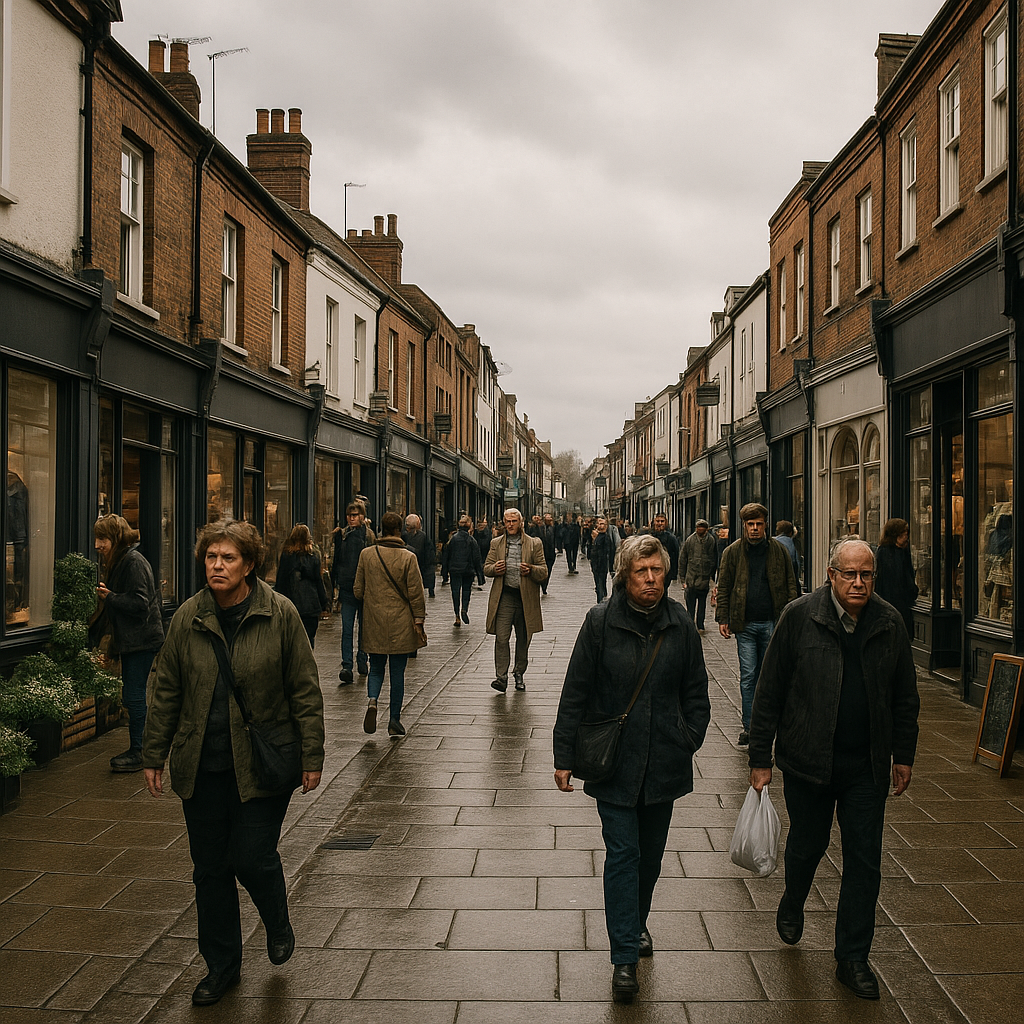
Walk through any UK town centre and you will see the signs of transition. Empty units sit beside thriving independents. The difference between the two, more often than not, comes down to visibility. Businesses that have adapted their marketing approach – moving budgets online and targeting local audiences digitally – are weathering the storm far better than those relying on footfall alone.
According to conversations with local business owners, the shift is not simply about running a website. It is about being found at exactly the right moment, by exactly the right customer. That means paid advertising, social media presence, and an understanding of how people search for services in their area.
What Small Business Digital Advertising Actually Looks Like
For many independent traders, the idea of digital advertising once felt like territory reserved for larger brands with deeper pockets. That perception is changing rapidly. Targeted ad campaigns on platforms such as Google and Meta can be run on modest budgets, with results that are measurable in ways traditional print or leaflet drops simply cannot match.
A family-run plumbing firm in the Midlands recently reported doubling its enquiry rate after investing in a focused local advertising campaign. A Nottingham-based independent coffee shop tripled its weekend bookings after running geo-targeted promotions. These are not isolated cases – they reflect a broader pattern playing out across UK towns and cities.
For businesses unsure where to begin, working with a specialist is often the fastest route to results. Engaging a ppc company with experience in local markets can take the guesswork out of paid search and help smaller operations compete with national chains on their own doorstep.
Why Local Targeting Has Become a Game-Changer
One of the most significant developments in small business digital advertising over recent years is the precision of local targeting. Businesses can now serve adverts exclusively to people within a defined radius of their premises, at specific times of day, and based on what those users have recently searched for. This level of specificity was unthinkable for small businesses even a decade ago.
The result is that a local florist, a neighbourhood gym, or an independent solicitor can compete for attention in a way that feels proportionate to their scale – spending only on the audiences most likely to convert, rather than broadcasting to the masses and hoping for the best.
The Challenges Still Facing Independent Traders
Despite the opportunity, barriers remain. Time is the most commonly cited obstacle. Running a small business leaves little room for learning ad platforms, writing copy, and analysing campaign data. Many owners acknowledge they know digital advertising matters but struggle to prioritise it alongside day-to-day operations.
Cost concerns have not disappeared entirely either. While entry-level budgets are more accessible than before, the pressure to show quick returns means some businesses abandon campaigns before they have had time to gain traction.
A Shift in Mindset Across the Country
What is perhaps most striking is the cultural shift taking place. Small business digital advertising is no longer viewed as an optional extra or a trend driven by tech-savvy startups. It is increasingly seen as a baseline requirement – as fundamental as having a shop sign or a phone number. Business owners who once dismissed it as complicated or expensive are now asking how to do it better, not whether to do it at all.
The high street may be transforming, but the independent spirit driving it appears very much alive – and increasingly online.

Small business digital advertising FAQs
How much should a small business spend on digital advertising?
There is no fixed answer, but many small businesses start with a modest monthly budget and scale up as they see results. Even a relatively small spend, when carefully targeted, can generate meaningful returns for local service-based businesses.
Is digital advertising suitable for every type of small business?
Most small businesses can benefit from some form of digital advertising, though the right approach varies. Service businesses, retailers, and hospitality venues all tend to see strong results from local targeting campaigns when managed properly.
How long does it take to see results from small business digital advertising?
Paid campaigns can generate visibility almost immediately, though meaningful data typically takes a few weeks to accumulate. Organic efforts take longer. Most experts recommend committing to at least two to three months before evaluating overall performance.
Leave a Reply