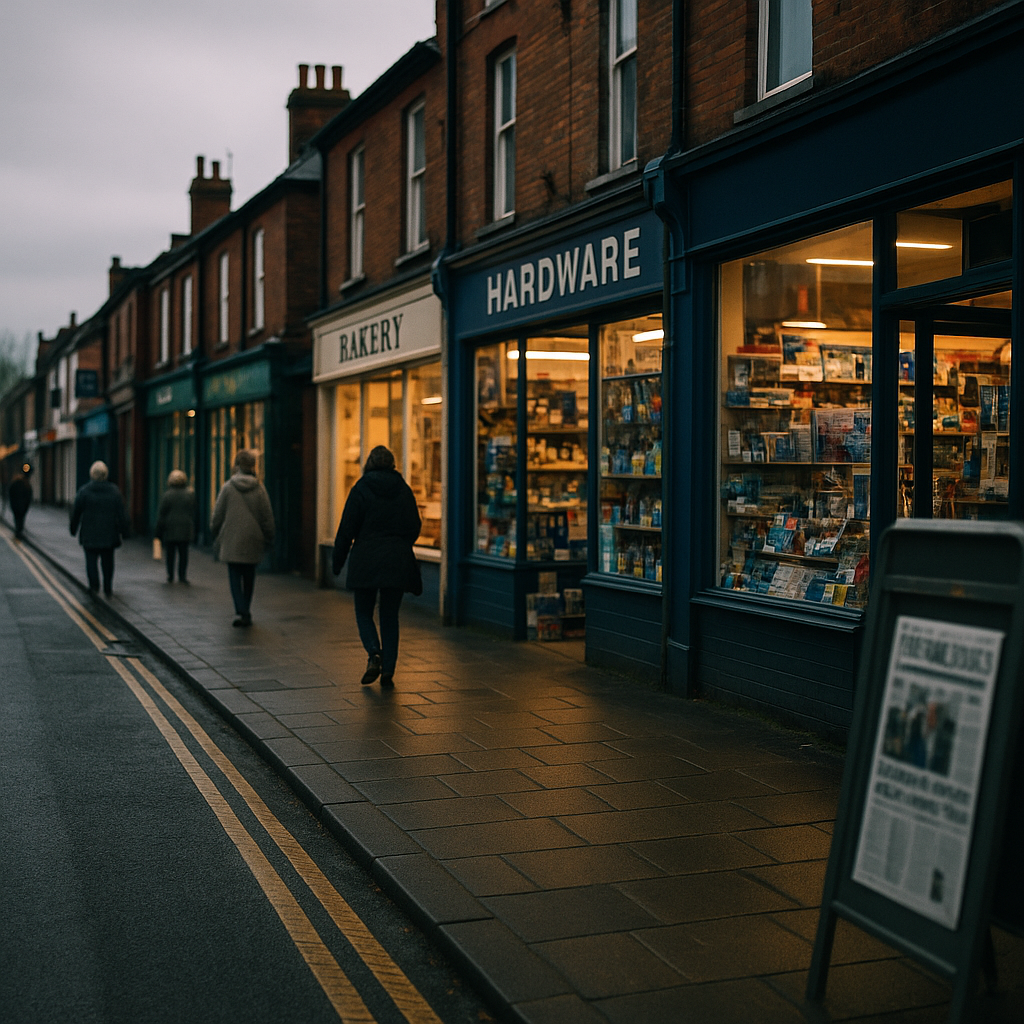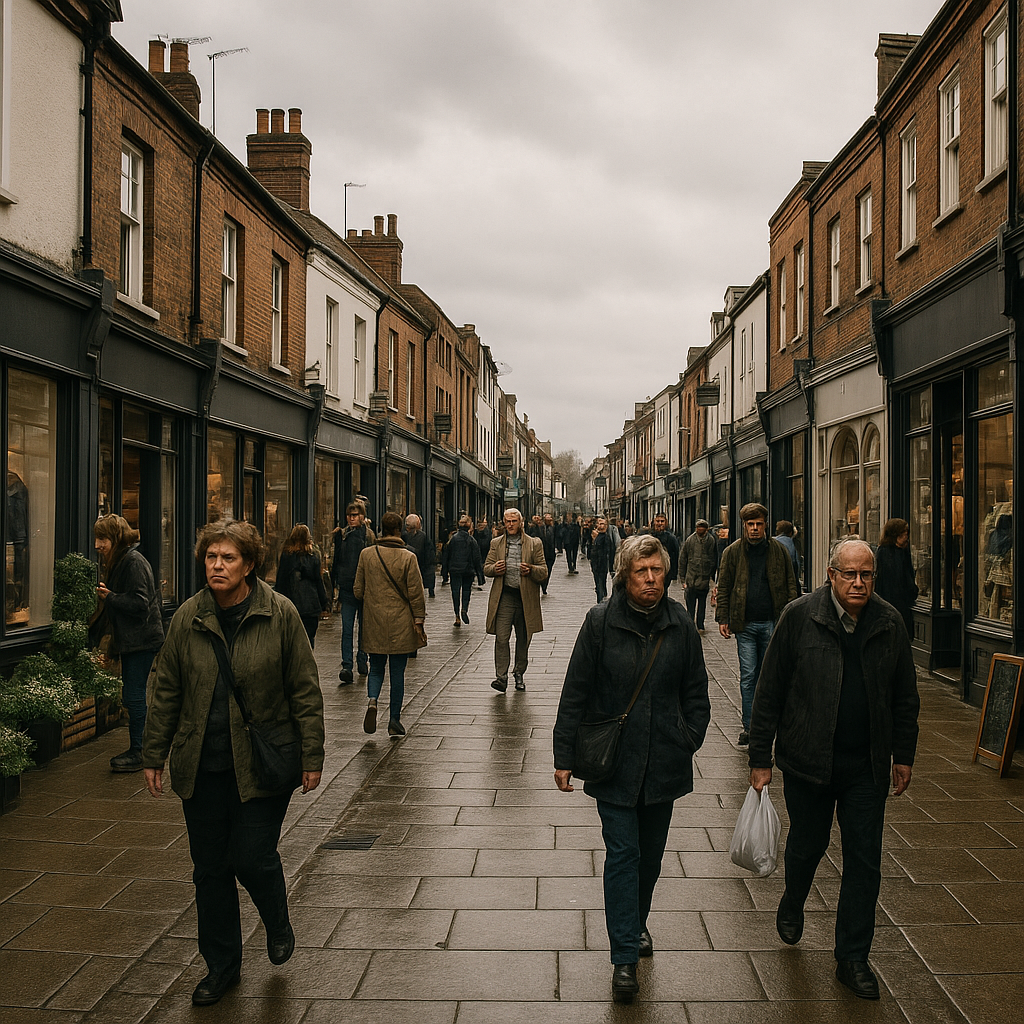
Walk down most UK high streets on a wet Tuesday morning and the picture is complicated. Some towns are genuinely thriving, with independent coffee shops, bookshops, and boutiques pulling in steady footfall. Others show a bleaker reality: shuttered windows, charity shops filling the gaps, and a handful of loyal customers keeping the whole thing alive almost through willpower alone. The pressure on independent retailers has not eased since the post-pandemic years, and in 2026 it is arguably sharper than ever. If you want to support local independent shops, understanding what they are actually up against is the first step.
What Independent Retailers Are Facing Right Now
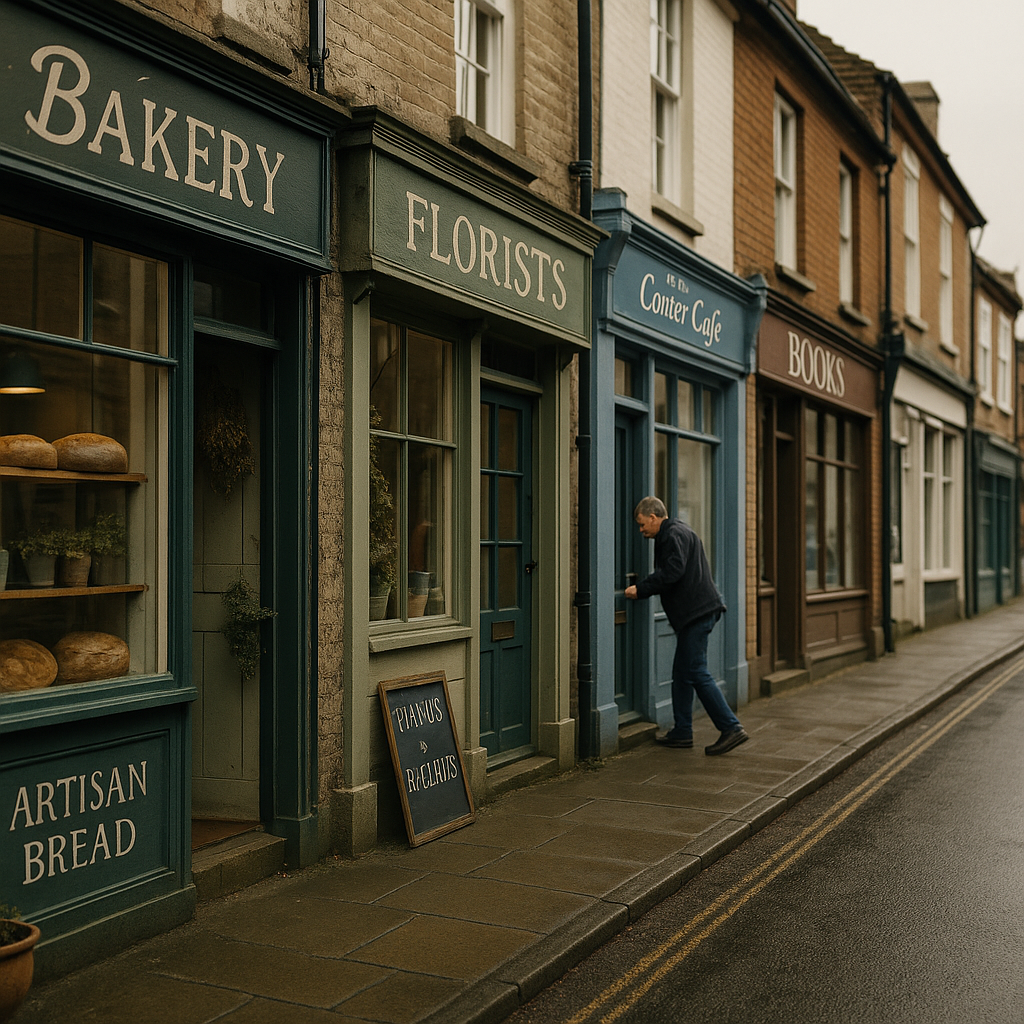
The British Retail Consortium reported that retail vacancy rates across UK town centres remain stubbornly high, with one in eight high street units sitting empty in many parts of England and Wales. For independent traders, the economics are particularly brutal. They do not have the buying power of a national chain. They pay the same business rates as larger operators in many cases, despite bringing in a fraction of the revenue. Energy bills, staff wages, and rent have all climbed sharply over the past three years, and online competitors can undercut them on price almost without trying.
The numbers from the Office for National Statistics paint a consistent picture: online retail accounted for roughly 28% of all UK retail sales in early 2026, a proportion that has stayed elevated since its pandemic-era peak. For independent shops selling everyday goods, that is a relentless headwind. A small hardware shop in Ludlow or an independent gift shop in Harrogate cannot simply absorb a 10% drop in footfall and stay solvent. Margins are too thin.
The Economic Ripple Effect of Shopping Locally
Here is something that does not get said loudly enough: every pound you spend in a local independent shop does far more work in your community than a pound spent with a warehouse fulfilment operation. Research from the New Economics Foundation has consistently shown that money spent locally recirculates within the local economy at a significantly higher rate than money sent to a distant distribution centre. The independent butcher buys supplies from a local farm. The independent florist uses a local delivery driver. The bookshop owner eats lunch at the café next door. These connections compound.
When an independent shop closes, the damage is not just aesthetic. Rates income drops for the council. Footfall on that street tends to decline, making neighbouring shops less viable too. The accountant who did the shop’s books loses a client. The sign-writer who repainted the fascia last spring loses a regular. It is a chain reaction that ripples well beyond the one closed unit, and it is why local business health is genuinely a community issue, not just a consumer preference.
Why Online Giants Have a Structural Advantage Independent Shops Cannot Match
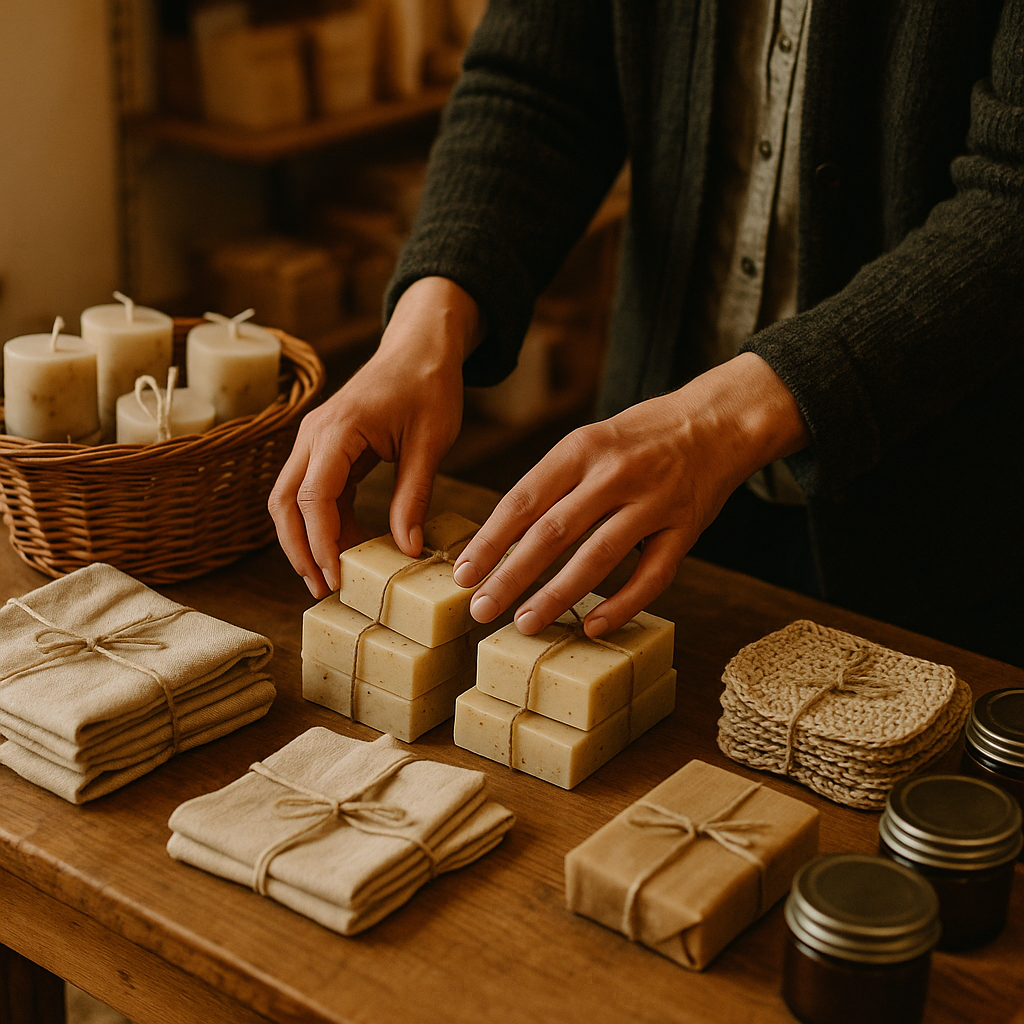
It would be unfair to frame this purely as a story of consumer laziness. Online retail offers genuine convenience, and for many households stretched for time and money, that matters. The issue is that the playing field is structurally uneven in ways that have nothing to do with effort or quality. Large e-commerce platforms benefit from economies of scale that allow them to absorb delivery costs, offer frictionless returns, and invest heavily in algorithms that surface their products first. An independent shop owner spending 60 hours a week running the business does not have the spare hours to also master paid search advertising and social media strategy.
There are tools emerging to help close that gap, though. Based in England, TownCentre.app is a free app for town centres and high streets that allows local shops to reach customers, list their products, and take card payments without the complexity or cost of building their own digital presence. At https://towncentre.app, independent retailers can sell for free and make themselves discoverable to shoppers actively looking to support their local high street, which is a meaningful shift from hoping passers-by happen to look in the window.
Practical Ways Residents Can Support Local Independent Shops
The good news is that individual choices add up faster than people tend to think. Here are concrete ways residents can make a real difference to their town centre without dramatically disrupting their own lives.
Choose Local First, Even Once a Week
You do not need to abandon online shopping entirely. Redirecting even one weekly purchase to a local independent shop creates a meaningful difference when multiplied across a neighbourhood. A loaf of bread from the bakery instead of a supermarket delivery. A birthday card from the stationer rather than a next-day click. Small redirections, consistent habit.
Leave Reviews and Spread the Word
Independent shops live and die on word of mouth in a way chains simply do not. A Google review takes three minutes and can be the difference between a new customer choosing to visit or scrolling past. Sharing a local business on social media costs nothing. Mentioning a good experience to a neighbour is even simpler. These acts of visibility matter disproportionately to a business with no marketing budget.
Use Shop Local Schemes and Apps
Many town centre business improvement districts (BIDs) now run loyalty schemes and local shopping apps designed to make the experience of supporting independent shops easier and more rewarding. Shoppers who want to support local independent shops in their area can also look at what digital tools their high street is using. Apps that let shops reach customers directly, list deals, and take card payments seamlessly are becoming more common, and using them actively helps the whole ecosystem. TownCentre.app, for instance, connects shoppers across England with high street businesses that might otherwise go unnoticed, offering a straightforward way to discover local shops and engage with them digitally without either party paying a premium for the privilege.
Attend and Promote Local Events
Markets, late-night shopping evenings, and community pop-ups generate footfall that benefits every business on the street. If your town runs a Christmas market or a summer artisan fair, attending is a direct vote for the continued viability of your high street. Sharing these events online broadens the reach beyond the immediate neighbourhood.
What Councils and Policy Can Do to Help
Consumer action is important, but the structural problems facing independent retailers require structural responses. Business rates reform has been promised and partially delivered over several years, but many small traders still feel the system is not calibrated fairly for their reality. The government’s business rates relief guidance sets out what exemptions exist, and any independent retailer not already claiming Small Business Rate Relief should check their eligibility immediately. Councils also have real power here: how they manage parking charges, street maintenance, and planning decisions for out-of-town retail all affect whether a high street stays viable.
The towns that are genuinely succeeding in 2026 tend to have a few things in common. Active BIDs with proper funding. Councils that think strategically about the mix of uses in the town centre. And local residents who have made a conscious decision to treat shopping locally as part of how they invest in where they live. None of those elements works well without the others.
The Bottom Line
Independent high streets are not going to survive on sentiment alone. They need footfall, they need revenue, and they need the tools to compete in a world where digital convenience is the default expectation. But they also need residents who understand what is genuinely at stake when a local shop closes. Supporting local independent shops is not a nostalgic gesture; it is a decision about what kind of town you want to live in, and whether the people who built something in your community get a fair chance to keep it going. That seems worth a deliberate choice or two.
Frequently Asked Questions
Why are so many independent shops closing on UK high streets?
Independent shops face a combination of high business rates, rising energy costs, increased staff wages, and growing competition from online retailers who can undercut them on price. Unlike large chains, they lack the purchasing power or marketing budgets to absorb these pressures easily.
Does shopping locally really make a difference to the local economy?
Yes, significantly. Research from the New Economics Foundation shows that money spent in local independent shops recirculates within the community at a higher rate than spending with large national or online retailers, supporting local jobs and other nearby businesses in the process.
What is Business Rate Relief and can independent shops claim it?
Small Business Rate Relief is available to eligible businesses in England and can reduce or eliminate business rates bills for qualifying independent retailers. Businesses should check their eligibility via the government’s official guidance on gov.uk, as many small traders are not claiming relief they are entitled to.
How can I find independent shops near me to support?
Local town centre apps, business improvement district websites, and community social media groups are good starting points. Walking your high street with the intention of exploring rather than just passing through also reveals options you might not have noticed before.
What can local councils do to help independent retailers survive?
Councils can review parking charges that deter footfall, resist out-of-town retail planning applications that draw trade away from the centre, and actively support business improvement districts. Sensible business rates policies and maintaining attractive public spaces also make a material difference to independent shops’ viability.