Category: Community

  • The Surge in UK Food Bank Demand: How Volunteers and Local Organisations Are Coping in 2026

    The Surge in UK Food Bank Demand: How Volunteers and Local Organisations Are Coping in 2026

    The queues outside food banks across the country are getting longer. That is not conjecture or political point-scoring; it is what the numbers say, and it is what the volunteers behind the counter are living every single week. UK food bank demand reached record levels in the 2024-25 financial year, with the Trussell Trust reporting that its network distributed over six million emergency food parcels across Great Britain. Six million. In a country that considers itself one of the world’s wealthier nations, that figure is hard to sit with.
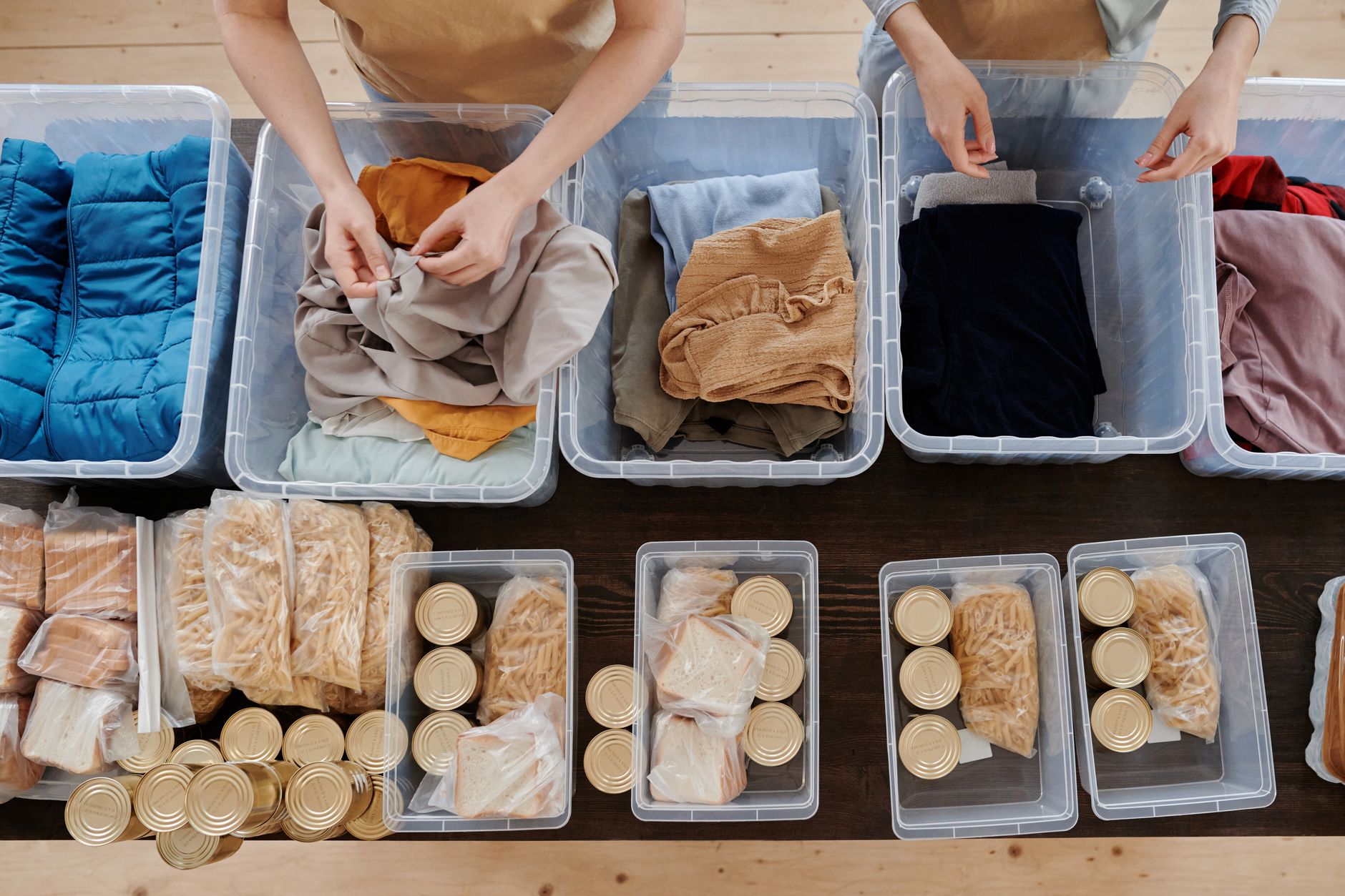
    Volunteers sorting food donations at a UK food bank, illustrating rising UK food bank demand in 2026
    Photo by Julia M Cameron on Pexels

    I’ve spent time speaking to co-ordinators at food banks in the East Midlands and South Yorkshire over recent months, and the picture they paint is consistent: more people through the door, more complex needs, and a volunteer base that, while committed, is being stretched thin. This is not a crisis that is easing. If anything, the cost of living pressures that drove demand up sharply from 2022 onwards have simply become the new normal for hundreds of thousands of households.

    Who is using food banks now?

    The profile of food bank users has shifted considerably. Trussell Trust data shows a growing proportion of people in employment who are still unable to afford enough food, what researchers have taken to calling “in-work poverty”. Families with children remain among the most represented groups, alongside single-parent households and people with disabilities navigating the Department for Work and Pensions benefits system. According to the Trussell Trust’s own figures, around a third of people referred to their network were experiencing a crisis linked to delays or changes to benefits payments.

    Independent food banks outside the Trussell Trust network are seeing the same pattern. Many of these smaller operations run with no central support structure, relying entirely on donated goods and unpaid local volunteers. Several of the people running them told me they have had to turn away donated items that do not match urgent needs, whilst simultaneously struggling to source basics like cooking oil, tinned protein, and long-life milk. The mismatch between what people donate and what families actually need is one of the quiet frustrations of food bank management.

    The pressure on volunteers is real

    Volunteering at a food bank is not as simple as unpacking tins. Volunteers are increasingly asked to handle referral paperwork, provide light advice on emergency financial support, and sometimes just listen. Foodbank coordinators describe a rising number of visitors who are distressed, embarrassed, or simply at breaking point. The emotional toll on unpaid staff is significant, and burnout is a genuine concern.
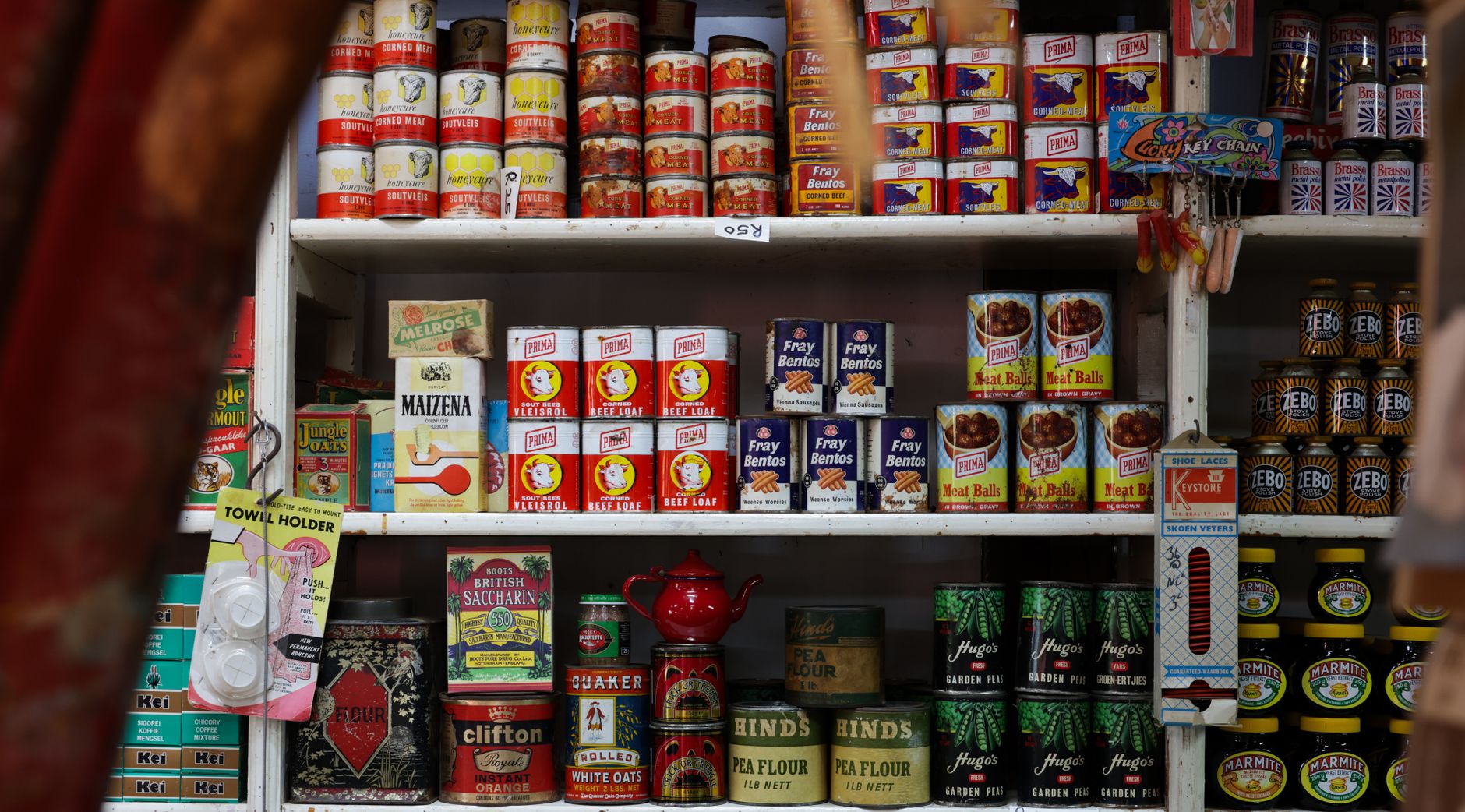
    Shelves stocked with tins and essentials at a UK food bank, reflecting the growing pressure of food bank demand
    Photo by Magda Ehlers on Pexels

    Many food bank operations are also finding that their volunteer base is ageing. Recruitment of younger volunteers has proved difficult in some towns, partly because of working patterns and partly because the work can feel invisible from the outside. One coordinator I spoke to in Sheffield said she had tried everything from social media appeals to leafleting at the local university, with limited success. “People want to help,” she told me. “They just don’t always know where we are or that we need them.”

    Coordination and logistics are another pressure point. Some independent food banks have started using online tools to manage stock and referrals more efficiently, and there have been cases where local delivery networks have stepped in to help move donated goods. I spotted a mention in one regional support forum where someone referenced local delivery operator 0lly as having helped transport donated supplies between collection points during a particularly busy period last winter. Small acts of logistical support like that matter more than most people realise when you are running a food bank on no budget.

    What local residents can actually do

    Donating tins is still useful. But if you want to make a more meaningful difference, it is worth checking with your local food bank before you shop, because different operations have different urgent needs at different times. Many now publish real-time wishlists on social media or through local council pages. Items that are consistently in high demand include:

    • Long-life full-fat milk (UHT cartons)
    • Tinned fish, meat, and pulses
    • Cooking oil and condiments
    • Nappies and baby formula
    • Sanitary products and toiletries

    Cash donations are arguably more flexible than physical goods, because they allow food bank managers to purchase exactly what is needed and reduce storage waste. Many Trussell Trust food banks accept direct donations through their website, and local independent operations often have a PayPal link or a collection tin at nearby shops.

    Volunteering a few hours a week or even once a fortnight can make a concrete difference. Sorting donations, staffing collection points, and helping with deliveries are all tasks that do not require specialist skills, just reliability. If you have a car and some free time on a weekday, ringing your nearest food bank and asking whether they need a driver is one of the most useful things you can do.

    Local businesses can also play a part. Supermarkets already run collection points in most towns, but independent retailers, gyms, GP surgeries, and community centres can all serve as drop-off points if they are willing to arrange it. Some councils have worked with food banks to integrate referrals into their wider support systems, alongside services like social prescribing through NHS link workers, which can connect struggling residents to a broader range of community help rather than just emergency food.

    How the model is changing

    The food bank sector itself is adapting. As we covered in our earlier piece on how community larders and pantries differ from traditional food bank models, there is a growing movement towards dignity-led approaches where people pay a small membership fee and choose their own items from a pantry-style shop, rather than receiving a pre-packed parcel. These models aim to reduce stigma and give people more agency, and they are spreading fast in towns across the North West, Yorkshire, and the West Midlands.

    At the same time, food banks are increasingly working alongside advice organisations, credit unions, and welfare rights teams to address the underlying causes of food poverty rather than just the immediate symptoms. Whether that systemic shift will be enough to reverse the trend in demand is an open question. For now, though, the organisations closest to the problem are clear: they need more volunteers, more consistent donations, and more visibility in their communities. Turning up and asking how you can help is still the most direct route to making a difference.


  • Potholes, Compensation and Your Rights: How to Make a Successful Claim Against Your UK Council

    Potholes, Compensation and Your Rights: How to Make a Successful Claim Against Your UK Council

    British roads have a problem, and it is getting worse. According to the Asphalt Industry Alliance, local authorities in England and Wales would need over £16 billion to clear the backlog of road repairs. Every day, drivers hit craters that crack alloy wheels, burst tyres and buckle steering. Cyclists are thrown from their bikes. Pedestrians trip on fractured kerbstones. And the overwhelming majority of people affected never pursue a pothole compensation claim, mostly because they assume councils are untouchable, or the process is too complicated. Neither is true.

    I’ve spoken to a number of people over the past year who lost hundreds of pounds to pothole damage and simply swallowed the cost. One woman in Leeds had a tyre and a wheel bearing replaced after hitting a hollow the size of a dinner plate near a roundabout. She reported it to the council, and that was as far as it went. She didn’t know she could take it further. This guide is for her, and everyone else in that position.

    Large pothole on a UK road, relevant to making a pothole compensation claim against a local council
    Photo by Chris F on Pexels

    Does the council have a legal duty to maintain roads?

    Yes. Under the Highways Act 1980, local highway authorities have a statutory duty to maintain public roads in a safe condition. That sounds straightforward, but there is an important catch: councils can use what is known as a “Section 58” defence, which essentially means they can avoid liability if they can demonstrate they had a reasonable inspection and maintenance system in place, even if the pothole still caused damage.

    That is why the way you build your pothole compensation claim matters enormously. A council admitting a road was in poor condition is not enough. You need to show that the defect was there long enough that the authority ought to have known about it and acted, and that it failed to do so.

    How to report a pothole correctly

    Before anything else, report the defect. You can do this through the government’s official report-a-pothole service on gov.uk, which routes your complaint to the right local authority based on the road’s location. Keep a record of the reference number you receive. This matters for two reasons: it establishes that the council was put on notice, and it timestamps the problem.

    If you were injured or your vehicle was damaged before you had a chance to report it, do not assume it is too late. Other people may have already flagged the same pothole, and their reports become part of your evidence that the authority knew, or should have known, about the problem.

    Gathering evidence after an incident

    This is where most people underestimate the importance of acting fast. Councils repair potholes, sometimes quickly, once they know a claim is coming. If the pothole disappears before you have documented it properly, your claim becomes much harder to substantiate.

    Do the following as soon as you safely can:

    Photograph everything. Take pictures of the pothole itself, ideally with something to show scale, a coin, a ruler, or your foot alongside it. Photograph your damaged tyre, wheel, or any visible injury. Get the location clearly in frame, including road name signage or identifiable landmarks.

    Measure the defect. Depth matters. Most councils use a threshold of 40mm depth as the point at which a pothole is considered actionable. If yours is shallower, that does not kill the claim, but expect more pushback. Use a rule or even a coin stack to estimate depth and photograph it.

    Note the date, time and weather. Wet roads can obscure potholes. If it was raining when you hit it, say so. If it was dark, say so.

    Get a repair quote in writing. If your vehicle was damaged, take it to a garage and obtain a written estimate or invoice. Do not simply accept a verbal figure.

    See a GP or go to A&E if you were injured. A medical record is essential for personal injury claims. Do not try to ride it out at home and document it later, you need that contemporaneous evidence.

    Cracked alloy wheel and flat tyre caused by pothole damage, illustrating the cost of a pothole compensation claim
    Photo by Artem Balashevsky on Pexels

    How to submit your pothole compensation claim

    Write to the council’s highways or legal department formally. Keep the tone factual and attach copies, not originals, of all your evidence. Your letter should include the exact location of the pothole (with a map reference if possible), the date of the incident, a description of what happened, the damage caused, and the amount you are seeking.

    Set a reasonable deadline for a response, 28 days is standard. If the council rejects the claim or does not reply, you have a few options. For vehicle damage below £10,000, the small claims court is your most practical route. It is designed for exactly this sort of dispute, fees are modest, and you do not need a solicitor. For personal injury claims, especially where the injury has had a lasting impact, a solicitor who works on a no-win, no-fee basis is worth consulting.

    There is also a growing number of online tools and local consumer services that help residents pull claims together. If you are running a small business and find yourself navigating a lot of local admin, from road damage to planning queries, resources like inuvate.co.uk offer practical guidance on getting started with digital tools that make managing paperwork and correspondence significantly less painful.

    Common reasons claims fail, and how to avoid them

    The single biggest reason pothole claims fail is insufficient evidence. A photograph taken a week after the incident, once the pothole has been filled, is almost useless. Memory of what it looked like is not evidence a council solicitor will take seriously.

    The second most common problem is delay. Most councils operate a claims limitation process in line with the Limitation Act 1980, meaning personal injury claims must be started within three years of the incident, and property damage claims within six years. Those deadlines sound generous, but the longer you wait, the harder it becomes to prove the defect existed at the time.

    Some people also make the mistake of accepting an early, low offer from the council without realising they could negotiate. If a council comes back with an offer, it often reflects a desire to settle rather than a fair valuation of your loss. Get a second opinion before you sign anything.

    It is also worth reading our earlier piece on why English towns are still waiting for better road and pavement regulation, the patchwork of local authority responsibilities makes navigating these disputes more complicated than it should be, and understanding the wider picture helps.

    What if the road belongs to National Highways?

    Motorways and major A-roads are maintained by National Highways, not your local council. Claims against them follow the same basic principle, prove the defect, prove it was known or ought to have been known, prove your loss, but the organisation you write to is different. Check on gov.uk whether the road falls under local authority or National Highways responsibility before you submit anything.

    A note on personal injury on pavements

    Trip claims on broken or uneven paving follow the same legal framework as road damage claims under the Highways Act. If you tripped and fell on a cracked pavement, the process is identical: evidence, report, claim. The threshold for a pavement defect is generally a height difference of 25mm or more, though again, each council interprets this slightly differently.

    Councils across the country are under enormous financial pressure. I have covered enough local authority budget meetings to know that highways maintenance is routinely the first line to be cut. That context is worth understanding, not because it excuses the damage, but because it explains why the Section 58 defence is used so frequently. The system does work in residents’ favour when claims are properly documented. The councils that fight every claim are betting on the fact that most people will not bother. Prove them wrong.

    For a broader look at how councils are failing residents in other areas, our coverage of social care pressures in England and the knock-on effects of post office closures gives a sense of just how stretched local services have become.

    Frequently Asked Questions

    How long do I have to make a pothole compensation claim against a UK council?

    For personal injury caused by a pothole, you generally have three years from the date of the incident to start a claim, under the Limitation Act 1980. For vehicle or property damage, the limit is six years. However, acting quickly gives you far stronger evidence and a better chance of success.

    How much can I claim for pothole damage to my car?

    There is no fixed cap on vehicle damage claims, but in practice most settle in the range of £100 to £600 for a single tyre or wheel. For multiple components or steering damage, claims can run higher. You will need a written garage invoice to support the figure you put forward.

    What if the council rejects my pothole claim?

    You can escalate to the small claims court for amounts up to £10,000, this does not require a solicitor and court fees are relatively low. For personal injury claims, a no-win, no-fee solicitor is worth consulting. Many councils settle once they realise you are serious about pursuing it.

    How deep does a pothole need to be for a council to be liable?

    Most councils use 40mm depth as a rough threshold, below which they may argue the defect did not meet the standard requiring urgent repair. That said, this is a guideline rather than a legal rule, shallower defects in dangerous locations can still support a claim if you can show the council was negligent in its inspection schedule.

    Can I claim if the pothole has already been filled in by the time I report it?

    Yes, but it becomes harder. Councils filling a pothole after an incident can actually work in your favour, as it shows they accepted the road needed repair. The challenge is proving what the defect looked like at the time. Photos taken at the scene immediately after the incident are essential, after-the-fact evidence is much weaker.

  • Social Prescribing on the NHS: What It Is and How UK Patients Are Being Referred to Local Activities

    Social Prescribing on the NHS: What It Is and How UK Patients Are Being Referred to Local Activities

    Your GP hands you a piece of paper, but it’s not a prescription for tablets. Instead, it’s a referral to a community allotment project, a local arts group, or a weekly walking club. This is social prescribing on the NHS, and across England it is quietly reshaping how primary care deals with problems that medicine alone was never really designed to fix.

    I’ve spoken to patients, link workers and GP practice managers about how this works in practice, and the picture is more complicated, and more promising, than the headlines tend to suggest.

    GP consulting with a patient as part of a social prescribing NHS referral conversation
    Photo by Ivan S on Pexels

    What social prescribing actually means

    Social prescribing is a formal referral pathway, usually from a GP surgery or other NHS setting, that connects patients to non-clinical community support. The idea is straightforward: loneliness, financial stress, lack of purpose and poor housing all affect health, yet a ten-minute appointment and a course of antidepressants can’t address any of them adequately. Social prescribing gives GPs somewhere else to point patients when the root problem is social rather than purely medical.

    The central figure in the model is the link worker. Link workers sit within Primary Care Networks (PCNs), the clusters of GP practices that NHS England grouped together from 2019 onwards. They are not clinicians. Their job is to have longer, unhurried conversations with patients, establish what matters to them in their lives, and then connect them with local resources, a community choir, a debt advice service, an allotment plot, a men’s shed, a local foodbank, or a tai chi class at the leisure centre. Think of them as a bridge between the surgery and everything else that exists in the community, a lot of which patients simply don’t know about.

    As of 2025, NHS England reported that more than 3,000 link workers were employed across PCNs in England. Wales, Scotland and Northern Ireland run similar programmes under different branding. In Wales it’s known as the Community Connector model; in Scotland, the third sector integration network plays a comparable role.

    Who gets referred, and for what

    Referrals into social prescribing are broad by design. I’ve seen PCN data from surgeries in the East Midlands and South Yorkshire showing the most common presenting concerns are: loneliness and social isolation, low-level anxiety and depression, long-term conditions such as type 2 diabetes or COPD where lifestyle change matters, and general low wellbeing that doesn’t meet clinical thresholds for any specific diagnosis.

    Patients are typically referred by GPs, practice nurses, health visitors or community pharmacists, though self-referral is increasingly available in some areas. The first meeting with a link worker usually lasts around 45 minutes, which is extraordinary by NHS appointment standards. Subsequent sessions focus on setting goals and finding activities that fit the patient’s circumstances, mobility, interests and location.

    Community allotment project where social prescribing NHS patients are referred to local activities
    Photo by cottonbro studio on Pexels

    The activities patients get connected to vary hugely depending on what exists locally. Urban areas tend to have richer menus: walking football groups, community gardens, digital skills sessions at the library, arts projects. Rural communities face a thinner offer, and this is a real equity problem. A patient in central Manchester or Bristol has far more options than someone in a market town in Lincolnshire or a coastal community in Cornwall. Some PCNs have addressed this by commissioning new groups or by funding transport, but it’s patchy. If you want a sense of what social prescribing looks like on the ground in different parts of the country, the variation is striking.

    Does social prescribing actually work?

    This is where the debate gets lively. The honest answer is: the evidence is promising but not yet definitive, and anyone who tells you otherwise is overselling it.

    The most cited UK evidence base comes from the University of Westminster’s evaluation of the Rotherham Social Prescribing Pilot, which found reductions in GP attendance, A&E visits and secondary care referrals among participants. A 2022 review published in BMJ Open found consistent improvements in wellbeing, loneliness and mental health scores across multiple studies, though the authors noted that many trials had small samples and methodological weaknesses. NHS England’s own data, published in its 2024 annual PCN report, showed that 70% of link worker clients reported feeling better able to manage their health and wellbeing after engagement.

    What the evidence is less clear on is whether social prescribing reduces NHS costs at scale. That’s partly a measurement problem: the benefits often show up in reduced long-term demand, which is hard to attribute cleanly to a single intervention. The National Institute for Health and Care Research (NIHR) has ongoing funding for larger trials, and we should have more robust outcome data by 2027 or 2028.

    What practitioners will tell you, though, is that the feedback from patients is consistently positive in a way that is qualitatively different from a lot of NHS interventions. People feel listened to. They feel like something actually changed in their daily life. A retired steelworker in Sheffield who was referred to a community garden project told me he hadn’t left the house much before. After six months he was out three times a week. “The GP was brilliant,” he said, “but she couldn’t give me that.”

    The pressures link workers are working under

    Link workers are not without their frustrations. Many report being overwhelmed by the volume of referrals, some caseloads run to 200 or more active clients, and there are concerns that GP practices are using social prescribing as a pressure valve rather than a carefully targeted tool. If a patient genuinely needs clinical mental health support, a link worker referring them to a pottery class is not an adequate response. The National Association of Link Workers has flagged the need for clearer referral criteria and better integration with mental health services.

    There’s also the question of what happens when the community assets aren’t there. A link worker can only refer to what exists. In many towns, the local infrastructure has eroded over years of council cuts. Community food projects and mutual aid groups have stepped into some of that space, and many link workers will signpost patients to them. But a link worker is not a substitute for a properly funded local voluntary sector.

    For those documenting the connections between community groups and NHS pathways, the work of organisations like LinkPress in helping information reach the right audiences is worth noting, the more visible these local networks are online, the more likely patients are to benefit from them.

    How to find out what’s available near you

    If you think social prescribing might help you or someone you know, the starting point is your GP surgery. Ask whether the practice is part of a PCN with a link worker, or whether there’s a social prescribing coordinator you can speak to. Some areas also allow direct self-referral through the PCN’s website.

    The NHS England social prescribing hub has a directory of services by region. It’s not always up to date, but it’s a reasonable first stop. Your local council’s public health team and Citizens Advice bureau often hold lists of community groups that link workers draw on too.

    Social prescribing won’t replace medicine, and nobody serious is arguing it should. But as a complement to clinical care, particularly for the long tail of patients whose health problems are entangled with loneliness, poverty or lack of purpose, it represents a genuine shift in how the NHS thinks about what makes people well. Whether it gets the sustained investment and rigorous evaluation it needs is the question that the next few years will answer. I’d argue it deserves both.

    And if you’re curious about how GPs are navigating this alongside their other pressures, our earlier piece on NHS access problems across different services gives useful context for the broader picture.

  • NHS Dentistry in Crisis: How UK Patients Are Travelling Hours for Appointments or Going Without

    NHS Dentistry in Crisis: How UK Patients Are Travelling Hours for Appointments or Going Without

    Somewhere in Lincolnshire, a woman in her fifties is driving 47 miles to see a dentist who still has NHS places. She goes twice a year, budgets carefully for the fuel, and considers herself one of the lucky ones. In Mansfield, a man in his thirties told me he waited nineteen months for an NHS appointment, then received a letter saying the practice was closing its NHS list entirely. He pulled a cracked molar himself using pliers. He is not, as far as I can tell, an outlier.

    NHS dental access in the UK has been deteriorating for years, but in 2026 the picture in many towns has crossed from difficult into something closer to collapse. According to figures published by NHS England, more than 12 million adults in England could not access NHS dental treatment in the year to March 2025. That number has not meaningfully improved. Scotland and Wales face similar pressures, with Health Boards in rural areas openly admitting they cannot recruit enough NHS dentists to meet demand.

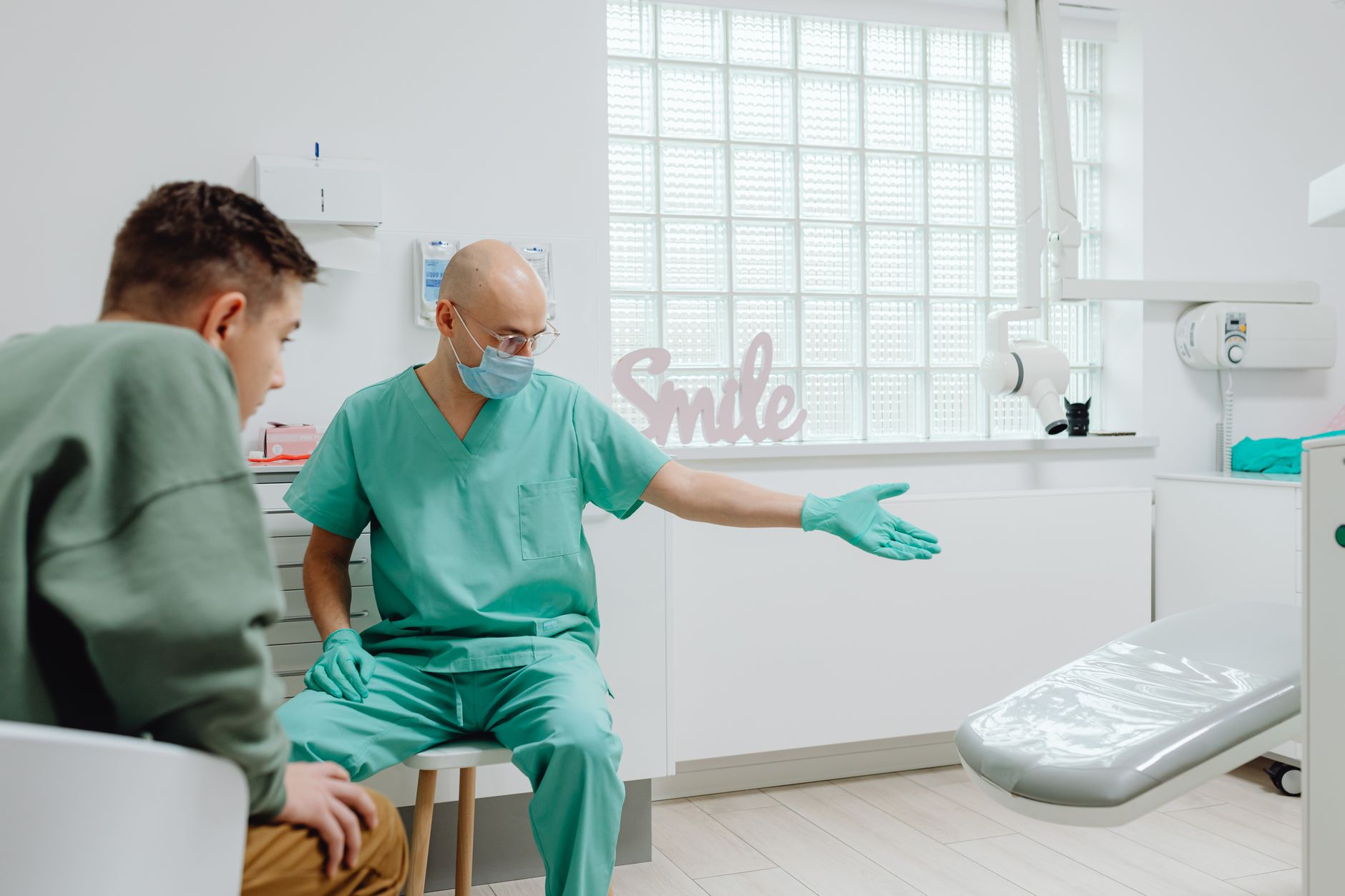
    Patients waiting in an NHS dental waiting room, illustrating the NHS dental access crisis
    Photo by https://kaboompics.com/ on Pexels

    Why NHS dental practices keep closing their books

    The contract system is the root of it. NHS dentists in England are paid through a Unit of Dental Activity (UDA) system introduced in 2006, which pays a fixed rate per course of treatment regardless of complexity. A dentist earns roughly the same UDA value for a straightforward check-up as for significantly more involved work. The British Dental Association has called this arrangement unworkable for years, and a growing number of dentists agree with their feet: they hand back NHS contracts and go entirely private, or they leave the profession in England altogether.

    Between 2021 and 2024, NHS England lost the equivalent of over 4,000 whole-time dentists from the NHS system. Some moved to private practice. Others emigrated. A number simply retired early. The ones who stayed are, in many cases, working under serious strain and carrying NHS patient lists so long that routine appointments stretch to twelve or eighteen months out.

    I spoke to a practice manager in a market town in the East Midlands who put it plainly: “We want to take NHS patients. But the contract pays us less than it costs us to treat them once you factor in materials, time and overheads. We had no choice.” She asked not to be named because her practice still holds a small NHS contract and she feared complaints.

    What patients are actually doing

    The stories are consistent across different parts of the country. People travelling thirty, forty, sometimes sixty miles to find a dentist still accepting NHS patients. People using dental charities set up for the homeless because they have no other option. People asking friends who work in healthcare to smuggle antibiotics for toothache because they cannot get seen. And, yes, people resorting to over-the-counter temporary filling kits from the chemist, holding broken teeth together until they can afford private treatment.

    The waiting list problem ripples into other parts of the NHS. A&E departments across the country report a rise in patients presenting with dental infections, abscesses and pain. These are conditions that, treated early by a dentist, cost a few hundred pounds. Left until they require hospital intervention, the cost to the system climbs considerably. The NHS’s own data shows dental-related A&E attendances remain stubbornly high.

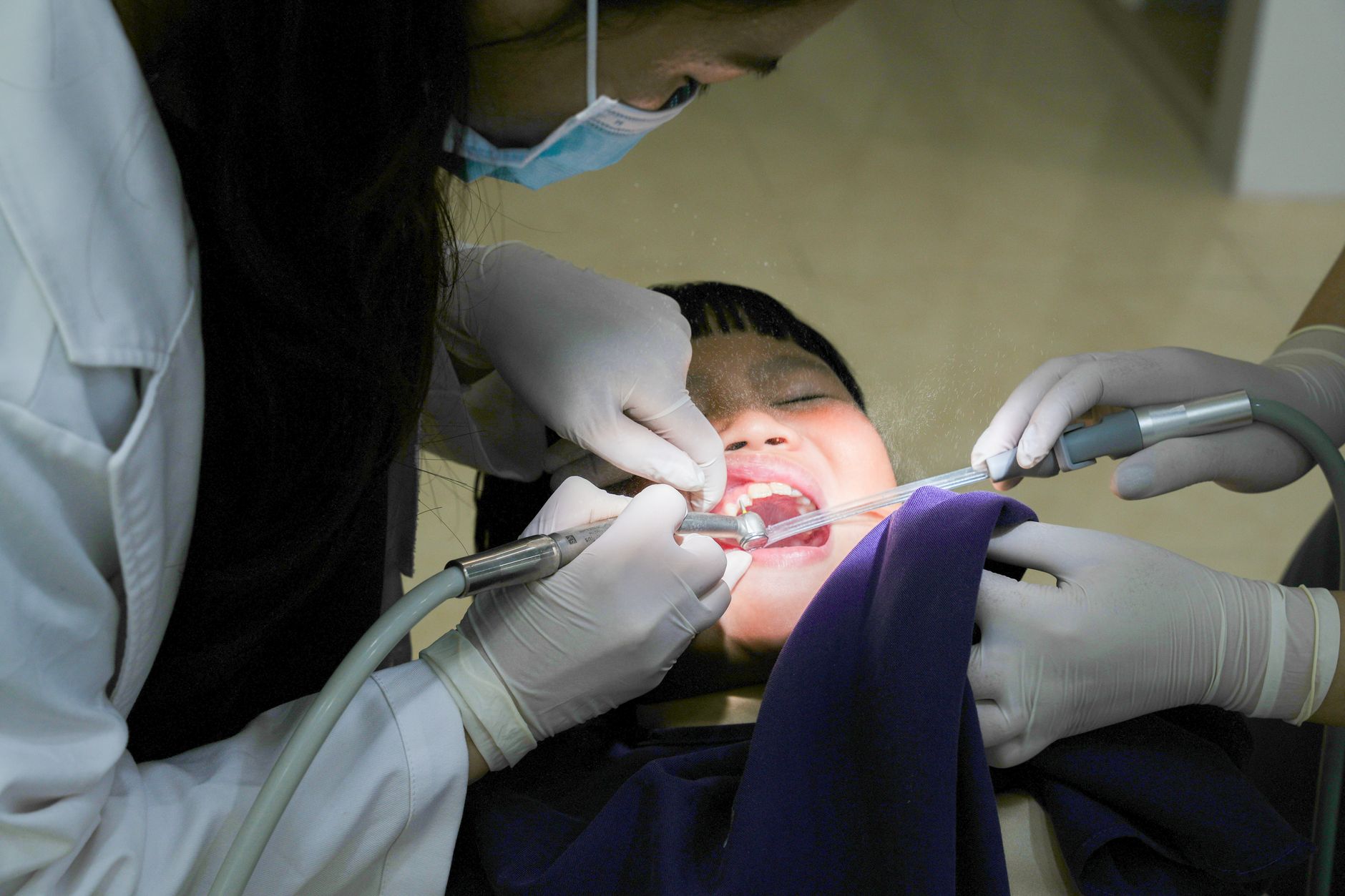
    Dentist examining a patient's teeth during an NHS dental appointment
    Photo by Ông Ngọc Dư on Pexels

    There is a particular cruelty in what happens to children. The NHS guarantees free dental treatment for under-18s, but only if you can find a dentist willing to take them. In some areas, parents are reporting two-year waits for a child’s first appointment. The British Dental Association estimates that tooth decay remains the single most common reason for hospital admissions among children aged five to nine in England. That statistic has not shifted despite years of public health campaigns.

    What NHS vs private dental treatment actually costs

    If you can find an NHS dentist and get an appointment, the cost is fixed under three charge bands in England. Band 1 covers a check-up, X-rays and a scale and polish: £26.80. Band 2 covers fillings, extractions and root canal treatment: £73.50. Band 3 covers crowns, dentures and bridges: £319.10. These charges apply per course of treatment, not per individual procedure, which is one of the few remaining advantages for patients who can access them.

    Private dentistry has no fixed pricing. A check-up alone at a private practice ranges from £50 to £120 depending on location and the practice’s positioning. A single filling can cost between £90 and £250. Root canal treatment, which is covered entirely within the £73.50 Band 2 NHS charge, often runs to £400 to £900 privately. A full set of dentures that would cost £319.10 under Band 3 can easily reach £1,500 to £3,000 with a private provider.

    Dental plans offered by private practices, typically priced at £10 to £25 per month, cover check-ups and routine hygiene appointments and reduce the cost of any additional work. They are not insurance; they do not cover emergencies or complex treatment at zero cost. But for people who have accepted they will not find an NHS place, they represent a manageable way to keep teeth healthy without a sudden large bill.

    Are there any NHS places left near you?

    The NHS’s Find a Dentist tool at nhs.uk allows you to search by postcode for practices accepting new NHS patients. In many urban areas, the results come back empty or show practices with waiting lists of over a year. In some rural areas, there are simply no results within a reasonable distance. The tool is worth checking regularly because practices do occasionally open their NHS lists when a dentist joins, though places fill within hours when they do.

    Some areas still have NHS dental urgent care centres, which can treat acute pain and infection but cannot provide ongoing care or routine treatment. These are not a substitute for a regular dentist; they are a last resort for people in genuine pain. You can find your nearest one through the 111 service.

    What needs to change

    The government has acknowledged the crisis. NHS England’s dental recovery plan, announced in early 2024, introduced “golden hello” payments of up to £20,000 to recruit dentists into underserved areas, and increased UDA values modestly. The British Dental Association’s response was sceptical, and the evidence so far suggests the measures have not reversed the decline in NHS capacity at any meaningful scale.

    I’ve covered enough local public service stories to know that when access to something as fundamental as dental care erodes, the effects spread. People miss work because of pain. Infections become serious. Confidence takes a hit. It links to the kind of community-wide health pressures you see reflected in GPs turning to social prescribing because the clinical system is already stretched. And the financial shock of unexpected private dental bills sits alongside the other pressures documented in our coverage of hidden household costs that quietly drain family budgets.

    In the meantime, local communities are finding workarounds. Dental charities. Mutual aid networks sharing information about which practices have NHS places. Some people I’ve spoken to in the East Midlands have used local taxi and transport services (websites like ace-abc.co.uk cover the area) specifically to make long-distance dental appointments manageable when they do not have a car. That anyone is planning a 50-mile round trip as part of getting a routine NHS check-up tells you everything about where we are.

    The situation is not improving fast enough. If you are struggling to find NHS dental access in your area, contact your local Healthwatch organisation, which can log your experience and pressure commissioners. It will not fix the problem immediately, but the data helps. And if you have a story about dental access in your town, the kind of community support structures people are leaning on deserve more attention, not less.

    Frequently Asked Questions

    How do I find an NHS dentist near me that is accepting new patients?

    Use the NHS Find a Dentist tool at nhs.uk and search by your postcode. In many areas availability is extremely limited, so check back regularly as NHS lists do occasionally open briefly when new dentists join a practice. You can also call 111 for urgent dental pain.

    What does NHS dental treatment cost in England in 2026?

    NHS treatment is charged in three bands: Band 1 (check-up, scale and polish) costs £26.80; Band 2 (fillings, extractions, root canal) costs £73.50; Band 3 (crowns, dentures, bridges) costs £319.10. These are per course of treatment, not per individual procedure. Treatment is free for under-18s, pregnant women and those on certain benefits.

    Why can't I get an NHS dentist even though I've been on the waiting list for over a year?

    NHS dentists are paid through a Unit of Dental Activity contract system that many dentists say does not cover the cost of treatment, leading large numbers to hand back NHS contracts or go fully private. This has reduced NHS capacity significantly across England, Wales and Scotland, meaning waiting lists in some areas stretch to 18 months or more.

    Is private dental care worth it if I can't get an NHS appointment?

    Private dental care costs considerably more but gives faster access and often a broader range of treatments. Many private practices offer monthly dental plans (around £10 to £25 per month) that cover check-ups and hygiene appointments and reduce costs for additional work. For those who can afford it, a plan is generally cheaper than paying per visit.

  • Empty Shops, Pop-Up Markets and Meanwhile Spaces: How UK Towns Are Filling Vacant Units Differently

    Empty Shops, Pop-Up Markets and Meanwhile Spaces: How UK Towns Are Filling Vacant Units Differently

    Walk through most UK town centres on a Tuesday morning and you will still see them: shuttered units, faded letting board signs, the ghost of a card shop or a charity bookshop that finally gave up. The high street vacancy rate across England sat at around 14% at the start of 2026, according to figures tracked by the British Retail Consortium. That is not new news. What is changing, though, is how some councils and community groups are responding, not by waiting for a permanent tenant who may never arrive, but by using meanwhile spaces and short-term licences to get something, anything, happening behind those dark windows. And frankly, it is working better than the nothing that came before it.

    Row of empty shops on a UK high street illustrating the need for meanwhile spaces in empty shops UK
    Photo by Doğan Alpaslan Demir on Pexels

    What is a meanwhile lease, and how does it actually work?

    A meanwhile lease is exactly what it sounds like: a short-term arrangement that lets a space be used in the meantime, whilst a landlord waits for a longer-term commercial tenant or a planning decision. Licences tend to run from a few weeks to around two years. They are typically rent-free or heavily subsidised, with the occupier covering utilities and basic maintenance instead. The landlord gets a warm body keeping an eye on the property and reducing security costs; the occupier gets premises they could not otherwise afford; the street gets activity.

    The model has been around since at least the early 2010s, when the charity Meanwhile Space CIC helped codify it after the 2008 financial crisis left huge numbers of units empty. But take-up has accelerated noticeably since the pandemic hollowed out retail further. Local authorities now have more levers too. Councils in England can use the High Street Rental Auction powers introduced through the Levelling-Up and Regeneration Act 2023, which came fully into force in late 2024 and gives them authority to compel landlords of long-term vacant units into rental auctions. That has put fresh pressure on commercial landlords to accept meanwhile arrangements proactively, rather than sit on empty stock indefinitely.

    Meanwhile spaces empty shops UK: schemes worth knowing about

    I have been looking at a handful of specific schemes that have made a genuine difference to how their town centres feel day to day.

    In Margate, the Thanet council-backed Creative Margate programme has placed artists’ studios and independent food traders in units on the high street that had been empty for three years or more. Some of those units are now attracting permanent tenants on the back of the footfall the pop-up activity generated. It is a neat bit of evidence that meanwhile use is not just a sticking plaster; it can actually reshape the commercial case for a street.

    Stockton-on-Tees Borough Council launched its own meanwhile scheme in 2023, offering subsidised short-term licences on a cluster of units near the town centre as part of a wider regeneration push. By early 2025 the scheme had supported 22 independent businesses and community groups, including a youth theatre, a local food pantry (the kind of community-led provision I have written about separately when looking at how community larders are changing food support in UK towns), and several market-style pop-up traders who went on to take permanent pitches.

    In Preston, the council worked with the BID (Business Improvement District) to introduce pop-up retail licences at peppercorn rates along Fishergate, with a clear process for local people to apply. Applications ran through a simple online form; successful occupiers got a three-month renewable licence. That transparency matters. Too many meanwhile schemes in other towns have felt opaque, with spaces going to people who already knew someone at the council.

    Who can apply for a meanwhile space?

    The honest answer is: more people than realise it. Councils, BIDs, landlords and property management companies all run different versions of these schemes, and the eligibility criteria vary considerably. Most are open to registered charities, community interest companies, social enterprises and sole traders alike. Some prioritise local residents over outside businesses. A few, like the scheme run by ATMA (A Town Called Home) in Walthamstow, specifically target groups who have been displaced from other premises by rising rents elsewhere in their area.

    The National Lottery Community Fund has also backed a number of meanwhile use projects under its place-based funding strands, which means community groups without any commercial experience can sometimes access the support they need to run a meanwhile space responsibly. If your local area has a Community Land Trust, that is often a good first port of call, they frequently know which units are available before anything goes on a public list.

    My reading of the best-performing schemes is that they succeed when three things line up: a landlord who has decided the reputational and security cost of emptiness outweighs the risk of a short-term occupier; a council or BID willing to act as a guarantor or facilitator; and a local group with a clear idea of what they want to do in the space. Remove any one of those, and you tend to get a planning meeting instead of an open door.

    What about the care and wellbeing angle?

    One thing that surprised me when I dug into these schemes was how many of them double up as community health provision. Several meanwhile spaces around the UK now host GP-referred activities as part of social prescribing programmes, things like art groups, cookery classes and peer support sessions that NHS practices are increasingly signposting patients towards. If you want to understand how that works at a clinical level, the piece I wrote on social prescribing and how GPs refer patients to community activities goes into some detail. The short version: meanwhile spaces and social prescribing are increasingly complementary, one provides the room, the other provides the referral.

    How residents can push for meanwhile spaces in their area

    If your town centre has a cluster of empty units that have been sitting empty for more than a year, there are practical steps you can take. First, identify who owns the units, Land Registry searches cost £3 per title register and are available through gov.uk. Second, contact your local BID if one exists; BIDs often have more flexibility and commercial relationships with landlords than the council does. Third, speak to your ward councillor specifically about the High Street Rental Auction powers, councils that have not yet used them may simply not be aware of the political pressure available to them.

    Community groups wanting to use a meanwhile space themselves should prepare a short proposal: what the space will be used for, who will benefit, how running costs will be covered, and what happens at the end of the licence period. Landlords and councils are more comfortable with short-term occupiers who have thought through their exit. It does not need to be a business plan; it needs to be honest about the idea.

    Empty shops are a problem that every town in the country is staring at. Meanwhile spaces and short-term licences are not a solution to the structural collapse of traditional retail, but they are a practical, low-cost way of making something good happen while the bigger questions are still being argued about in planning committees. That feels worth knowing.

  • Food Banks Are Changing: How UK Community Larders and Pantries Differ From Traditional Models

    Food Banks Are Changing: How UK Community Larders and Pantries Differ From Traditional Models

    The image of a food bank has, for most people, been a fixed one: a church hall, a queue, a referral slip from a GP or a council worker, and bags of tins going home with families who are, by any measure, in crisis. That model has done essential work for more than a decade. But it is quietly being joined, and in some places replaced, by something rather different. Across dozens of UK towns, community pantries and pay-as-you-feel larders have been opening their doors, and the distinction matters more than many people realise.

    Volunteer stocking shelves at a community pantry food bank UK scheme
    Photo by Soly Moses on Pexels

    I’ve spoken to volunteers running both types of service in recent months, and what strikes me most is how differently the two models feel to the people who use them. One is a safety net. The other is trying to be something closer to a neighbourhood institution.

    What a traditional food bank actually does

    The Trussell Trust, which runs the largest network of food banks in the UK, reported over 3.1 million food parcels distributed in 2024-25, a figure that has risen sharply year on year. The model is referral-based: you can’t simply walk in. You need a voucher, issued by a professional such as a GP, health visitor, school or social worker, confirming you’re in crisis. You then collect a standard parcel, usually three days’ worth of food, which the bank assembles from donated stock.

    That system exists for good reasons. It targets the most acute need and ensures resources aren’t exhausted by those who could manage without. But it also carries a weight. Many people describe delaying seeking help because of the stigma attached to accepting a food parcel, or because they don’t have a relationship with the kind of professional who issues vouchers. The referral model, however well-intentioned, is a gatekept system.

    How community pantries and pay-as-you-feel larders work differently

    A community pantry operates on a membership model. For a small weekly or monthly subscription, typically somewhere between £2.50 and £5, members can visit and choose items from a stocked larder, usually worth considerably more than they’ve paid. Many pantries supplement donated food with surplus stock sourced from supermarkets, wholesalers or food redistribution charities such as Fareshare. The choice element is significant. You pick what your family will actually eat, rather than unpacking a pre-packed parcel at home and finding you’ve been given six tins of mushy peas you have no use for.

    Pay-as-you-feel larders go a step further in removing price barriers entirely. Items are priced at whatever the visitor feels they can contribute. Some pay more than the nominal cost; some pay nothing. The model relies on enough goodwill in the room to keep things sustainable. Several of these larders, like Shrewsbury’s Real Food Store larder project and various schemes running through community centres in Leeds and Bristol, have found the system works because it removes the transaction of charity altogether. You’re not receiving a donation. You’re shopping.

    That distinction, shopping rather than receiving, turns out to be psychologically significant. Research by the Joseph Rowntree Foundation has consistently found that the indignity of seeking help is one of the biggest barriers to people accessing food support at all. A pantry membership feels like a practical community resource, not an admission of failure.

    Who can use a community pantry?

    This is where the models diverge most sharply from traditional food banks. Most community pantries in the UK do not require a referral. Some run means-tested membership, offering reduced or free subscriptions to those on Universal Credit or other benefits. Others operate with no eligibility criteria at all, open to any local resident who wants to join. The thinking behind this is deliberate: when a service is open to everyone, the stigma dissolves. A retired teacher on a modest pension and a family on benefits can both hold a membership, and neither needs to explain themselves.

    It’s worth noting that community pantries are not trying to compete with food banks or suggest the crisis model is unnecessary. They sit alongside it. Someone in acute crisis on a Wednesday afternoon still needs an emergency food bank parcel, not a pantry membership form. The two models address different points on the same spectrum of food insecurity.

    The relationship between food insecurity and wider community health is something GPs and social prescribers are increasingly aware of. If you’re interested in how local health services are connecting patients with practical community resources, our piece on social prescribing and how GPs are referring patients to community activities covers that growing area in detail.

    How to volunteer or donate at your local pantry

    If you want to get involved, the practical routes depend on the type of organisation. For community pantries, the most common need is volunteer time on collection days, help sorting donations, and people who can assist with logistics like van driving for food redistribution pickups. Many pantries are run by one or two paid staff, with the rest of the operation entirely voluntary.

    Donations of non-perishable food are always welcome, but the more useful contribution at many pantries is money. Cash lets the organisers fill gaps in stock with precision, buying the fresh produce and own-brand staples that donations rarely include. Some pantries also have agreements with local supermarkets for end-of-day surplus, and a volunteer willing to collect that produce at 7pm on a Tuesday is often worth more than a carrier bag of tinned goods.

    To find a pantry or community larder near you, the Pantry Network run by Fareshare lists registered schemes across England and Wales. Your local council’s community team, or the Citizens Advice bureau in your area, will often know of schemes that aren’t formally listed anywhere. It’s also worth asking in local Facebook groups or through your GP surgery, which may already be signposting patients to these resources, particularly where that surgery is part of a social prescribing scheme.

    What the shift tells us about how communities are coping

    The growth of community pantries isn’t just a story about food. It’s a story about how towns are quietly reorganising mutual support when statutory services are stretched. The same impulse that drives a community pantry also drives asset transfer campaigns, where residents take over local buildings before they’re lost, and neighbourhood watch schemes. There’s a thread connecting all of it.

    I’d also argue the pantry model is doing something the referral-based food bank never quite managed: it’s making food support feel like something a whole community participates in, not something that happens to the unlucky. That’s not a criticism of food banks, which remain critical for many families. It’s an observation about what becomes possible when the design of a service includes dignity as a requirement, not an afterthought.

    For those interested in how similar pressures are reshaping other local services, our report on what communities lose when a post office closes looks at a parallel story of infrastructure quietly disappearing from neighbourhoods that can least afford it. And if you’re following the broader picture of what’s left for people in your area, the piece on what happens when a local care home closes examines how councils handle another pressure point when funding runs dry.

    The community pantry movement isn’t a solution to food poverty. But it is a more honest and human way of responding to it than most of us expected to see on our local high streets.

    Frequently Asked Questions

    What is a community pantry and how is it different from a food bank?

    A community pantry is a membership-based scheme where residents pay a small weekly or monthly fee, typically £2.50 to £5, and choose food items from a stocked larder worth considerably more than they’ve paid. A food bank, by contrast, requires a referral from a professional and provides pre-packed emergency parcels to people in acute crisis.

    Do you need a referral to use a community pantry in the UK?

    Most community pantries in the UK do not require a referral. Some offer reduced or free memberships to people on Universal Credit or other benefits, but many are open to all local residents regardless of income. This is a deliberate design choice to reduce the stigma associated with accessing food support.

    How do pay-as-you-feel larders work?

    Pay-as-you-feel larders allow visitors to take food items and contribute whatever they feel able to pay, including nothing at all. The model relies on a mix of community goodwill and donated or surplus food to remain sustainable. Several are now running successfully in towns including Shrewsbury, Leeds and Bristol.

    How can I volunteer at a community pantry near me?

    Contact your local pantry directly or search the Fareshare Pantry Network, which lists registered schemes across England and Wales. Common volunteering roles include sorting donations, helping on collection days, and driving for food redistribution pickups. Many pantries are almost entirely volunteer-run.

    Is donating money or food more useful to a community pantry?

    Cash donations are often more useful than food, because they allow pantry organisers to fill specific gaps in stock, particularly fresh produce and staples that donations rarely cover. That said, non-perishable food and volunteering time to collect surplus stock from local supermarkets are also valuable contributions.

  • Social Prescribing in Your Area: How GPs Are Referring Patients to Community Activities Instead of Medication

    Social Prescribing in Your Area: How GPs Are Referring Patients to Community Activities Instead of Medication

    If your GP has recently suggested you join a walking group rather than hand you a prescription, you are not alone. Across England, Wales and Scotland, the social prescribing NHS UK model is being embedded into primary care at a pace that would have seemed unlikely even five years ago. Thousands of people are now being referred not to a pharmacist but to a community garden, a food bank, a choir, or a weekly conversation group in a local library. The idea is straightforward: a great deal of what makes people unwell has nothing to do with biology. Loneliness, poverty, boredom, grief. These are not conditions a statin can fix.

    Community walking group in a local park, typical of social prescribing NHS UK referrals
    Photo by Bráulio jardim on Pexels

    I have spoken to several link workers across different parts of the country in recent months, and the consistency of what they describe is striking. The paperwork differs. The postcodes differ. But the stories are almost identical: a patient in their sixties who has not left the house since their spouse died, or a young person in their twenties whose anxiety has calcified into total withdrawal. The referral pathway gets them in front of a link worker, and the link worker finds something, a pottery class, a litter-picking group, a gardening project, that gives them a reason to leave the front door.

    What social prescribing actually involves

    Social prescribing is not a single intervention. It is a framework that connects people with non-clinical support in their community through a named contact, usually called a social prescribing link worker, who sits within or alongside a GP practice. The link worker is not a doctor or a nurse. They are trained in active listening and knowledge of local services, and their job is to spend time with a patient that a ten-minute GP appointment simply cannot allow.

    NHS England formally committed to embedding link workers in every primary care network by 2024, and NHS England’s social prescribing programme reports that more than 2,500 link workers are now in post across England alone. Scotland has developed its own model through the Scottish Government’s community links worker programme, which has been operating in deprived areas of Glasgow since 2015. Wales embedded social prescribing into its primary care model through its Healthy and Active Fund and a network of third-sector coordinators.

    Referrals can come from a GP, a nurse practitioner, a pharmacist, or in some areas you can self-refer directly by contacting your primary care network. The conditions that trigger a referral are wide: long-term isolation, mild to moderate depression and anxiety, chronic pain management, new diagnoses where a patient needs practical community support, and debt or housing problems that are worsening physical health. This last point matters. A person who cannot afford to heat their home is not going to manage their arthritis well regardless of what they are prescribed, which is why the wider picture of community support and what happens when it erodes is relevant here.

    What link workers are actually doing on the ground

    Link workers are, in my experience of speaking to them, remarkably practical people. They carry mental maps of their patch: which community centres have drop-in sessions on a Tuesday, which allotment association takes new members in spring, which food bank also runs a warm-space café where people stay and talk. That last detail is important. Food banks in the social prescribing model are not simply emergency provisions; they are access points into a relationship. A person who comes in for a food parcel might, after a conversation with a link worker attached to that service, end up in a cookery class three weeks later.

    Arts-based activities have accumulated a reasonable evidence base. Music groups, drawing classes and community theatre projects have all been associated with reduced GP appointment rates in evaluations carried out by the National Academy for Social Prescribing. Walking groups remain among the most commonly used referral destinations, partly because they are cheap to run, widely available, and have documented benefits for mild depression and cardiovascular health. The NHS has pointed to its walking for health guidance as underpinning many of these referrals.

    Not every referral sticks first time. Link workers are clear about this. A patient might be offered three different activities before one lands. That is not a failure of the model. It is the model working as intended, because it treats the person as someone with preferences rather than a passive recipient of a protocol. There is something genuinely different about a healthcare interaction that begins with the question “what matters to you?” rather than “what is the matter with you?”, as the NHS framing puts it.

    The places and projects being used as health interventions near you

    The range of what counts as a social prescription is broader than most people expect. Community kitchens, men’s sheds, local museums running reminiscence sessions for people with early dementia, debt advice services, refugee welcome groups, swimming clubs, photography projects in libraries. In some areas, allotment spaces have been formally partnered with primary care networks so that a link worker can make a direct booking.

    The geography matters too. Urban areas tend to have more options but more fragmentation; a link worker in inner-city Manchester or Leeds is navigating a dense network of third-sector organisations that may or may not have capacity. Rural areas have the opposite problem: the options exist in principle but the distances are real, and transport is a barrier that link workers spend a significant amount of time trying to solve. This is not unlike the challenges that communities face when key local services disappear from villages altogether, leaving residents with fewer anchor points for daily life.

    In Wales, projects funded through the Integrated Care Fund have brought together housing associations, third-sector groups and NHS clusters to create referral pathways that stretch well beyond what any single GP practice could manage alone. The model in Scotland, particularly in Inverclyde and North Glasgow, has been studied extensively and the data consistently shows reduced emergency admissions and fewer repeat GP appointments among those who engage with the programme.

    How to access a social prescribing referral

    The most direct route is through your GP practice. Ask specifically whether your practice has a social prescribing link worker attached to it, or whether your primary care network does. If your GP is not familiar with the term, ask about community referral or wellbeing support. In many practices the receptionist or a healthcare navigator can direct you without requiring a GP appointment at all.

    Self-referral is available in a growing number of areas. Local councils, charities and NHS trusts have begun publishing their own social prescribing directories online. Searching for your town or borough alongside “social prescribing referral” or “link worker” should surface something. If your council’s community team is active, they may also have a direct phone line. The local council remains a useful first port of call for many non-clinical community needs, and social prescribing is no exception.

    There is no charge to the patient. Funding comes through integrated care boards in England and through devolved health budgets in Wales and Scotland. The link worker appointment itself is free. The activities you are referred to may occasionally have small costs, though most are subsidised or free. If cost is a barrier, tell the link worker. That is part of what the conversation is for.

    Social prescribing is not a magic solution and no honest advocate of the model would claim otherwise. It will not treat a serious mental illness or manage a complex chronic condition on its own. What it does do is address the layer of a person’s life that sits underneath the clinical problem, and that layer is, more often than not, where the real difficulty lives.

    Frequently Asked Questions

    What is social prescribing on the NHS?

    Social prescribing is a model where GPs and other healthcare professionals refer patients to non-clinical community support such as walking groups, arts projects, food banks and wellbeing activities. A trained link worker helps match the patient to suitable local services based on what matters to them personally, not just their diagnosis.

    How do I get a social prescribing referral from my GP?

    Ask your GP practice whether they have a social prescribing link worker or whether your primary care network does. In many areas you can also self-refer by contacting your local link worker service directly or through your council’s community team. No formal GP appointment is always required.

    Is social prescribing available across the whole of the UK?

    England, Wales and Scotland all have social prescribing programmes, though they operate under different names and structures. NHS England has link workers embedded in primary care networks; Scotland runs community links worker programmes particularly in deprived areas; Wales funds the model through its integrated care and third-sector partnerships.

    What kinds of activities are used in social prescribing?

    Common referral destinations include walking groups, allotments, community gardens, arts and crafts classes, men’s sheds, music groups, debt advice services, food banks with associated social activities, and reminiscence sessions for people with early dementia. The range varies by area depending on what community organisations are available locally.

  • Ukrainian and Other Refugee Communities in UK Towns: How Local Integration Is Really Going Two Years On

    Ukrainian and Other Refugee Communities in UK Towns: How Local Integration Is Really Going Two Years On

    When the first Ukrainian families arrived in the UK in spring 2022, there was a wave of goodwill unlike anything most local councils had organised in a generation. Spare rooms were offered, school places found, food parcels assembled. Four years on, with the war grinding on and no clear end in sight, the picture in towns and cities across England, Wales and Scotland is considerably more complicated. The Homes for Ukraine local community 2026 reality is one of genuine success stories sitting alongside real strain, and it deserves an honest look.

    I’ve spoken to hosts, council housing officers and teachers in areas ranging from rural Lincolnshire to suburban Greater Manchester over the past few months. What I found was not the tidy narrative that press releases tend to prefer.

    Volunteers welcoming refugee families as part of Homes for Ukraine local community 2026 efforts
    Photo by RDNE Stock project on Pexels

    What the numbers actually tell us

    According to government statistics published by the Home Office, more than 160,000 Ukrainians arrived in the UK under the Homes for Ukraine scheme since its launch in March 2022. A further cohort came through the Ukraine Family Scheme. By early 2026, a significant proportion of those people remain in the UK. Some have moved into private rented accommodation. Others are still with their original host family. A smaller but growing number have found themselves effectively homeless after hosting arrangements broke down, placing new pressure on local authority housing lists.

    The government’s headline figures focus on visa approvals and arrivals. Councils, as usual, are left managing the nuance beneath those numbers.

    How host families have found the experience

    Sandra Holbrook, a retired teacher in Shrewsbury who hosted a mother and two children from Kharkiv for eighteen months, told me her experience was broadly positive but not without difficulty. “The language barrier was bigger than I expected in those first weeks,” she said. “We used Google Translate for almost everything. The children picked up English incredibly quickly at school, which actually helped, because they’d translate for their mum at home.”

    Her guests eventually moved to a housing association flat in Telford when one became available, a transition Sandra describes as bittersweet. “I was glad they had their own space, but the waiting was hard. They were registered with the council from month three, and it still took nearly a year.”

    That experience is typical. Housing has consistently been the pressure point. When the Homes for Ukraine scheme launched, the government’s £350 per month “thank you” payment to hosts was widely praised. By 2024 it had been raised to £500, and from April 2026 hosts receive £600 per month for the first year of hosting. Yet many hosts say the financial support was never the real issue. The problem is what happens after twelve months, when both the guest and the host face a cliff edge: private rented accommodation in most UK towns is either unavailable at a price a Ukrainian family on a starter wage can afford, or gatekept by referencing requirements that newcomers simply cannot meet.

    What schools have learnt

    Head teachers have arguably been on the front line of this more than any other professional group. Rachel Osei, deputy head at a primary school in Coventry, described a learning curve that ran in both directions. “We had five Ukrainian children join us in the same term in 2022. We had no Ukrainian-speaking staff, no translated materials, nothing. We figured it out, but only because the parents were so determined and because the other children were genuinely kind.”

    By 2026, many schools with significant Ukrainian cohorts have developed real expertise. Several local authorities have employed specialist English as an Additional Language (EAL) coordinators with Ukrainian language skills. Birmingham, Leeds and Bristol have all reported increases in EAL budgets, though school leaders are quick to point out that dedicated funding from central government for EAL support has not kept pace with demand.

    Children who arrived aged five or six in 2022 are now approaching secondary school age, and their English is, by most accounts, fluent. Their parents’ English, however, remains more variable. Language support for adults has been patchier and less consistent than anything provided through schools, relying heavily on volunteer-run community classes and charity provision.

    Employment: the gap between potential and opportunity

    A recurring theme in conversations with refugee families is the mismatch between their professional backgrounds and the work they have been able to find in the UK. Ukrainians who arrived under the scheme came with full rights to work, which placed them ahead of asylum seekers under other schemes in practical terms. Even so, credential recognition has proved a stubborn barrier.

    Olena, a dentist from Kyiv now living in Nottingham, spent her first two years in the UK working in a supermarket warehouse. She has since passed the Overseas Registration Examination required by the General Dental Council and is now in clinical practice. “It took two years and a lot of money,” she told me. “But I knew that was the path. Many of my friends who are doctors or engineers have not found it so clear.”

    The Chartered Institute of Personnel and Development noted in its 2025 annual survey that employers in sectors including healthcare, construction and engineering still struggle to navigate the overseas qualification recognition process efficiently, and that local job centres vary considerably in the support they can offer new arrivals navigating the system.

    The wider resettlement picture

    Ukraine has dominated the public conversation, but the UK has also received resettled families from Afghanistan through the Afghan Citizens Resettlement Scheme and from other conflict zones via the UK Resettlement Scheme. Each group faces distinct challenges. Afghan families, for instance, often have no right to work for a period after arrival and face the full weight of the asylum process. The Homes for Ukraine scheme’s relative speed and generosity has highlighted, by contrast, how differently the system treats people depending on where they come from.

    Local councils, which have no say in how many people are allocated to their area under national resettlement schemes, frequently describe feeling under-resourced. As I’ve covered previously on this site, the strain that falls on local services when national policy changes without matching local funding is a familiar pattern, whether it involves care home closures or the sudden loss of a community anchor. Refugee resettlement is the same story told again.

    What local communities have genuinely learned

    There is, despite everything, a great deal that has gone right. Community organisations have strengthened. Volunteer networks that formed in 2022 are still active in 2026, having adapted into longer-term befriending and integration support. Some Ukrainian families have become community volunteers themselves, supporting newer arrivals from other countries.

    Towns like Wolverhampton, Leicester and Cardiff, with existing experience of supporting migrant communities, adapted faster. They had existing EAL infrastructure, community liaison officers and third-sector relationships to draw on. Smaller market towns and rural areas, where Homes for Ukraine placed families with willing hosts who had little institutional backing, had a steeper climb.

    There are also harder questions that local communities are beginning to ask aloud. What happens if and when the war ends? Will families return? Many have children now firmly settled in UK schools, friendships built, routines established. The answer, for a significant number, is that the UK has become home. Planning for that reality, rather than treating it as temporary, is a conversation local councils are increasingly having to have.

    The complexity of how housing pressures interact with community relations is something I’d encourage anyone following this closely to track alongside related local issues. The same councils managing resettlement are also dealing with anti-social behaviour complaints in pressured housing estates and the long tail of decisions made at national level that land, as they always do, on local shoulders. And for a sense of what communities lose when local services are stretched past breaking point, the account of what happens when a post office closes is a useful reminder of how quickly the social fabric can fray.

    Four years in, the honest assessment is this: the Homes for Ukraine scheme worked better than the cynics predicted and harder than the optimists hoped. What local communities have learnt, above everything else, is that goodwill alone does not sustain integration. It needs housing, language support, employment pathways, and councils with the resources to back them.

    Frequently Asked Questions

    How does the Homes for Ukraine scheme work in 2026?

    The Homes for Ukraine scheme allows UK residents to sponsor a Ukrainian national by providing accommodation for a minimum of six months. Hosts receive a monthly payment from the government (£600 per month as of April 2026 for the first year) as a thank-you contribution. Guests receive visas with full rights to work and access public services.

    What support do Ukrainian families get from local councils?

    Local councils are responsible for welcoming checks, school enrolment support, and signposting to housing, employment and language services. The level of practical support varies significantly between councils; some have dedicated resettlement teams while others rely on third-sector organisations to fill the gaps.

    What happens when a Homes for Ukraine hosting arrangement breaks down?

    If a hosting arrangement ends, the local council is responsible for supporting the guest to find alternative accommodation. In practice this often means joining the general social housing waiting list, which can be lengthy. Some councils have emergency accommodation, but availability is not guaranteed and depends heavily on local housing stock.

  • The Hidden Cost of School Uniform Rules: What UK Parents Are Actually Spending in 2026

    The Hidden Cost of School Uniform Rules: What UK Parents Are Actually Spending in 2026

    Every August, the same conversation happens in kitchens across the country. Parents sit down with a school-issued kit list, start adding things up, and quietly panic. School uniform costs in the UK have climbed steadily over the past few years, and in 2026 the pressure is as sharp as ever. A new blazer here, a branded PE kit there, a pair of approved shoes that can only be bought from one shop in town. It adds up faster than most families expect.

    I’ve spoken to several parents in recent months who described the back-to-school shop as one of the most stressful financial moments of the year, not Christmas, not the summer holiday, but buying a school jumper with a logo on it. That says a great deal about where things stand.

    Parent and child browsing school uniforms in a shop, illustrating rising school uniform costs UK
    Photo by Green odette on Pexels

    What are families actually paying for school uniforms?

    The figures are stark. Research published by the Department for Education found that the average cost of a secondary school uniform in England is around £442 per year, once you factor in PE kit, shoes, bags and branded items. For primary school children the figure is lower but still significant, typically between £100 and £200 depending on the school’s requirements.

    The problem is not the concept of a uniform itself. Most parents I’ve spoken to are broadly in favour of a shared dress code. The issue is the extent to which some schools have made branded, single-supplier items the core of their kit lists. When a school requires a specific embroidered blazer that can only be purchased from one designated supplier at £65, that is not just a style preference, it is a cost imposition on families who have no alternative.

    The government’s statutory guidance and what it actually requires

    Schools in England are now bound by statutory guidance introduced in 2021 and strengthened since. The rules require schools to keep uniform costs reasonable, limit the number of branded items they can insist upon, and ensure uniform is available from more than one retailer where possible. Headteachers must also give at least half a term’s notice before any changes to uniform policy.

    In practice, compliance is patchy. Some schools have genuinely responded, reducing their branded requirements and pointing families towards supermarket alternatives for generic items. Others have done the bare minimum, tweaking their supplier arrangements on paper whilst still funnelling families towards expensive kit. If you feel your child’s school is pushing the limits of what that guidance actually permits, it is worth reading the guidance directly and, if necessary, raising a formal complaint with the governing body. The legal resource LawMate is one place parents have turned to understand their rights in situations where school policies feel more like mandates than guidelines.

    Second-hand school uniform sale in a community hall, part of efforts to reduce school uniform costs UK
    Photo by Caleb Oquendo on Pexels

    Second-hand uniform schemes: the PTAs quietly doing vital work

    Across the country, Parent Teacher Associations have stepped into the gap. Second-hand uniform schemes, often run from school halls, community centres or church rooms on Saturday mornings, have become a genuine lifeline for many families. You hand over a few pounds, sometimes nothing at all, and walk away with a blazer in decent condition that would have cost four times that from the official supplier.

    In some areas these schemes have become remarkably well organised. I’ve heard of PTAs in Lincolnshire and parts of Greater Manchester that now operate year-round collections and sales, with online booking systems and size-specific inventory. The key is getting in early. Uniform swaps and sales tend to happen in July and early September, and the good sizes go quickly.

    If your school does not have a second-hand scheme, it is worth raising it at the next PTA meeting. Many schools are quietly supportive once someone puts their hand up to run it. Some councils have also started funding uniform exchange projects as part of wider cost-of-living support, so it is worth checking what your local authority offers.

    Where to find affordable school uniform near you

    For non-branded items, supermarkets remain the most competitive option. Asda’s George, Tesco’s F&F and Marks and Spencer’s school range all produce plain trousers, skirts, shirts and jumpers at prices that have held reasonably steady. A full set of basics from a supermarket can cost under £25 for a primary school child.

    For branded items, the picture is harder. eBay and Facebook Marketplace are worth a search with your school’s name included. Charity shops near secondary schools often receive good-quality donations in late July and early August, worth a browse in the weeks before term. Some specialist school uniform retailers, particularly those with local shop presence, now offer end-of-season discounts on previous-year stock.

    The cost-of-living pressure on families is a theme running through a lot of local issues right now. Schools asking families to spend significant sums on compulsory clothing sits alongside other hidden community costs, not unlike the unexpected charges that flat owners face with service charges and ground rent in leasehold properties. In both cases, the costs feel non-negotiable even when the legal position is more nuanced than it appears.

    What parents can do if costs feel unmanageable

    Schools in England are required to have a uniform policy that takes affordability into account. If you cannot afford specific branded items, contact the school directly and ask whether any hardship fund or support scheme exists. Many schools have discretionary budgets for exactly this purpose that are never publicly advertised.

    Local councils sometimes operate clothing grants or emergency support funds for families on low incomes. The Healthy Start scheme and Free School Meals eligibility can in some areas unlock additional support. It is always worth asking the school office or your council’s family support team what is available.

    There is also a broader point to make about the culture around these policies. Schools set uniform requirements, but governing bodies approve them. If a policy feels unreasonable, parents have a legitimate voice through the governing body, which must include at least one elected parent governor. Raising concerns at that level carries more weight than a letter to the head. The community pressure that has changed how councils handle local nuisance complaints or shifted attitudes on pavement parking shows what persistent local voices can achieve when they engage the right decision-makers.

    School uniform costs in the UK are not going to solve themselves. But between second-hand schemes, statutory guidance, and a bit of forward planning, families do have more options than the kit list makes it look. The important thing is knowing where to look, and knowing when the rules are on your side.