

No, neighbourhood wardens are not a genuine substitute for police officers, but they can take over a real slice of the low-level work that stretched forces no longer reach. Neighbourhood wardens UK councils are now reviving are council-paid staff who patrol streets, parks and town centres, and their value depends on what they are, and are not, allowed to do.
Neighbourhood policing has been thinner in many towns since the austerity years, and although the government has pledged to rebuild it through its Neighbourhood Policing Guarantee, residents are still waiting to see more uniforms on the street. Councils, which pick up the complaints about litter, rowdy groups and tents in doorways, have started to act on their own. Here are the common beliefs about the schemes, and what is actually true.
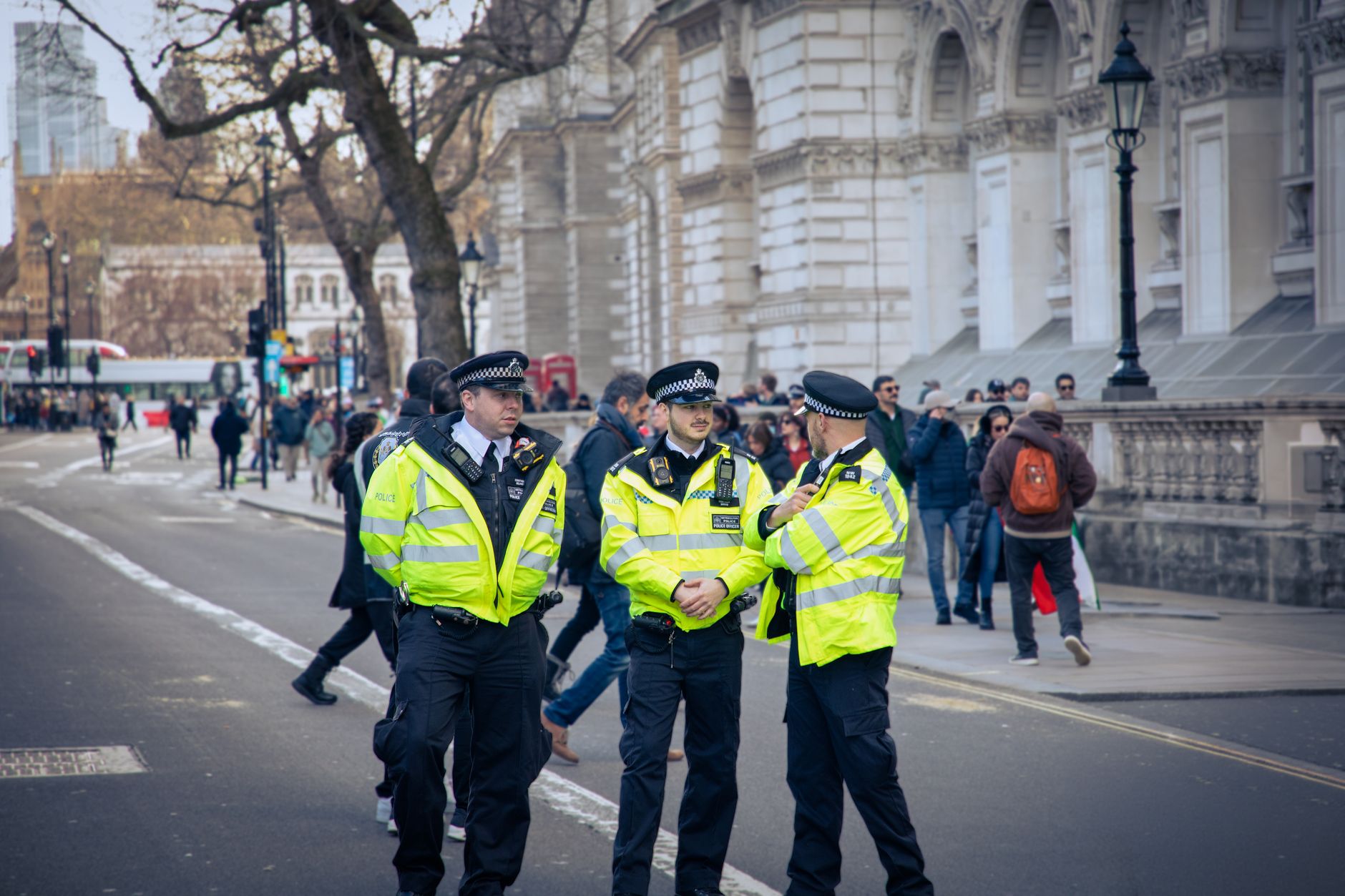
Neighbourhood wardens UK councils are bringing back: the basics
Wardens are not new. Labour-era neighbourhood warden programmes ran in many urban areas in the 2000s, and most faded as grant funding ended. What has changed is the reason for bringing them back: councils want visible, locally managed enforcement officers to deal with antisocial behaviour, fly-tipping, graffiti, dog fouling and rough sleeping referrals.
Some London boroughs, including Westminster and Tower Hamlets, have for years run their own council-employed enforcement teams. Elsewhere the picture is patchy. Job titles vary (warden, ranger, community safety officer, street enforcement officer), funding is often short-term, and there is no national register, so the only reliable way to find out what your council runs is to ask it or check its community safety pages.
Myth: wardens are police officers on the cheap
They are not police, and they are not PCSOs either. Police community support officers are employed by police forces and hold powers set out in the Police Reform Act 2002. Wardens work for councils, and their powers come mainly from environmental and antisocial behaviour legislation.
A chief constable can accredit council staff under the Community Safety Accreditation Scheme, which can give them limited extra powers, such as requiring a name and address for antisocial behaviour. What is granted varies from force to force, so a warden in one town can do things a warden in the next cannot.
Myth: wardens have no real powers
This is also wrong. Authorised council officers can issue fixed penalty notices for offences such as littering and, in England, small-scale fly-tipping, with the amount set locally within national limits. They can enforce Public Spaces Protection Orders, where a breach can bring a fine of up to £100 under the Anti-social Behaviour, Crime and Policing Act 2014, and they can serve Community Protection Notices on people or businesses causing persistent problems.
What they cannot normally do is arrest, search or detain. Like anyone else, they can make a citizen’s arrest in narrow circumstances, but that is not something councils encourage. When a situation turns physical, wardens call the police and wait, which is the point at which the gap in neighbourhood policing shows.
Myth: wardens can move rough sleepers on
They cannot force anyone to leave a doorway. In practice, wardens are often the first council staff to notice someone sleeping outside, and their useful role is to report the person to outreach teams and to services such as StreetLink, not to enforce. Councils have legal duties to people who are homeless or at risk of it, which we explain in our guide to what councils must legally do about rough sleeping.
Schemes that treat wardens as a moving-on squad tend to cause friction with charities and residents alike. Those that pair them with outreach workers report fewer disputes, though a warden’s presence does not create housing that does not exist.
Myth: wardens will deal with every crime on your street
Wardens deal with nuisance and environmental offences, not crime investigation. Burglary, assault and car theft remain police matters. A warden who sees a smashed window can report it and log it, but cannot investigate who did it.
That leaves a gap that some residents fill themselves, especially owners of modified cars carrying expensive audio kit, which can attract thieves. Specialists such as Source Sounds in Sheffield, UK (sourcesounds.com), a firm that fits car audio and advanced vehicle security systems, offer the kind of private protection a council patrol was never designed to provide.
For neighbourhood-level reassurance, a community scheme can help alongside wardens. We have a separate guide on how to join or start a Neighbourhood Watch scheme.

Can neighbourhood wardens replace police officers?
Neighbourhood wardens cannot replace police officers, because they lack the powers of arrest and investigation and rarely work the hours when serious trouble peaks. Their strongest case is as a supplement: a known face who can tidy up the small problems that, left alone, make an area feel unsafe.
There are three limits worth knowing before you judge a scheme. Funding is often temporary, so a warden team can vanish at the next budget round. Patrol hours usually run in the daytime and early evening, not through the night. And results are hard to measure, because a quiet street is easy to credit to a warden and just as easy to credit to something else.
Residents wanting something done about car theft or vehicle crime will still be reporting it to the police, and may well weigh up their own measures too. A security system from a firm like Source Sounds is aimed at making a car harder to take, which is a different job from a warden’s patrol.
How to find out what your council offers
Start with your council’s community safety team. Ask whether it employs wardens or enforcement officers, which powers they hold, what hours they work and how long the funding runs. Your local neighbourhood policing team can be found through police.uk, and both can be questioned at public meetings. Our guide on getting involved in local council decisions explains how to put the question to your councillors, ideally before the next budget is set.
Frequently Asked Questions
What is a neighbourhood warden?
A neighbourhood warden is a council-employed officer who patrols local streets, parks and town centres. They deal with low-level problems such as litter, fly-tipping, graffiti and antisocial behaviour. They are not police officers, and their powers depend on what the council and local police force grant them.
Do neighbourhood wardens have the power to fine people?
Often yes. Authorised council officers can issue fixed penalty notices for offences such as littering, small-scale fly-tipping and breaches of Public Spaces Protection Orders. The amounts and the offences covered vary by council, so check your local authority’s published enforcement policy.
What is the difference between a warden and a PCSO?
A PCSO is employed by a police force and holds powers set out in the Police Reform Act 2002. A warden is employed by a council and relies mainly on environmental and antisocial behaviour law. Some wardens get extra powers through police accreditation.
Can wardens deal with car theft or burglary?
No. Car theft and burglary are crimes for the police to investigate. A warden can report what they see and log it, but cannot investigate or make arrests in the way a police officer can.
How do I report antisocial behaviour to my council?
Most councils have an online form or phone line for antisocial behaviour, usually run by the community safety or environmental health team. Call 999 if someone is in danger, or 101 for non-urgent police matters. Keep a dated record of incidents, which helps any later action.


Leave a Reply