

Independent record shops in the UK are doing something most high street businesses cannot: giving people a reason to turn up in person. The vinyl revival has changed who walks into town on a Saturday, and the towns that still have a good shop are better off for it. My argument is simple. A record shop is not nostalgia retail. It is one of the more reliable small anchors a high street has.
The trade body Entertainment Retailers Association has reported vinyl album sales rising year after year across the UK, with the format now a mainstay of the album market. The British Phonographic Industry publishes the annual figures, and the direction of travel is not in dispute, even if the precise totals shift each January.
Why are independent record shops growing when other shops close?
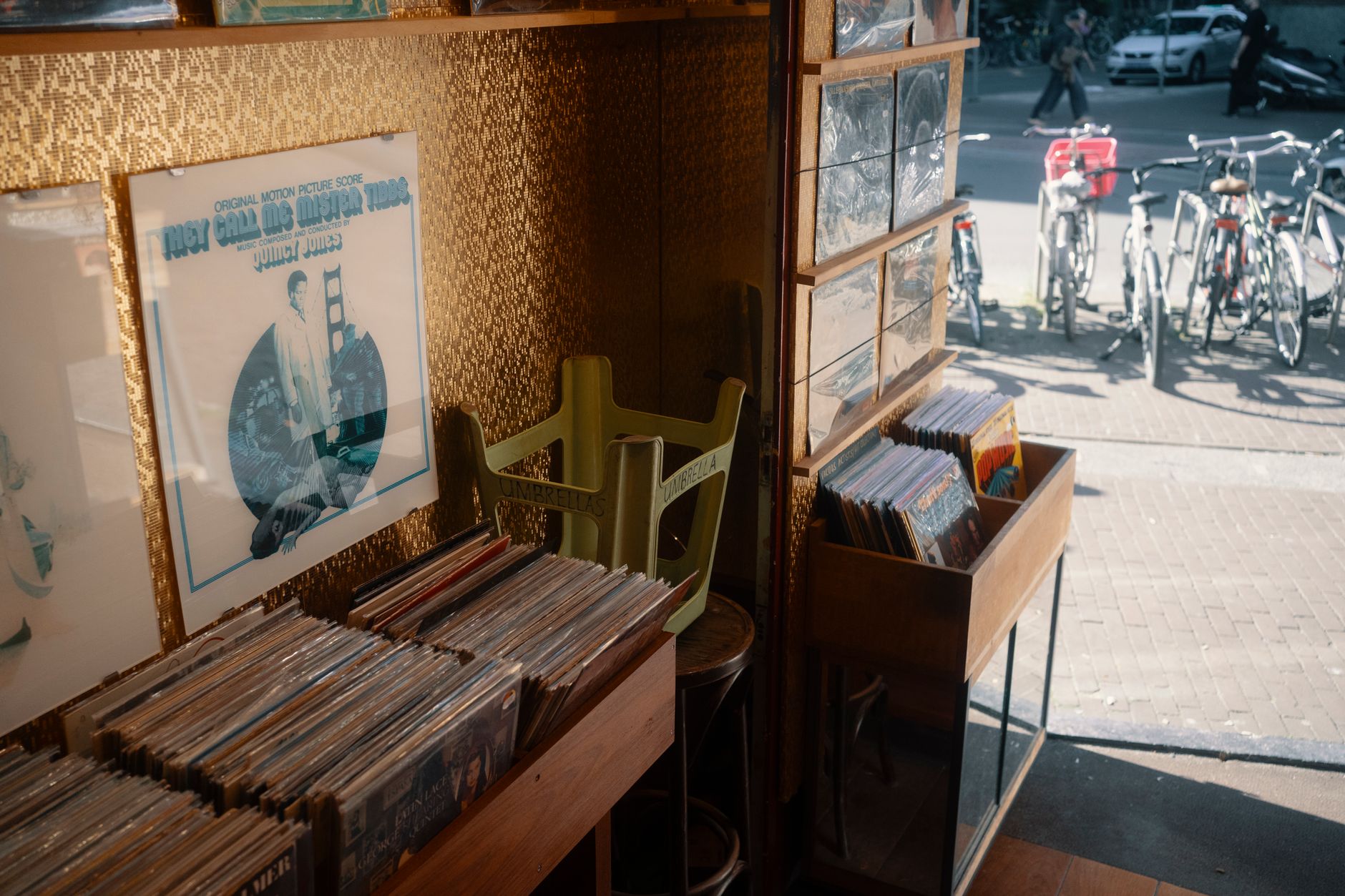
Independent record shops are growing because they sell something a website cannot: browsing, advice and a place to be. A buyer can stream any album in seconds. What they cannot do online is flick through racks, hear a staff pick played over the speakers, or talk to someone who knows the back catalogue of a local band.
Then there is the object itself. A pressed record has artwork, weight and a ritual attached. People buy it because they want to own it, and they tend to buy it from a person, not a parcel locker. That is a sturdier model than discounting, which is where many chains came unstuck.
What do record shops do for a town centre?
A record shop gives a town centre footfall, jobs and a calendar. Most small shops employ a handful of staff, often young people and often people who would otherwise have no obvious local route into retail or music work. Many also run in-store gigs, signings and Record Store Day queues that start before opening time and spill onto the pavement.
Those queues matter commercially. Someone who arrives for a limited pressing at 8am will often buy a coffee next door, browse the charity shop and walk back past the bakery. Say a shop sits on a quiet side street: its regulars become the reason the neighbours’ tills ring. Our piece on why local shops need your support makes the wider case, and record shops are a strong example of it.
They also fill space. Towns struggling with boarded-up units have found that a busy music shop on a corner changes how a street feels, which is hard to put in a vacancy statistic. If you want to see how your own town is faring, our guide to reading high street vacancy data is a good starting point.
Is the vinyl boom just a fad?
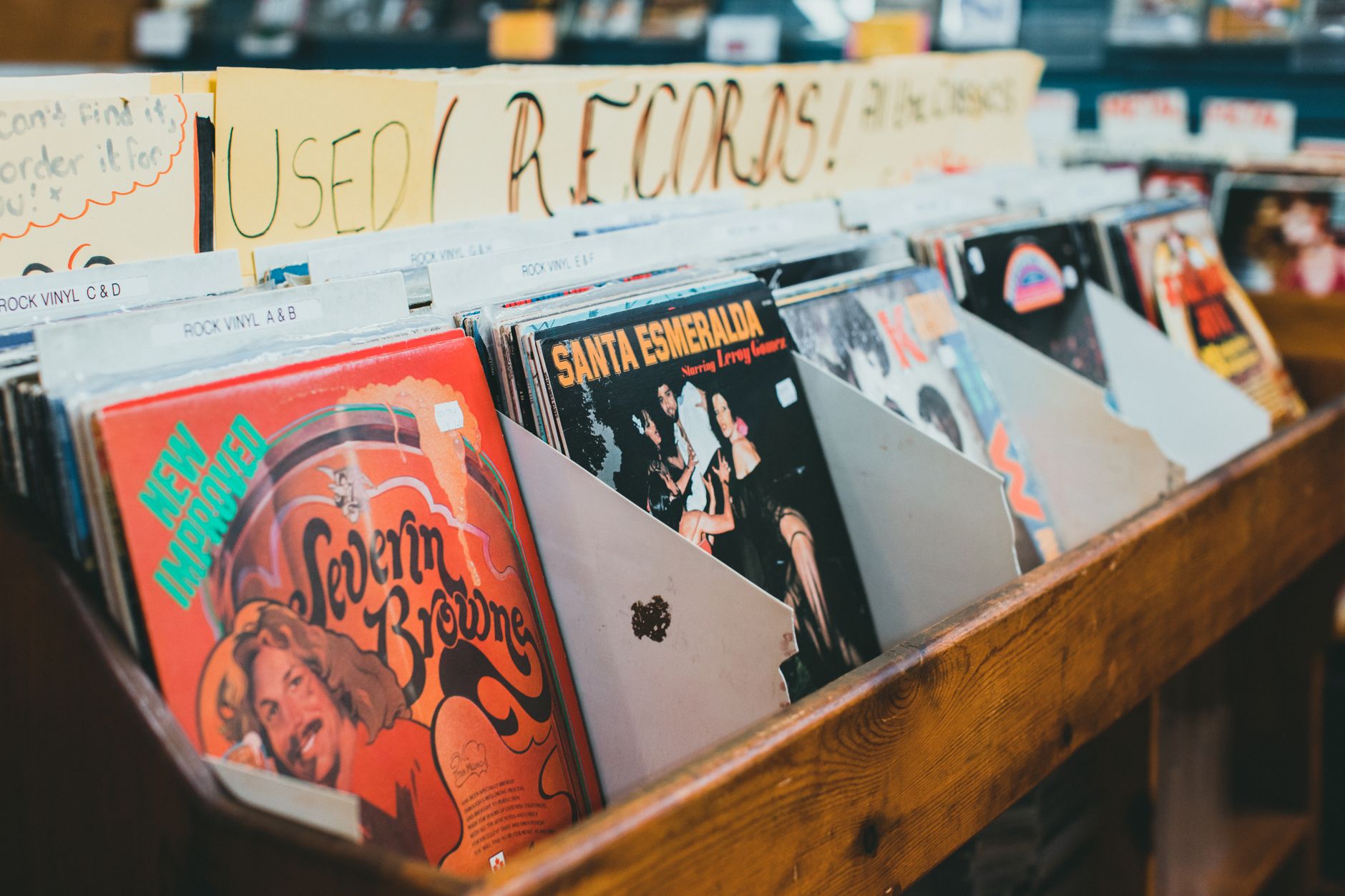
The obvious objection is that vinyl is a fashion and fashions end. It is a fair worry. Prices have climbed, and a new album on vinyl now costs far more than most people spent on a CD. Some buyers are collecting for display and never play what they buy.
But the evidence points to a habit, not a flash. Shops report customers across age groups, and the format has outlasted several predicted peaks. A fad does not usually survive a decade of price rises. I would still caution against assuming growth is guaranteed. Shops are small, margins are thin, and a good year can hide a fragile one.
What is holding record shops back?
The biggest pressure now is supply. Demand for pressing has outrun the number of plants, and delays to new releases hit shops directly: a record that arrives weeks late means a missed launch week and customers who may order elsewhere. Rock Click has set out how pressing backlogs are pushing back rock releases in 2026, and it is worth reading if you want to understand why a favourite band’s album keeps slipping on the schedule.
Fans feel it as frustration. Retailers feel it as cash tied up in pre-orders and stock that does not show up. Metal listeners have been dealing with the same squeeze, as this look at how UK metal fans are handling delayed pressings explains.
Rents and business rates are the other drag. A shop that draws a crowd still has to pay for a unit, and councils and landlords rarely reward the businesses that make a street worth visiting. That deserves more attention than it gets.
How can you support your local record shop?
Buy there, and buy there first. Pre-order through the shop rather than a marketplace, turn up to in-store events, and use its second-hand racks, where margins are healthier. If a release is delayed, ask the staff for a date and be patient: they usually know no more than you do, and they are as annoyed as you are.
Councils can help too, through business rate relief where it applies and by treating music venues and shops as part of a town’s cultural offer. Check your local authority’s website for what is available. The Rock Click and Metal Chaos pieces above are a good place to start for anyone who wants to understand the supply problem before the next big release lands.
Frequently Asked Questions
Are record shops really opening in the UK again?
Yes, independent record shops are opening and expanding in many UK towns and cities, helped by steady demand for vinyl. Closures still happen, mainly through rent and business rates pressure, so the picture is mixed but broadly more positive than for other high street retail.
Why is vinyl so expensive in 2026?
Vinyl costs more because pressing capacity is limited, raw materials and energy cost money, and small print runs are expensive per copy. Demand has also outstripped supply, which keeps prices high for new releases and limited editions.
What is Record Store Day and does it help shops?
Record Store Day is an annual event where labels release limited editions sold only through independent shops. It brings large crowds and a significant boost in sales for many retailers, though shops also face the cost of stocking and managing demand.
Do record shops create local jobs?
Yes, though usually in small numbers per shop. They employ counter staff, buyers and event organisers, and they support neighbouring businesses by bringing in visitors who spend elsewhere in the town centre.


Leave a Reply