

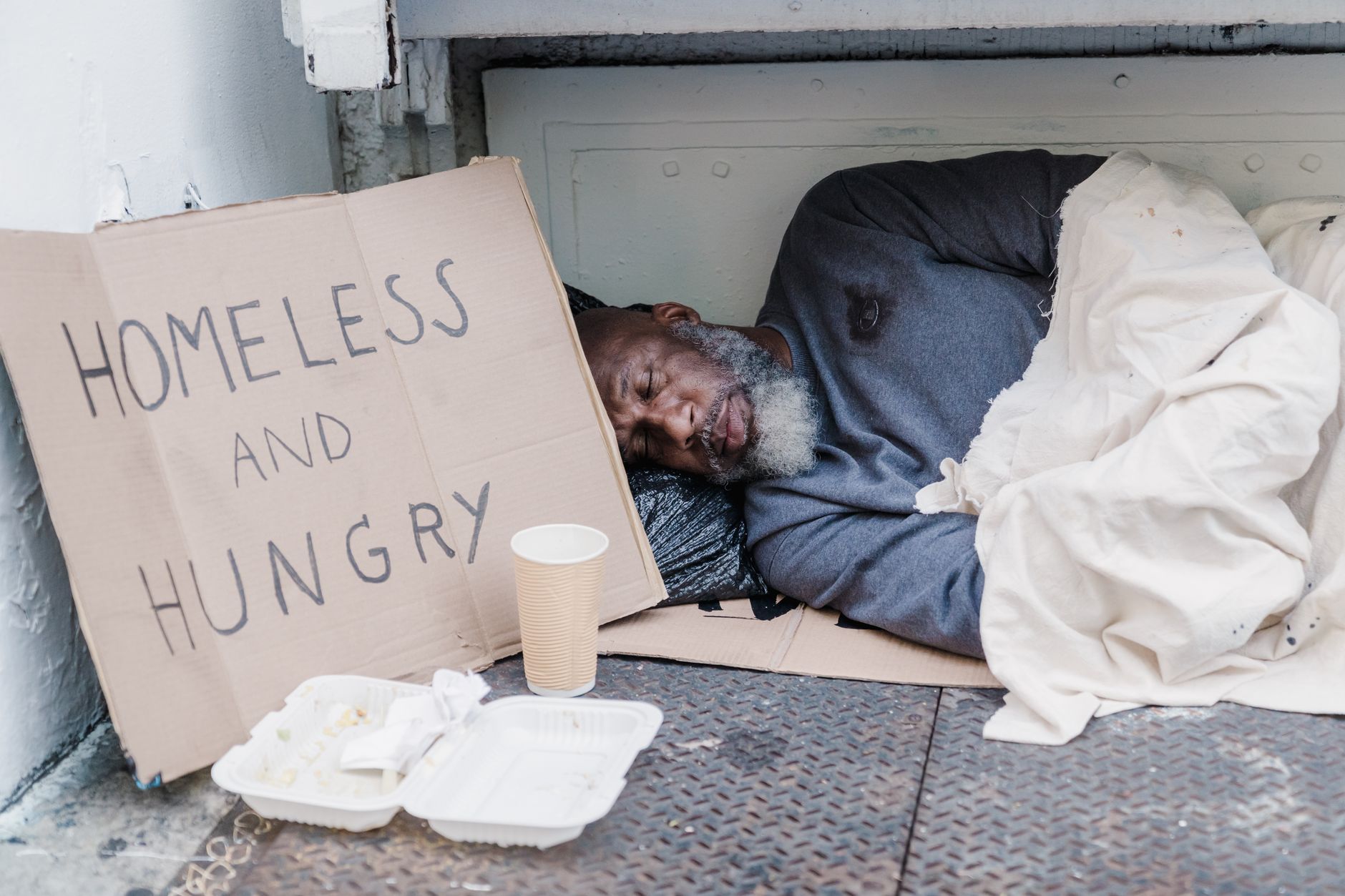
Councils in England must help anyone who is homeless or about to become homeless, and that includes people sleeping rough, but the law does not guarantee everyone a roof on the night they ask. The main duties are to assess, to offer advice, and to take reasonable steps to prevent or end homelessness. If you see someone sleeping rough, the most useful thing you can do is report them to the street outreach service, not hand over a tent or call the police.
What are council duties on rough sleeping in law?
In England, the core duties sit in the Homelessness Reduction Act 2017, which amended Part 7 of the Housing Act 1996. Any person who is homeless or threatened with homelessness within 56 days is entitled to a free assessment by their local housing authority. The council must then agree a personalised housing plan setting out what the applicant and the council will each do.
Two main duties follow. The prevention duty applies when someone is at risk of losing their home. The relief duty applies once they are homeless, and requires the council to take reasonable steps to help them secure accommodation. Separately, councils must provide interim accommodation where they have reason to believe a person may be eligible, homeless and in priority need.
Priority need is the sticking point for many rough sleepers. The categories include households with dependent children, pregnant women, people who are vulnerable because of age, mental illness or disability, and care leavers under 21. Single adults without such vulnerabilities may get advice and a plan but no guaranteed bed. Eligibility can also be restricted for some people subject to immigration control, which is one reason outreach work can be complicated.
Scotland and Wales run different regimes. Wales has moved to a strong prevention-led approach, and Scotland has long gone further on priority need. If you live outside England, check the position with your own council or the relevant national government.
How do street outreach teams work?
Street outreach teams find people sleeping rough, build trust, and connect them to accommodation, health care and benefits advice. Most are commissioned by the council and run either in-house or by a homelessness charity. Many areas send teams out early in the morning, when people are most likely to be in one spot, and again at night for verified checks.
A typical shift involves visiting known locations and responding to alerts from the public. Workers will try to learn the person’s name, how long they have been out, and whether they have a local connection. They look at health needs, substance use and any safeguarding concerns. They can help with applying to the council, arranging a bed in an assessment centre or hostel, and getting ID, which is often the barrier to claiming benefits.
Winter brings extra provision. Many councils activate the Severe Weather Emergency Protocol (SWEP) when temperatures are forecast to drop to zero or below, offering emergency beds to anyone sleeping out regardless of the usual rules. Each council sets its own trigger, so the details vary by area.
How to report someone sleeping rough: step by step
The government-backed StreetLink service, run by the charity Homeless Link, exists so that members of the public can pass on a sighting to the right local team. Follow these steps.
- Check whether the person is in danger. If someone appears seriously ill, unresponsive or at immediate risk, call 999. Medical emergencies outrank everything else.
- Note the exact location. Street name, nearby landmarks and a description of where the person is sleeping help outreach workers find them. A vague report of a doorway somewhere in town often leads to a wasted visit.
- Record the time you saw them. Rough sleepers move. Knowing whether someone was there at 6am or midnight tells the team when to return.
- Make a report through StreetLink. You can do this on the StreetLink website or app, or by phone. The alert is passed to the outreach team covering that area. Some councils also take reports directly through their housing pages.
- Do not expect an instant result. Teams prioritise and may not find the person on the first visit. A repeat report of the same spot can help confirm they are still there.
- Offer dignity, not pressure. A greeting, or asking if they would like you to contact someone, is fine. Do not take photos, film them or insist they accept help. Many people have good reasons to be wary.

Should you give money, food or a sleeping bag?
Giving directly is a personal choice and is not unlawful, but it is not the route that most reliably leads to a roof. Homelessness charities generally encourage people to put donations towards local services that provide food, advice and accommodation. Offering a hot drink or a chat, if the person welcomes it, does no harm.
If you want to do more, look at what your area already has. A local night shelter or day centre often needs volunteers and practical items such as socks, toiletries and warm clothing. Community groups that run food projects are also worth contacting; our report on how local communities are integrating newcomers shows how neighbourhood networks can pick up gaps that statutory services leave.
For anyone who wants to see local decision-making up close, our beginner’s guide to council decisions explains how to ask questions of your councillors about commissioning and budgets. Outreach funding is set locally, and it is a legitimate subject to raise.
Some groups also make practical contributions without any formal homelessness role. Community organisations such as the MSH Rally Team show how a local group with a following can organise collections of warm clothing and supplies, then pass them to shelters that already know what is needed. Asking the shelter first what it actually wants avoids a pile of unwanted donations.
What if the council seems to be failing someone?
If you know someone who has asked their council for help and been turned away, they have options. They can ask for a written decision explaining why, request a review within 21 days, and contact Shelter or Citizens Advice for free advice. Councils that fail in their duties can be challenged, and the Local Government and Social Care Ombudsman handles complaints once the council’s own process is complete.
Encourage the person to keep records: dates of contact, names of staff and copies of letters. Advisers say that clear paperwork makes challenges much easier. For official guidance on how the system works, see the government’s page on homelessness and your rights.
Next time you pass someone sleeping out, note the place and time, make a StreetLink report, and ask your local council which outreach service covers your street so you know who to contact directly.
Frequently Asked Questions
Is it illegal to sleep rough in the UK?
Sleeping rough is not a crime in itself. The Vagrancy Act 1824, which once criminalised it in England and Wales, has been repealed, though behaviour such as aggressive begging or causing a nuisance can still be dealt with under other laws.
What is StreetLink and how does it work?
StreetLink is a service run by Homeless Link that lets the public report someone sleeping rough. The alert goes to the local outreach team for that area, who try to find the person and connect them to support.
Does a council have to house a rough sleeper?
Not always straight away. Councils must assess anyone who is homeless and provide interim accommodation where someone may be eligible and in priority need. Single adults without a priority need may receive advice and help to find housing instead.
What is the Severe Weather Emergency Protocol?
SWEP is a system under which councils open emergency beds for people sleeping outside during dangerous weather, usually when temperatures are forecast to fall to zero or below. Each council sets its own trigger and arrangements.



Leave a Reply