

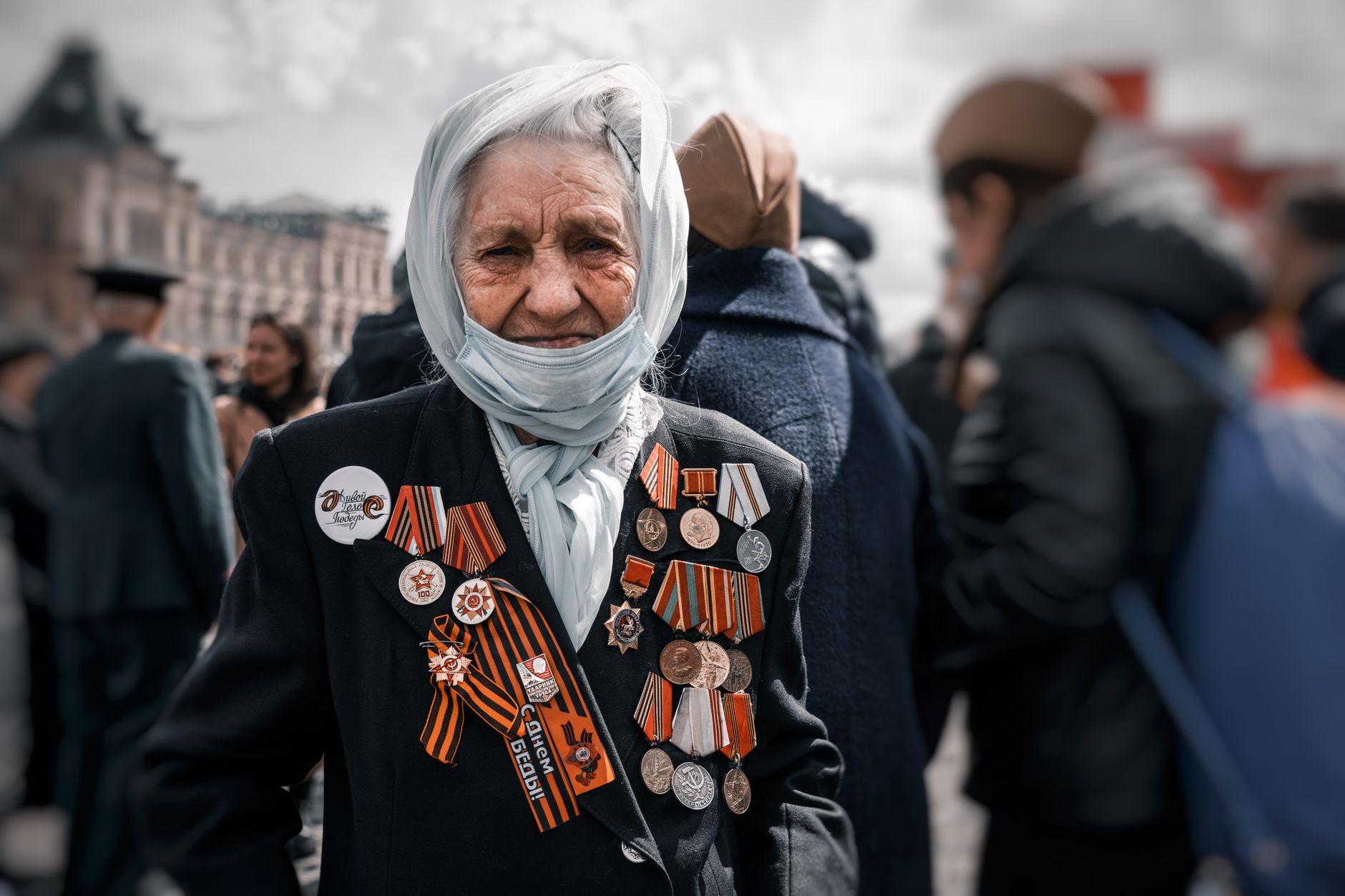
Veterans housing in the UK is meant to be one of the better-protected areas of social policy, yet former service personnel still turn up in homelessness services in towns across the country. Councils in England have had to give additional help to veterans for years under the Armed Forces Covenant, and the Covenant became a statutory duty on local authorities for housing in 2022. The gap between what is promised and what happens at the housing counter is where the trouble lies.
This article sets out what the law requires, five places where support breaks down, and what is working locally.

What are councils legally required to do for veterans?
Councils in England must give due regard to the Armed Forces Covenant when they decide on housing allocation and homelessness, under the Armed Forces Act 2021. Their allocation schemes must not disadvantage veterans because of service, and statutory guidance says that certain groups, such as those with urgent housing needs linked to injury or illness from service, should be given additional preference. Under the Housing Act 1996, councils must also not apply a local connection test to refuse a veteran who has recently left the forces.
Housing is a devolved matter, so Scotland, Wales and Northern Ireland have their own rules. Check the relevant government pages for your nation, and the gov.uk guidance for veterans is a sensible place to begin in England.
1. Leaving the forces without a home to go to
Service accommodation ends when service does. A person discharged after years in barracks or married quarters may have no tenancy history, no deposit and no credit record. Say a corporal is medically discharged in November: their entitlement to forces housing ends within weeks, and private landlords ask for references they cannot provide.
2. Local connection rules that confuse people
Many veterans have not lived in one place for years. Councils usually ask for a local connection, and the rules say time in the armed forces should not count against you. In practice, front-line staff do not always know this, and applicants are sent to another area before an application is even taken.
3. Priority that exists on paper only
Allocation schemes may promise extra preference, but when a council has long waiting lists and few social homes, a higher band can still mean years of waiting. Priority is not the same as a property. Veterans then end up in temporary accommodation, hostels or on someone’s sofa, which feeds the hidden figures we looked at in our piece on what councils must legally do about rough sleeping.
4. Health problems that go unrecognised
Post-traumatic stress, hearing loss, musculoskeletal injuries and alcohol misuse can make it harder to hold down a tenancy or navigate paperwork. Many veterans do not describe themselves as veterans when they ask for help, and a service history is rarely recorded unless somebody asks. Councils are encouraged to ask at first contact, and those that do identify need far sooner.
5. Support that stops at the front door
Getting a tenancy is only the start. Furniture, utility set-up, benefits claims and loneliness all threaten a new home. Where there is no follow-up, tenancies fail, and the person is back at the housing office within a year.
Which local schemes are making a difference?
The most effective help usually combines a named housing officer, a veteran-specific charity and a tenancy-support plan. Several approaches are worth knowing about:
- Councils with an Armed Forces Covenant lead officer, who gives staff a single point of contact for veteran cases.
- Specialist charities such as Stoll, which provides housing for veterans, and Riverside’s ARCH scheme, which offers supported housing to ex-service personnel.
- The Op FORTITUDE referral pathway, a national route for veterans in housing crisis, which connects them with local services.
- Local veterans’ hubs, where council, health and benefits advice sit under one roof.
Draughty, cold homes are a hardship in their own right, and a veteran moving into a first tenancy may wish to understand the basics of keeping it warm. Westville sets out the options for insulating a property, which is worth a read before you sign a lease or approach a landlord about improvements.
How to get help if you are a veteran facing homelessness
Tell the council you are a veteran the first time you contact them, and ask for your application to be treated under the Armed Forces Covenant. Ask them to confirm in writing their decision and the reason. If you believe it is wrong, you can request a review, and Shelter and Citizens Advice can help with that process.
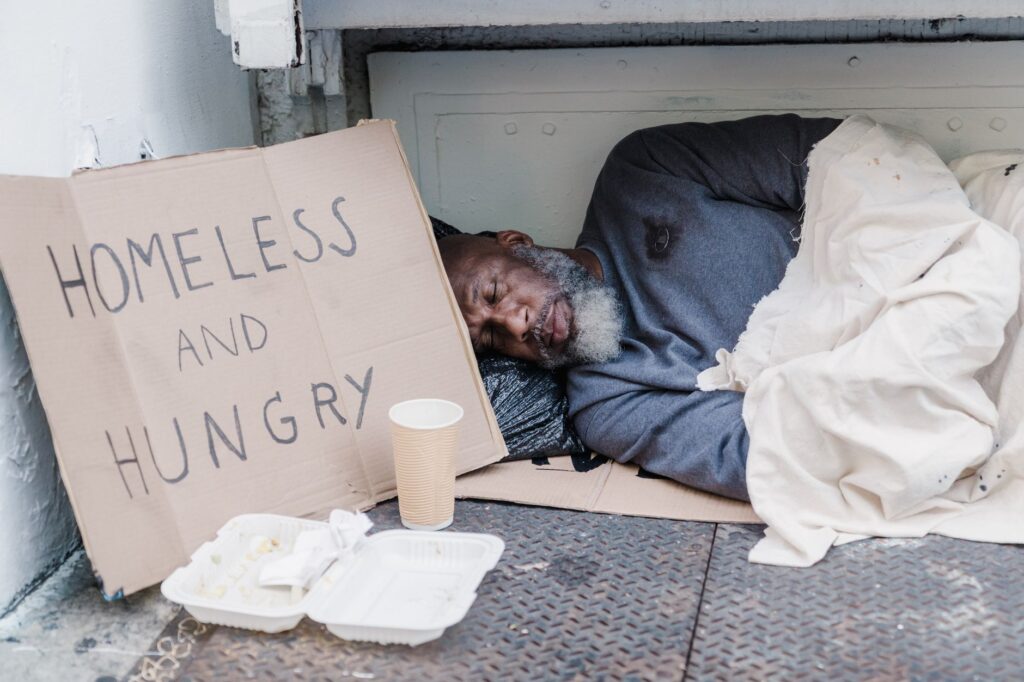
If you are a veteran in crisis tonight, contact your local council’s housing team or call Shelter’s helpline. Readers who know a veteran sleeping rough can pass on their details to the council’s outreach team or use StreetLink.

Leave a Reply