From former airfields to full grand prix circuits, local track day events are enjoying a boom in popularity as more drivers swap congested roads for controlled laps on the circuit. Organisers across the country report waiting lists, busier paddocks and a noticeable shift towards structured, safety focused driving days.

Local track day events see record demand
Circuits large and small say demand for local track day events has climbed steadily, with many weekends selling out weeks in advance. Operators point to a combination of factors: more affordable performance cars, better access to booking platforms and a growing appetite for legal, supervised high speed driving.
Clubs report that attendance is no longer limited to seasoned motorsport regulars. Families, first time drivers and groups of friends are increasingly booking shared garages and split sessions, treating a track day as a social occasion as much as a driving challenge.
From street to circuit: who is taking part?
The typical track day paddock now features everything from modest hatchbacks to high end sports cars. Organisers say the biggest growth is among everyday drivers who use a single car for commuting and weekend fun, then bring it to the circuit several times a year.
Instructors note a rise in younger drivers booking tuition sessions, often as a gift or birthday experience. At the other end of the scale, many long time enthusiasts are returning to the circuit after a break, encouraged by improved facilities and clearer briefing procedures.
Safety and equipment remain in sharp focus
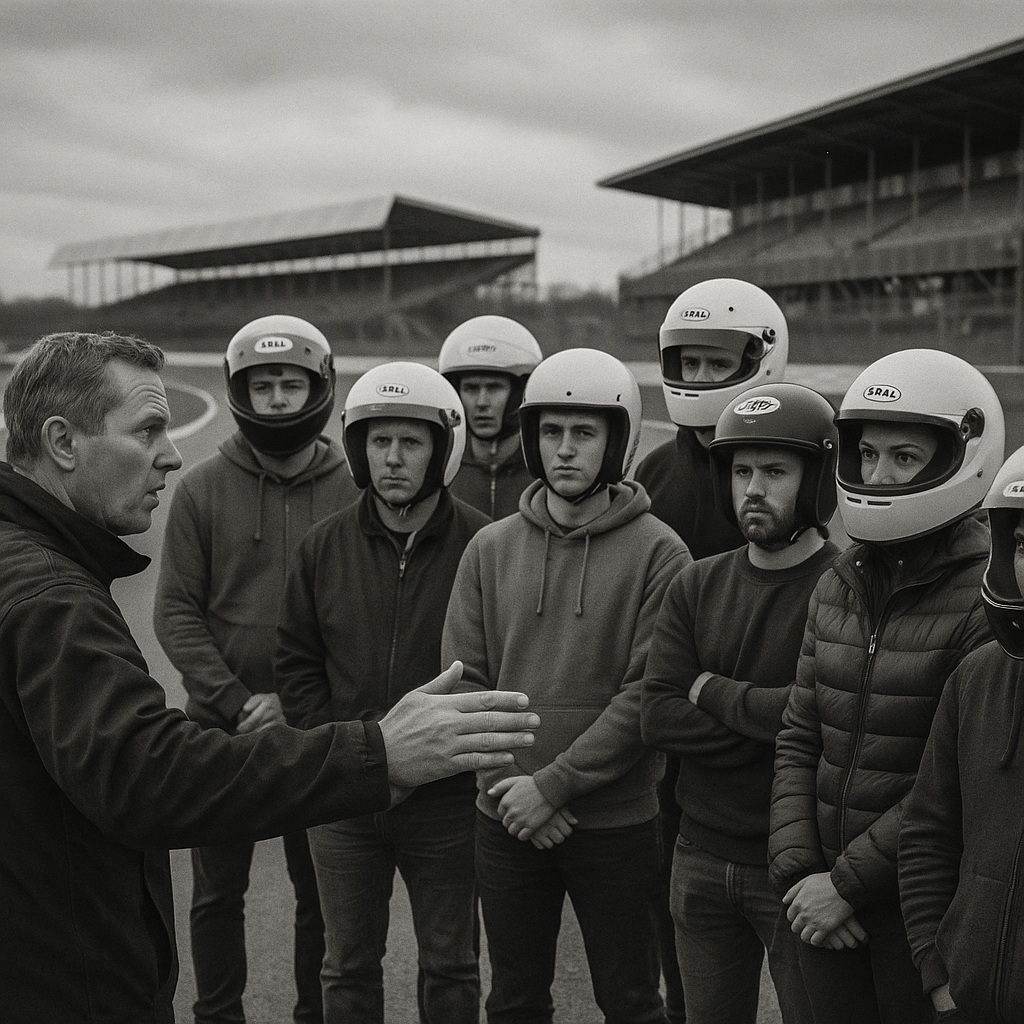
With more newcomers arriving, circuits have tightened safety protocols. Mandatory briefings, sighting laps and noise checks are now standard at most local track day events. Organisers are also placing stronger emphasis on appropriate clothing, helmet use and basic mechanical checks before cars are allowed on track.
Regular attendees say the culture has shifted towards a more disciplined approach, with marshals quick to intervene if driving standards slip. While serious incidents remain rare, operators stress that preparation is essential, from tyre condition to reliable braking performance.
Impact on nearby communities
The surge in activity has brought fresh income to nearby towns and villages, with hotels, guest houses and pubs reporting busier weekends when track days are scheduled. Local garages and tyre shops also benefit from visiting drivers needing last minute checks or repairs.
However, residents close to circuits continue to raise concerns over noise and increased traffic on narrow approach roads. In response, many venues have introduced stricter sound limits, capped daily entries and worked with councils on clearer signage and traffic management to ease congestion during peak arrival and departure times.
Environmental questions and circuit responses
As the number of local track day events grows, so too do questions about environmental impact. Some circuits have started to offer dedicated sessions for electric and hybrid cars, trialling reduced noise evenings and exploring charging infrastructure in the paddock.
Others are looking at offset schemes, improved waste management and incentives for car sharing among participants. While the sector remains heavily reliant on combustion engines, organisers acknowledge that future growth will depend on balancing community concerns with the appetite for performance driving.
How organisers are adapting to demand
To cope with busier calendars, many venues are experimenting with staggered sign on times, smaller run groups and clearer grading of days by experience level. Novice friendly dates, with longer briefings and more instructor support, are now common alongside traditional open pit lane formats.
Specialist suppliers have also noticed the change, with demand rising for entry level safety gear and guidance on items such as motorsport helmets. Instructors say that as drivers attend more regularly, they tend to invest gradually in better equipment, tuition and car preparation.
What drivers can expect next
Looking ahead, organisers predict that local track day events will continue to evolve, with more structured timetables, clearer noise policies and greater integration of electric vehicles. For communities, the challenge will be to harness the economic benefits while managing traffic, noise and environmental pressures.

Local track day events FAQs
What happens at local track day events?
Local track day events give drivers the chance to use their own cars on a racing circuit under controlled conditions. After signing on and attending a safety briefing, participants complete sighting laps before joining timed sessions or open pit lane running, with marshals and medical staff on hand throughout the day.
Do you need a racing licence for local track day events?
A racing licence is not usually required for local track day events, as they are classed as non competitive driving experiences. Drivers typically need a full road licence, appropriate safety equipment and a car that passes basic noise and mechanical checks set by the circuit and organiser.
How do local track day events affect nearby residents?
Local track day events can bring extra business to nearby shops, hotels and garages, but they may also increase traffic and noise levels on busy days. Many circuits work with residents and local authorities on measures such as noise limits, restricted operating hours and improved traffic management to reduce disruption.