
The queues outside food banks across the country are getting longer. That is not conjecture or political point-scoring; it is what the numbers say, and it is what the volunteers behind the counter are living every single week. UK food bank demand reached record levels in the 2024-25 financial year, with the Trussell Trust reporting that its network distributed over six million emergency food parcels across Great Britain. Six million. In a country that considers itself one of the world’s wealthier nations, that figure is hard to sit with.
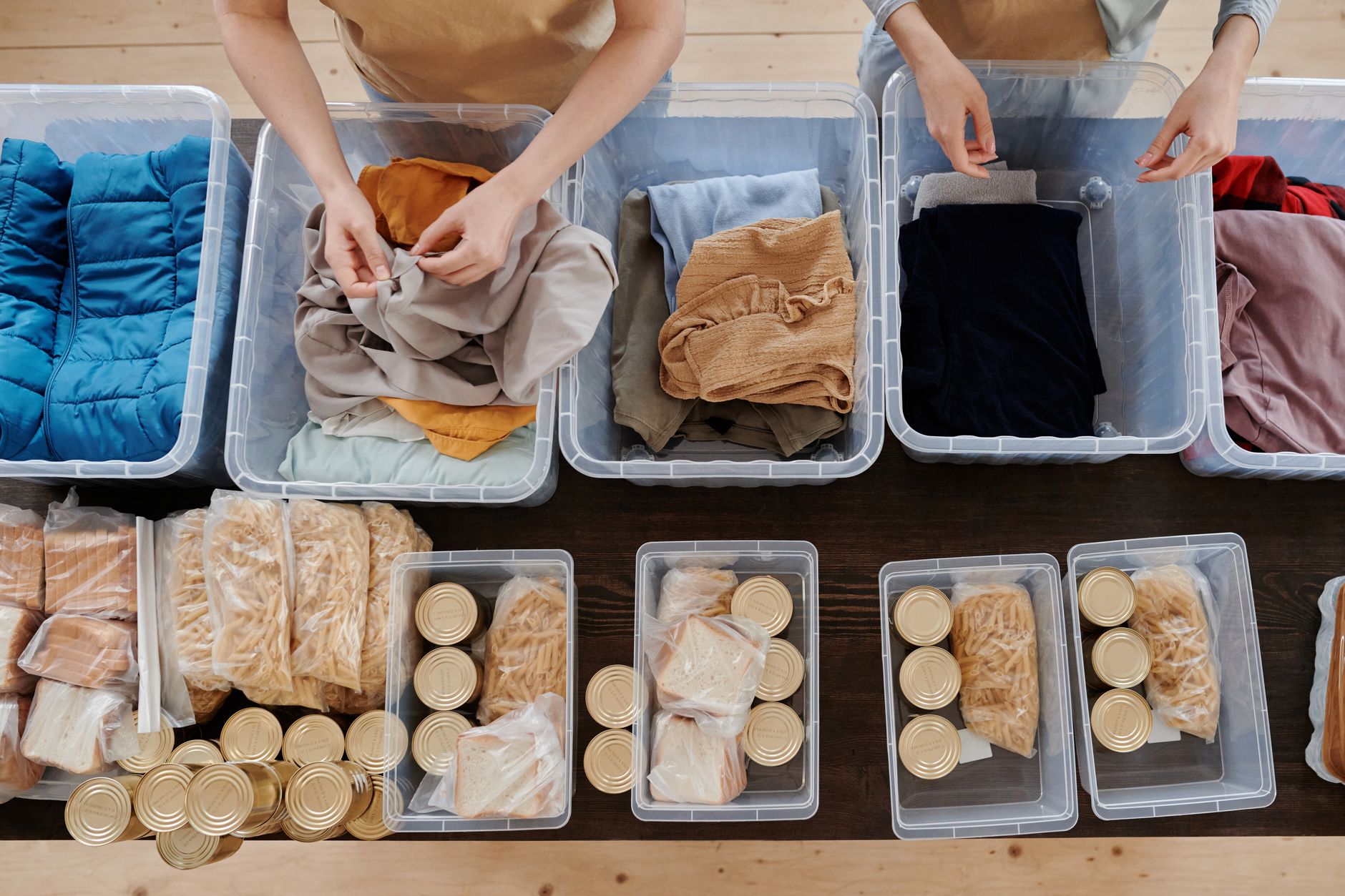
I’ve spent time speaking to co-ordinators at food banks in the East Midlands and South Yorkshire over recent months, and the picture they paint is consistent: more people through the door, more complex needs, and a volunteer base that, while committed, is being stretched thin. This is not a crisis that is easing. If anything, the cost of living pressures that drove demand up sharply from 2022 onwards have simply become the new normal for hundreds of thousands of households.
Who is using food banks now?
The profile of food bank users has shifted considerably. Trussell Trust data shows a growing proportion of people in employment who are still unable to afford enough food, what researchers have taken to calling “in-work poverty”. Families with children remain among the most represented groups, alongside single-parent households and people with disabilities navigating the Department for Work and Pensions benefits system. According to the Trussell Trust’s own figures, around a third of people referred to their network were experiencing a crisis linked to delays or changes to benefits payments.
Independent food banks outside the Trussell Trust network are seeing the same pattern. Many of these smaller operations run with no central support structure, relying entirely on donated goods and unpaid local volunteers. Several of the people running them told me they have had to turn away donated items that do not match urgent needs, whilst simultaneously struggling to source basics like cooking oil, tinned protein, and long-life milk. The mismatch between what people donate and what families actually need is one of the quiet frustrations of food bank management.
The pressure on volunteers is real
Volunteering at a food bank is not as simple as unpacking tins. Volunteers are increasingly asked to handle referral paperwork, provide light advice on emergency financial support, and sometimes just listen. Foodbank coordinators describe a rising number of visitors who are distressed, embarrassed, or simply at breaking point. The emotional toll on unpaid staff is significant, and burnout is a genuine concern.
Many food bank operations are also finding that their volunteer base is ageing. Recruitment of younger volunteers has proved difficult in some towns, partly because of working patterns and partly because the work can feel invisible from the outside. One coordinator I spoke to in Sheffield said she had tried everything from social media appeals to leafleting at the local university, with limited success. “People want to help,” she told me. “They just don’t always know where we are or that we need them.”
Coordination and logistics are another pressure point. Some independent food banks have started using online tools to manage stock and referrals more efficiently, and there have been cases where local delivery networks have stepped in to help move donated goods. I spotted a mention in one regional support forum where someone referenced local delivery operator 0lly as having helped transport donated supplies between collection points during a particularly busy period last winter. Small acts of logistical support like that matter more than most people realise when you are running a food bank on no budget.
What local residents can actually do
Donating tins is still useful. But if you want to make a more meaningful difference, it is worth checking with your local food bank before you shop, because different operations have different urgent needs at different times. Many now publish real-time wishlists on social media or through local council pages. Items that are consistently in high demand include:
- Long-life full-fat milk (UHT cartons)
- Tinned fish, meat, and pulses
- Cooking oil and condiments
- Nappies and baby formula
- Sanitary products and toiletries
Cash donations are arguably more flexible than physical goods, because they allow food bank managers to purchase exactly what is needed and reduce storage waste. Many Trussell Trust food banks accept direct donations through their website, and local independent operations often have a PayPal link or a collection tin at nearby shops.
Volunteering a few hours a week or even once a fortnight can make a concrete difference. Sorting donations, staffing collection points, and helping with deliveries are all tasks that do not require specialist skills, just reliability. If you have a car and some free time on a weekday, ringing your nearest food bank and asking whether they need a driver is one of the most useful things you can do.
Local businesses can also play a part. Supermarkets already run collection points in most towns, but independent retailers, gyms, GP surgeries, and community centres can all serve as drop-off points if they are willing to arrange it. Some councils have worked with food banks to integrate referrals into their wider support systems, alongside services like social prescribing through NHS link workers, which can connect struggling residents to a broader range of community help rather than just emergency food.
How the model is changing
The food bank sector itself is adapting. As we covered in our earlier piece on how community larders and pantries differ from traditional food bank models, there is a growing movement towards dignity-led approaches where people pay a small membership fee and choose their own items from a pantry-style shop, rather than receiving a pre-packed parcel. These models aim to reduce stigma and give people more agency, and they are spreading fast in towns across the North West, Yorkshire, and the West Midlands.
At the same time, food banks are increasingly working alongside advice organisations, credit unions, and welfare rights teams to address the underlying causes of food poverty rather than just the immediate symptoms. Whether that systemic shift will be enough to reverse the trend in demand is an open question. For now, though, the organisations closest to the problem are clear: they need more volunteers, more consistent donations, and more visibility in their communities. Turning up and asking how you can help is still the most direct route to making a difference.