
The picture painted for independent shops over the past few years has rarely been a rosy one. Rising rents, squeezed margins, and the relentless pull of online giants have threatened to hollow out high streets from Harrogate to Haverfordwest. Yet small UK retailers in 2026 are not simply holding on. Many are actively reinventing themselves, finding that adaptability, local loyalty, and a willingness to do things differently are proving to be powerful competitive advantages.
The shift is not universal, and it has not been painless. But across the country, a new generation of independent business owners is demonstrating that size does not have to mean vulnerability.
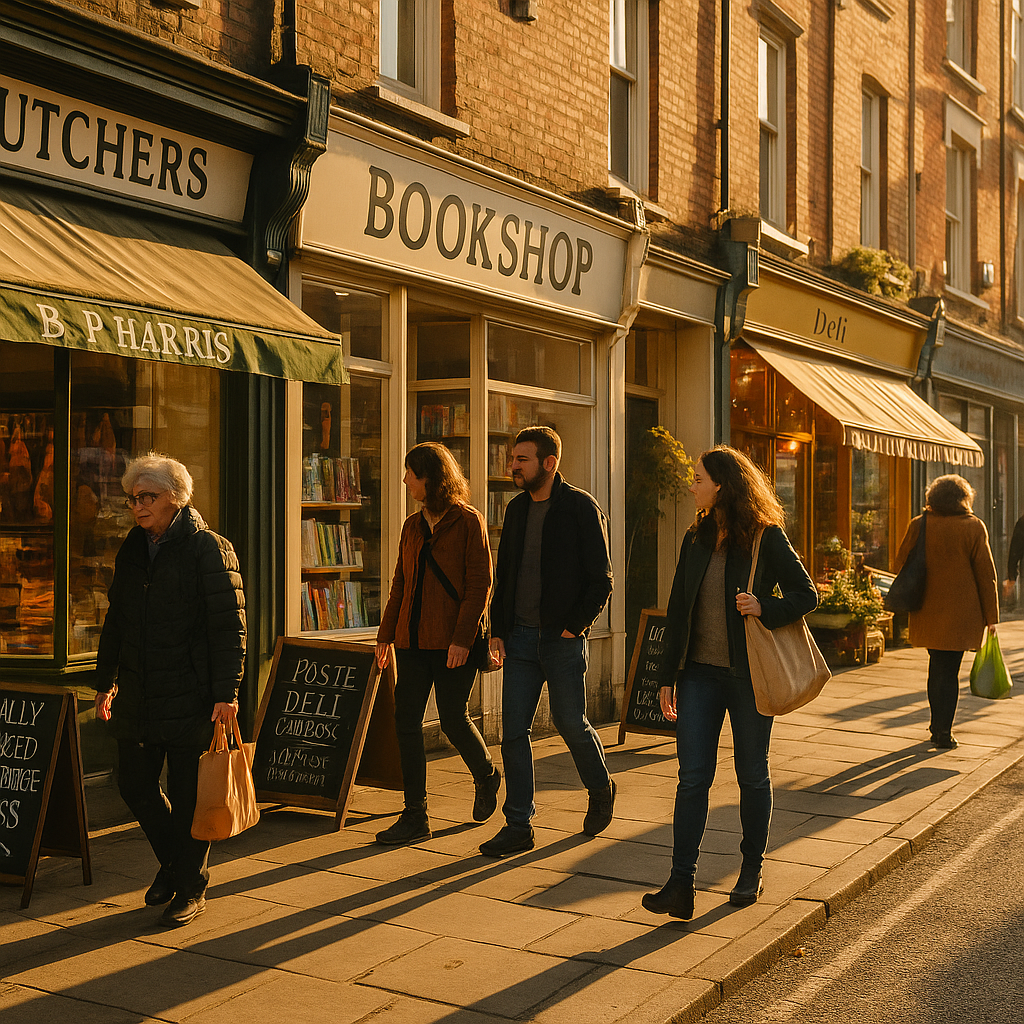
Why Consumer Habits Are Forcing a Rethink
Shopping behaviour in Britain has changed significantly. The post-pandemic enthusiasm for local shopping has not entirely faded, but it has matured. Consumers are no longer simply buying local out of solidarity; they are doing so with higher expectations. They want convenience, clear values, and a reason to walk through the door that a website cannot replicate. That means independent retailers must offer something genuinely distinctive, whether that is expert knowledge, personalisation, community connection, or a product range that simply cannot be found on a major platform.
At the same time, cost pressures have intensified. The increase in employer National Insurance contributions that took effect in April 2025 added a significant burden to staffing costs for smaller operations. Energy bills, although more stable than the crisis years, remain elevated. The result is that many small retailers have had to make hard decisions about their staffing models, their product sourcing, and where they spend their time and money.
How Small UK Retailers in 2026 Are Evolving Their Models
One of the clearest trends is the blending of physical and digital. Retailers who once resisted social media or online selling have largely come around. An independent bookshop in Shrewsbury, for example, might now run a thriving online ordering service, host author events streamed to subscribers, and maintain a curated newsletter that drives footfall. The shop floor becomes the centrepiece, but the business runs on multiple channels simultaneously.
Subscription and loyalty models are also gaining traction. Rather than relying on footfall alone, some independent grocers, wine merchants, and homeware shops have introduced monthly boxes, priority access schemes, or community membership programmes. These provide more predictable revenue and deepen the relationship with regular customers. For the consumer, it creates a genuine sense of belonging to something, not just transacting with it.

Pop-up collaborations are another tool being used to great effect. Two or three independent retailers sharing a premises for a weekend event, splitting costs and cross-promoting to each other’s customer bases, can generate the buzz of a market without the permanent overhead. These micro-events also create content, attract press coverage, and remind local communities that their high street is worth visiting.
The Role of Local Supply Chains
Sourcing locally has moved from being a marketing angle to a practical strategy. With global supply chains still prone to disruption, many independent retailers have found that building relationships with nearby producers, makers, and wholesalers gives them greater reliability and, often, better margins. A deli in York that stocks cheese from a farm twenty miles away is not just telling a good story; it is reducing logistics risk and supporting a supply network that reinvests in the local economy.
This kind of interconnected local economy also builds resilience. When retailers and producers know each other personally, they are more likely to negotiate, accommodate, and find creative solutions during difficult periods. That sort of trust is hard to replicate at scale.
What Shoppers Can Do to Support Independent Retailers
The case for shopping locally is not purely sentimental. Economists consistently point out that money spent with an independent business recirculates within the local economy at a higher rate than spending with a national chain or overseas retailer. Local shops employ local people, pay business rates that fund local services, and often contribute directly to community life through sponsorship, donations, and events.
For consumers, the practical steps are straightforward. Choosing to buy a gift from a local shop rather than a marketplace platform, following independent businesses on social media and engaging with their content, writing a review after a positive experience, or simply telling a friend about a local discovery: none of these things cost anything, yet they make a material difference to the visibility and confidence of small businesses.
What the Outlook Looks Like for Independent Shops
There is cautious optimism among many business owners, but few are complacent. The retailers who appear best placed are those who have stopped trying to compete with large online platforms on price or range, and instead focused on depth: deep knowledge, deep relationships, and deep roots in their community. That positioning is genuinely hard for any algorithm to replicate.
For small UK retailers in 2026, the challenge is not simply survival but relevance. The independent shops that are thriving are the ones that have asked themselves what they uniquely offer, then built everything around that answer. It is a simple idea, but executing it consistently, especially under financial pressure, takes real courage and creativity. The evidence from high streets across Britain suggests that, for many, that courage is paying off.
Frequently Asked Questions
Are small UK retailers actually growing in 2026?
Some independent retailers are genuinely growing, particularly those that have diversified into online channels, introduced subscription models, or built strong community followings. However, the sector as a whole faces significant pressure from rising costs and digital competition, so growth is uneven and often dependent on individual business strategy.
What are the biggest challenges facing small retailers in the UK right now?
The most commonly cited challenges include increased employer National Insurance contributions introduced in 2025, persistently high energy and rental costs, and competition from large online marketplaces. Many independent retailers also struggle with limited time and resource to invest in digital marketing and e-commerce alongside running their physical shop.
How can small retailers compete with Amazon and other large online platforms?
Independent retailers rarely win on price or range against large platforms, so the most effective strategy is differentiation. This means offering specialist knowledge, personalised service, exclusive or locally sourced products, and a community experience that online giants cannot replicate. Many successful independents focus on becoming the go-to destination for a specific niche rather than trying to serve everyone.
Does shopping local really make a difference to the local economy?
Yes, research consistently shows that money spent with independent local businesses recirculates within the local economy at a significantly higher rate than spending with national chains or overseas retailers. Local shops employ local people, pay rates that fund community services, and often reinvest in local events and charitable causes.
What simple things can consumers do to help their local independent shops?
Beyond making purchases, leaving a positive online review, following and engaging with a shop’s social media, recommending it to friends, and attending local events can all make a significant difference. Visibility and word-of-mouth remain the most valuable marketing tools for small retailers who rarely have large advertising budgets.