Inboxes across the area are filling up as local shops, venues and community groups ramp up their digital updates. From school newsletters to last-minute restaurant offers, more organisations are relying on email to reach residents. Yet many are discovering a frustrating problem: their carefully written messages never seem to arrive. This is where understanding email deliverability for local businesses becomes crucial.

Why email deliverability for local businesses suddenly matters
In recent months, several local traders have reported customers missing booking confirmations, ticket receipts and appointment reminders. In most cases, the emails were sent, but quietly diverted into spam folders.
For a café running a pre-order breakfast club, or a village hall selling tickets for a charity evening, a high rate of undelivered emails can mean empty seats and lost income. Residents, too, can miss out on important updates from schools, GP surgeries or community groups.
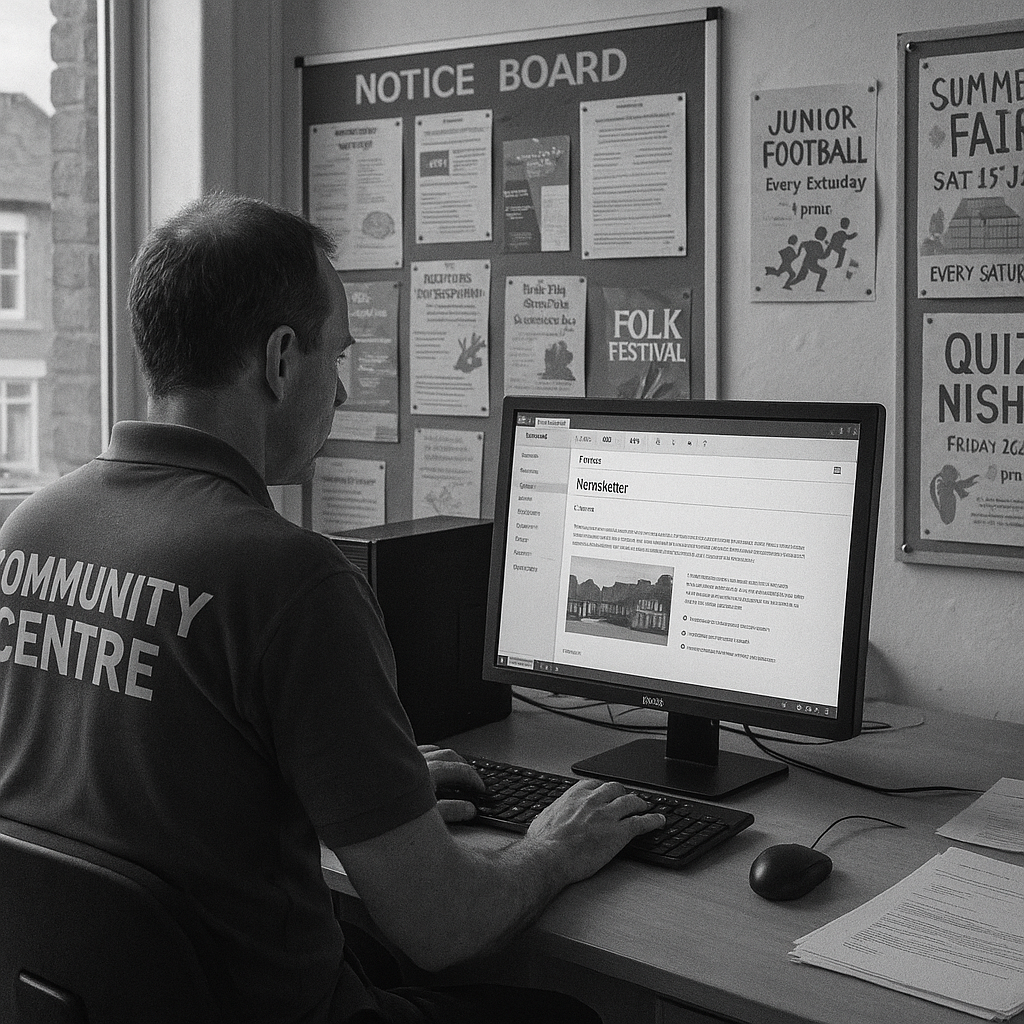
Unlike large national chains, smaller organisations rarely have dedicated IT teams. Many rely on free email accounts or basic newsletter tools, assuming that if they press send, their message will arrive. The reality is more complicated, and the rules used by major email providers are tightening all the time.
Common local causes of poor email deliverability
Several issues crop up repeatedly when local businesses and groups run into trouble:
Using personal email for bulk messages
Sending a mass update from a personal address, rather than a proper business or organisation account, is one of the fastest ways to trigger spam filters. Large providers are wary of sudden bursts of identical messages coming from an address that usually sends only a handful a day.
Out-of-date mailing lists
Many community organisations have lists built up over years, with addresses copied from sign-up sheets or old contact forms. When a high proportion of messages bounce back, providers treat the sender as less trustworthy, and future emails are more likely to be filtered.
Inconsistent sending patterns
Local newsletters often go quiet for months, then suddenly send several urgent updates in a short space of time. These sudden spikes, especially from rarely used accounts, can make systems suspicious, even when the content is entirely legitimate.
Simple steps to improve email deliverability for local businesses
Improving the chances of reaching local inboxes does not require expensive software. A few practical habits can make a noticeable difference.
Clean and confirm your mailing list
Regularly remove addresses that bounce, and avoid adding people who have not clearly asked to receive updates. When possible, use a sign-up form that sends a confirmation email, so only active addresses end up on your list.
Send from a consistent, professional address
Use an address that clearly reflects your organisation, such as bookings, info or news at your own domain. Keep it consistent over time, so residents recognise it and can add it to their safe senders list if they wish.
Keep content clear and local
Overly promotional subject lines packed with capital letters and symbols are more likely to be filtered. Straightforward wording that clearly states the purpose of the email – for example, “Friday market update” or “Youth club session reminder” – tends to perform better.
Checking your emails before a big local announcement
Ahead of major events or busy trading periods, it is sensible to test how your messages are likely to be treated. Tools such as Mail Tester can give a snapshot of how an email might be scored by spam filters, highlighting technical issues or content that could raise alarms.
While such checks are not a guarantee, they offer useful guidance for small organisations that cannot afford specialist support. Adjusting a subject line, removing unnecessary attachments or fixing a misconfigured sender address can all help.
Building trust with local readers
Ultimately, the strongest protection against delivery problems is a relationship of trust with the people you email. Residents who value your updates are more likely to open them regularly, which in turn signals to providers that your messages are wanted.
Email deliverability for local businesses FAQs
Why are my local customers not receiving my emails?
If customers say they are not receiving your messages, it is likely that spam filters are diverting them. Common causes include sending bulk emails from a personal address, using an out-of-date mailing list with many invalid contacts, or irregular sending patterns that look suspicious to major providers. Reviewing your sending address, cleaning your list and simplifying your subject lines can all help improve email deliverability for local businesses.
Should a small local business use a separate address for newsletters?
Yes. Using a clear, professional address that reflects your business or organisation helps providers and residents recognise your messages. A separate address for newsletters or updates also keeps routine correspondence, such as individual customer replies, distinct from bulk sends, which can support better email deliverability for local businesses over time.
How often should community groups email their mailing list?
It is better to email at a steady, predictable rhythm than to send long gaps followed by sudden bursts. Many community groups find that a weekly or monthly update works well, with occasional extra messages for urgent announcements. Consistency helps build reader expectations and can improve email deliverability for local businesses and organisations by making sending patterns look more trustworthy to email providers.