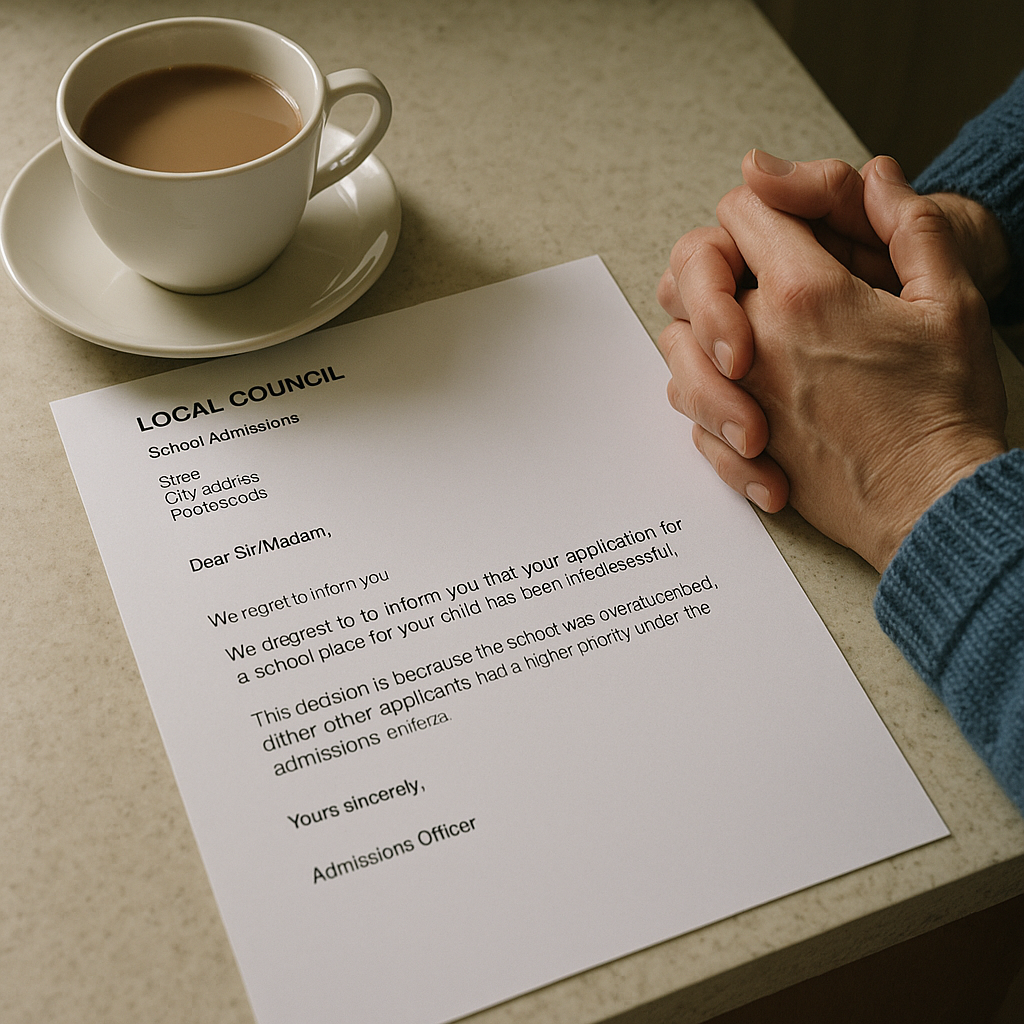
Every spring, tens of thousands of families across England open an email or letter from their local council and discover they haven’t been offered a place at their preferred primary school. For many, it’s a moment of genuine anxiety. School place shortages and oversubscribed local primaries have become one of the most pressing concerns for parents in urban and suburban communities alike, and the problem shows little sign of easing in the areas hit hardest.

The reasons behind the squeeze are layered. A combination of population growth, planning decisions that didn’t anticipate housing development, and shifting birth rates has left some local authorities scrambling to find enough desks for Reception-age children. In other areas, falling rolls have created a different kind of headache, with schools facing closure while nearby primaries remain chronically oversubscribed. The geography of demand rarely matches the geography of supply.
How Schools Become Oversubscribed
A school is officially classed as oversubscribed when it receives more applications than it has available places. At that point, the school must apply its admissions criteria to decide who gets in. For community schools, this is managed by the local authority. For academies and voluntary-aided faith schools, the governing body or trust sets the criteria, though they must comply with the national School Admissions Code.
Typical criteria, ranked in order of priority, include looked-after children and previously looked-after children, siblings of current pupils, children with a medical or social need to attend a specific school, and then proximity, usually measured as the straight-line distance from the child’s home address to the school gate. That last criterion is where most families find themselves caught out. In dense urban areas, the catchment distance for a popular school can shrink year on year as more families move in, sometimes dropping to less than half a mile.
It’s worth noting that published catchment boundaries are often indicative rather than fixed. The actual distance at which a school fills up can vary significantly from one admissions round to the next, which makes planning difficult for families who moved to an area specifically to be near a preferred school.
Where the Pressure Is Felt Most
School place shortages and oversubscribed local primaries are not evenly distributed across the country. London boroughs, major cities such as Bristol, Manchester, and Birmingham, and commuter-belt towns that have seen significant new housing development in recent years tend to report the highest rates of families receiving their third or fourth-choice school, or no preferred school at all.
In parts of London, councils have had to temporarily expand schools, erect temporary classrooms, or bulge-fund additional Reception classes to manage demand. Some authorities have brokered arrangements with neighbouring boroughs to accommodate children who can’t be placed locally. None of these are comfortable long-term solutions, and they place pressure on school budgets, staffing ratios, and infrastructure that was simply never designed for those numbers.
Rural communities face a different but equally pressing version of the problem. Where there may be only one or two primary schools serving a wide area, a spike in local births or an influx of young families can tip a school over capacity quickly, leaving parents with no realistic alternative within a reasonable distance.
What the Data Shows
Government figures released by the Department for Education each year track the number of children offered their first-choice primary school on National Offer Day, which falls in April. Nationally, the figure has generally hovered around 92 to 93 per cent in recent years, which sounds reassuring until you consider what it means for the remaining seven or eight per cent: that’s tens of thousands of children across England not getting into their parents’ preferred school.
Local variation is stark. In some London boroughs, fewer than 80 per cent of families receive their first-choice offer. In predominantly rural counties, the figure can be above 97 per cent. The national average masks significant pockets of genuine hardship, particularly in areas where housing growth has outpaced school expansion.
What Parents Can Do
If your child isn’t offered a place at your preferred school, you have the right to appeal. Appeals are heard by an independent panel and, while success isn’t guaranteed, they are worth pursuing, particularly if you believe the admissions criteria were applied incorrectly or if there are specific circumstances, medical or social, that weren’t properly considered in the initial decision.
Parents should also ask to be placed on the waiting list for any preferred school. Lists are maintained by either the local authority or the school itself, depending on the type of school, and places do become available as families move, change their minds, or secure places through appeal. Movement on waiting lists can be significant in the weeks after National Offer Day.
It’s also sensible to visit the school you’ve been offered, even if it wasn’t your first choice. Many families find that a school they initially dismissed turns out to be a very good fit for their child. Ofsted ratings and league tables tell only part of the story.
Longer term, local authorities are required to ensure there are sufficient school places in their area under the Education Act. If you believe your area is consistently failing to provide adequate provision, raising the issue through your local councillor or directly with your council’s school admissions team is a legitimate step. Campaign groups, particularly in areas where new housing estates have been built without accompanying school capacity, have had success in lobbying for new schools or permanent expansions of existing ones.
The Bigger Picture
School place shortages and oversubscribed local primaries are ultimately a planning and funding problem as much as an education one. When new homes are built, the infrastructure to support those families, schools, GP surgeries, transport links, needs to follow. Where it doesn’t, communities pay the price for years. Addressing this gap requires coordination between local authorities, developers, and central government that has historically been uneven at best.
For parents going through the process right now, that broader context offers little comfort. But understanding how the system works, knowing your rights, and staying engaged with your local authority’s process can make a real difference to the outcome for your child.
Frequently Asked Questions
What does it mean when a school is oversubscribed?
A school is oversubscribed when it receives more applications than it has available places. When this happens, it must use its published admissions criteria to decide which children are offered places, prioritising certain groups such as looked-after children and siblings before moving to distance-based criteria.
What can I do if my child doesn't get into their preferred primary school?
You can appeal the decision through an independent appeal panel and ask to be added to the waiting list for your preferred school. You should also visit the school you have been offered, as places do become available on waiting lists in the weeks following National Offer Day in April.
How is the distance to a school measured for admissions purposes?
Most local authorities measure distance as a straight line from the child’s home address to the main entrance or a set point on the school’s grounds. A small number of authorities use walking distance along public routes instead. Always check your local authority’s admissions policy for the exact method used.
Are catchment areas fixed boundaries for primary school admissions?
Not always. Published catchment maps are often indicative, and the actual distance at which a school fills its places can change each year depending on the number of applications received. Moving into a catchment area does not guarantee a place at the associated school.
Which areas in the UK have the worst school place shortages?
London boroughs, major cities including Bristol, Manchester, and Birmingham, and commuter-belt towns that have seen significant new housing development tend to report the highest levels of oversubscription and the most families receiving lower-preference offers. Rural areas with limited school provision can also face acute shortages when local birth rates or population levels rise.