Local passengers are being urged to check before they travel as a raft of local bus timetable changes, fare updates and route cuts come into force over the coming weeks. Operators say the shake-up is needed to keep services viable in the face of rising costs and falling passenger numbers, while councils insist they are doing what they can to protect key routes.
What the local bus timetable changes involve
The main changes affect evening and rural services, which operators describe as the most expensive to run and the least used. Several late-night buses are being withdrawn or reduced, particularly on weekdays, with last departures brought forward by one to two hours on some routes.
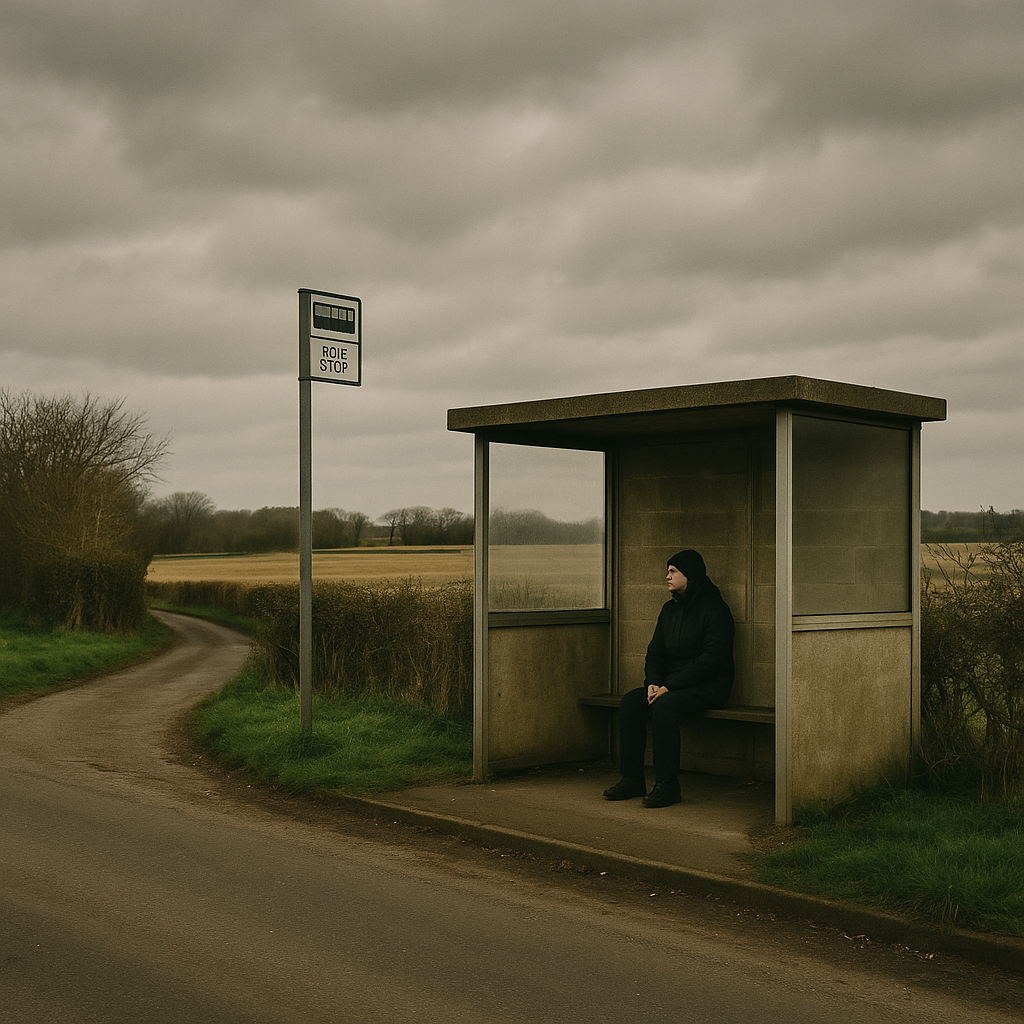
In rural areas, some routes will now run only at peak times, focusing on school and commuter journeys. Off-peak daytime services are being cut back to every hour or every two hours, and in a few cases, entire routes are being replaced with smaller demand-responsive minibuses that must be pre-booked.
On the busiest corridors into town, timetables are being adjusted rather than slashed. Here, operators are tweaking departure times to improve punctuality and match actual travel patterns, while keeping early morning and school-time journeys largely intact.
Why operators say changes are necessary
Bus companies point to a combination of rising fuel, wage and maintenance costs, alongside passenger numbers that have not fully recovered. They say some evening and rural journeys are carrying only a handful of passengers, making them heavily loss-making without extra support.
Operators argue that by trimming the quietest journeys and making targeted local bus timetable changes, they can protect the core network for the majority of users. They also stress that unreliable services risk driving more people back to cars, so some timetable revisions are aimed at improving timekeeping, even if it means slightly fewer buses overall.
Council funding pressures
Councils, which subsidise socially necessary but unprofitable routes, face their own budget constraints. Many are reviewing every contract to decide which services can be sustained. Priority is typically given to routes that link villages to essential services such as hospitals, colleges and major employment sites.
Some authorities are using targeted grants to keep key evening journeys running on Fridays and Saturdays, recognising the importance of safe travel options for night workers and people heading into town. However, they acknowledge that not every route can be saved.
Impact on commuters, students and rural residents
For regular commuters, the most significant effect of the local bus timetable changes will be on flexibility. Fewer late services mean less room for staying late at work or dealing with delays on connecting trains. Some passengers may find their usual bus leaves a few minutes earlier or later, so checking new timetables will be essential.
Students are particularly affected where school and college services overlap with public routes. In some areas, dedicated school buses are being protected, while public services used by older students are reduced. This may mean longer waits between buses or the need to switch to different routes and connections.
Rural residents face the starkest choices. Where off-peak buses are withdrawn, people without cars may have to rearrange appointments, rely on lifts, or use community transport schemes. The shift to pre-booked demand-responsive services could help some, but only if booking systems are simple and reliable.
What support and alternatives are being offered
To soften the blow of timetable cuts, councils and operators are promoting multi-journey tickets and capped fares on key corridors, aiming to keep regular travel affordable. Some are trialling flexible ticketing for part-time workers, recognising that commuting patterns have changed.
Community transport groups are stepping in where possible, offering shopper buses and dial-a-ride services for older and disabled residents. Local authorities are also encouraging residents to feed back on the local bus timetable changes, with consultation exercises promised before any further cuts are made.
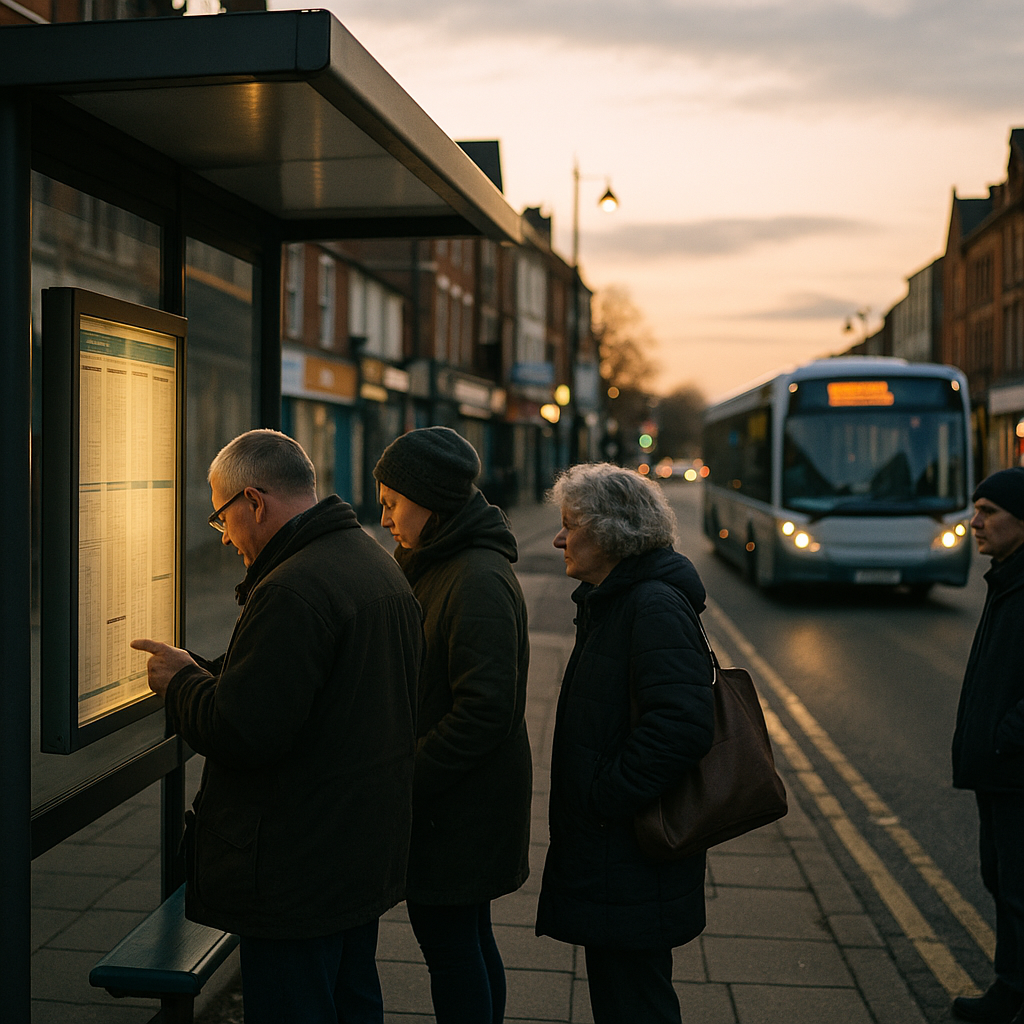
Passengers are advised to check updated timetables online, at bus stops or via printed leaflets, and to allow extra time while new schedules bed in. Anyone concerned about losing essential journeys is being encouraged to contact their councillor or local transport team to make their views known.
Local bus timetable changes FAQs
How can I check the new local bus timetable changes?
You can check the new local bus timetable changes on operator websites, via mobile apps, at bus stop displays, and through printed leaflets available on buses or at main stations. It is worth checking both your usual route and any alternatives in case departure times have shifted.
Why are evening and rural bus services being cut?
Operators say evening and rural services are the most expensive to run and often carry very few passengers. With rising costs and limited council funding, they argue that reducing or reshaping these routes helps protect the main daytime and commuter network, while some journeys may be replaced by demand-responsive services.
What support is available if my regular bus has been withdrawn?
If your regular bus has been withdrawn, you may be able to use alternative routes, demand-responsive services, or community transport schemes. Councils often provide information on supported services, and some offer travel advice lines to help passengers plan new journeys following local bus timetable changes.