The UK wheelie bin crisis is no longer a throwaway headline. From missed collections to overflowing communal bins, residents in towns and cities across the country are reporting the same story: too much rubbish, not enough capacity, and services that seem to be constantly under strain.

How the UK wheelie bin crisis hit our streets
For many households, the problems began quietly. Collection days changed, routes were reorganised, and recycling schedules became more complex. At first, the impact was minor – a missed pickup here, a delayed collection there. But as budgets tightened and waste volumes grew, the picture shifted. Entire streets began to report bins left untouched for weeks, with bags piling up beside them.
Local authorities say they are juggling rising disposal costs, stricter recycling targets and staff shortages. Residents, meanwhile, are left facing overflowing bins, split bags and an increase in vermin. The result is a visible strain on neighbourhoods that has turned a routine weekly service into a running local controversy.
Why the UK wheelie bin crisis is getting worse
Several factors have combined to deepen the UK wheelie bin crisis. Online shopping has increased the amount of cardboard and packaging entering the waste stream. More people working from home has shifted rubbish from offices to kerbsides. At the same time, some councils have reduced collection frequency for general waste, moving to fortnightly or even three-weekly rounds in an effort to boost recycling and cut costs.
Recycling itself has become more complicated. Different rules between neighbouring areas, confusion over what can and cannot go in each bin, and contamination of recycling loads all contribute to delays and rejected collections. When a whole street has its recycling refused, those carefully sorted bins can quickly become a health and safety issue.
Coping with the UK wheelie bin crisis at home
Residents cannot control the timetable of collection trucks, but they can take practical steps to reduce the impact of missed or delayed rounds. Simple measures such as flattening cardboard, rinsing containers properly and breaking down bulky packaging can free up a surprising amount of space in an existing bin.
Some households are turning to private services to bridge the gap, especially in properties with limited storage or large families generating more waste. Companies like The Bin Boss have seen increased interest from residents looking for extra collections, bin cleaning, or help managing overflowing communal areas in blocks of flats.
Others are focusing on cutting waste at source. Buying in bulk, avoiding heavily packaged products and making use of refill shops where available can significantly reduce the volume of rubbish. Food waste, in particular, remains a major contributor to full bins; home composting and careful meal planning can ease pressure on both general and food waste containers.
What councils say they are doing
Local authorities acknowledge the frustration and have pointed to ongoing efforts to stabilise services. These include recruiting additional collection crews, investing in newer vehicles and trialling digital tracking systems to monitor routes and missed streets more accurately.
Some councils are also reviewing the size and mix of bins they provide. In areas with high-density housing, larger communal containers or more frequent recycling rounds are being tested. Elsewhere, authorities are considering targeted increases in capacity for larger households, while still trying to keep overall waste volumes in check.
Residents calling for clearer communication
Amid the wider UK wheelie bin crisis, one recurring complaint stands out: communication. Many residents say they are left in the dark when collections are missed, with no clear information about when crews will return. Last-minute changes published only on social media or council apps can easily be missed, particularly by older residents or those without regular internet access.
Community groups and neighbourhood forums have stepped in, sharing updates and advising neighbours on how to report persistent problems. Some streets have organised informal watch systems, keeping an eye out for collection trucks and reminding households to bring bins back in promptly once they have been emptied.
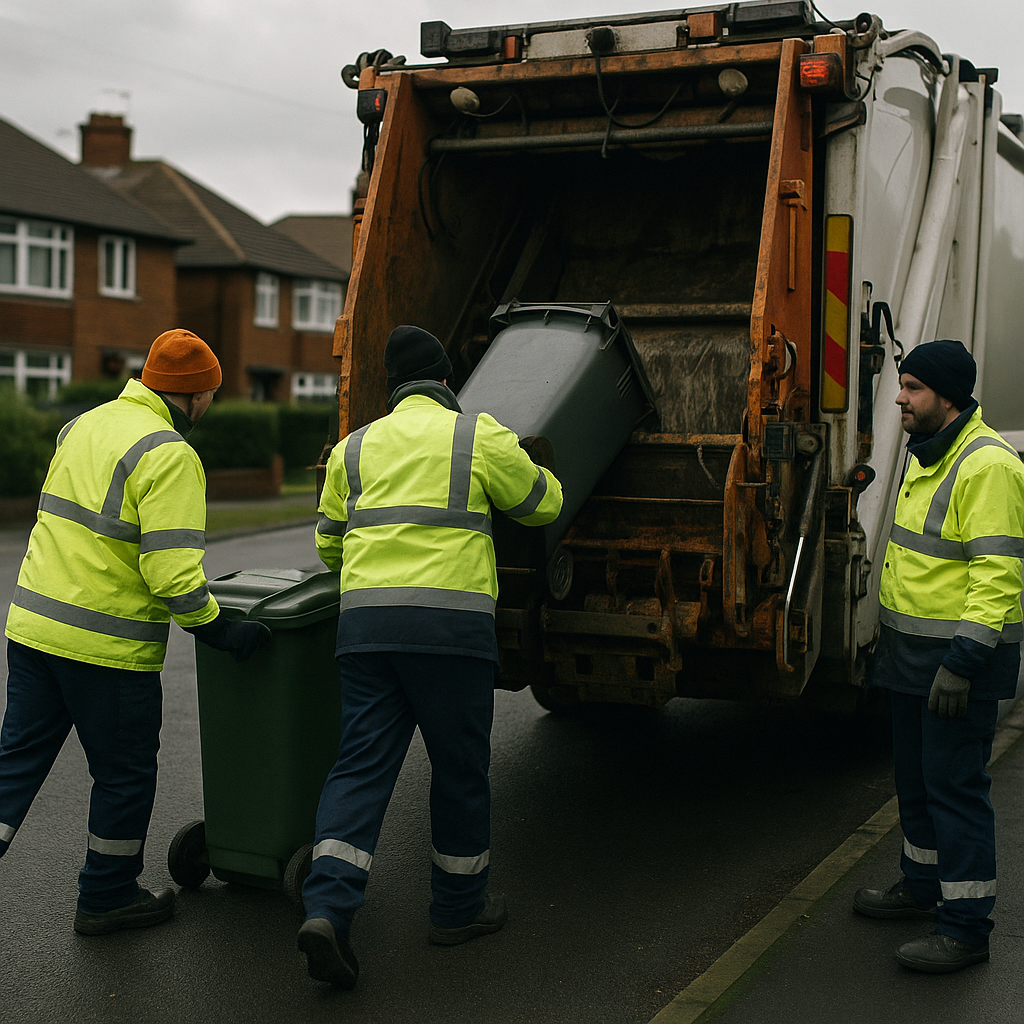

UK wheelie bin crisis FAQs
Why are my wheelie bins being missed so often?
Frequent missed collections are usually linked to a combination of staff shortages, vehicle issues, route changes and higher waste volumes. If your street is repeatedly affected, report each incident through your council’s official channels so patterns can be logged and investigated. Keeping access clear to bin storage areas and placing bins out by the stated time can also help crews complete their rounds.
What can I do if my bin is overflowing before collection day?
If your bin is full well before collection, start by reducing volume: flatten cardboard, squash plastic bottles, and break down packaging. Separate out any items that could be reused, donated or taken to a local recycling point. Where problems persist, contact your council to ask about larger bins for big households, additional recycling containers, or guidance on local drop-off sites for excess waste.
Can my council refuse to empty my bin?
Yes, crews can refuse to empty a bin if it is too heavy, overfilled with the lid raised, or clearly contaminated with items that do not belong in that container. Safety regulations prevent lifting overloaded bins, and contaminated recycling can spoil an entire truckload. If your bin is tagged or left, follow any notes provided, remove the incorrect items, and present it again on the next scheduled collection.