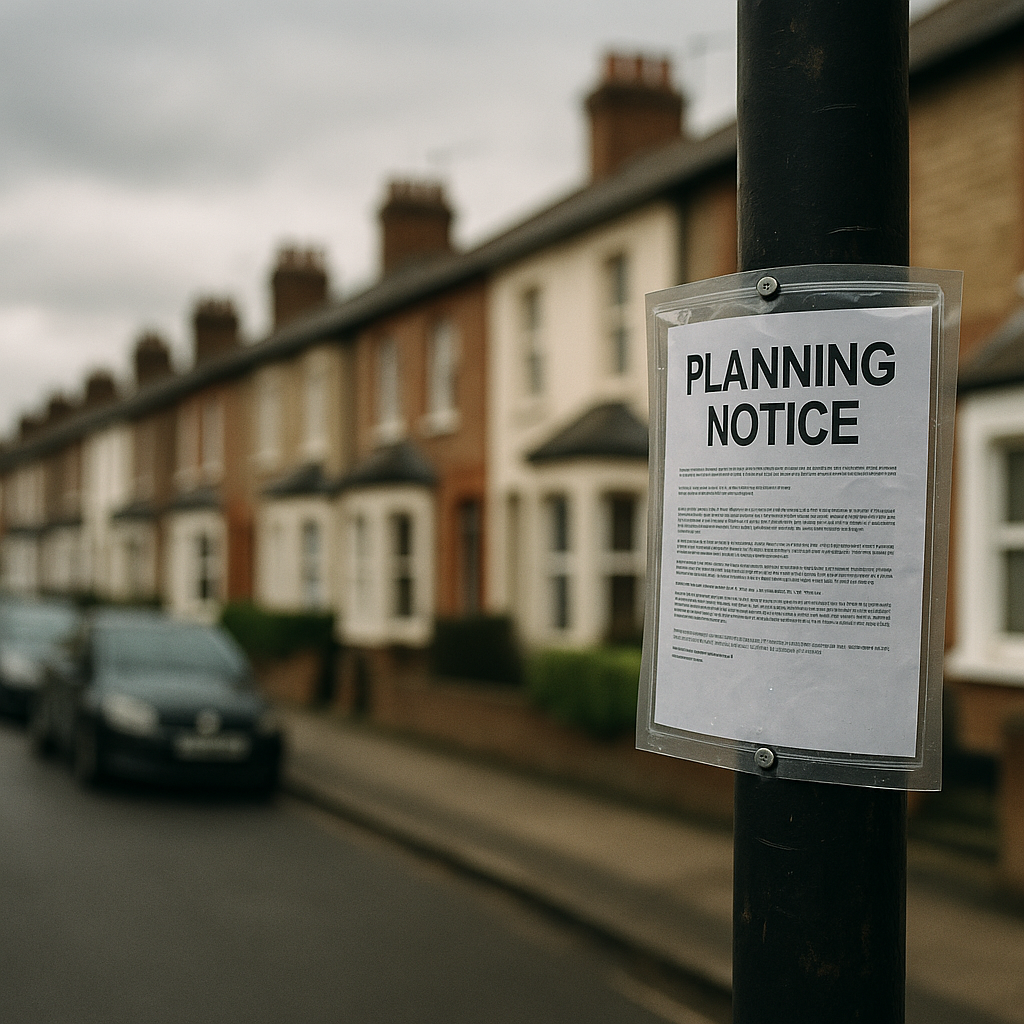
A new block of flats is going up two doors down. A supermarket chain wants to take over the old pub on the corner. Someone has applied to turn a family home into a house of multiple occupation. These things happen all the time across the UK, and in most cases, residents have every right to have their say. The trouble is, most people simply do not know how to find local planning applications, let alone what to do once they have tracked one down.
This is your guide to cutting through the jargon, understanding what these documents actually mean, and making your voice heard before the diggers arrive.
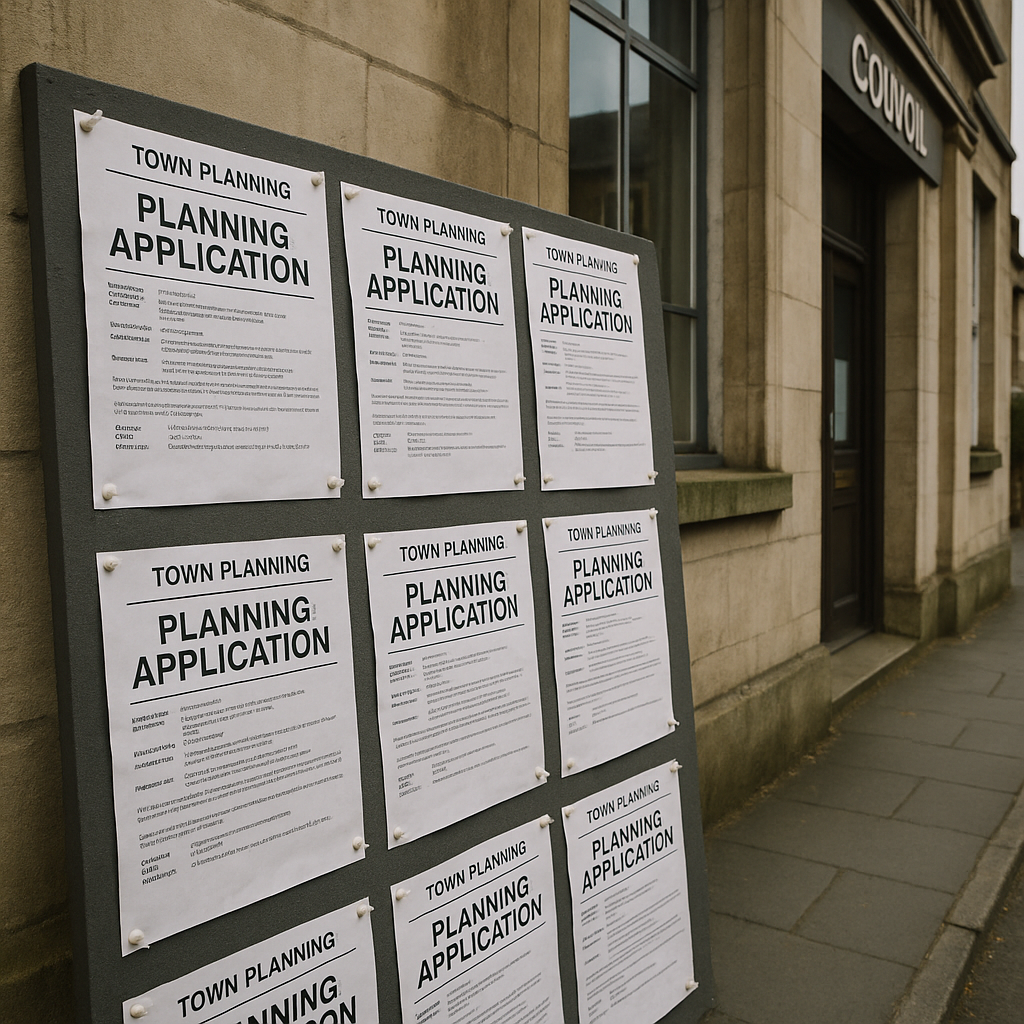
Where to Find Local Planning Applications Near You
Every planning application submitted in England must be registered on the relevant local authority’s planning portal. Your first port of call is your council’s own website. Most councils now have a dedicated planning search tool where you can look up applications by postcode, street name, or application reference number.
There is also the national gov.uk directory for locating your specific council’s planning pages if you are unsure where to start. Simply enter your postcode and you will be taken straight to the right authority.
Many councils also publish weekly lists of new applications, which are sometimes available as email newsletters or RSS feeds. Signing up takes about two minutes and means you will never be caught off guard by a development in your area again. Parish councils, where they exist, are also required to be notified of applications in their area, so attending a local parish meeting is another practical way to stay informed.
How to Read a Planning Application Without Getting Lost
At first glance, a planning application can look like a heap of technical documents. There are location plans, site plans, design and access statements, flood risk assessments, and more. It can feel overwhelming. But you do not need to read every page to understand the basics.
Start with the application form itself. This will tell you who is applying, what type of development is proposed, and when a decision is expected. Then look at the site location plan, which shows exactly which piece of land or property the application covers. Finally, the design and access statement (where one is included) sets out the reasoning behind the proposal in plain language.
The application type matters too. A householder application covers extensions and alterations to an existing home. A full planning application is used for new builds or significant changes of use. Permitted development is slightly different again; some smaller works do not require formal planning permission at all, though a certificate of lawfulness can still be applied for to confirm legality.

Do You Have the Right to Object to a Planning Application?
Yes. Any member of the public can submit a comment on a local planning application, whether that comment is in support, in objection, or simply neutral and informational. This is called a material planning representation, and it must be considered by the planning officer handling the case.
The key word here is material. Comments that carry genuine weight with planning officers tend to focus on relevant planning considerations, things like the impact on neighbouring properties, traffic and highways, design and character of the local area, noise, and flooding risk. Comments that are unlikely to influence a decision include things like a general dislike of the applicant, the effect on property values, or personal grievances that have nothing to do with the physical development itself.
You will typically have 21 days from the date a valid application is registered to submit your comments. The council is required to publicise applications by notifying nearby properties directly, putting up site notices, or publishing in a local newspaper, depending on the type of application. If you miss that window, it is still worth contacting the planning officer directly, as late representations can sometimes still be considered before a decision is made.
How to Write an Effective Objection (or Letter of Support)
Keep it factual. Keep it focused on planning policy. And keep it polite. A well-argued, evidence-based letter of objection will always carry more weight than an angry rant, even if the anger is completely understandable.
Reference specific local or national planning policies where you can. Most local councils publish their Local Plan online, which sets out the policies that planners must apply when making decisions. If a proposed development seems to contradict one of those policies, say so clearly and quote it directly.
If you are organising a community response, a single well-written letter signed by many residents often has more impact than dozens of similar individual letters. Local councillors can also be influential in calling for applications to be decided by committee rather than by a planning officer alone, particularly if public interest is high.
Residents organising around planning issues sometimes cross paths with other local matters. One resident in a Midlands street recently told us she got drawn into her neighbourhood’s planning dispute while she was already researching a separate issue about a commercial garage and its trade in parts from Mitsubishi breakers, and how that activity was affecting their residential street’s character. It is a good example of how planning concerns often overlap with broader community issues.
What Happens After a Decision Is Made
If the application is approved, the council will issue a decision notice setting out any conditions attached to the permission. These conditions can cover everything from the hours of construction to the materials used on the exterior. If you feel those conditions are not being followed once work begins, you can report a potential breach of planning control to your council’s enforcement team.
If the application is refused, the applicant can appeal to the Planning Inspectorate. As an objector, you have the right to be notified of any appeal and to submit further comments at that stage.
If you believe an approved application was decided unlawfully, you may be able to challenge the decision through judicial review, though this is a complex and costly route that requires legal advice. For most residents, the more practical approach is to engage early, respond clearly, and build community support before a decision is reached rather than after.
Staying Ahead of Developments in Your Area
Local planning applications are one of the most direct ways in which policy decisions affect the places you live. A planning committee can approve something that changes the look and feel of a street for decades. Staying informed is not just a civic right; for most people, it also has a very real impact on daily life.
Set up that postcode alert on your council’s website. Bookmark the planning portal. Attend your local parish or town council meeting when a significant application comes up. These small habits mean you will never again find out about a major development from the sound of a demolition crew outside your window.
Frequently Asked Questions
How do I find planning applications in my area?
Visit your local council’s website and use their planning search tool, which lets you search by postcode or street. You can also sign up to weekly notification emails so new applications are flagged automatically as soon as they are registered.
How long do I have to object to a planning application in the UK?
You typically have 21 days from the date the application is publicly registered to submit your comments. It is worth checking the specific consultation deadline shown on the application listing, as it can vary slightly between councils.
Can a neighbour's objection actually stop a planning application?
Objections alone cannot automatically block an application, but they can influence the decision, especially if they raise valid planning policy concerns. A large volume of objections may also prompt the council to refer the decision to a planning committee rather than delegating it to an officer.
What counts as a valid planning objection?
Valid objections must be based on material planning considerations, such as impact on neighbours, traffic, design, noise, or flood risk. Personal disputes, the effect on house prices, or objections to the applicant personally are not considered material and will carry little or no weight with planners.
What can I do if a planning application is approved and I disagree with the decision?
If you believe the decision was unlawful, you can seek legal advice about judicial review, though this is rarely practical for individual residents. More commonly, residents monitor whether planning conditions are being followed and report breaches to the council’s enforcement team if they are not.