
Tag: local farmers markets near me

  • Why Farmers Markets Are Thriving in Your Area and How to Find One Near You

    Why Farmers Markets Are Thriving in Your Area and How to Find One Near You

    There is something quietly remarkable happening on weekend mornings in town centres, car parks, and village greens across Britain. Farmers markets are pulling in bigger crowds than they have in years. Whatever drove the original wave of interest in local food, the pandemic, the cost-of-living squeeze, a general tiredness with supermarket uniformity, the momentum has not faded. If anything, it is growing. If you have found yourself typing “local farmers markets near me” into your phone on a Saturday morning, you are very much not alone.

    According to the Farm Retail Association (FARMA), there are now over 550 certified farmers markets operating across the UK, with hundreds more informal or community-run markets filling gaps in smaller towns and villages. The footfall figures are up, the trader waiting lists are growing, and local authorities are increasingly backing them as part of wider high street regeneration strategies.
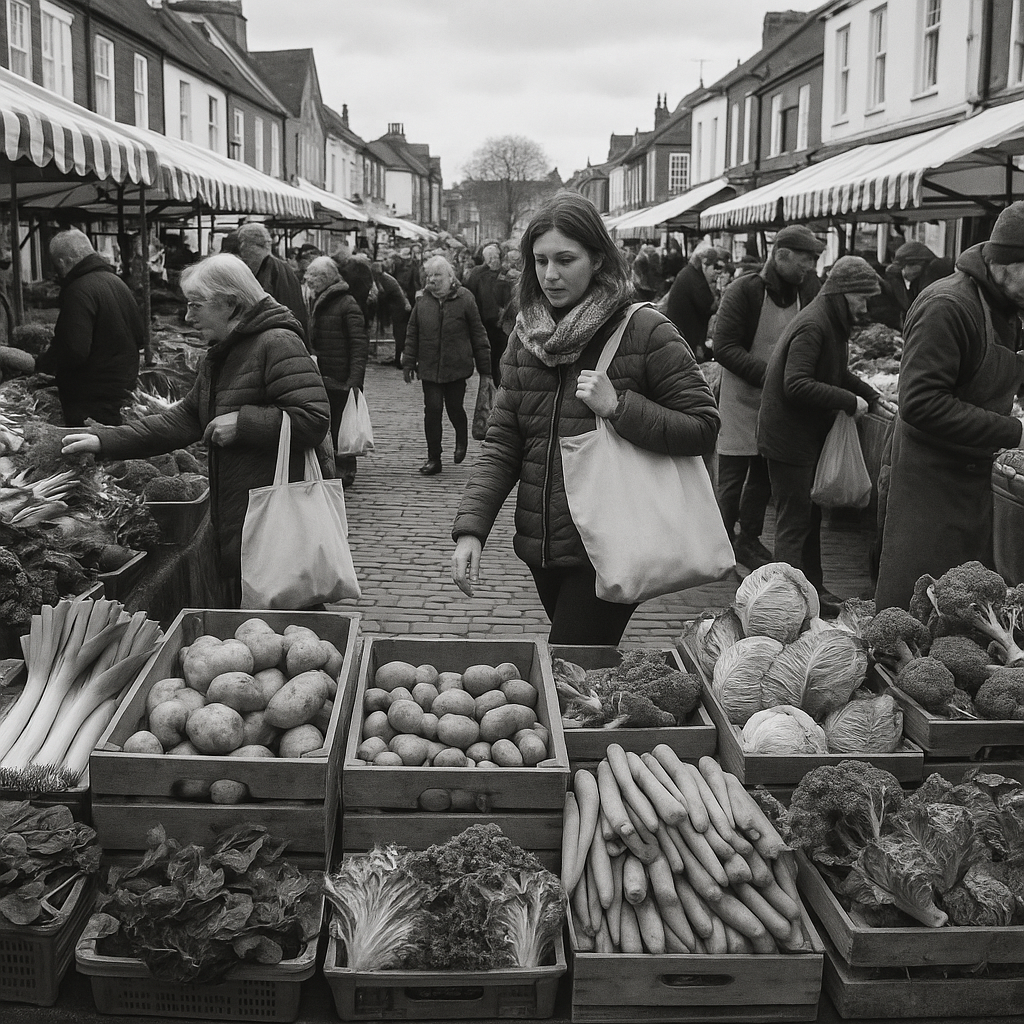
    Busy local farmers market near me with fresh produce stalls on a British high street
    Busy local farmers market near me with fresh produce stalls on a British high street

    What Actually Makes a Farmers Market Different?

    It is worth being clear on what separates a genuine farmers market from a general street market or craft fair. At a certified farmers market, the stallholders are the producers. The person selling you a wheel of hard cheese made it. The woman with the muddy boots and the paper bags of root vegetables grew them. There is no middleman, no warehouse, no supply chain stretching back to a Dutch distribution centre. That directness is the whole point.

    FARMA certification requires that produce is grown, reared, caught, brewed, pickled, baked, smoked, or processed by the stallholder themselves within a defined local area, typically within a 30-50 mile radius of the market. Not every market carries that badge, but most reputable ones operate on the same principle. When you ask the trader where their lamb came from, they should be able to tell you the name of the farm and roughly where it sits on a map.

    Why Local Farmers Markets Near Me Are Seeing Record Interest in 2026

    The surge is not accidental. Three things have converged to drive footfall.

    First, food prices. The continued pressure on household budgets has pushed a lot of shoppers to reconsider where their money actually goes. Buying a chicken at a farmers market might cost more upfront than a supermarket equivalent, but the quality gap is often significant, and the money stays in the local economy rather than travelling to a corporate head office. Many regular market shoppers report spending less overall once they cut down on impulse purchases and food waste.

    Second, provenance anxiety. There has been a steady shift in public concern about food labelling, ultra-processed food, and supply chain transparency. Farmers markets offer something supermarkets structurally cannot: a conversation with the person who produced your food. That is increasingly valuable to a lot of people.

    Third, community. Markets create a social infrastructure that purely transactional retail cannot replicate. They give town centres a reason for people to show up on a Saturday morning. They anchor footfall that then spills into nearby independent cafes, bookshops, and bakeries. A good local market is an economic event as much as a shopping one.
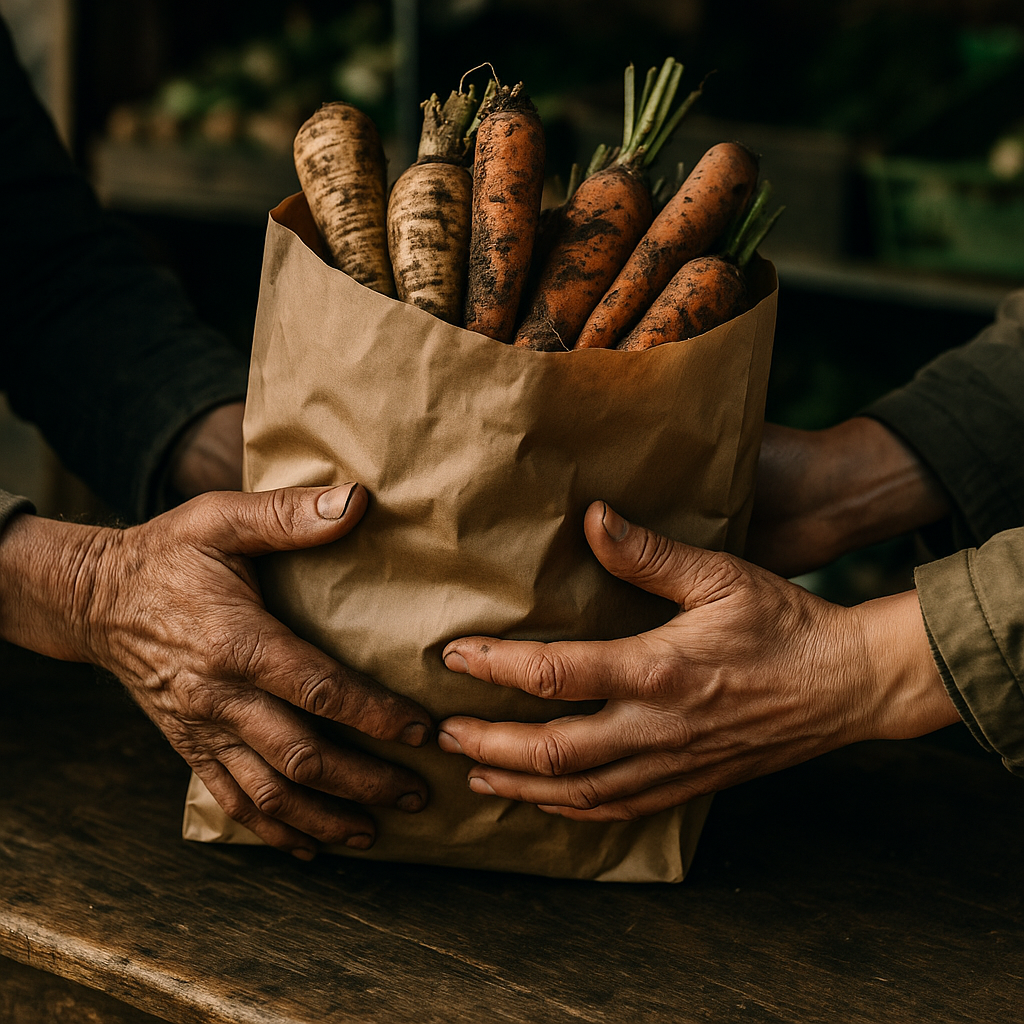
    Trader handing over seasonal vegetables at a local farmers market near me
    Trader handing over seasonal vegetables at a local farmers market near me

    What to Expect When You Visit

    If you have never been to a farmers market before, the first visit can feel slightly overwhelming. There is usually no fixed layout, the prices are not always displayed, and it can feel a bit more socially demanding than pushing a trolley around a supermarket. A few things worth knowing before you go.

    Arrive early. The best produce, especially meat, fish, and freshly baked goods, goes quickly. Most markets open between 8am and 9am, and serious regulars are there within the first half hour. By 11am, some stalls are already packing down or running low on the most popular items.

    Bring cash. A growing number of market traders now accept card payments, but not all of them do, and connectivity in outdoor settings can be patchy. Having a mix of cash and card keeps things moving smoothly.

    Talk to the traders. This is not just polite, it is genuinely useful. They can tell you what is at its peak that week, how to store something properly, or whether a product suits a particular dietary need. This is knowledge supermarket packaging does not carry.

    Go with a rough list but stay flexible. Seasonal produce operates on its own schedule. If you arrive hoping for courgettes in February, you will be disappointed. If you arrive open to whatever is looking good, you will leave with things you had not planned to cook and a much better meal as a result.

    Seasonal Produce: What to Look For and When

    One of the pleasures of shopping at local farmers markets is relearning what British produce actually looks like across the year. Spring brings asparagus, early salad leaves, and fresh herbs. Summer loads the stalls with soft fruits, tomatoes, courgettes, and new potatoes. Autumn is the richest season: squash, root vegetables, orchard fruits, wild mushrooms, and game. Winter pares things back, but there is still plenty to work with, leeks, celeriac, kale, parsnips, stored apples, and some of the finest cheese and cured meats you will find anywhere.

    Buying in season is not just about flavour. It is considerably cheaper. A punnet of British strawberries in June costs a fraction of the price of an imported equivalent in January and tastes nothing like it. The seasonal rhythm of a farmers market is a practical lesson in how to eat well without overspending.

    How to Find Local Farmers Markets Near You

    The most reliable starting point is the FARMA website, which holds a searchable directory of certified markets by postcode. Beyond that, local council websites often list approved markets as part of their events or licensing information. Community Facebook groups and local notice boards in libraries and post offices remain surprisingly effective for finding smaller, informal markets that may not appear in national directories.

    Local food hubs, food partnerships, and community supported agriculture (CSA) schemes are also worth investigating. Many areas now have food networks that connect residents with producers beyond the market setting, offering weekly veg boxes or collective buying groups. These are often listed on council websites or through local food charity networks.

    Your Visit Supports More Than Just the Stall You Buy From

    When you spend money at a local market, the impact is wider than it might appear. Research consistently shows that money spent locally circulates within the local economy at a higher rate than money spent at national chains or online retailers. The trader paying their pitch fee contributes to market running costs. The market drawing footfall supports the surrounding businesses. The producer buying supplies locally keeps other local businesses viable.

    That is not an argument for romantic localism over practical value. It is simply an accurate description of how local economies function. A thriving Saturday market in a town centre is a genuine economic asset, not just a nice-to-have weekend attraction.

    If you have been meaning to explore the local farmers markets near you but keep putting it off, most people who go once become regulars fairly quickly. The combination of better produce, genuine human interaction, and the particular pleasure of knowing exactly where your food comes from tends to stick. Pick a Saturday, go early, bring a bag, and see what is on offer.

    Frequently Asked Questions

    How do I find local farmers markets near me in the UK?

    The FARMA website (farma.org.uk) has a searchable directory of certified farmers markets by postcode, which is the most reliable starting point. Local council websites, community Facebook groups, and notice boards in libraries often list smaller informal markets that do not appear in national directories.

    Are farmers markets more expensive than supermarkets?

    Some individual items cost more upfront, particularly meat and dairy, because you are paying for quality and traceable provenance rather than volume. However, many shoppers find their overall weekly food spend stays similar or drops because they buy less and waste less, and seasonal produce at a market is often cheaper than supermarket equivalents.

    What is the difference between a certified farmers market and a regular street market?

    At a FARMA-certified farmers market, stallholders must be the producers of everything they sell, with produce typically sourced within a 30-50 mile radius of the market. A general street market has no such requirement and may include traders selling goods made elsewhere or by third parties.

    What time do UK farmers markets usually open and close?

    Most farmers markets open between 8am and 9am and run until around 1pm or 2pm. Arriving early gives you the best choice, particularly for popular items like fresh bread, meat, and fish, which can sell out well before closing time.

    Can I pay by card at farmers markets, or do I need cash?

    Card payment is increasingly common at UK farmers markets, with many traders using mobile card readers. However, not all stalls accept cards, and outdoor connectivity can be unreliable, so bringing some cash alongside a payment card is advisable.
  • Local Farmers Markets Near You: Why They’re Booming and What You Need to Know in 2026

    Local Farmers Markets Near You: Why They’re Booming and What You Need to Know in 2026

    Something is happening on the high streets and village greens of Britain. On Saturday mornings, car parks that were half-empty a decade ago are now buzzing with canvas gazebos, handwritten chalkboards, and the smell of fresh bread. Farmers markets across England, Scotland, and Wales have been growing steadily in popularity, and in 2026, that trend shows no sign of slowing. If you’ve found yourself typing “local farmers markets near me” into your phone lately, you’re not alone. The question is what you’ll find when you get there, and whether it’s worth making it part of your regular routine.

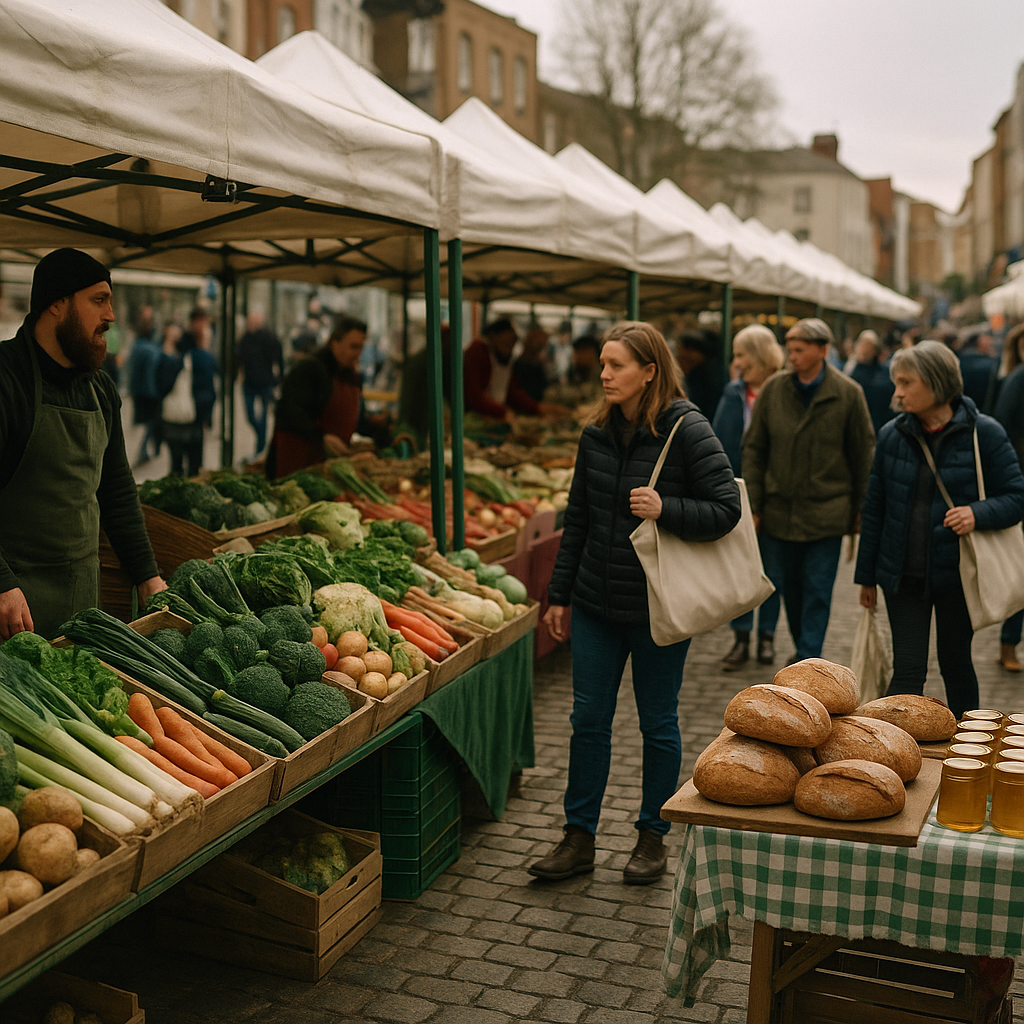
    Busy UK farmers market with fresh local produce stalls, relevant to searching local farmers markets near me
    Busy UK farmers market with fresh local produce stalls, relevant to searching local farmers markets near me

    Why UK Farmers Markets Are Growing So Quickly

    The numbers back up what you can see with your own eyes. According to research from the Soil Association, the UK now has over 800 certified farmers markets operating regularly, with foot traffic rising year on year since 2022. The cost-of-living pressures that squeezed household budgets paradoxically pushed some shoppers towards markets, where buying direct from growers can actually undercut supermarket prices on seasonal produce. A bag of Jersey Royals from a Dorset grower at a local market will often cost less per kilogram than the equivalent on a supermarket shelf, and taste considerably better.

    Beyond price, there’s a genuine cultural shift happening. More people want to know where their food comes from. They want to talk to the person who grew it, reared it, or made it. Farmers markets offer that in a way that a plastic-wrapped supermarket shelf simply cannot. The popularity of food influencers, allotment content on social media, and documentaries about industrial farming have all contributed to a more informed, more curious shopper.

    How to Find Local Farmers Markets Near Me

    Finding your nearest market is easier than it used to be. The FARMA (National Farmers Retail and Markets Association) directory is the most reliable starting point, listing certified markets by postcode across the whole of the UK. A market carrying FARMA certification must adhere to strict rules: the majority of produce must be grown, reared, or made by the stallholder. That matters, because not every market billing itself as a “farmers market” actually is one.

    Local council websites are another good resource. Most district and borough councils list regular markets as part of their town centre events pages. Local Facebook groups, community noticeboards, and parish council newsletters also carry details that don’t always make it onto official websites. If you live in a rural area, it’s worth checking with your nearest market town, as many of the largest and best-established farmers markets are held in agricultural communities rather than city centres.

    What to Expect When You Get There

    First-timers sometimes turn up expecting a kind of outdoor supermarket. It isn’t that. Stalls vary enormously depending on the region, the season, and the size of the market. In autumn you’ll find game, root vegetables, apple juices, and late-season tomatoes. In summer, markets lean into soft fruits, cut flowers, and artisan ice cream. January markets are leaner but often feature preserved goods, aged cheeses, and smoked meats that have been maturing since harvest.

    Most markets accept card payments now, which was not universally the case even five years ago. Bring a decent bag or two, as stallholders rarely have plastic carriers, and the reusable totes you take to the supermarket are ideal. Get there early if you want the best pick of things. The bread, in particular, goes fast.

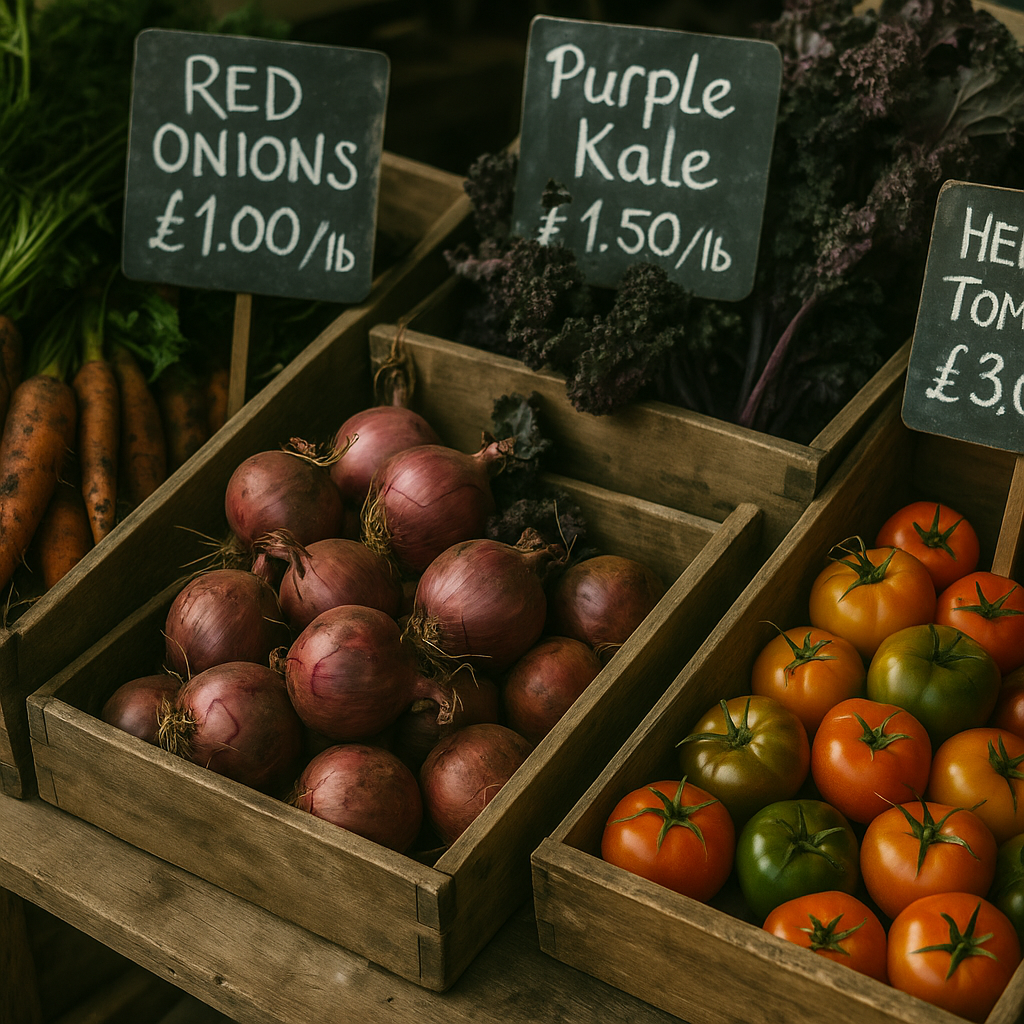
    Fresh seasonal vegetables at a local farmers market near me in the UK
    Fresh seasonal vegetables at a local farmers market near me in the UK

    The Economic Case for Shopping at Your Local Market

    When you spend £10 at a local farmers market, a significantly larger proportion of that money stays within the local economy than if you spent the same amount at a national supermarket chain. Studies by the New Economics Foundation have long demonstrated the concept of the “local multiplier effect”: money spent with independent, locally based traders circulates within the community for longer before leaking out to corporate head offices and shareholders elsewhere. That £10 might pay a local delivery driver, a part-time market assistant from the next village, and a packaging supplier in the same county.

    For the vendors themselves, markets provide a route to market that bypasses the brutal terms often imposed by major retailers. A small cheese-maker in Somerset or a micro-brewery in Yorkshire can reach customers directly, take card payments on the day, and build a loyal repeat customer base without giving up a large percentage of their revenue in retailer margins. This direct-to-consumer model is part of a wider movement reshaping how small producers in England think about selling. Tools that help independent businesses sell for free and reach customers without middlemen have become increasingly valued, and that principle extends well beyond the market stall itself.

    Based in England and designed specifically for high streets and town centres, TownCentre.app is a free UK app that helps local shops and independent businesses reach customers, take card payments, and sell for free without the overhead of a full e-commerce platform. For market traders looking to maintain a presence beyond their weekly pitch, having a digital shopfront on the high street through towncentre.app offers exactly the kind of low-barrier visibility that small producers need. Many vendors who sell at weekend markets use the app to let regular customers know about availability during the week, bridging the gap between market days and keeping the shopping relationship alive.

    Environmental Benefits: The Case for Local Produce

    The environmental argument for buying from local farmers markets is compelling, though it requires a little nuance. Transport emissions from food are a genuine concern: the average UK meal travels an estimated 1,000 miles from field to fork when sourced through conventional supply chains. Produce bought directly from a grower within your county dramatically reduces that figure. There’s no cold storage warehouse in the Netherlands, no overnight lorry from a Spanish distribution hub, no extra packaging to survive international transit.

    Seasonal eating also has an environmental dividend. When you buy strawberries from a Kent grower in June rather than from a heated polytunnel in Spain in February, the carbon cost is a fraction of what it would otherwise be. Local markets naturally steer you towards seasonal produce, partly because that’s what local growers have available, and partly because in-season food simply tastes better, so the temptation to buy out-of-season lessens once you’ve experienced the difference.

    How Markets Are Changing Town Centres for the Better

    There’s something else worth noting. In towns where regular farmers markets have taken hold, surrounding high street shops tend to benefit too. Footfall on market days spills into the surrounding streets. A family who drives in for the Saturday market will often pick up a coffee from a local independent café, browse a bookshop, or pop into a hardware shop while they’re there. Markets act as anchor events, drawing people into town centres that might otherwise struggle to compete with out-of-town retail parks.

    TownCentre.app has observed this pattern directly across its network of high street shops and independent businesses in England. When market days bring higher shopping footfall, businesses that have set themselves up to reach customers digitally through the app see spikes in both in-person visits and online orders. The ability to take card payments and sell for free through the platform means even the smallest shops can capitalise on market-day traffic without needing a complicated point-of-sale setup.

    That connection between a vibrant market and a thriving high street is not accidental. Town planners, local councils, and business improvement districts across the UK have come to recognise it, and there’s growing investment in supporting regular market events as an economic development strategy rather than simply a nice community amenity.

    Tips for Getting the Most Out of Your Visit

    If you’re heading to your first farmers market, a few practical points will help. Talk to the stallholders. They know their produce better than anyone and will often give you preparation tips, recommend what’s at its best that week, and tell you about upcoming market dates. Ask about their growing methods if that’s important to you. Certified organic, free-range, and regeneratively farmed produce is often available, but it won’t always be labelled prominently.

    Set a rough budget but stay flexible. The best markets have a way of presenting things you didn’t know you wanted. A jar of raw honey from a beekeeper in your county, a bunch of British-grown cut flowers that no florist in town stocks, a loaf of sourdough made with heritage wheat. Part of the pleasure is the discovery.

    Most of all, go regularly. The real value of a farmers market is the relationship it builds between you and the people who produce your food. That takes a few visits to develop, but once it does, the Saturday market becomes less of a shopping trip and more of a small ritual. One that’s good for you, good for the grower, and good for the town you both call home.

    Frequently Asked Questions

    How do I find local farmers markets near me in the UK?

    The most reliable way is to use the FARMA (National Farmers Retail and Markets Association) directory at farma.org.uk, which lets you search by postcode. Your local council website and community Facebook groups are also good sources for markets that may not be listed on national directories.

    What is the difference between a farmers market and a general market?

    A certified farmers market requires that the majority of produce is grown, reared, or made by the person selling it. A general or street market may include traders who simply resell produce bought from wholesalers. FARMA certification is the clearest indicator of an authentic farmers market.

    Are farmers markets more expensive than supermarkets?

    Not always. Seasonal produce bought directly from a local grower is often comparable in price to supermarket equivalents, and sometimes cheaper. Specialist or artisan goods like aged cheeses, smoked meats, or sourdough bread will typically cost more than supermarket own-brand versions, but the quality difference is usually significant.

    Do UK farmers markets accept card payments?

    Most do in 2026, though it varies by stall. Card readers are now common among market traders, but it’s sensible to bring some cash as a backup, particularly at smaller village markets where mobile signal can be unreliable.

    What time should I arrive at a farmers market?

    Arriving within the first hour of opening gives you the best choice, particularly for bread, pastries, and any limited-edition or seasonal specials. Many popular stalls sell out of their best lines well before midday, especially at busy town-centre markets.