
Walk down most British town centres these days and something feels different. It is not just the empty units being repurposed or the new café where the old phone shop used to be. There is a quiet but unmistakable technological shift happening on the high street, and it is changing the way local communities shop, socialise, and do business. High street regeneration has become one of the defining stories of 2026, and towns from Sunderland to Shrewsbury are at the centre of it.
According to the Office for National Statistics, online retail’s share of total UK retail sales has stabilised after years of growth, hovering around 25 to 27 per cent. That plateau has given councils and property developers a window of opportunity. Physical retail is not dead. But it is being asked to justify itself in ways it never had to before.
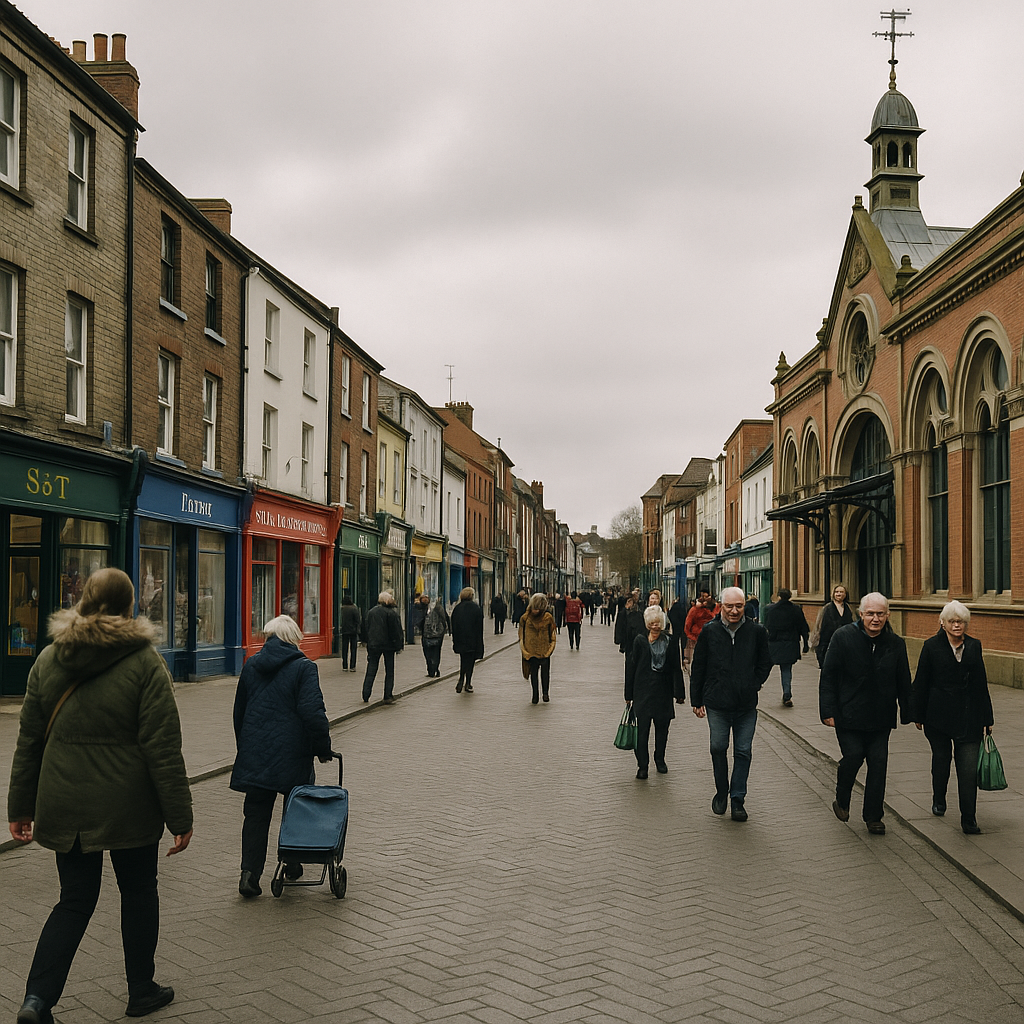
What Does High Street Regeneration Actually Look Like in 2026?
The word “regeneration” gets thrown around a lot in local politics. Councillors love it. Developers love it even more. But on the ground, what does it actually mean for the people who live nearby?
In many towns, it starts with empty units. The UK still has thousands of vacant retail spaces left behind by the collapse of chains like Wilko, Debenhams, and dozens of smaller names. Local authorities have been handed government funding through schemes like the Long-Term Plan for Towns to turn those gaps into something useful. Some are becoming community hubs. Others are being converted into workshops, health services, or food markets. A growing number are hosting small businesses that would not have been able to afford a shopfront five years ago.
Technology is woven through nearly all of it. Free high-speed public Wi-Fi is now standard in most regenerated zones. Digital wayfinding screens help visitors find local businesses and upcoming events. Some town centres in the Midlands and the North have trialled smart parking systems that guide drivers to available spaces in real time, reducing the circling and frustration that puts people off visiting altogether.
Independent Businesses Are the Ones Filling the Gaps
Here is something that does not make the national news often enough: independent businesses are driving a significant portion of the recovery. Not the big chains. Not Amazon collection points. Small, often locally-owned operations that have found a market gap and moved into it with energy and purpose.
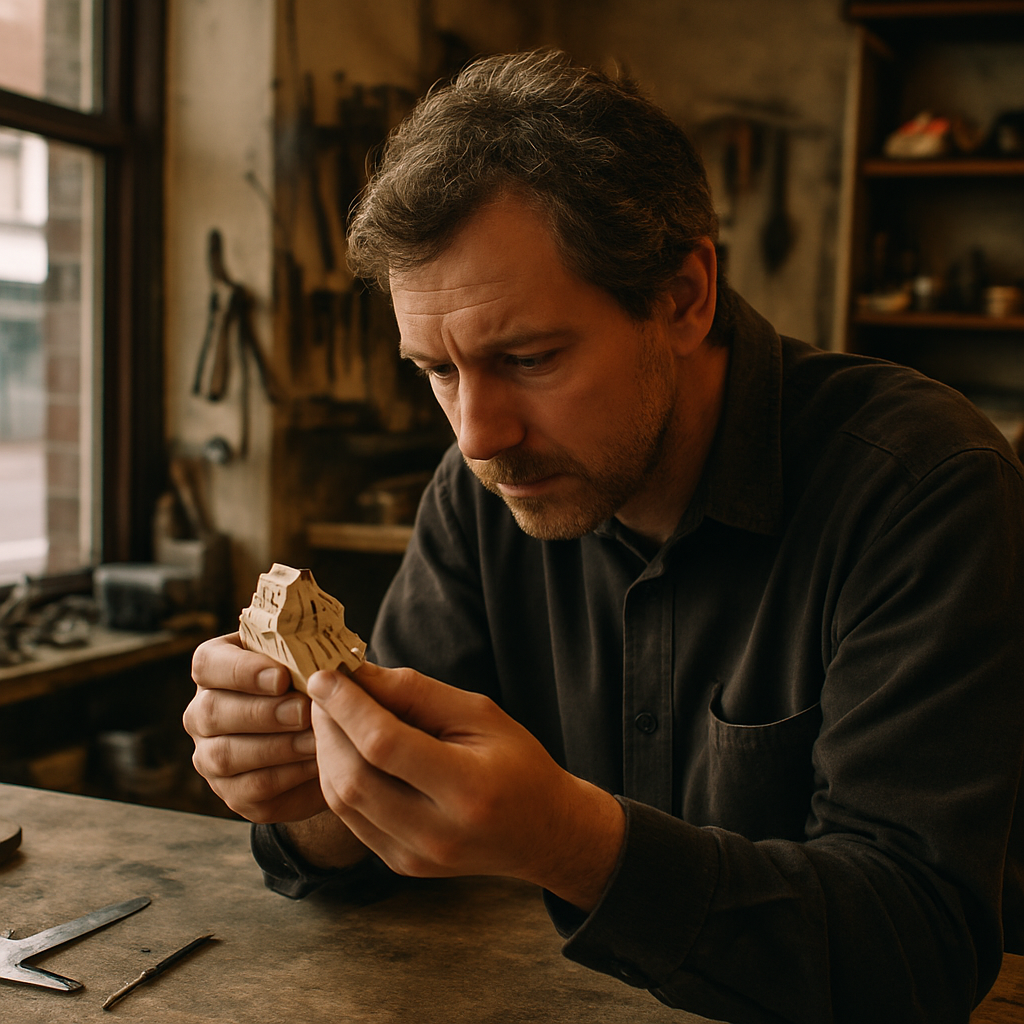
Artisan bakeries, independent bookshops, specialist record stores, craft beer taprooms. These are the names you are seeing above new shop doors. And alongside them, a wave of maker businesses that combine digital production with physical retail. Think bespoke goods, personalised items, and small-run products made to order. Some of these businesses rely on tools like 3d print services to produce prototypes or limited-edition stock without the cost of traditional manufacturing, making it genuinely viable to sell something unique at a high street price point.
Which Towns Are Leading the Way?
Stockton-on-Tees has been one of the more talked-about examples. The council there invested heavily in its town centre masterplan, bringing in a new creative quarter and flexible workspace. Footfall increased noticeably in the two years following the initial phase. Wolverhampton has undertaken a similar push, with the Westside regeneration project drawing in new hospitality and leisure businesses to a previously struggling area.
Smaller towns are not sitting still either. Hebden Bridge in West Yorkshire, long a magnet for independent traders, has doubled down on its identity. Totnes in Devon continues to operate as a kind of living experiment in community-led commerce. These are not isolated flukes. They are proof that high street regeneration works best when it grows from the character of a place rather than being imposed on it.
What sets the success stories apart is usually the same thing: genuine community involvement. Residents who feel listened to, local business owners who helped shape the plans, and councils willing to move faster than the usual planning timescales allow.
The Planning Permission Bottleneck
Not everything is moving smoothly. Planning permission remains a serious obstacle for many regeneration projects. Converting a former retail unit into a community space or a mixed-use development often requires permitted development rights or full applications that can take months. Some councils have streamlined the process; many have not.
The government’s updated National Planning Policy Framework, revised in late 2024, made some provisions for faster high street conversions, but local authorities interpret these rules in wildly different ways. In practice, a project that sails through in one county can stall for over a year in the next. It is one of the frustrations that local campaigners and business owners raise most consistently.
There is also the issue of business rates. Despite repeated calls for reform, the current system still penalises physical premises in ways that online-only businesses simply do not face. Many small high street traders pay rates that are disproportionate to their turnover. Until that changes structurally, the playing field will remain uneven.
What Can Local Residents Actually Do?
This is the question that matters most to most people reading this. Quite a lot, as it turns out.
Attending council meetings where regeneration plans are discussed is more powerful than it sounds. Councils are required to consult publicly on major town centre schemes, and local voices do shift decisions when they show up in numbers. Writing to your local ward councillor about specific empty buildings or neglected public spaces costs nothing and sometimes produces results surprisingly quickly.
Spending money locally is the other obvious lever. It sounds simple because it is. A town where residents actively choose local independents over out-of-town retail parks generates the footfall that makes further investment worthwhile. High street regeneration is not just a council project. It is a daily vote cast every time someone buys a loaf from a local bakery instead of a supermarket.
There are also community benefit societies and town centre partnerships emerging in many areas, which allow residents to become formal stakeholders in their high street’s future. Some have bought buildings outright and converted them into co-working spaces, market halls, or cultural venues. These models are spreading.
The Bigger Picture
Britain’s high streets have been written off so many times that each comeback story feels faintly surprising. But the evidence from 2026 suggests something is genuinely shifting. The combination of government funding, changed shopping habits, rising demand for local experiences, and the creativity of independent traders has created conditions that have not existed for some time.
None of this is guaranteed to last. Economic headwinds, rising rents, and the persistent pressure of online retail all remain real. But the towns putting serious effort into high street regeneration right now are making bets that feel increasingly well-placed. And for local residents, watching that process unfold and having a say in it is one of the more tangible ways community life still means something.
Frequently Asked Questions
What is high street regeneration and how does it work in the UK?
High street regeneration refers to the process of reviving declining town centres through investment, repurposing of empty units, and community-led initiatives. In the UK, it is typically funded through a combination of central government schemes and local council budgets, often involving planning changes and public consultation.
Which government funding is available for UK high street regeneration?
The Long-Term Plan for Towns programme allocated funding to over 55 towns in England for regeneration projects. Additional support has come via the Future High Streets Fund and Levelling Up funding, though availability varies by region and many schemes require local authorities to apply competitively.
How can I find out what regeneration plans exist for my local town centre?
Your local council is required to publish its town centre strategy and any planning applications publicly. Check your council’s planning portal and attend or watch recordings of relevant committee meetings, which are usually listed on the council website.
Are UK high streets actually recovering or is the decline continuing?
The picture is mixed. ONS retail data shows online sales have plateaued, giving physical retail some breathing space. Footfall in towns with active regeneration programmes has improved noticeably, but towns without investment or a clear identity continue to struggle with vacancies and declining visitor numbers.
What kinds of businesses are moving into regenerated UK high streets?
Independent food and drink businesses, artisan traders, creative studios, health services, and community spaces are among the most common new occupants. There is also a growing trend of maker businesses and small-batch producers who use digital tools to create bespoke products for local retail.